 Dec, 16 2025
Alloy vs Steel Wheel Calculator
Find Your Perfect Wheel Match
Answer a few questions to determine if alloy or steel wheels are best for your situation.
Your Recommendation
Alloy rims look sharp. Everyone knows that. But are they actually better for your car-or just a fancy upgrade that costs more and breaks easier? If you’ve been staring at a showroom full of gleaming wheels, wondering if the extra cash is worth it, you’re not alone. Let’s cut through the marketing noise and look at what alloy rims really do for your vehicle, especially in places like Hamilton where winters are harsh and roads are rough.
What exactly are alloy rims?
Alloy rims are wheels made from a mix of aluminum and other metals-usually magnesium or nickel. They’re not pure aluminum, and they’re not steel. The blend gives them a lighter weight and better heat dissipation than traditional steel wheels. Most factory wheels on cars from 2010 onward are alloy, not because they’re cheaper, but because they improve how the car handles, brakes, and even fuels.
Steel wheels, by contrast, are heavy, stamped out in one piece, and built to take punishment. They’re the kind you see on work trucks, older economy cars, and winter tire setups. They’re cheap to replace and easy to fix with a hammer if they bend. Alloy wheels? Not so much.
Why people love alloy rims
First, the look. There’s no denying it-alloy rims make a car look more expensive. Even a basic Honda Civic with a set of 17-inch multi-spoke alloys looks like it belongs on a magazine cover. That’s part of the appeal.
But looks aren’t the only reason. Lighter wheels mean less unsprung weight. That’s the weight not held up by your suspension. Less of it means your tires stay in better contact with the road, especially over bumps or uneven pavement. In Hamilton, where potholes are a seasonal hazard, that matters.
Lighter wheels also improve acceleration and braking. Your engine doesn’t have to spin as much mass to get moving. Your brakes don’t have to work as hard to stop. That translates to slightly better fuel economy and less wear on brake pads over time. A 2023 study by the Society of Automotive Engineers found that switching from steel to alloy wheels on a mid-size sedan reduced rolling resistance by 3.2%, improving fuel efficiency by about 0.8 mpg.
Heat dissipation is another big win. Brakes get hot. Really hot. Steel wheels trap heat, which can lead to brake fade during long descents or repeated stops. Alloy wheels pull that heat away faster, helping your brakes stay effective under stress.
The downsides of alloy rims
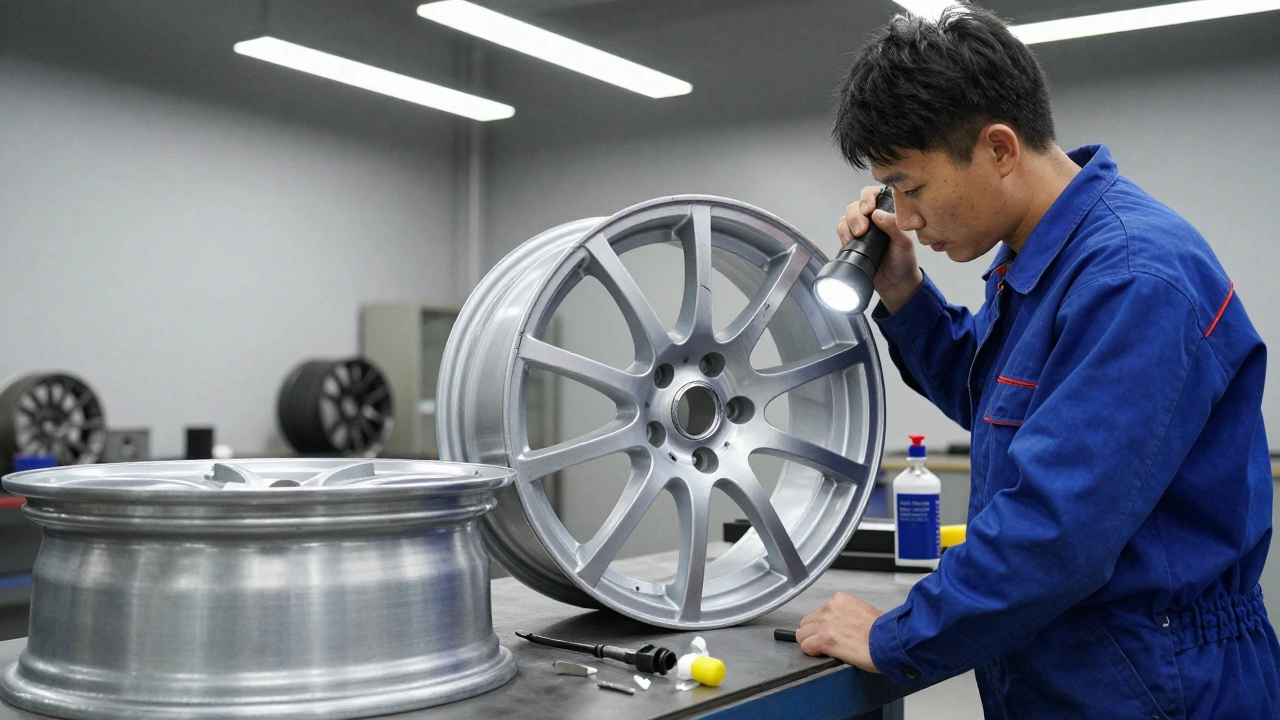
Here’s the catch: alloy rims are fragile. They don’t bend-they crack. Hit a deep pothole or a curb just right, and you might hear a sharp crack instead of a dull thud. That’s not a dent. That’s a fracture. And once it’s cracked, you can’t just hammer it back. You need a new wheel.
Repairing a cracked alloy rim is expensive and often not worth it. Most shops will tell you to replace it. A single replacement alloy wheel can cost $200-$600, depending on the brand and size. Steel wheels? You can pick up a used one for $50, or a new one for under $100.
Corrosion is another issue. Salt from winter roads eats away at the protective coating on alloy wheels. If you don’t clean them regularly, you’ll see white, chalky buildup around the lug holes or spokes. That’s not just ugly-it weakens the metal over time. In Canada, that’s not a matter of if, but when.
And then there’s the cost. Even if you’re buying aftermarket wheels, a decent set of 18-inch alloys will set you back $800-$2,000. Steel wheels? You can get a full set of four for under $300, including installation.
Alloy vs steel: real-world trade-offs
| Feature | Alloy Rims | Steel Wheels |
|---|---|---|
| Weight | Lighter (20-30% less) | Heavier |
| Heat Dissipation | Excellent | Poor |
| Damage Resistance | Cracks easily | Bends, can often be repaired |
| Cost (new set of 4) | $800-$2,000+ | $250-$500 |
| Corrosion Risk | High (needs regular cleaning) | Low (rusts, but less critical) |
| Aesthetics | High-end, customizable | Basic, functional |
| Best For | Summer driving, performance, appearance | Winter use, budget, durability |
Who should get alloy rims?
If you live in a city with good roads, drive mostly in spring, summer, and fall, and you care about how your car looks and handles-alloy rims are a smart choice. They’re standard on most new cars for a reason: they improve driving dynamics.
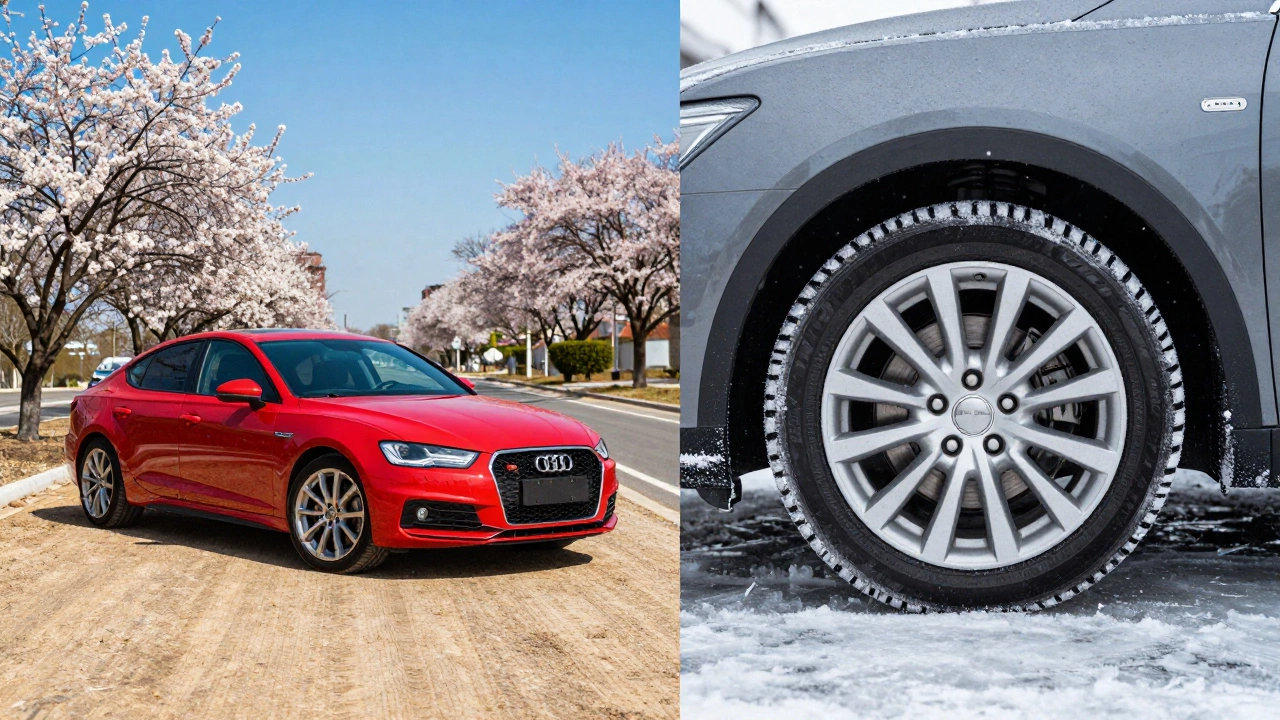
If you’re someone who drives through salted roads every winter, parks on gravel, or just wants to avoid expensive repairs, stick with steel. Many people in Hamilton and other snowy regions keep a second set of steel wheels with winter tires. It’s not because they’re cheaper-it’s because they’re tougher. When you hit a hidden patch of ice and slide into a curb, you don’t want to be staring at a cracked wheel and a $500 bill.
How to protect your alloy rims
If you’ve already got alloy wheels, here’s how to make them last:
- Wash them every two weeks in winter. Use a dedicated wheel cleaner-never household soap. Acidic cleaners eat away at the finish.
- Avoid curbs. Even a light scrape can chip the clear coat and let salt in.
- Apply a ceramic coating. It’s an extra $100-$200 at a detail shop, but it adds a protective layer that lasts 1-2 years.
- Check for corrosion behind the lug nuts. That’s where cracks often start.
Some people use wheel protectors-those plastic strips that go around the edge. They’re not perfect, but they help absorb minor impacts.
Bottom line: Are alloy rims good?
Yes-if you know what you’re getting into. They’re better for performance, fuel economy, and looks. But they’re not tougher. They’re not cheaper. And in places like Hamilton, where winter turns roads into minefields, they’re a liability if you don’t treat them right.
Don’t buy them just because they look cool. Buy them because you’re willing to maintain them. If you’re not, stick with steel. You’ll thank yourself in March when you’re not scrambling to replace a cracked rim after a single bad pothole.
The best approach? Use steel wheels in winter. Keep your alloys for summer. Swap them out twice a year. It’s the smartest way to have both worlds: the durability you need when the snow flies, and the performance and style you want when the roads dry up.
Frequently Asked Questions
Are alloy rims worth the extra cost?
It depends on how you drive. If you care about handling, fuel efficiency, and appearance-and you’re willing to clean and protect them-then yes. If you’re on a tight budget, drive in snowy conditions, or hit curbs often, the cost isn’t worth it. Steel wheels last longer and cost far less to replace.
Can alloy rims be repaired?
Minor scratches and bends can be fixed by a wheel repair shop. But if the rim is cracked, it’s usually not safe to repair. Cracks can spread under stress, leading to sudden failure while driving. Most shops will recommend replacement instead.
Do alloy rims affect fuel economy?
Yes, slightly. Lighter wheels reduce rotational mass, which means your engine works less to move the car. Studies show a 0.5-1.0 mpg improvement when switching from steel to alloy wheels, especially in city driving.
Why do winter tires usually come on steel wheels?
Because steel wheels are cheaper, tougher, and easier to replace if damaged by road salt, potholes, or curbs. Winter tires are already an investment-adding expensive alloy wheels to them makes no financial sense. Most drivers keep steel wheels just for winter use.
How often should I clean my alloy rims?
In winter, clean them every two weeks. Salt and brake dust build up fast and can corrode the finish. In summer, once a month is enough. Use a wheel cleaner designed for alloys-never strong degreasers or household cleaners.
Do alloy rims increase resale value?
Sometimes, but not always. Factory-original alloys can add value, especially on mid-range cars. Aftermarket wheels? Buyers often see them as a liability. If they’re worn, damaged, or non-standard, they can hurt resale value. Stick with OEM sizes and styles if you’re planning to sell.