Car Radiators: Signs of Failure, Replacement Costs, and What Happens If You Ignore Them
When your car radiator, a metal component that cools engine coolant by circulating it through fins and tubes. Also known as engine cooler, it's one of the most critical parts in your vehicle’s cooling system. If it fails, your engine doesn’t just get warm—it can seize, warp, or blow a head gasket. This isn’t a "maybe" problem. It’s a "you’re stranded" problem. And it doesn’t happen overnight. Most radiator failures start with small leaks, strange smells, or coolant that just keeps disappearing. You might think it’s no big deal, but ignoring it is like ignoring a slow drip in your bathroom ceiling—until the whole floor collapses.
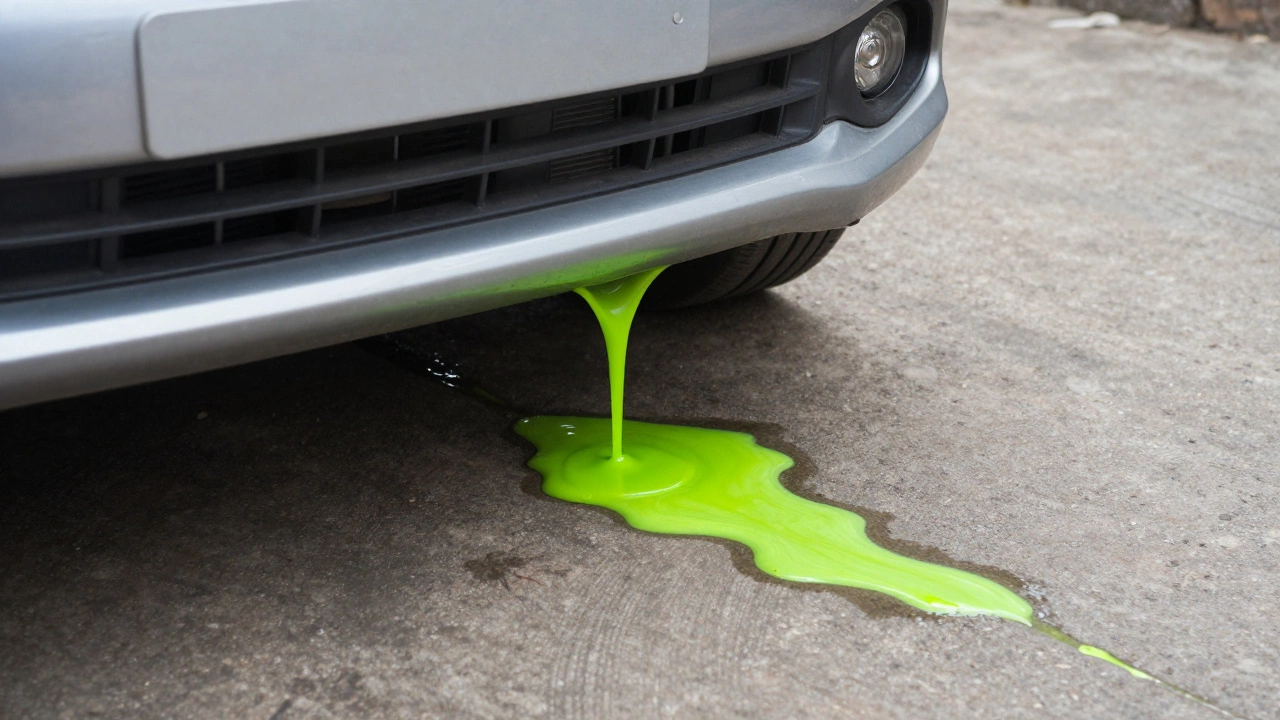
A radiator leak, a breach in the radiator’s core, tanks, or hoses that allows coolant to escape is often the first red flag. You’ll see green, orange, or pink puddles under your car. Or maybe your temperature gauge spikes during a short drive. A radiator replacement, the process of removing a damaged radiator and installing a new one to restore proper engine cooling isn’t cheap—$600 to $1,200 in 2025—but it’s way cheaper than replacing a blown head gasket, which can cost over $2,000. And yes, a bad radiator can cause a blown head gasket. When coolant levels drop, the engine overheats. Overheating puts pressure on the head gasket. Once that seal breaks, oil and coolant mix, and your engine is done. You don’t need to be a mechanic to spot the warning signs: steam from the hood, a sweet smell inside the cabin, or the heater blowing cold air even when the engine is hot.
Some people think modern cars don’t need radiators anymore. They do. Even electric vehicles use them to cool batteries and power electronics. Radiators haven’t been replaced—they’ve just gotten smarter. But the core function hasn’t changed: keep the engine cool. And if yours is old, clogged, or corroded, it won’t do that anymore. Sludge builds up inside. Hoses crack. The plastic tanks become brittle. All of it leads to the same end: overheating. You don’t need to replace your radiator every year. But if you’ve had to top off coolant more than twice in six months, or if your car overheats in traffic, it’s time to act. Waiting until the engine dies isn’t saving money. It’s just making the repair bigger.
Whether you’re thinking about swapping it yourself or taking it to a shop, the key is knowing what to look for. The posts below cover everything from the 7 clear signs your radiator is failing, to whether replacing it is worth the cost, to how hard it really is to do it on your own. You’ll find real numbers, real stories, and real advice—not guesswork. No fluff. No marketing hype. Just what happens when you ignore your radiator, and what you can do to stop it before it’s too late.
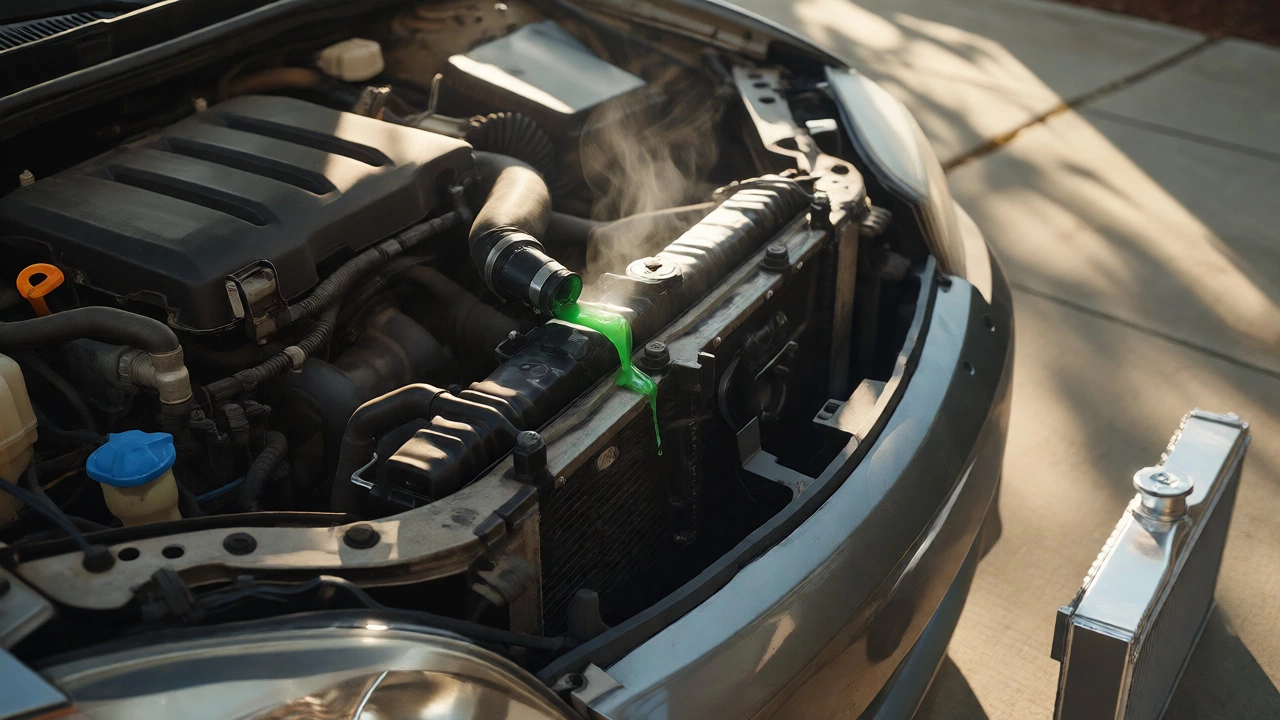
How Long Does It Take to Replace a Car Radiator? Time Estimates & Factors
Discover exactly how long it takes to replace a car radiator. We break down professional labor hours vs. DIY timelines, highlighting factors like vehicle type, accessibility, and common pitfalls that double repair time.
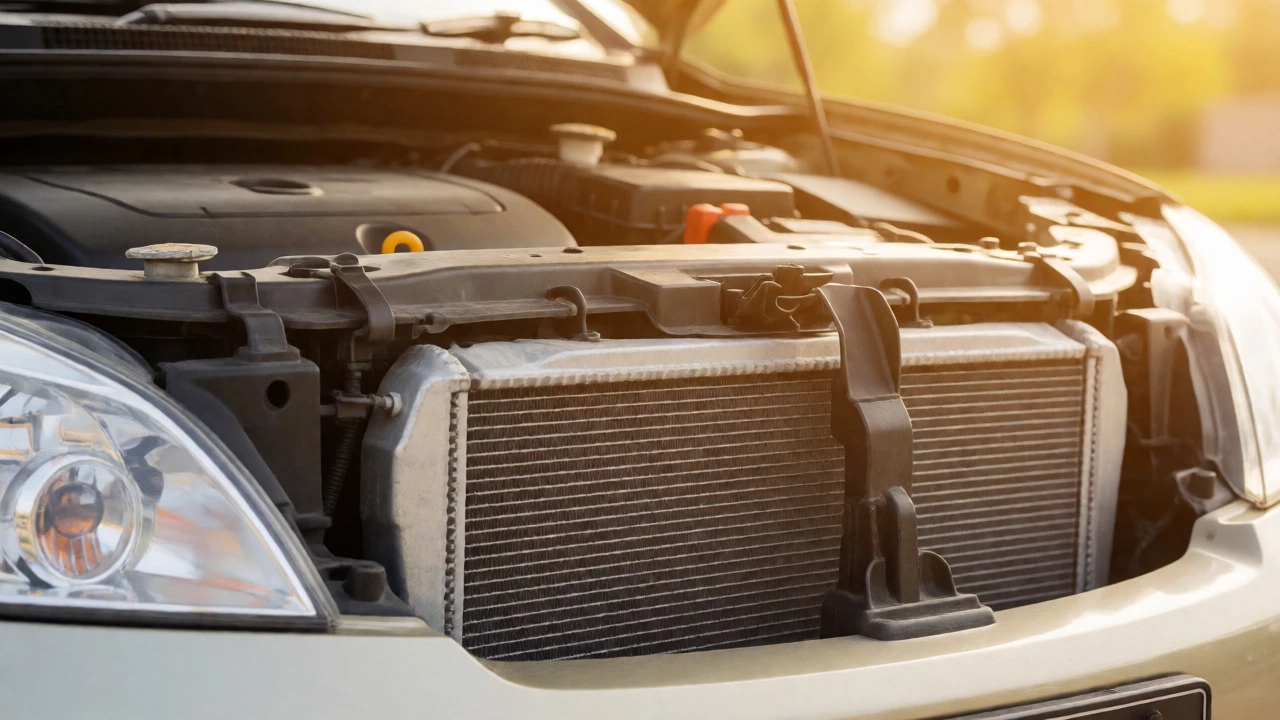
Does a Bad Radiator Affect Your Car's AC? Here’s the Truth
Discover how a failing radiator impacts your car's air conditioning. Learn why airflow restrictions and engine overheating trigger AC failures and how to diagnose these linked cooling system issues.
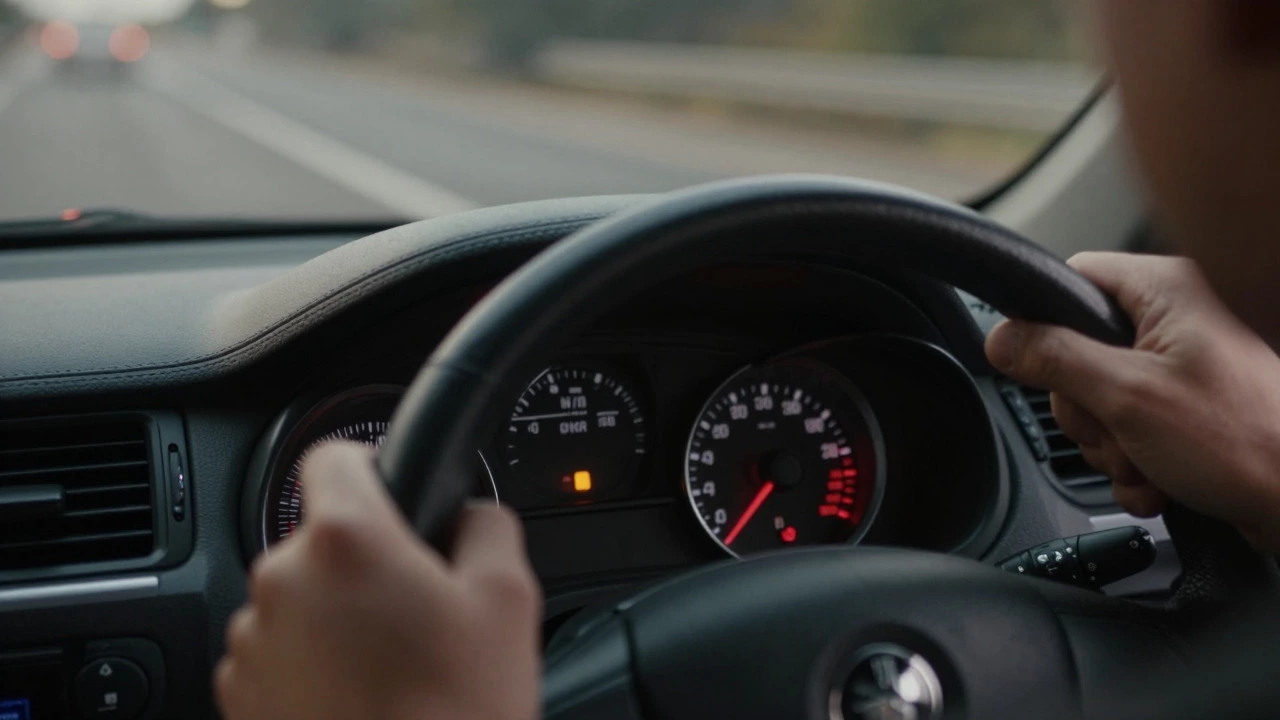
Can a Bad Radiator Ruin an Engine? The Hidden Risks of Overheating
A bad radiator can destroy your engine through overheating, warping, and seizure. Learn the warning signs, prevention tips, and emergency steps to avoid costly repairs.
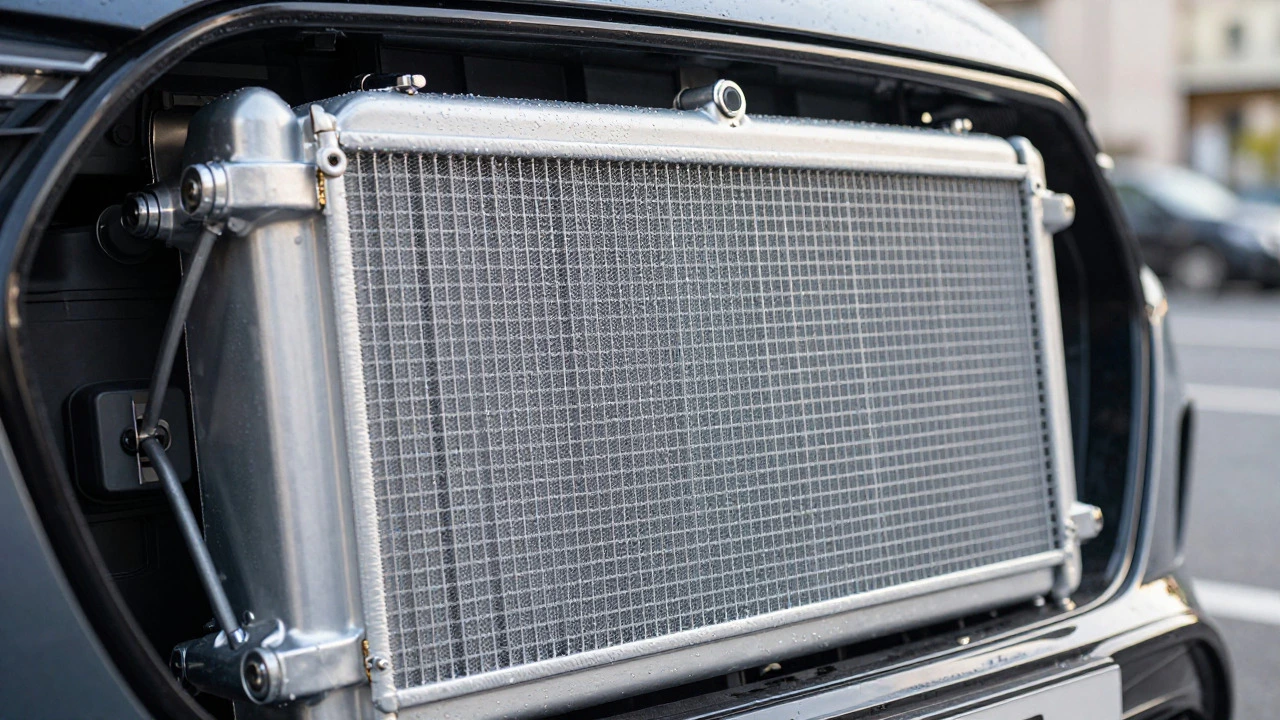
How Many Miles Do Car Radiators Last? Lifespan, Signs of Failure & Maintenance Tips
Most car radiators last 80,000-100,000 miles. Learn the signs of failure, how material affects lifespan, and maintenance tips to extend your radiator's life.
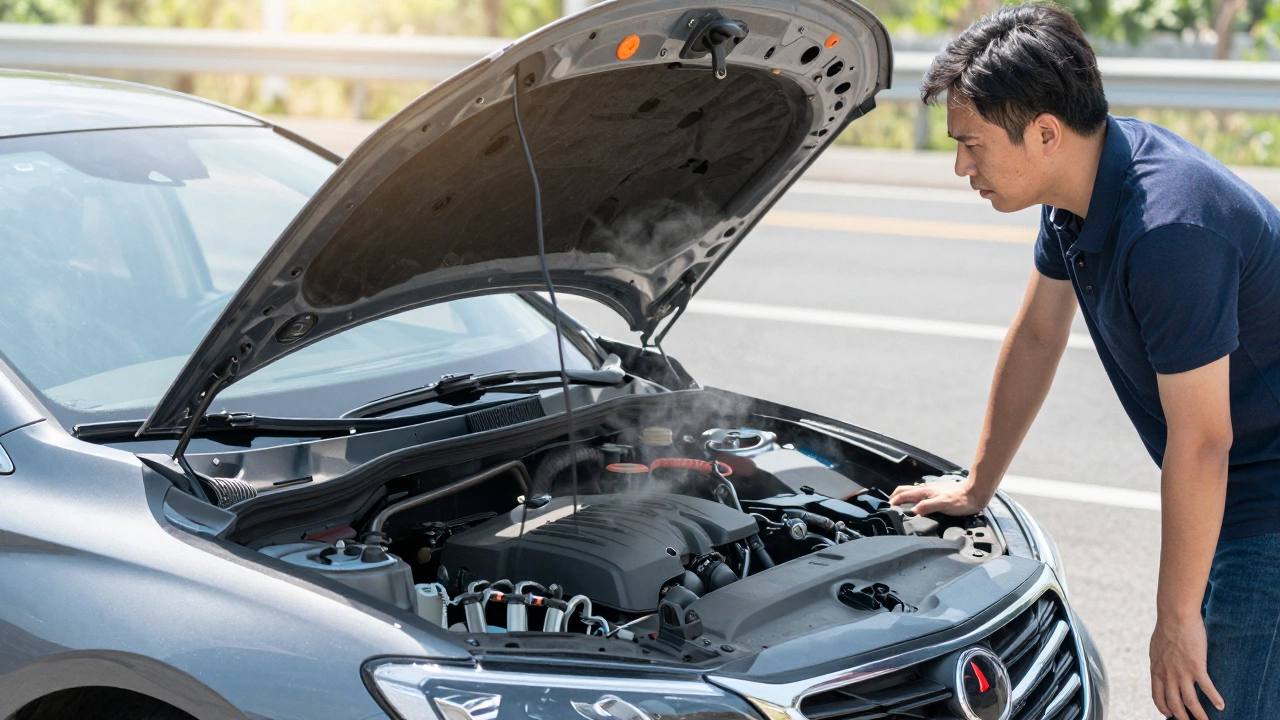
How Long Does It Take to Replace a Car Radiator? (Time & Cost Breakdown)
Replacing a car radiator takes 1.5-3 hours for pros and 4-8 hours for DIYers. Learn about hidden delays, costs, and steps to speed up your repair in 2026.
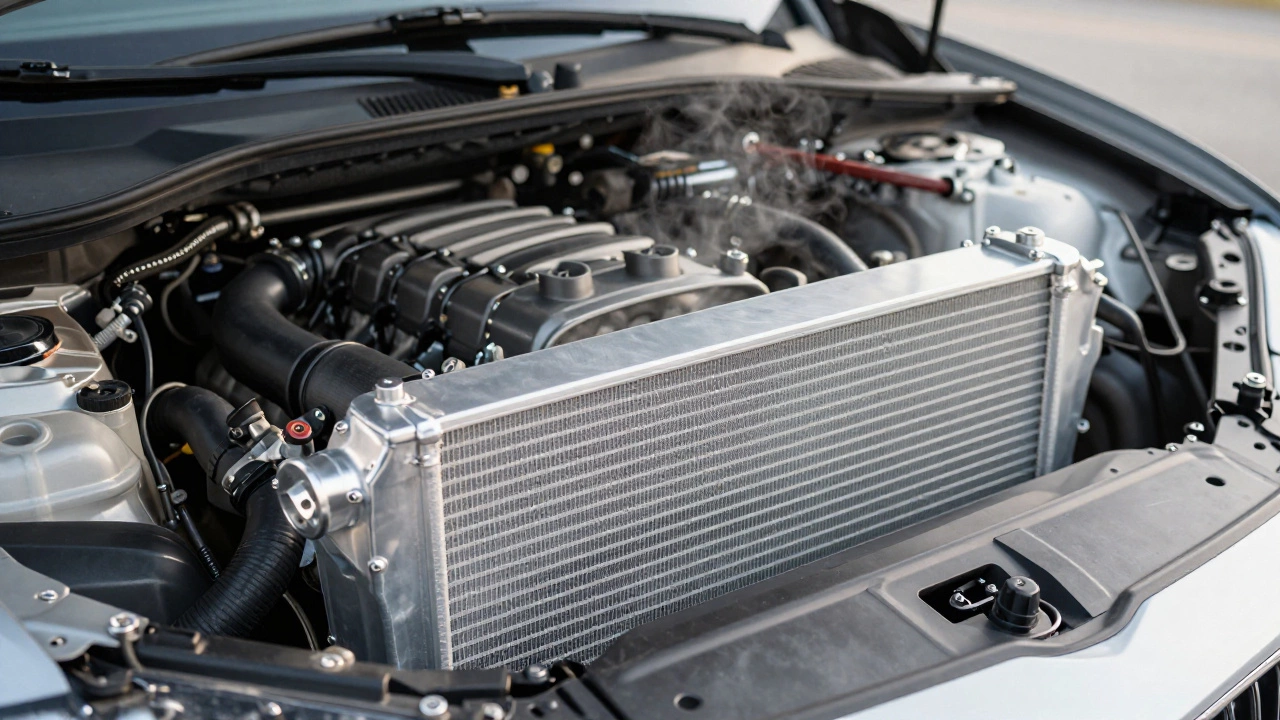
How Long Do Car Radiators Last? Average Lifespan & Replacement Signs
Discover the average lifespan of a car radiator, typically 8-10 years. Learn how aluminum vs. copper materials, coolant health, and driving conditions affect longevity, plus key signs it's time for a replacement.
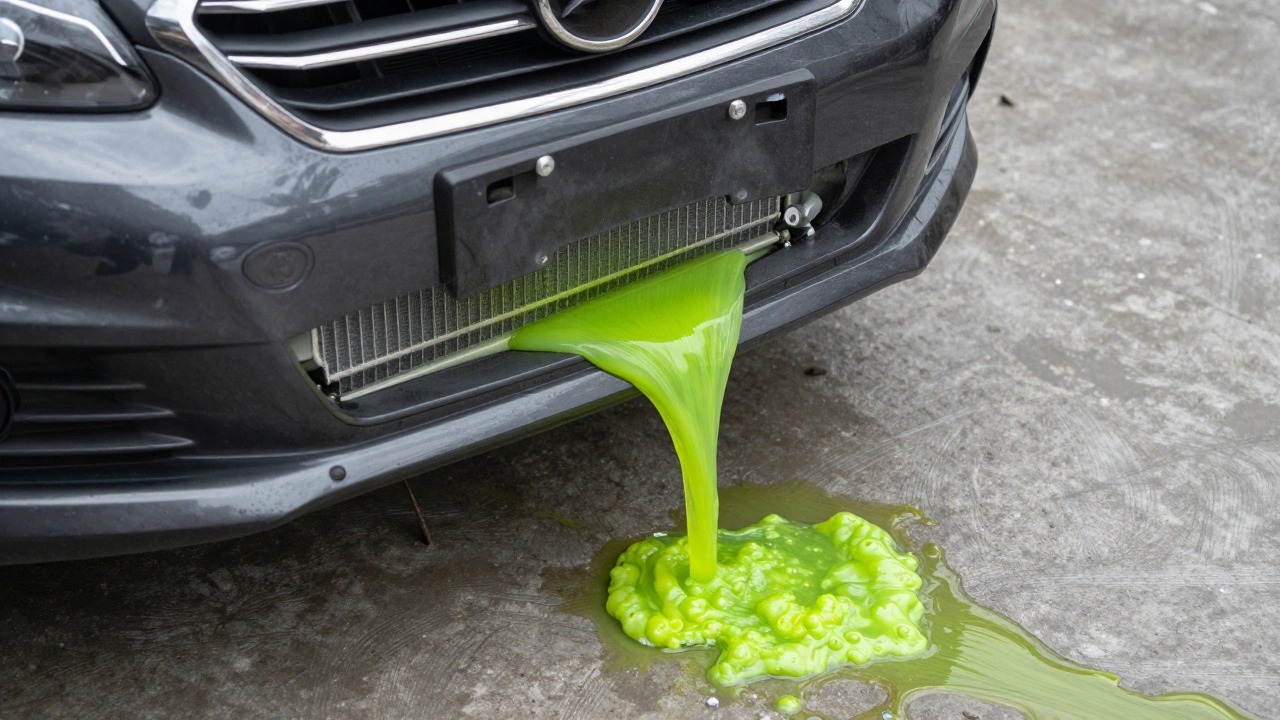
How to Change a Car Radiator Yourself: A Step-by-Step DIY Guide
Learn how to change your car radiator yourself with this comprehensive DIY guide. Save money and keep your engine cool with our step-by-step instructions.
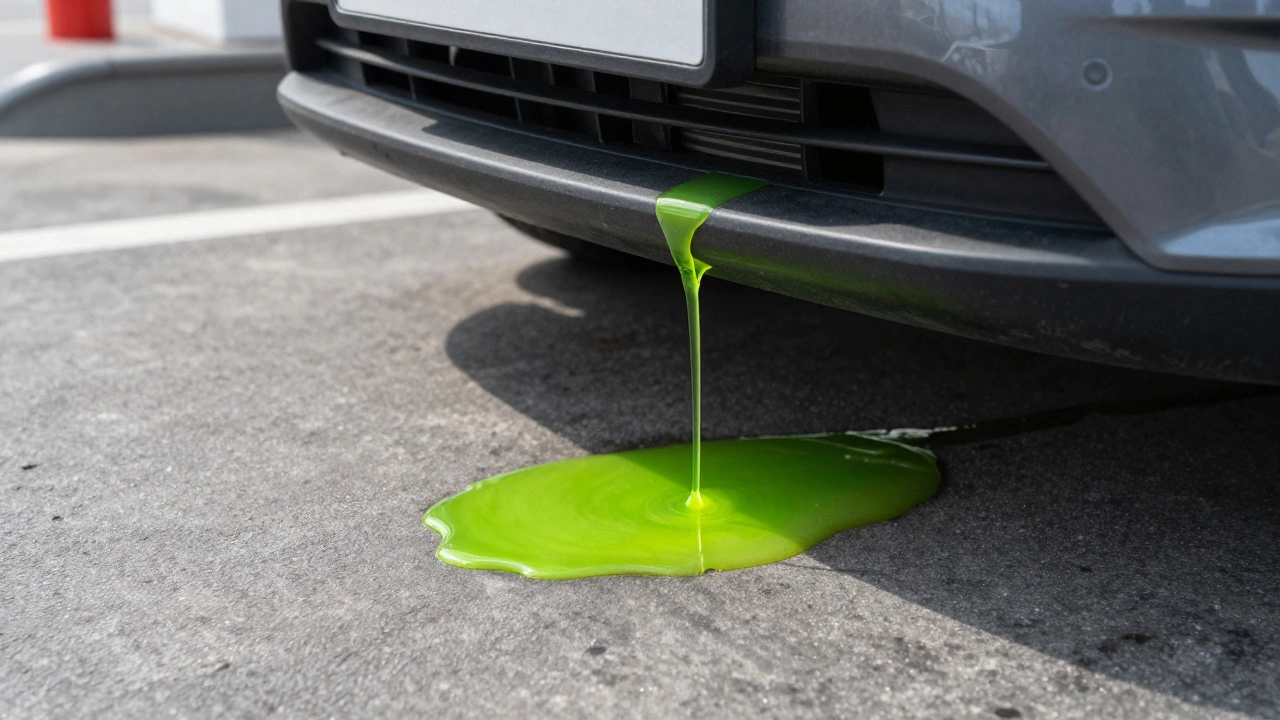
Car Radiator Replacement Cost: What You'll Actually Pay in 2026
Find out the real cost of car radiator replacement in 2026. We break down OEM vs. aftermarket prices, labor rates, and hidden fees to help you budget accurately.

Are Car Radiators Expensive? A 2026 Cost Guide for Owners
Find out exactly how much car radiators cost in 2026. This guide breaks down parts, labor, and vehicle differences to help you budget for engine cooling repairs.
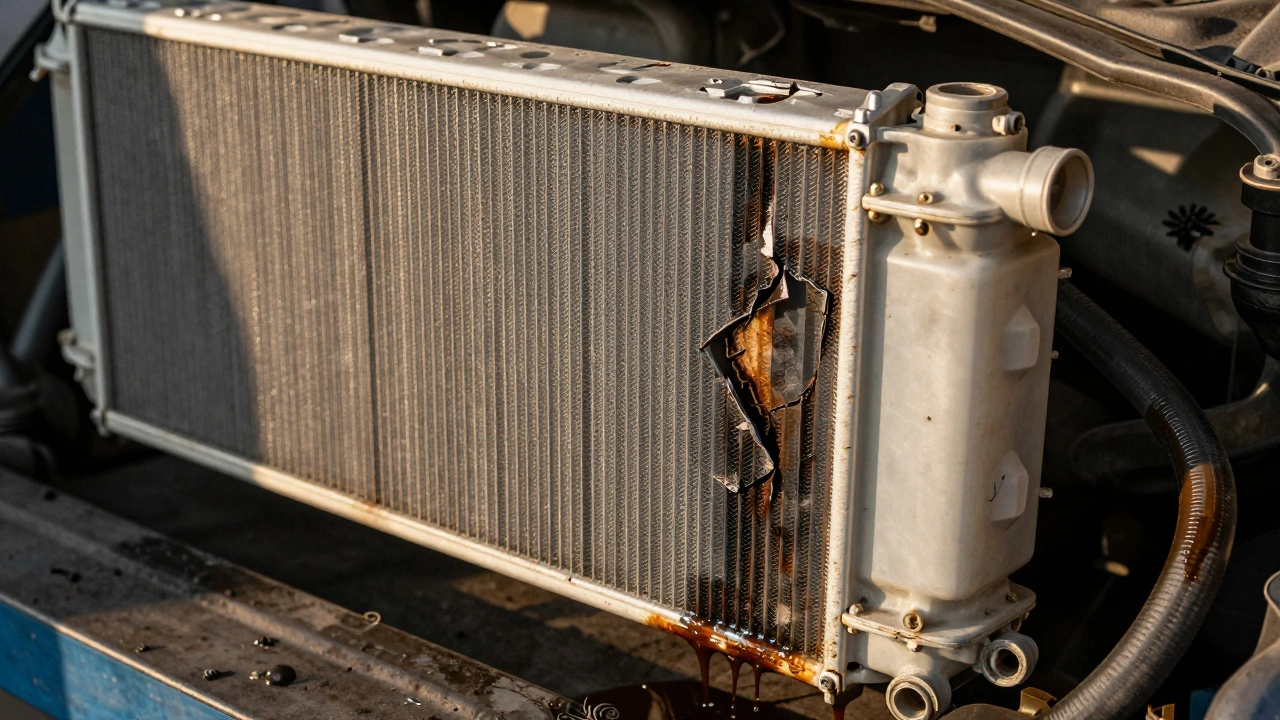
How Often Do Car Radiators Need to Be Replaced?
Car radiators typically last 10-15 years or more with proper coolant maintenance. Signs like constant leaks, discolored fluid, or overheating mean it’s time to replace. Don't wait for failure-maintain your cooling system to avoid costly repairs.
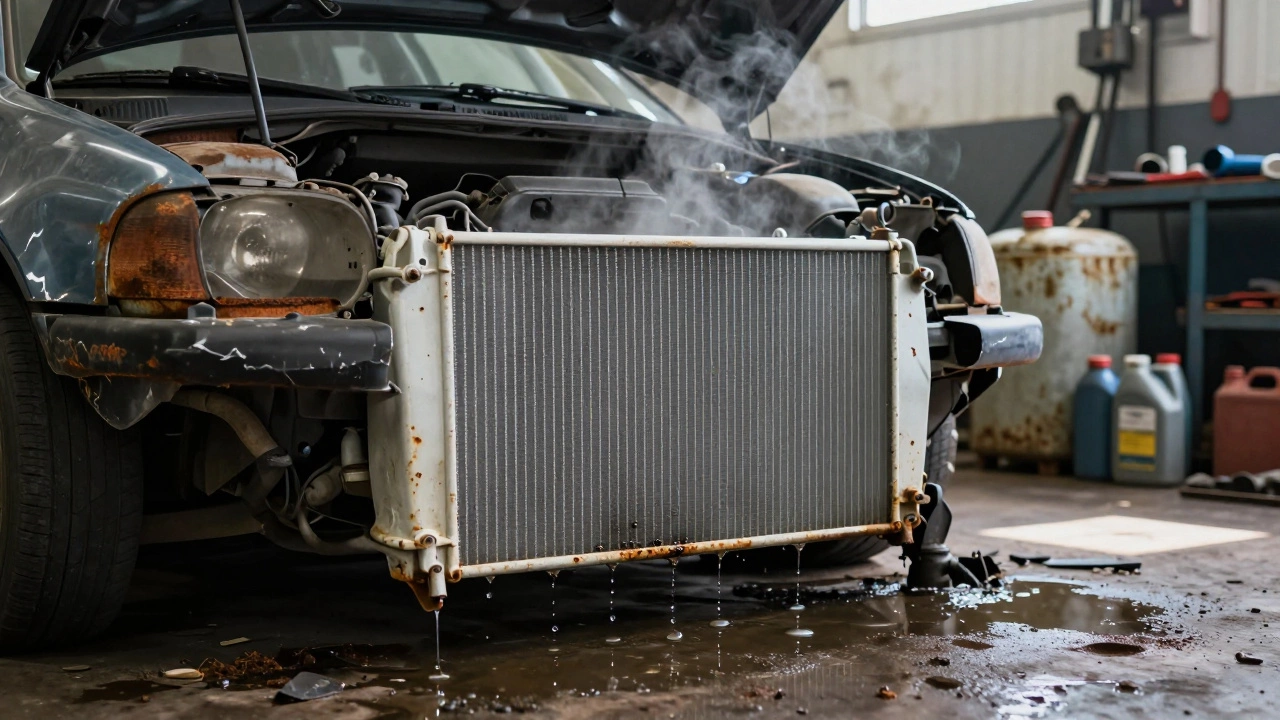
Is It Worth Replacing Your Car Radiator? Real Costs, Signs, and When to Act
Is replacing your car radiator worth the cost? Learn the real signs of failure, repair vs. replace options, and when to save money instead of spending hundreds. Based on real repairs in Canadian winters.