 Mar, 24 2026
Radiator Replacement Cost Calculator
Calculate Your Radiator Replacement Cost
There is nothing quite like the panic of seeing your temperature gauge climb into the red zone while stuck in traffic. Your heart races, you check the coolant reservoir, and suddenly you are facing a potential repair bill that could wreck your monthly budget. The question on every driver's mind is simple but critical: are car radiators expensive? The short answer is yes, they can be, but the real cost depends heavily on your vehicle, the shop you choose, and whether you opt for a repair or a full replacement.
In 2026, inflation and supply chain shifts have nudged auto parts prices higher than they were a few years ago. A standard replacement for a common sedan might set you back a few hundred dollars, while a luxury SUV or a high-performance truck could easily push the total bill over a thousand. Understanding exactly what drives these numbers helps you avoid getting ripped off at the mechanic.
Breaking Down the True Cost of a Radiator
When you ask about the price of a Car Radiator is a heat exchanger that cools engine coolant to prevent overheating, you are usually asking about the part itself. However, the part is rarely the only expense. The total cost is a combination of the hardware, the labor to install it, and the fluids required to get the system running again.
For the average driver, the part cost for a new aftermarket radiator ranges between $150 and $450. If you need an Original Equipment Manufacturer (OEM) part directly from the car company, that price can jump to $500 or more. Labor is the other big chunk. Mechanics typically charge between $100 and $150 per hour, and swapping a radiator often takes 1.5 to 3 hours. This means labor alone can cost you $200 to $450.
Don't forget the fluids. You will need fresh coolant to refill the system. A gallon of high-quality antifreeze mixture runs about $20 to $40. If your thermostat or water pump is old, many mechanics recommend replacing them while they are in there, which adds another $100 to $300 to the bill. So, a realistic total for a standard repair often lands between $350 and $900.
| Vehicle Type | Part Cost Range | Labor Cost Range | Total Estimated Cost |
|---|---|---|---|
| Economy Sedan | $150 - $300 | $150 - $300 | $300 - $600 |
| Mid-Size SUV | $250 - $450 | $200 - $400 | $450 - $850 |
| Heavy-Duty Truck | $400 - $800 | $300 - $600 | $700 - $1,400 |
| Luxury/Performance | $600 - $1,200+ | $400 - $800+ | $1,000 - $2,000+ |
What Makes Some Radiators Cost More Than Others?
Not all car radiators are built the same, and the materials used play a huge role in the price tag. Older vehicles often used copper and brass cores. These materials are excellent for heat transfer and easy to solder for repairs, but they are heavy and expensive to manufacture. Newer vehicles almost exclusively use aluminum cores with plastic tanks. Aluminum is lighter and cheaper to produce, but it is harder to fix once it cracks.
The complexity of your engine bay matters too. In some cars, the radiator is right at the front, easy to access. In others, like certain BMWs or V8 trucks, the radiator is tucked deep behind the bumper and grille, sometimes requiring the removal of the engine mount or other components to reach it. This complexity increases labor time, which directly increases your bill.
Brand reputation also dictates price. An aftermarket brand like Behr or Denso might offer a solid replacement for half the cost of a dealer part. However, for older luxury cars, finding a quality aftermarket match can be difficult. You might end up paying a premium for a rebuilt OEM unit because the generic options don't fit the specific cooling requirements of that engine.
Repair Versus Replace: Is There a Middle Ground?
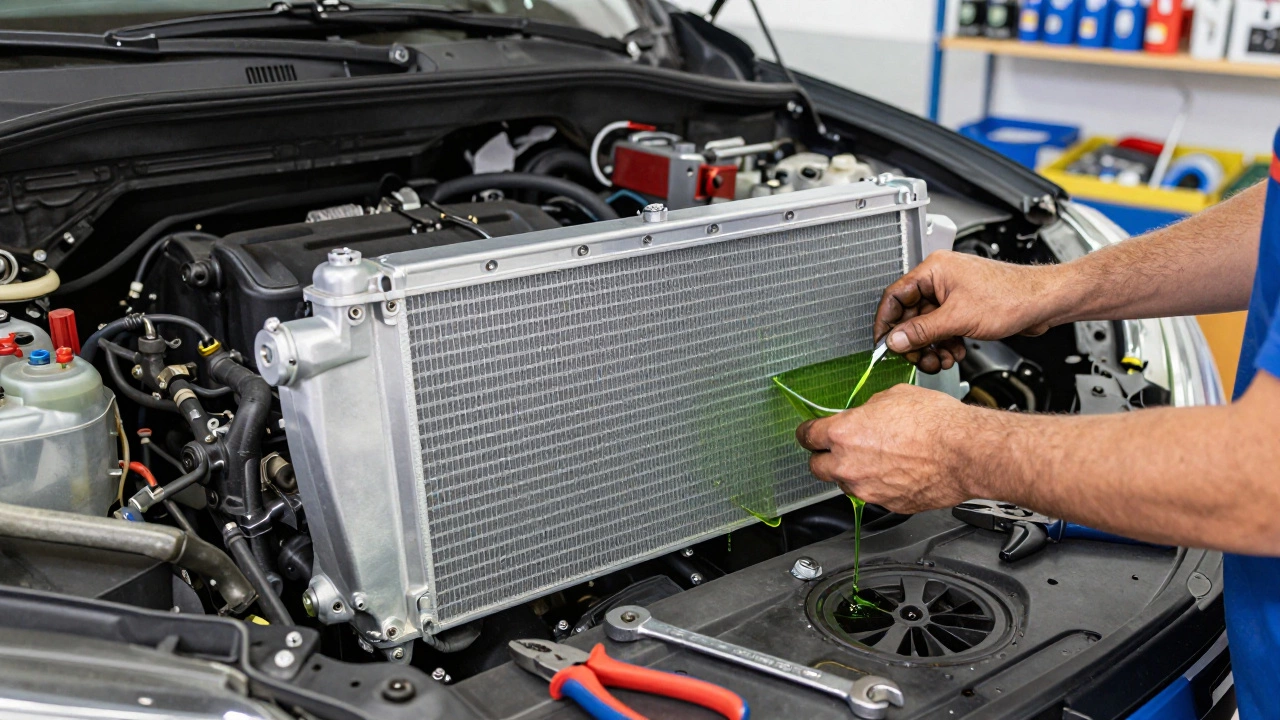
When you hear the news that your cooling system has failed, the instinct is to ask if it can be fixed. If the issue is a small leak in the plastic tank, a radiator repair shop might be able to seal it or swap just the tank for a fraction of the cost of a new unit. This can save you $200 or more.
However, if the internal core is clogged or corroded, repair isn't an option. The tubes inside are too small to clean effectively without damaging them. In these cases, replacement is the only safe path. Mechanics often advise replacing the radiator if the car is over 10 years old. Why? Because if you pay for labor to install a cheap used radiator and it fails a year later, you've just paid that labor cost twice.
Another consideration is the core charge. Many auto parts stores charge a fee when you buy a new radiator, typically $20 to $50. This isn't a hidden cost; it's a deposit. When you bring your old, broken radiator back to the store, they refund the deposit. It's a recycling incentive to keep old metals out of landfills. Make sure you ask about this before you buy, as it effectively lowers your upfront cost.
Can You Save Money by Doing It Yourself?
For the handy homeowner, a radiator swap is one of those projects that sits on the edge of DIY feasibility. If you have a basic set of tools, a drain pan, and a helper, you can save the $200 to $400 in labor costs. The process involves draining the old coolant, removing the fan shroud, loosening the mounting bolts, and swapping the unit.
The risk lies in the details. Radiators are often held by fragile plastic clips that snap easily. If you break a mount, you might need to buy a new bracket, adding to the cost. Also, bleeding the air out of the cooling system is tricky. If you leave air pockets inside, the engine can overheat again within days, causing you to pay a mechanic to fix your mistake.
Furthermore, you need to be careful with the coolant. Old antifreeze is toxic and requires proper disposal. You can't just pour it down the drain. Many shops will take your old coolant for free, but if you do the job at home, you need to take it to a recycling center. Factor in the time and the trip to the shop when calculating your savings.
Signs Your Radiator Needs Attention
Ignoring the signs of radiator failure can turn a $400 repair into a $4,000 engine replacement. Overheating is the most obvious symptom, but there are subtler clues. If you see a sweet smell coming from the engine bay, that is likely leaking coolant. Coolant is designed to smell sweet to help you detect leaks, but it is dangerous if ingested.
Look for puddles under your car. Green, orange, or pink fluid indicates a leak from the cooling system. If the fluid is clear, it might be oil, which is a different problem. Another sign is a lack of pressure in the cooling system. If the radiator cap feels loose or the reservoir is consistently low, your system might be losing pressure, which reduces cooling efficiency.
Finally, check the temperature gauge regularly. If it fluctuates wildly between normal and hot, your thermostat might be sticking, or your radiator fan might not be engaging. Catching these issues early can extend the life of your radiator and save you from a catastrophic breakdown on the highway.
Prevention Tips to Extend Radiator Life
The best way to avoid a high repair bill is to keep your cooling system healthy. Regular maintenance is key. Most manufacturers recommend flushing and refilling your coolant every 30,000 to 50,000 miles. Old coolant loses its corrosion inhibitors, leading to rust and sludge buildup inside the radiator tubes.
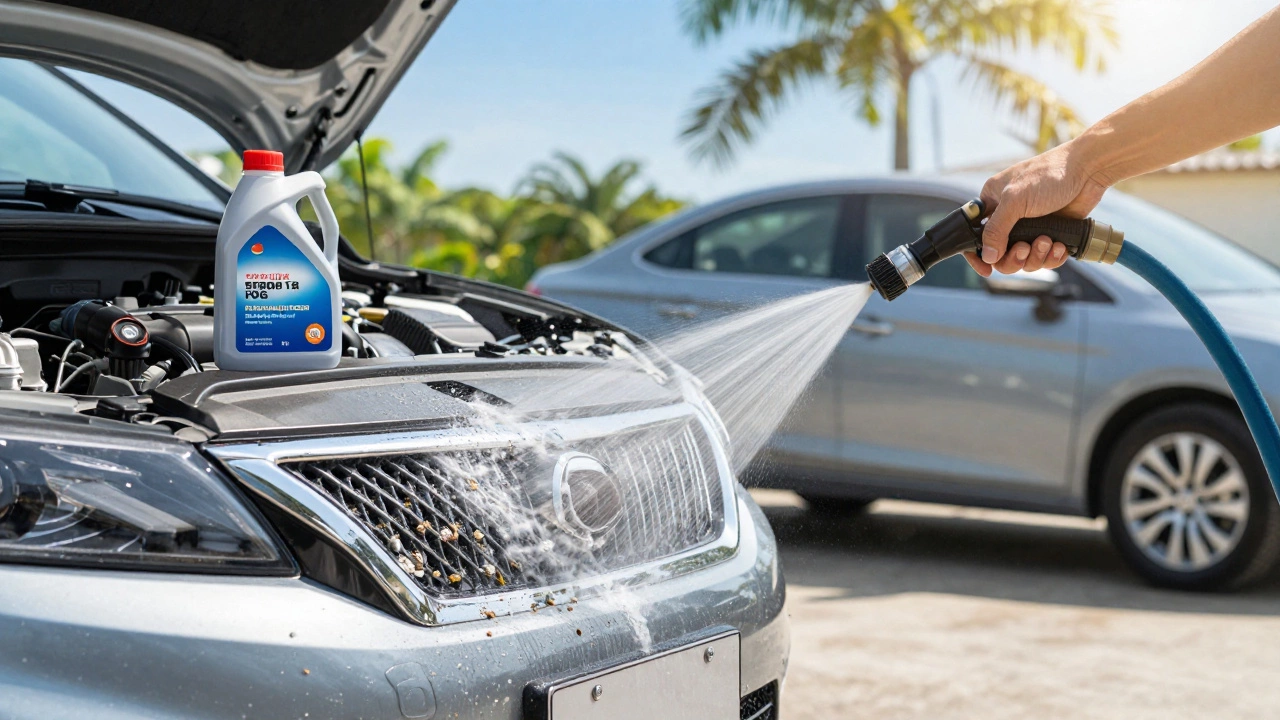
Keep the outside of the radiator clean. Bugs, dirt, and debris can clog the fins on the front of the radiator, blocking airflow. A gentle spray with a hose once a year can help maintain airflow. Just be careful not to bend the delicate fins with a high-pressure nozzle.
Check the radiator cap. It sounds simple, but a worn cap can't hold the necessary pressure. If the pressure drops, the coolant boils at a lower temperature, causing overheating. Replacing a cap costs less than $20 and is a cheap insurance policy against a major failure.
How long does a car radiator typically last?
A well-maintained radiator should last between 8 to 10 years or roughly 100,000 miles. However, plastic tanks can crack sooner due to heat cycles and vibration.
Is it worth replacing a radiator on an old car?
If the car is worth more than the repair cost, yes. If the car is worth $1,000 and the repair is $800, it might be better to save for a replacement vehicle.
Can I drive my car with a bad radiator?
No. Driving with a failing radiator risks severe engine damage. Overheating can warp cylinder heads or crack the engine block, costing thousands to fix.
What is the difference between OEM and aftermarket radiators?
OEM parts are made by the vehicle manufacturer and fit perfectly but cost more. Aftermarket parts are made by third parties, are cheaper, and usually offer similar performance.
Does radiator size affect the price?
Yes. Larger vehicles like trucks and SUVs need bigger radiators with more cooling capacity, which increases material costs and labor time for installation.
Knowing the numbers ahead of time gives you power when talking to a mechanic. You won't be blindsided by the final invoice, and you can make an informed decision about whether to fix it or trade in the car. A radiator is a vital component, but with a little research and maintenance, it doesn't have to be a financial disaster.