 May, 8 2026
Bosch Wiper Blade Material Selector
Your Driving Profile
Recommended Choice
Select options above to see your personalized recommendation.
--
Key Benefit
Consideration
Estimated Lifespan
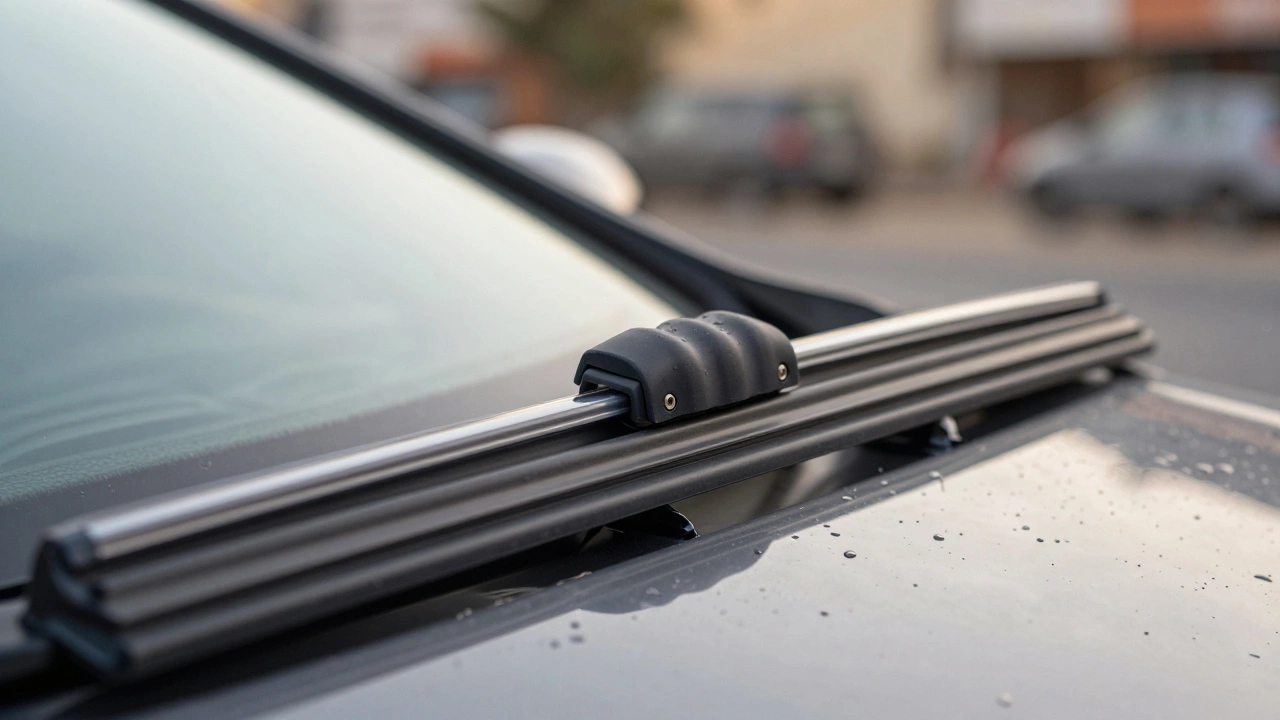
It’s a question that pops up more often than you’d think: are Bosch wiper blades made of rubber or silicone? If you’ve been staring at the packaging in your local auto parts store, wondering if you’re buying the latest tech or just standard rubber, you aren’t alone. The short answer is that most standard Bosch blades use high-quality natural and synthetic rubber compounds. However, Bosch does offer specific lines that utilize silicone technology for those who want premium performance.
Understanding this distinction matters because it affects how well your windshield clears rain, snow, and road grime. It also impacts longevity and cost. Let’s break down exactly what goes into these blades, why the material choice changes everything, and which option actually makes sense for your driving habits.
The Standard: Why Bosch Relies on Advanced Rubber
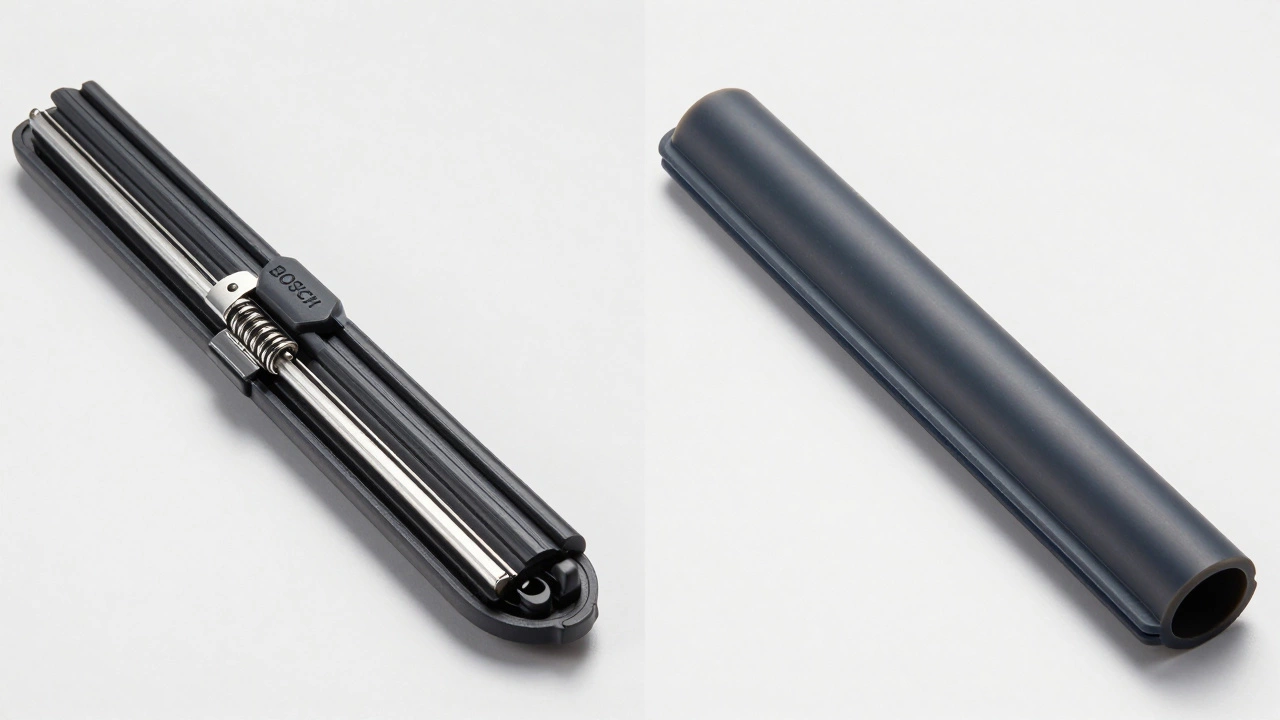
When you buy a typical pair of Bosch Icon or Bosch Direct Connect wiper blades, you are getting rubber. But calling it just "rubber" undersells the engineering behind it. Bosch doesn't use raw latex straight from a tree. They use a specialized compound that blends natural rubber with synthetic polymers like Silicone Oil coatings and Polyurethane reinforcements.
This hybrid approach solves the biggest problems with traditional rubber wipers. Pure rubber gets hard in the cold and sticky in the heat. By adding synthetic elements, Bosch ensures the blade stays flexible in freezing temperatures-critical if you live somewhere like Hamilton, Canada, where winter windscreens can be treacherous. The rubber edge is also treated with a graphite coating to reduce friction. This means less squeaking and smoother sweeping across the glass.
For 90% of drivers, this advanced rubber construction is the sweet spot. It offers excellent cleaning performance without the premium price tag. The rubber conforms well to the slight curves of modern windshields, ensuring full contact from tip to heel. If you replace your wipers every year or two, as recommended by most manufacturers, this rubber-based solution is cost-effective and highly reliable.
The Premium Option: Bosch Silicone Technology
So, does Bosch make silicone wipers? Yes, but they are niche products. You won’t find them in every box. Bosch has experimented with and released Silicone Wiper Blades under specific product lines, often marketed towards commercial fleets or extreme weather conditions. These are distinct from the standard consumer models.
Silicone behaves differently than rubber. It is inherently hydrophobic, meaning water beads up and rolls off the surface rather than spreading out. In heavy rain, this can improve visibility significantly because the blade isn't fighting against a sheet of water; it's pushing individual droplets aside. Silicone also resists UV degradation better than rubber. Sunlight breaks down rubber over time, causing cracking and hardening. Silicone remains stable even after years of exposure to intense sunlight.
However, there is a catch. Silicone blades have a higher coefficient of friction initially. They can feel "grabby" on the glass until they are properly broken in. Some drivers report increased noise during the first few weeks of use. Additionally, silicone is more expensive to manufacture. If you see a Bosch blade labeled as silicone or part of a premium eco-line using silicone composites, expect to pay double the price of their standard rubber counterparts.
Rubber vs. Silicone: A Practical Comparison
To help you decide, let’s look at how these materials stack up in real-world scenarios. The choice isn't just about chemistry; it's about your daily driving experience.
| Feature | Advanced Rubber (Standard) | Silicone (Premium) |
|---|---|---|
| Cost | Affordable ($15-$30 per pair) | Premium ($40-$80+ per pair) |
| Lifespan | 6-12 months | 18-24+ months |
| Cold Weather Performance | Excellent (with proper compound) | Very Good (can stiffen slightly) |
| Noise Level | Low (graphite coated) | Medium (requires break-in period) |
| Maintenance | Regular cleaning required | Low maintenance, self-cleaning properties |
Notice the lifespan difference. Silicone lasts longer because it doesn't degrade as quickly from ozone and UV rays. If you hate replacing wipers twice a year, silicone might save you money in the long run despite the higher upfront cost. On the other hand, if you drive in an area with heavy salt usage in winter, road debris can embed itself in any wiper blade. In that case, the lower cost of rubber means you don't mind swapping them out when they get worn.
Identifying Your Bosch Blade Type
How do you know what you currently have or what you should buy? Check the packaging closely. Bosch uses clear labeling for its different technologies.
- Bosch Icon: This is their flagship rubber blade. It features a stainless steel spring core and a special rubber compound designed for all-weather performance. Look for the "Icon" branding on the box.
- Bosch Aerotwin: Another popular rubber-based line. These are beam-style wipers that use aerodynamic design to press the rubber evenly against the glass. No metal frame means less corrosion risk.
- Bosch EcoLine: An entry-level rubber option. Great for budget-conscious buyers, though it may not last as long as the Icon series.
- Silicone Specifics: If a blade is silicone, the packaging will explicitly state "Silicone Technology" or "Hydrophobic Coating." It will rarely be hidden. Bosch markets this feature heavily because it is a selling point.
If you have an older vehicle, check the attachment type. Bosch makes adapters for almost every connector style, whether it's a bayonet mount, hook type, or side pin. The material of the blade (rubber vs. silicone) doesn't change the fitting mechanism, so you can upgrade to silicone without worrying about compatibility issues, provided you get the correct size.

Why Material Matters Less Than Maintenance
Here’s a secret that many mechanics won’t tell you: the best wiper blade in the world will perform poorly if your windshield is dirty. Whether you choose Bosch rubber or silicone, the enemy is Road Film. This invisible layer of oil, dust, and pollutants builds up on your glass over time.
When wipers hit this film, they skip and chatter. People often blame the wiper blade for skipping, thinking the rubber is worn out. In reality, the glass might just be oily. Before you invest in expensive silicone blades, try cleaning your windshield with a dedicated glass cleaner or a mixture of vinegar and water. Use a microfiber cloth to remove the film. You’ll be surprised how much better your existing rubber wipers perform.
Also, keep the wiper edges clean. Dust and sand particles get trapped in the rubber edge. Once a month, wipe the blade edge with a damp paper towel. This simple habit can extend the life of both rubber and silicone blades by several months. For silicone blades, avoid using wax-based products on your windshield. Wax creates a barrier that prevents the wiper from making direct contact with the glass, leading to streaking. Silicone works best on bare, clean glass.
Which One Should You Choose?
If you are looking for a straightforward recommendation, here is the decision tree:
- Choose Standard Rubber (Bosch Icon/Aerotwin) if: You replace your wipers annually, you live in a region with varied weather (rain, snow, sun), and you want a quiet, smooth wipe without breaking the bank. This is the safest bet for most drivers.
- Choose Silicone if: You frequently drive in heavy rain, you dislike replacing wipers often, you park your car outdoors in direct sunlight year-round, and you are willing to pay a premium for longer-lasting performance.
- Avoid Cheap Alternatives if: Visibility is critical for your safety. Low-cost generic wipers often use inferior rubber that cracks in cold weather or leaves streaks. Bosch’s quality control ensures consistent pressure distribution, which cheap brands struggle to replicate.
In summary, while Bosch does produce silicone wiper blades, their primary and most widely used material is advanced rubber. This rubber is engineered to handle the rigors of modern driving, offering a balance of flexibility, durability, and clarity. Silicone is a fantastic option for specific needs, but for the average driver, Bosch’s rubber technology delivers exceptional value and performance.
Are Bosch wiper blades made of natural rubber?
Bosch wiper blades are not made of pure natural rubber. They use a sophisticated blend of natural rubber and synthetic polymers. This combination provides better resistance to temperature extremes, UV radiation, and ozone degradation compared to raw natural rubber. The edge is often coated with graphite to ensure a smooth, quiet wipe.
Do silicone wiper blades last longer than rubber ones?
Yes, generally speaking. Silicone wiper blades are more resistant to environmental factors like sunlight and heat, which are the main causes of wiper degradation. While a high-quality rubber blade might last 6 to 12 months, a silicone blade can often last 18 to 24 months or more before showing signs of wear or hardening.
Can I use Bosch silicone wipers in freezing temperatures?
Yes, but with caution. Silicone remains flexible in cold weather, but it can become slightly stiffer than rubber in extreme sub-zero temperatures. It is crucial not to force the wipers if they are frozen to the windshield. Allow the defroster to thaw the glass first. Bosch designs their silicone compounds to withstand typical winter conditions, but physical ice damage is a risk for any wiper material.
Why do my new Bosch wipers squeak?
Squeaking is usually caused by dirt or oil on the windshield, not the wiper blade itself. Road film acts as a lubricant that causes the blade to slip instead of wiping. Clean your windshield thoroughly with a glass cleaner. If the squeaking persists, check if the wiper arm is applying too much pressure or if the blade angle is incorrect. Silicone blades may also require a brief break-in period to settle onto the glass.
Is it worth paying extra for Bosch Aerotwin over standard frames?
For most modern vehicles, yes. Bosch Aerotwin blades are frameless (beam style), which reduces the risk of rust and ice buildup on the metal joints. The aerodynamic design helps keep the blade pressed against the windshield at high speeds, preventing lift-off. Traditional framed wipers can suffer from uneven pressure due to bending in the metal frame, whereas Aerotwin maintains consistent contact across the entire blade length.