 Aug, 25 2026
Clutch Lifespan Estimator
Enter your setup below. The tool blends the typical mileage range for your vehicle class with multipliers from your driving technique and maintenance history to project a realistic lifespan.
Most mechanics will tell you a standard factory clutch is a friction-based component that connects the engine to the transmission in manual vehicles designed for about 60,000 to 100,000 miles. But have you ever seen one hit 200,000 miles without slipping? It happens, but it’s not luck-it’s a specific combination of factors. If you’re wondering if your current setup can survive another decade or if you need to budget for a new clutch kit soon, the answer depends on how you drive and what kind of car you own.
The short answer is yes, a clutch can last 200k miles, but it requires near-perfect conditions. Think of it like wearing out a pair of shoes. You can make them last years by walking gently, or destroy them in months by running marathons daily. Your driving style, vehicle type, and maintenance history determine whether that 200k mark is a realistic goal or just a dream.
Why Most Clutches Fail Before 100k Miles
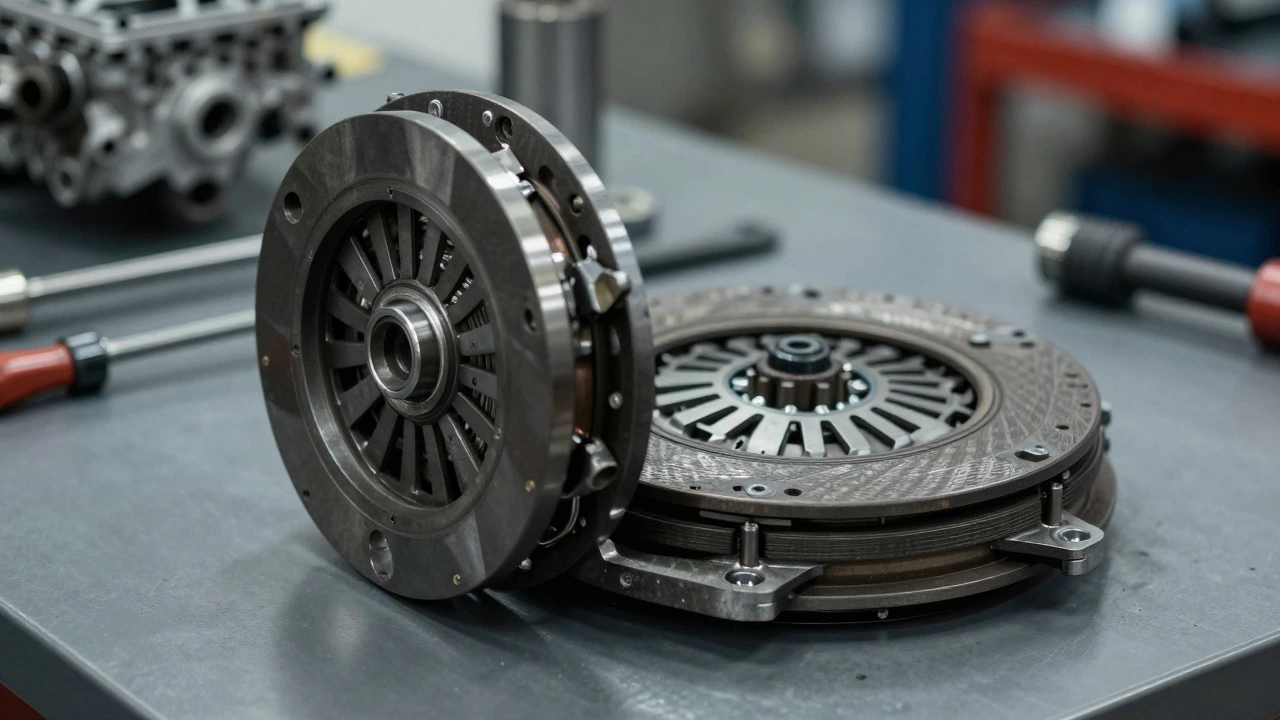
To understand how some reach 200k, we first need to look at why most don’t. A clutch assembly consists of three main parts: the pressure plate, the clutch disc, and the release bearing. These components work together to transfer torque from the engine to the wheels. When they fail, it’s usually due to heat buildup or physical wear.
- Heat Damage: Slipping generates intense heat. If the disc overheats, the friction material glazes over, losing its grip. This is the #1 killer of clutches.
- Mechanical Wear: The friction material literally wears down like brake pads. Once it’s too thin, the spring tension isn’t enough to keep the plates engaged.
- Contamination: Oil leaks from the rear main seal can contaminate the clutch disc, causing it to slip prematurely.
In a typical city-driven compact car with an average driver who rides the pedal, 80,000 miles is a common failure point. However, this assumes normal usage. To push past 150k, you need to eliminate these variables.
The Three Pillars of Longevity
If you want your clutch to approach 200k miles, you need to master three areas: driving technique, vehicle selection, and mechanical integrity.
1. Driving Technique Matters More Than You Think
Your foot is the biggest variable here. Two drivers can buy the exact same car, drive the same routes, and end up with vastly different clutch lifespans. The key is minimizing "slip time." Slip time is the duration the clutch is partially engaged between gears. Every second you spend feathering the pedal, you’re burning friction material.
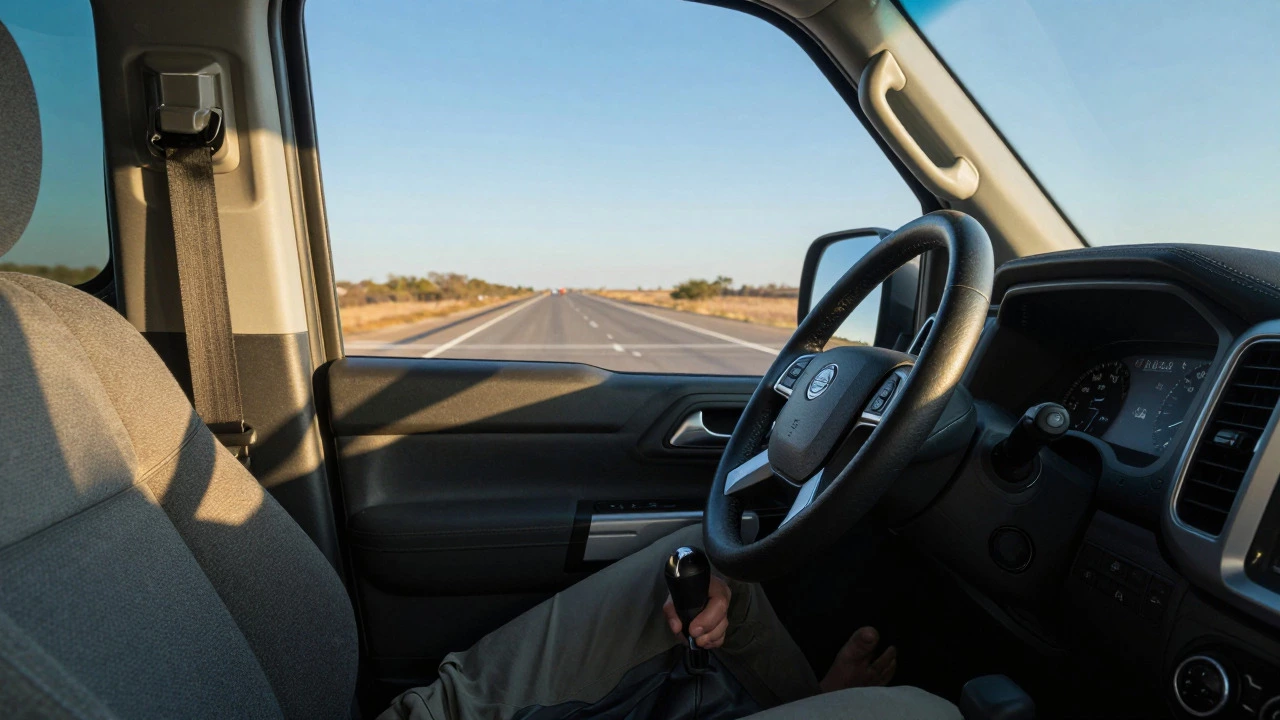
- Crisp Engagement: Press the pedal fully to the floor, shift, then release quickly until the bite point, then let go completely. Avoid lingering in the middle zone.
- Proper Rev Matching: Blipping the throttle before shifting reduces shock load on the drivetrain. While this doesn’t directly save friction material, it prevents shudder and uneven wear.
- Avoid Half-Clutch Stops: Never hold the car on a hill using only the clutch. Use the parking brake or handbrake instead. Holding the half-clutch position generates massive heat in seconds.
Drivers who treat the clutch as an on/off switch rather than a dimmer light often see their kits last twice as long as those who ride the pedal.
2. Vehicle Type and Torque Load
Not all clutches are created equal. A high-torque diesel truck works much harder than a small-displacement gasoline hatchback. Here’s a quick comparison of typical lifespan expectations based on vehicle class:
| Vehicle Type | Typical Mileage Range | Key Factor |
|---|---|---|
| Small Gas Hatchback (e.g., Mazda 3) | 90,000 - 150,000 miles | Low torque, lightweight |
| Mid-Size Sedan (e.g., Honda Civic) | 70,000 - 120,000 miles | High RPM redline, sporty tuning |
| Diesel Pickup Truck | 150,000 - 250,000 miles | Heavy-duty components, lower RPMs |
| Performance Sports Car | 40,000 - 80,000 miles | High power output, aggressive driving |
Notice the diesel trucks? They often outlast gas cars because they operate at lower RPMs under load. Lower RPMs mean less heat generation per mile. If you drive a turbocharged diesel, your odds of hitting 200k are significantly higher than if you drive a naturally aspirated sports sedan.
3. Mechanical Integrity and Maintenance
A clutch doesn’t exist in a vacuum. It interacts with the flywheel, the transmission input shaft, and the engine block. If any of these supporting components are worn, the clutch suffers.
The flywheel is critical. Over time, the friction surface of the flywheel can become glazed or warped. Even if the clutch disc looks okay, a bad flywheel will cause premature failure. Many mechanics recommend resurfacing or replacing the flywheel every time you replace the clutch kit, especially if the original is over 100k miles old.
Also, check for oil leaks. A leaking rear main seal or transmission input shaft seal can drip oil onto the clutch disc. Oil acts as a lubricant, which is the opposite of what a clutch needs. One drop of oil can ruin a brand-new $400 clutch kit within a few thousand miles.
Signs Your Clutch Is Approaching Its Limit
You don’t have to wait for total failure to know your clutch is dying. Pay attention to these warning signs. Catching them early lets you plan for a replacement rather than getting stranded on the highway.
- Rising Stall Point: The RPM at which the car starts moving when releasing the pedal gets higher. If it used to stall at 1,000 RPM and now needs 1,500 RPM, the disc is thinning.
- Slipping Under Load: You step on the gas, RPMs rise, but speed doesn’t increase proportionally. This is classic slipping. It’s dangerous because it generates extreme heat.
- Pedal Feel Changes: The pedal becomes spongy or has a longer throw. This might indicate a worn release bearing or hydraulic issues, but it can also signal internal wear.
- Noise: A grinding or squealing noise when pressing the pedal usually points to a failing release bearing. While the bearing itself isn’t the friction component, a failed bearing can drag against the disc, accelerating wear.
If you notice two or more of these symptoms, start saving up. The cost of a clutch job typically ranges from $600 to $1,200 depending on the labor rates in your area and the complexity of the vehicle. In Hamilton, Canada, labor costs for independent shops are generally lower than dealership rates, but parts prices remain consistent.
Can Aftermarket Parts Extend Life?
Some drivers ask if upgrading to a performance clutch kit helps longevity. The answer is nuanced. Performance clutches are designed for higher horsepower and heavier use. They often use stronger springs and more durable friction materials.However, a stiffer clutch pedal feel and faster engagement can actually lead to more abuse if the driver isn’t accustomed to it. A stock clutch is tuned for comfort and gradual engagement. An aftermarket kit might require more precise inputs. For a daily driver aiming for 200k miles, a high-quality OEM-equivalent part is often better than a race-oriented upgrade. Stick with reputable brands known for durability in street applications rather than pure track performance.

Real-World Scenarios: Who Hits 200k?
Let’s look at two hypothetical drivers to illustrate the difference.
Driver A: Owns a 2015 Mazda 3 Manual. Drives 10,000 miles a year in suburban traffic. Holds the clutch on hills. Frequently idles in traffic with the clutch disengaged. Replaces the clutch at 85,000 miles.
Driver B: Owns a 2018 Ford Ranger Diesel. Drives 15,000 miles a year mostly on highways. Uses the parking brake on inclines. Shifts crisply. Has the flywheel resurfaced at 100,000 miles as preventative maintenance. Still has the original clutch at 180,000 miles.
Driver B’s success isn’t magic. It’s discipline. The diesel engine’s low-RPM torque curve is forgiving, and the careful maintenance prevented hidden issues. Driver A’s habits accelerated wear through heat and improper technique.
FAQ
Is it worth repairing a clutch at 150k miles?
If the car is otherwise healthy and you plan to keep it for another 5+ years, yes. The investment protects your resale value and ensures reliability. If the car has other major issues, consider selling it before paying for a $1,000 repair.
Does driving in traffic kill clutches faster?
Yes, stop-and-go traffic increases the number of engagements per mile. Each stop-start cycle involves a full disengagement and re-engagement. Highway driving is gentler on the clutch because you shift less frequently and carry momentum.
Should I replace the flywheel with the clutch?
It is highly recommended. The flywheel provides the mating surface for the clutch disc. If it is worn or glazed, the new clutch will fail prematurely. Resurfacing or replacing it adds to the upfront cost but extends the life of the new kit significantly.
Can a dual-mass flywheel affect clutch life?
Dual-mass flywheels reduce vibration and improve smoothness, but they are more complex. If they fail, they can be expensive to replace. They don't inherently shorten clutch life, but a failing dual-mass flywheel can cause uneven clutch engagement, leading to premature wear.
What is the average cost of a clutch replacement in Canada?
Parts typically cost between $300 and $600 for a quality kit. Labor varies widely, averaging $400 to $800 for a front-wheel-drive vehicle. Rear-wheel-drive vehicles may take longer due to transmission removal complexity, pushing labor costs higher.