 Jan, 6 2026
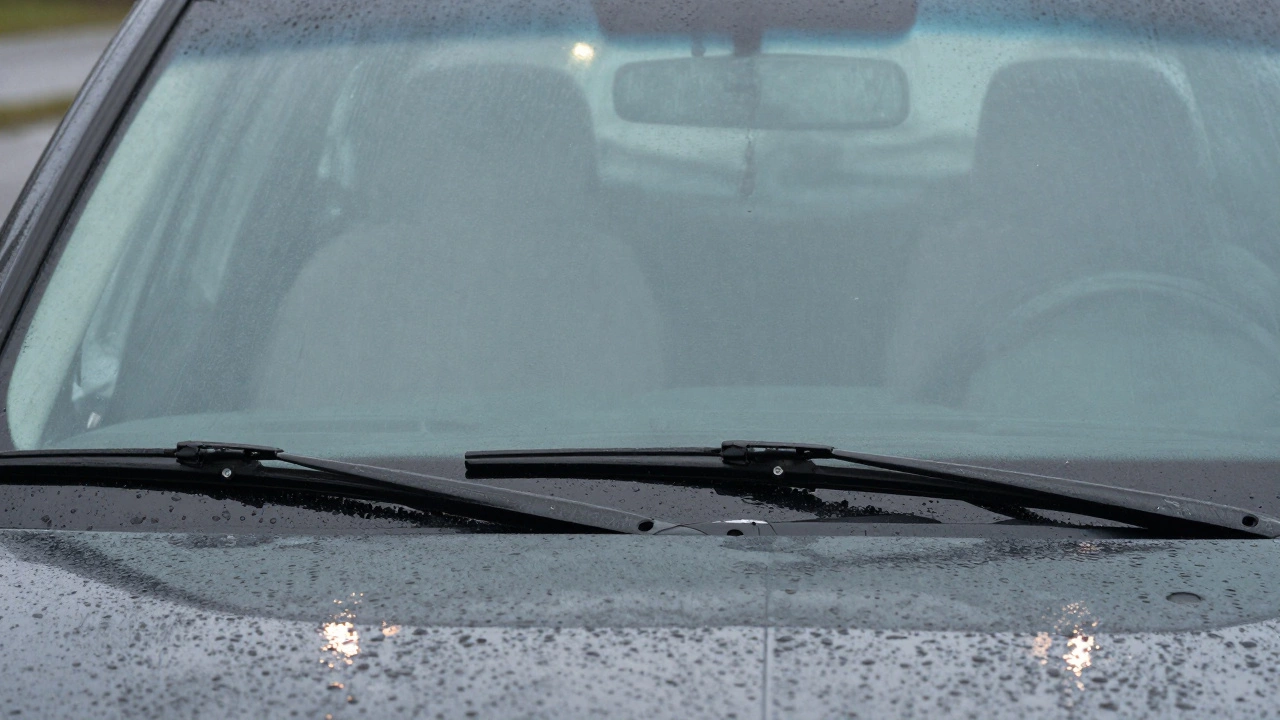
Ever looked at your windshield wipers and thought, ‘My 22-inch blades are worn out-can I just grab a 24-inch pair instead?’ It’s a common question, especially when you’re in a hurry, the store’s out of 22-inch blades, or you saw a cheaper 24-inch set on sale. The short answer? Maybe. But it’s not as simple as swapping sizes. Getting this wrong can damage your windshield, your wiper arms, or even your vision on a rainy day.
Why Wiper Blade Size Matters
Wiper blades aren’t one-size-fits-all. Each car model is designed with specific arm length, pivot points, and arc coverage. The manufacturer picks a blade size-like 22 inches-to match the exact curve of your windshield and ensure full visibility without overlap or gaps. A 24-inch blade is two inches longer. That might not sound like much, but on a windshield, two inches can mean the difference between clear vision and streaks, chatter, or even the blade lifting off the glass.Think of it like shoes. Wearing a size 11 when you need a size 9 doesn’t just feel awkward-it can hurt. Same with wiper blades. Too long, and the blade might bend the wiper arm, scrape the hood, or fold over itself when it swings. Too short, and you get blind spots. Too long? You risk both.
What Happens If You Use a 24-Inch Blade on a 22-Inch Mount
There are three real-world outcomes when you install a 24-inch blade where a 22-inch is required:- The blade overlaps the hood or cowl. Many cars have a raised edge near the base of the windshield. A longer blade can swing down and hit it, especially at high speeds or during sharp turns. This causes loud banging, accelerated wear on the blade rubber, and sometimes scratches on your paint.
- The wiper arm gets bent or stressed. Wiper arms are spring-loaded and calibrated for a specific torque. A heavier or longer blade increases leverage. Over time, this can weaken the arm’s tension, leading to poor contact with the glass. You’ll notice streaking, skipping, or the blade lifting mid-sweep.
- The blade doesn’t fit the mounting connector. Most blades use a hook, pin, or bayonet mount. Even if the length is close, the attachment point might not line up. Forcing it can break the adapter or damage the arm’s connector.
A friend in Hamilton installed 24-inch blades on her 2018 Honda Civic because the 22-inch ones were sold out. Within a week, the passenger-side arm started making a clicking noise. She took it to a shop-the arm was bent. Replacement cost: $85. The blades? $18.
When It Might Work (Rare Cases)
There are exceptions, but they’re few. Some vehicles have a small range of acceptable sizes. For example, a 2020 Toyota Corolla might list 22-inch and 24-inch as both acceptable for the driver’s side. Check your owner’s manual or the sticker inside the driver’s door jamb. Some aftermarket brands like Bosch or Rain-X list compatible sizes on their packaging.If your car’s manual says “22 in. or 24 in.”-then you’re good. But if it says “22 in.” only, then don’t assume 24 will work. That’s not a suggestion-it’s a spec.
Even then, going up one size (22 to 24) is risky. Going up two sizes (20 to 24) is almost always a bad idea. Most cars have a tolerance of ±1 inch at most.
How to Find the Right Size
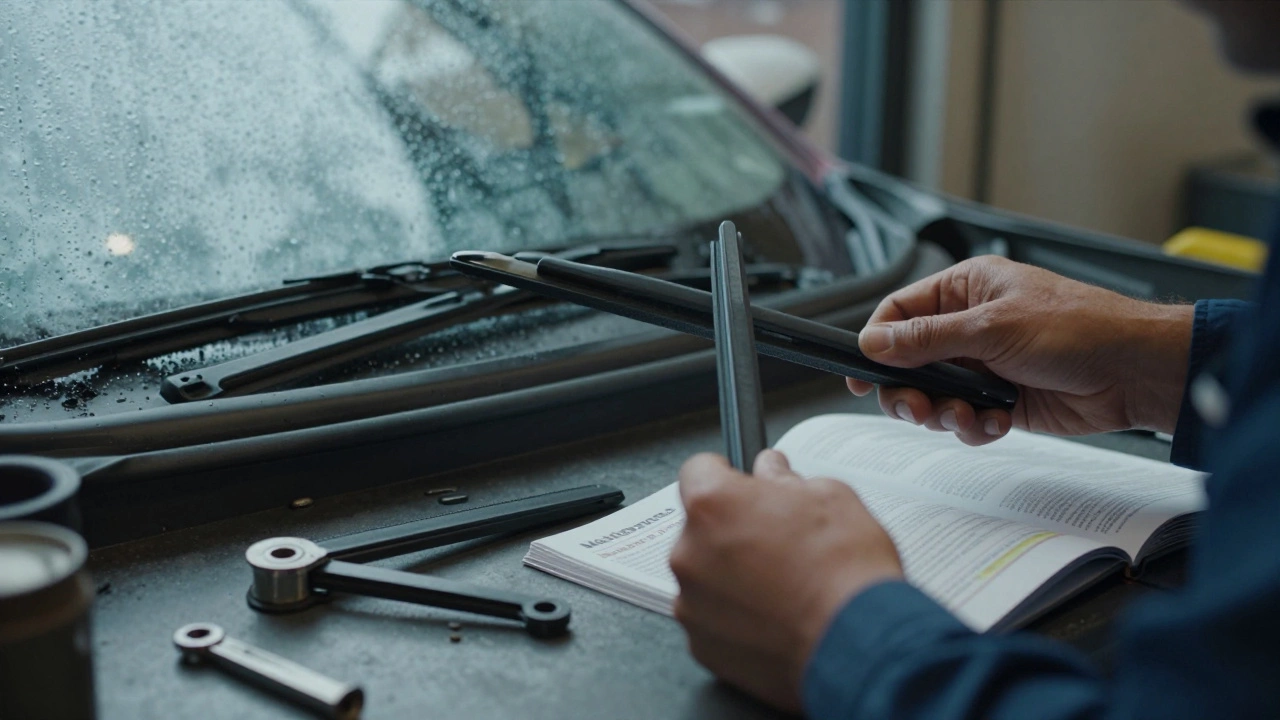
Don’t guess. Don’t wing it. Here’s how to get it right:- Check your owner’s manual. Look in the maintenance section. Most manuals list wiper blade sizes for both front and rear.
- Look at the current blades. Flip the wiper arm up. The blade’s metal frame usually has the size printed on it-like “22” or “22-1/2”.
- Use an online parts lookup tool. Sites like RockAuto, AutoZone, or Advance Auto Parts let you enter your car’s year, make, and model. They’ll show you the exact sizes. Even Amazon’s vehicle selector works.
- Visit an auto parts store. Bring your old blade with you. The staff can match it to the correct replacement.
Pro tip: Wiper blades wear out faster in cold climates. Hamilton winters mean ice, snow, and road salt. Replace blades every 6 to 12 months-not every two years.
What If You Already Installed a 24-Inch Blade?
If you’ve already swapped them in, check for these signs:- Does the blade hit the hood or trim when it swings?
- Do you hear clicking, popping, or scraping noises?
- Are there streaks, skips, or gaps in your wiping pattern?
- Does the arm feel looser or wobbly?
If you answered yes to any of those, remove the 24-inch blades immediately. Don’t wait for damage to spread. Replace them with the correct 22-inch size. Most auto parts stores will let you return unopened blades, even if you opened the package.
What About Hybrid or Universal Blades?
Some brands sell “universal” or “adjustable” blades that claim to fit multiple sizes. These often have extendable arms or multiple mounting options. But here’s the catch: even if they fit physically, they’re not engineered for your car’s specific arc and pressure. They might work temporarily, but they’re not designed for long-term performance. You’ll still get uneven wiping, noise, or premature wear.Stick to blades made for your exact model. It’s not about saving $5-it’s about safety. Your vision matters more than a quick fix.
Bottom Line: Don’t Risk It
You can’t use a 24-inch wiper blade in place of a 22-inch unless your car’s manufacturer says it’s okay. Even then, it’s not ideal. The risks-damaged arms, scratched paint, poor visibility-are real. And they’re not worth the few dollars you might save.Wiper blades are one of the cheapest safety items on your car. But they’re also one of the most critical. A 22-inch blade isn’t just a number-it’s a precision fit. Treat it like that.
Next time you need new blades, take five minutes to check your manual or bring your old ones to the store. It’ll save you time, money, and maybe even an accident on a slick highway.
Can I use a 24-inch wiper blade if my car calls for 22 inches?
Only if your vehicle’s owner’s manual or manufacturer explicitly lists 24 inches as an acceptable size. In most cases, using a 24-inch blade on a 22-inch mounting system will cause damage to the wiper arm, create noise, or reduce visibility. It’s not recommended.
What happens if I install a wiper blade that’s too long?
A blade that’s too long can strike the hood, cowl, or trim, causing noise and paint scratches. It can also overload the wiper arm, leading to bent metal, poor contact with the glass, streaking, or the blade lifting off during use. In extreme cases, it can break the mounting connector.
How do I find the correct wiper blade size for my car?
Check your owner’s manual, look at the size printed on your current blades, use an online parts lookup tool (like AutoZone or RockAuto), or bring your old blade to an auto parts store. These methods give you the exact size your car needs.
Are universal wiper blades safe to use?
Universal blades may fit physically, but they’re not engineered for your car’s specific windshield curve or wiper arm tension. They often cause uneven wiping, noise, and faster wear. For safety and performance, always use blades designed for your exact make and model.
How often should I replace my wiper blades?
Replace wiper blades every 6 to 12 months, especially in cold climates like Hamilton where ice, snow, and road salt accelerate wear. Even if they look fine, rubber degrades over time and loses flexibility, leading to streaks and poor performance.
If you’re unsure about your wiper size, don’t guess. A quick call to your local auto parts store or a quick check online can prevent costly repairs and keep your vision clear in bad weather.