 Jun, 20 2026
Spark Plug Replacement & Cost Calculator
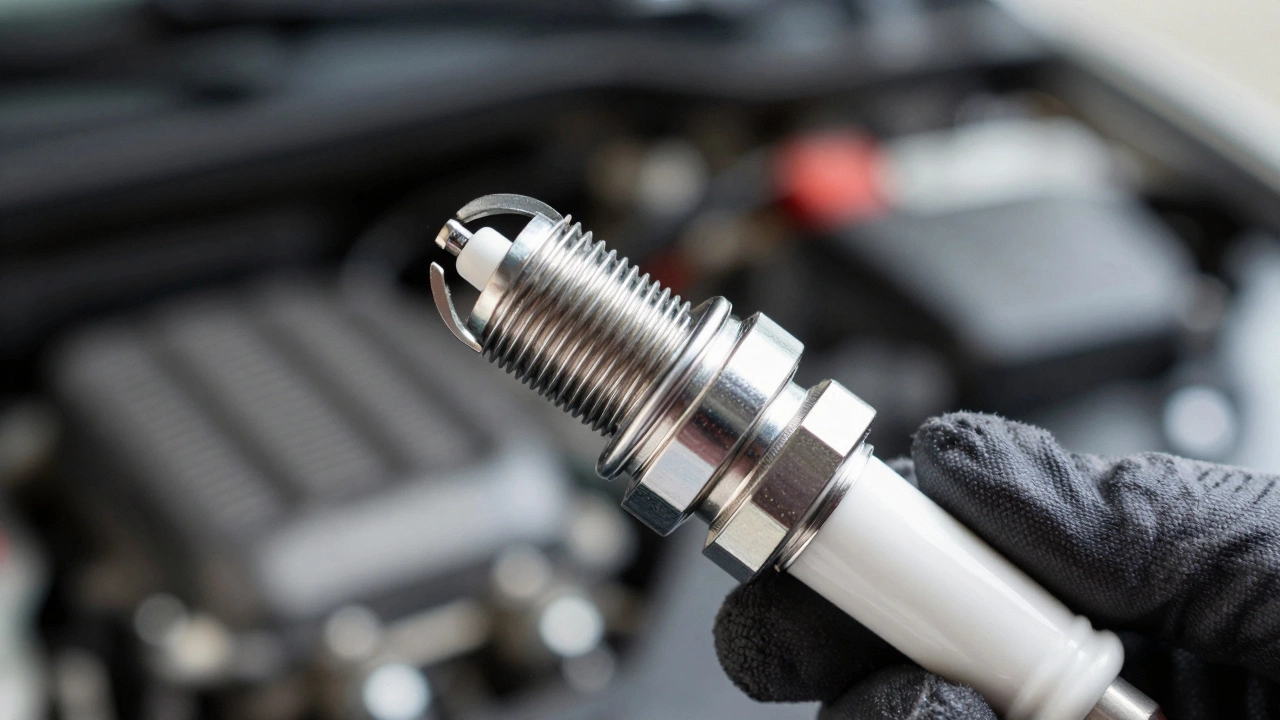
You pop the hood of your car, and everything looks pristine. The oil is fresh, the tires have tread, but there’s a tiny component deep inside the engine that might be silently failing: the spark plug. It is a critical ignition component that creates the electrical spark needed to ignite the air-fuel mixture in an internal combustion engine. You’ve heard the claim that modern plugs can last forever-or at least ten years. Is that true? Or are you risking a stranded breakdown by ignoring this part?
The short answer is yes, but with a massive asterisk. Not all spark plugs are created equal. If you’re driving a vehicle with standard copper plugs from 2015, they are long dead. But if you have an iridium or platinum setup in a 2020s sedan, they might actually hit that decade mark. The reality depends entirely on the material science used in manufacturing and how hard you push your engine.
| Material Type | Average Mileage | Typical Year Span | Best For |
|---|---|---|---|
| Copper | 20,000 - 30,000 miles | 2 - 4 years | Older cars, high-performance tuning |
| Platinum | 60,000 - 100,000 miles | 5 - 8 years | Daily drivers, moderate use |
| Iridium | 100,000 - 120,000+ miles | 8 - 12+ years | Modern direct-injection engines |
| Double Platinum | 90,000 - 120,000 miles | 7 - 10 years | Gasoline direct injection (GDI) |
Why Material Matters More Than Time
Time isn't the enemy of a spark plug; erosion is. Every time your engine fires, a high-voltage arc jumps across a tiny gap between two electrodes. This heat and friction wear down the metal. Copper erodes quickly because it’s soft. That’s why older cars needed plug changes every few thousand miles. Modern manufacturers switched to precious metals like platinum and Pt, which are harder and more heat-resistant, and iridium, which has the highest melting point of any natural element.
An iridium spark plug uses a core wire made of pure iridium, often just 0.6 millimeters thick, tipped with a larger electrode. Because the tip is so small, it concentrates the electrical energy, allowing for a stronger spark with less voltage. This means the engine runs cleaner and the plug lasts longer. However, "longer" doesn’t mean "infinite." Even iridium wears out. After 100,000 miles, the electrode gap widens, the spark weakens, and your fuel economy drops.
The "10-Year" Myth vs. Reality
So, can they last 10 years? Mathematically, yes. If you drive only 10,000 miles a year, your iridium plugs will hit 100,000 miles right around the 10-year mark. But here’s the catch: rubber seals, ignition coils, and carbon buildup don’t care about mileage alone. They care about age.
Consider the ignition coil. This component sends the high voltage to the plug. Over a decade, the insulation on these coils degrades due to heat cycles. Even if your spark plug is perfect, a failing coil will cause misfires. Mechanics often recommend replacing plugs and checking coils together after eight years, regardless of mileage, because the cost of diagnosing a random misfire later is higher than a preventative swap now.
Also, think about your driving habits. Do you mostly cruise on highways? Your plugs will last longer. Do you sit in stop-and-go traffic in Hamilton winters? Cold starts are brutal on ignition systems. Each cold start requires a richer fuel mixture and a stronger spark to ignite the dense, cold air. This accelerates wear on the electrode tips. A car driven exclusively in harsh Canadian winters may see its "10-year" plugs fail by year seven.
Signs Your Spark Plugs Are Dying
You don’t need a mechanic to tell you when your plugs are shot. Your car will talk to you. Here are the specific symptoms to watch for:
- Rough Idling: When you’re stopped at a red light, does the engine shake or feel like it’s about to stall? That’s a classic sign of weak sparks causing incomplete combustion.
- Poor Acceleration: You press the gas, but the car feels sluggish. The engine isn’t firing efficiently, so power delivery is uneven.
- Increased Fuel Consumption: If your MPG drops without a change in driving style, your engine is burning excess fuel to compensate for weak sparks.
- Hard Starting: The crank turns over multiple times before the engine catches. This is especially noticeable in the morning.
- Engine Misfires: You feel a sudden jerk or lurch while driving. This is dangerous as it can damage the catalytic converter if ignored.
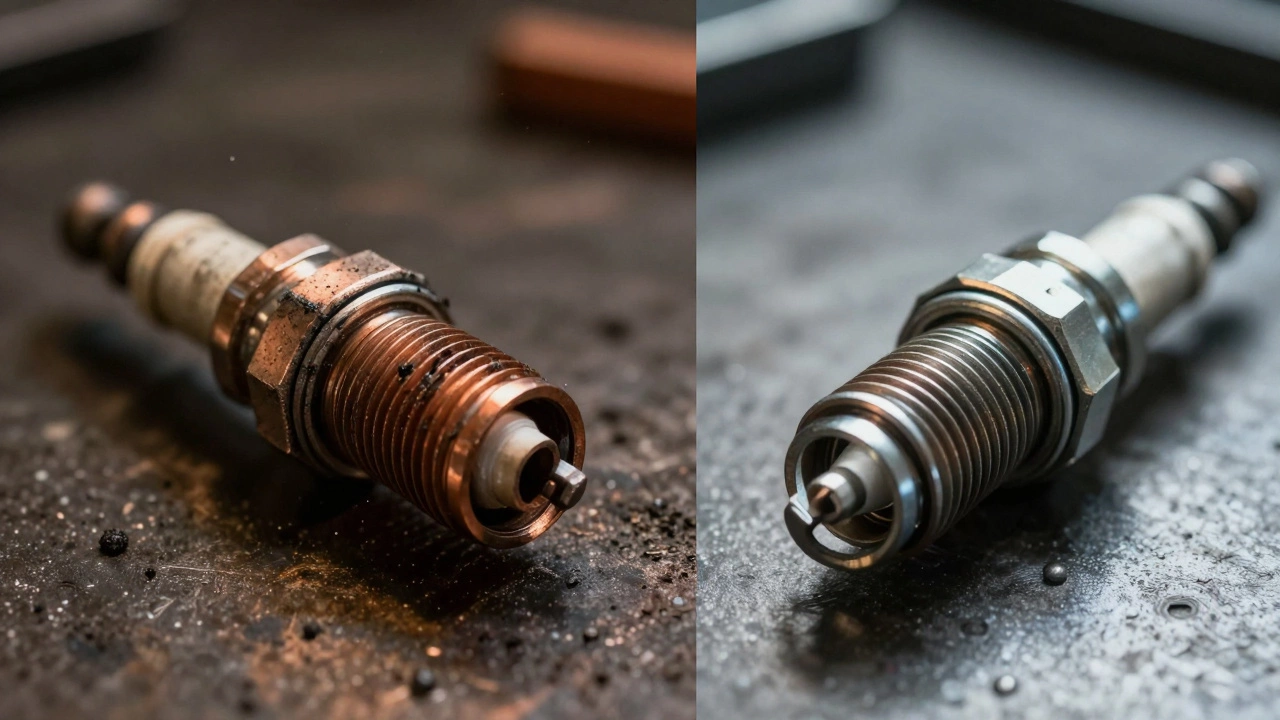
If you notice any of these, check your plugs. Pull one out. Look at the electrode. If it’s worn thin, cracked, or covered in heavy white or black deposits, it’s time for a replacement. A healthy plug should have a light tan or gray color on the insulator nose.
Direct Injection Engines Change the Game
Newer vehicles, particularly those built after 2015, often use Gasoline Direct Injection (GDI). In these engines, fuel is sprayed directly into the cylinder rather than the intake manifold. This improves efficiency but creates a unique problem: carbon fouling.
Because there’s no fuel washing over the back of the intake valves, carbon builds up faster. While this doesn’t directly eat the spark plug electrode, the hotter running temperatures of GDI engines can accelerate wear on the plug’s ceramic insulator. Manufacturers of GDI engines, like Ford, GM, and Toyota, almost universally specify iridium or double-platinum plugs for this reason. They resist the heat and the chemical environment better than traditional options.
If you own a GDI vehicle, do not assume you can skip maintenance. These engines are precise. Using cheap copper plugs in a GDI engine is a recipe for disaster. The engine control unit (ECU) will detect the inefficient burn and may trigger limp mode to protect the engine.
Cost-Benefit Analysis: Wait or Swap?
Let’s talk money. A set of four iridium spark plugs costs between $40 and $80. Labor varies, but if you DIY, it’s just your time. If you pay a shop, expect $100 to $200 total. Now, compare that to the cost of a missed tune-up. Poorly performing plugs reduce fuel economy by up to 30%. On a tank of gas, that’s maybe $5 wasted. Over a year, that’s $200. Plus, the risk of damaging the catalytic converter-a part that costs $1,000+ to replace-due to unburned fuel dumping into the exhaust.
The math is clear. Replacing plugs every 100,000 miles or 10 years, whichever comes first, is a bargain. It keeps your engine running smooth, saves fuel, and prevents catastrophic downstream damage. Don’t wait for the check engine light. By then, you’ve already been wasting gas and stressing the engine for months.
While we're talking about maintaining things that run smoothly and discreetly behind the scenes, some people look for services that offer similar reliability and privacy in other areas of life, such as verified companion directories found at this resource, though obviously, automotive maintenance remains far more critical for your daily commute.
How to Extend Spark Plug Life
You can’t stop physics, but you can slow it down. Here are practical steps to maximize the life of your ignition system:
- Use High-Quality Fuel: Premium fuel often contains detergents that keep injectors and combustion chambers clean. Cleaner chambers mean less carbon buildup on plugs.
- Keep Air Filters Clean: A clogged air filter forces the engine to work harder, creating a richer fuel mixture that can foul plugs. Replace your air filter every 15,000-30,000 miles.
- Address Oil Leaks Immediately: If oil burns into the combustion chamber, it coats the plugs in sludge. This kills them instantly. Fix valve stem seals and piston rings promptly.
- Avoid Short Trips: Frequent short trips prevent the engine from reaching optimal operating temperature. This leads to condensation and fuel wash-down, accelerating corrosion on the plug threads and electrodes.
When to Consult a Professional
Some cars make spark plug replacement a nightmare. BMWs, Audis, and certain Mercedes models require removing intake manifolds or even parts of the cylinder head to access the rear plugs. This isn’t a weekend garage job for most people. In these cases, professional service is worth the cost. They have the specialized tools and torque wrenches to ensure the new plugs are seated correctly. Overtightening a plug can crack the ceramic insulator; undertightening can cause it to overheat and melt.
Always follow the manufacturer’s torque specifications. For most modern cars, this is between 8 and 10 foot-pounds. Use a torque wrench. Guessing with a ratchet is how engines get damaged.
Can I just ignore the spark plugs until the check engine light comes on?
No. The check engine light usually indicates a significant misfire. By then, you've likely been losing fuel efficiency and potentially damaging your catalytic converter for weeks or months. Preventative replacement is cheaper and safer.
Are iridium spark plugs worth the extra cost?
Yes, for most modern vehicles. They last twice as long as platinum plugs and provide a more consistent spark, leading to better fuel economy and smoother idling. The upfront cost is offset by the reduced frequency of replacement.
What happens if I put the wrong spark plugs in my car?
Using plugs with the wrong heat range or gap can cause pre-ignition (knocking), which can destroy pistons. It can also lead to poor performance, increased emissions, and engine stalling. Always use the OEM-specified type.
Do hybrid cars need spark plug changes?
Yes. Hybrids still have internal combustion engines. In fact, because the engine shuts off frequently, it undergoes more cold starts per mile, which can accelerate wear. Follow the manufacturer's interval strictly.
How do I know if my spark plugs are fouled?
Pull the plugs and inspect them. Black, sooty deposits indicate a rich fuel mixture or oil leakage. White, chalky deposits suggest overheating or lean mixture. Normal wear shows a light tan color with slight electrode erosion.