 Aug, 14 2026
Windscreen Wiper Safety & Readiness Checker
Current Weather
Select the current conditions outside your windshield.
Wiper Status
How are your windscreen wipers performing right now?
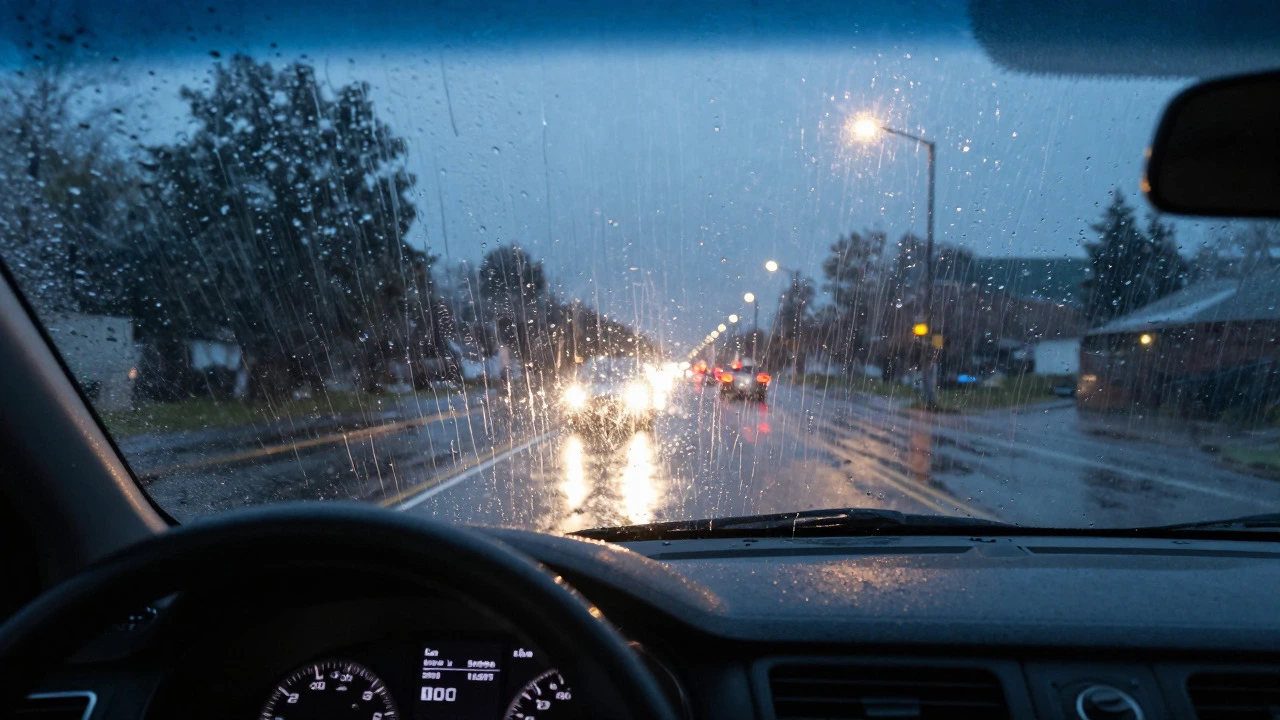
You’re stuck in a sudden downpour. Your windshield wipers are dead, frozen, or just missing entirely. The rain is hammering the glass, turning your view into a blurry mess. Do you pull over and wait for the storm to pass, or do you risk it and drive home? It’s a question that pops up more often than you’d think, especially here in Hamilton where our weather can swing from sunny to soaking wet in minutes.
The short answer is: technically, yes, you *can* physically move the car. But legally and safely? It’s a much bigger deal. Driving without functional windscreen wipers is often illegal if visibility is impaired, and it’s one of the fastest ways to turn a minor inconvenience into a major accident.
The Legal Side: Is It Actually Illegal?
Most people assume that as long as they have headlights and brakes, they’re good to go. But traffic laws care deeply about visibility. In Ontario, under the Highway Traffic Act, you must maintain a clear view of the road. If your wipers aren’t working and the rain, snow, or spray makes it hard to see, you can be cited for "careless driving" or operating an unsafe vehicle.
It’s not just about having the rubber blades. If the motor is burnt out, the linkage is broken, or the fluid reservoir is empty, you’re still in trouble. Police officers don’t need to prove you crashed; they just need to see that your ability to see was compromised. A ticket for careless driving can mean demerit points, higher insurance premiums, and even license suspension if it leads to an incident.
In many jurisdictions, including Canada and most US states, vehicles undergo safety inspections (like the ZRVIP in Ontario). A car with non-functional wipers will fail this inspection instantly. So, while you might get away with it for a block on a dry day, you’re walking a legal tightrope the moment moisture hits the glass.
Safety First: Why Visibility Is Non-Negotiable
Let’s put the law aside for a second and talk about survival. Windscreen wipers aren’t just a convenience; they are a primary safety system. When water coats your windshield, it creates a film that scatters light. Headlights from oncoming cars become blinding stars. Road markings disappear. Pedestrians blend into the background.
Without wipers, your reaction time slows down significantly. Studies show that poor visibility increases stopping distances because you spot hazards later. Imagine trying to brake for a child running into the street when your view is obscured by rain streaks. That split-second delay is all it takes for a near-miss to become a tragedy.
Then there’s the issue of hydroplaning. While wipers don’t stop tires from losing grip, they help you see the conditions changing. If you can’t see the road surface clearly, you won’t know if you’re approaching standing water until it’s too late. Clear vision allows you to adjust speed and steering before traction is lost.
Emergency Workarounds: What To Do If They Fail
So, what happens if your wipers die mid-drive? Panic isn’t helpful. Here’s how to handle it like a pro:
- Pull Over Immediately: Find a safe spot off the road. Turn on your hazard lights. Waiting out a heavy rainstorm is always better than risking a collision.
- Use Defrost/Defog: If the issue is fogging inside the windshield rather than rain outside, switch your AC to defrost mode. Dry air helps clear interior condensation quickly.
- Manual Cleaning: In a pinch, some drivers use a cloth or paper towel to manually wipe the glass. This is dangerous at speed but might work at very low speeds (under 10 km/h) in light drizzle. Keep one hand on the wheel!
- Check Fuses: Sometimes, wipers fail due to a blown fuse. If you’re mechanically inclined and safe to do so, check your fuse box. Replacing a fuse costs pennies and can save your trip.
Avoid driving with windows cracked open to "see better." This introduces wind noise, reduces cabin pressure stability, and can actually make visibility worse due to turbulence and splashing water.
Common Reasons Wipers Fail (And How to Fix Them)
Before you resign yourself to buying new parts, diagnose the problem. Most wiper issues fall into three categories:
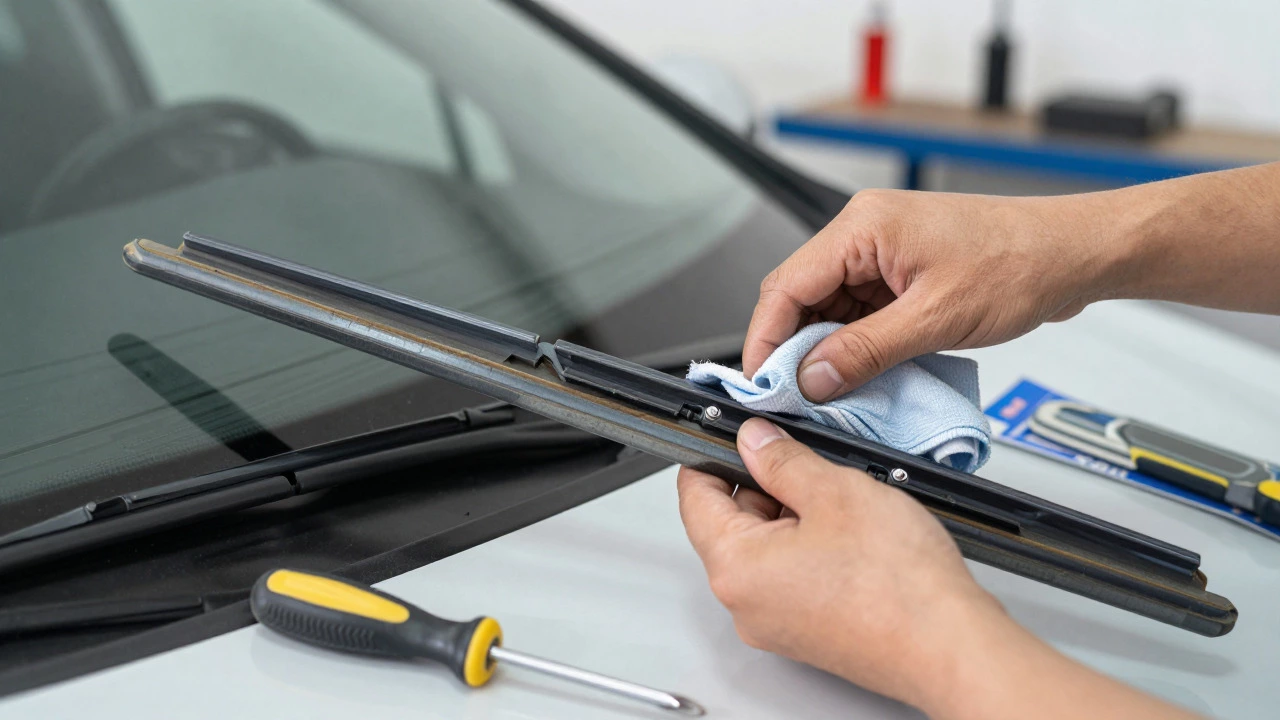
- Dry or Cracked Blades: Rubber degrades over time. If you hear squeaking or see streaks, the blades are worn. Replace them every 6-12 months. Cheap blades often leave residues that worsen visibility.
- Electrical Issues: If the wipers don’t move at all, check the fuse first. If the fuse is fine, the motor or switch might be faulty. This usually requires a mechanic or auto electrician.
- Mechanical Linkage: If the arm moves but the blade doesn’t, the plastic clip connecting them may have snapped. This is a common failure point in older vehicles. Replacement clips are inexpensive and easy to install.
Don’t ignore small problems. A slightly worn blade today becomes a completely opaque smear tomorrow.
Comparison: Blade Types and Performance
| Blade Type | Durability | Performance in Snow | Cost | Best For |
|---|---|---|---|---|
| Conventional (Bone) | Low | Poor (snow buildup) | Low | Budget-conscious drivers, warm climates |
| Beam (Hybrid) | High | Excellent | Medium-High | All-season performance, curved windshields |
| Chassis-Free | Very High | Good | High | Premium vehicles, long-term reliability |
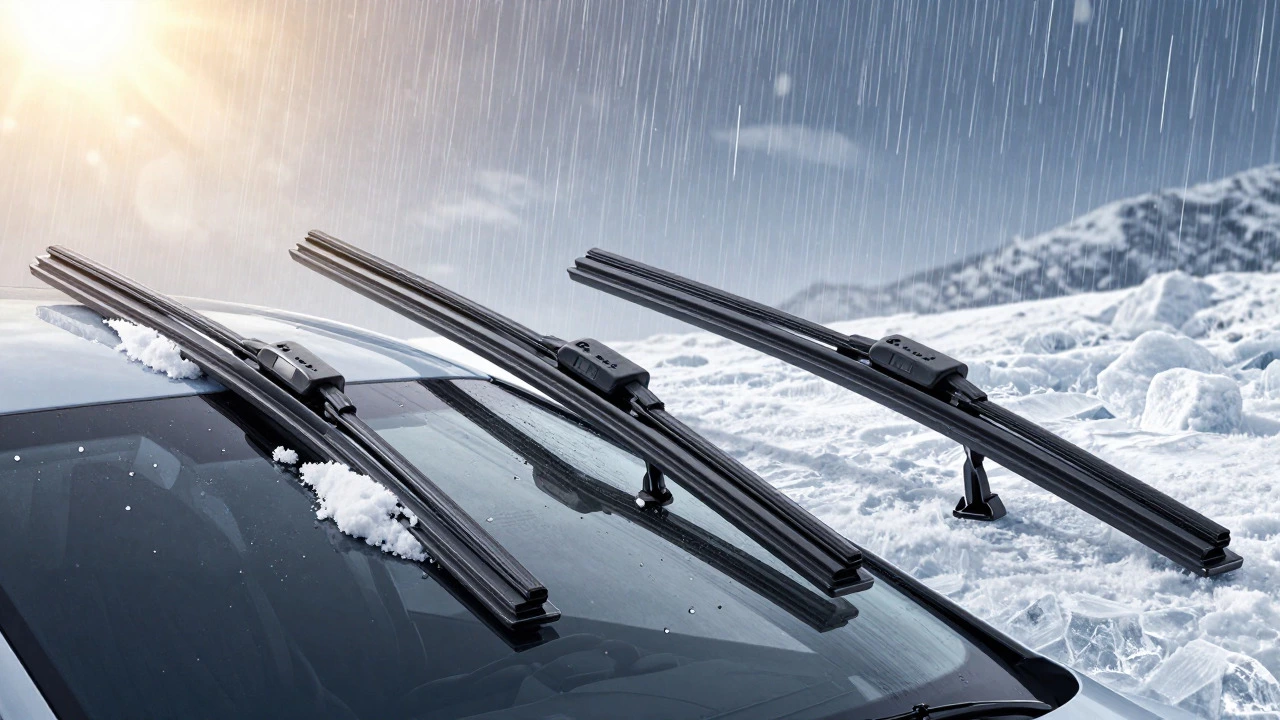
For Hamilton winters, beam blades are highly recommended. Their aerodynamic design prevents ice from building up underneath, ensuring consistent contact with the glass even in freezing rain.
Pro Tips for Maintaining Clear Vision
Prevention is cheaper than repair. Here’s how to keep your wipers ready for any weather:
- Lift Blades in Winter: Before a snowstorm, lift your wiper arms off the glass. This prevents them from freezing to the windshield, which can tear the rubber or burn out the motor when you try to turn them on.
- Clean Blades Regularly: Use a damp cloth to wipe debris, tree sap, and bird droppings off the rubber edge. Dirty blades scratch the glass and reduce effectiveness.
- Top Up Washer Fluid: Use winter-grade fluid that won’t freeze. Empty reservoirs mean you can’t clean bugs or dirt, leading to permanent streaks.
- Inspect Monthly: Check for cracks, splits, or stiffness in the rubber. If it feels hard, replace it immediately.
Also, consider applying a hydrophobic coating to your windshield. Products like Rain-X repel water, allowing it to bead up and fly off at speed. This reduces the workload on your wipers and improves visibility during light rain.
When to Call a Professional
If replacing fuses and blades doesn’t fix the issue, it’s likely an electrical or mechanical fault within the wiper transmission or motor. These components are located behind the dashboard or cowl panel, making DIY repairs difficult for non-experts.
A professional auto technician can diagnose intermittent failures-like wipers that only work on high speed-and replace defective switches or motors. Don’t delay this repair. A broken wiper system is a ticking time bomb for your safety and legal standing.
Is it illegal to drive without wipers in Ontario?
Yes, if visibility is impaired. Under the Highway Traffic Act, you must maintain a clear view. Police can charge you with careless driving or operating an unsafe vehicle if wipers are non-functional during rain or snow.
How often should I replace my windscreen wipers?
Every 6 to 12 months. Look for streaking, squeaking, or visible cracks in the rubber. Harsh weather conditions may require more frequent replacement.
What should I do if my wipers freeze to the windshield?
Do not turn them on. Manually lift the arms gently after thawing the area with warm water or a de-icer spray. Turning them on while frozen can burn out the motor or rip the rubber.
Can I use regular water in my washer fluid reservoir in winter?
No. Regular water will freeze, potentially cracking the reservoir or lines. Always use winter-grade washer fluid rated for temperatures below -20°C in Canadian winters.
Why do my wipers leave streaks on the glass?
Streaks are usually caused by worn rubber blades, dried-on contaminants (like bug guts or tree sap), or a dirty windshield. Clean both the glass and the blade edges thoroughly before considering replacement.