 Nov, 20 2026
AC Filter Risk Estimator
Select how long you have been running your AC without a filter to see the immediate impact, long-term risks, and estimated repair costs.
Expert Recommendation
Running your AC for a few hours without a filter is generally acceptable if you are replacing it immediately. Ensure the slot is empty only for the minimum time necessary.
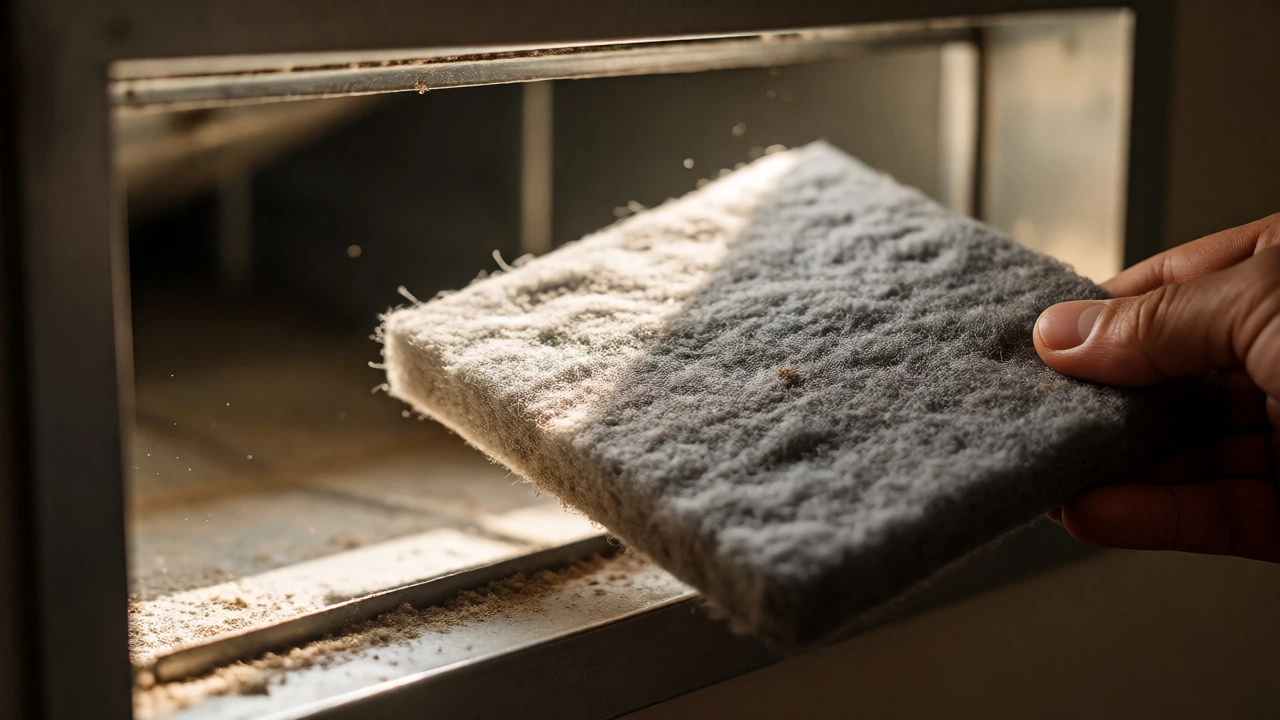
You pull the old, gray, fuzzy rectangle out of your return vent, toss it in the trash, and stare at the empty slot. The house is hot. It’s November 2026, but maybe you’re dealing with a stubborn heat pump or just want to get ahead on summer prep. Your first instinct might be to leave that slot empty until you can make a run to the hardware store tomorrow. Is it really that big of a deal to run your Air Conditioning System without a filter for a few hours or even a couple of days?
The short answer is: technically, yes, the machine will blow air. But practically? You are inviting expensive trouble into your home. Think of the filter not as a luxury add-on, but as the lungs of your HVAC unit. Without it, you aren't just skipping a step; you're exposing sensitive internal components to a barrage of dust, pet dander, and debris that can choke your system from the inside out.
What Actually Happens Inside the Unit
When you remove the filter, you break the primary barrier between your living space and the mechanical heart of your cooling system. In a standard central air setup, the blower fan pulls air through the return ducts, passes it over the cold evaporator coil, and pushes it back into your rooms. Normally, the filter catches particulate matter before this process begins.
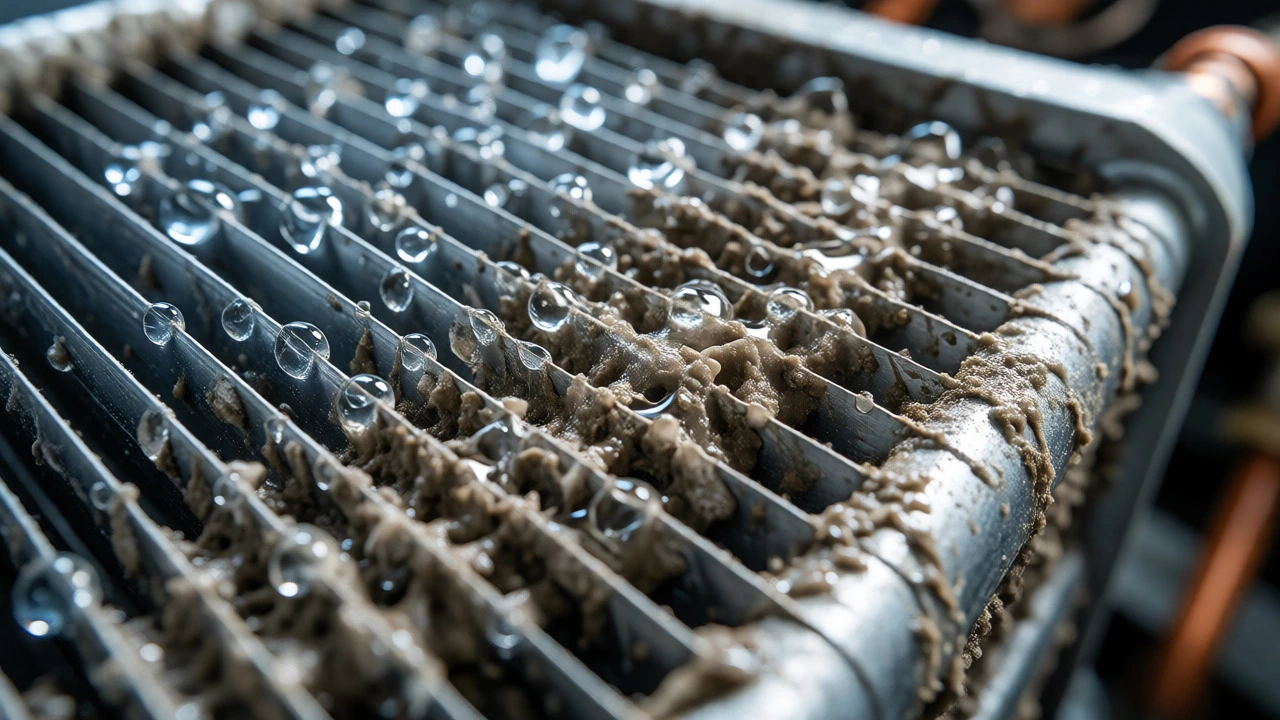
Without that mesh barrier, all those particles have a direct highway to the Evaporator Coil. This component is essentially a radiator filled with refrigerant, designed to absorb heat from the air. When dust hits these fins, it doesn't just sit there lightly. It sticks. Why? Because the coil gets cold, often below the dew point, causing condensation to form. Dust mixes with this water to create a thick, muddy sludge. This sludge acts as insulation, preventing the coil from absorbing heat efficiently.
You might think, "I'll just clean it later." But here is the catch: cleaning a heavily coated evaporator coil is not a DIY job for most people. It requires professional-grade foaming cleaners and careful handling to avoid bending the delicate aluminum fins. If you let that dirt build up for weeks, you are looking at a service call that costs significantly more than the $15 you saved by not buying a new filter.
The Ripple Effect on Efficiency and Costs
Dirt isn't just messy; it's expensive. The U.S. Department of Energy notes that dirty air filters can increase energy consumption by up to 15%. Imagine running your AC without a filter for a month during a heatwave. That sludge on the coil means the system has to work harder and longer to reach your desired temperature. The compressor, which is the engine of your AC, runs hotter and cycles less frequently, leading to premature wear.
There is also the issue of airflow restriction. As debris accumulates on the blower wheel-the fan that moves the air-it becomes unbalanced. A balanced blower wheel spins smoothly. An unbalanced one vibrates. These vibrations can loosen electrical connections, crack solder joints on copper lines, and cause noise pollution in your utility room. Eventually, the motor bearings may fail due to the extra strain of moving heavy, dust-laden blades through restricted air paths.
| Timeframe | Immediate Impact | Long-Term Risk | Estimated Cost of Repair |
|---|---|---|---|
| 1-3 Days | Minor dust accumulation on blower wheel. | Negligible if cleaned promptly. | $0 (DIY Cleaning) |
| 1-2 Weeks | Dust reaches evaporator coil; slight efficiency drop. | Coil fouling begins; higher electricity bills. | $50-$100 (Professional Coil Cleaning) |
| 1 Month+ | Significant airflow restriction; ice formation possible. | Compressor strain; potential mold growth in drain pan. | $300+ (Deep Clean & Tune-up) |
| Season Long | System overheating; frequent shutdowns. | Blower motor failure or compressor burnout. | $1,500 - $3,000 (Component Replacement) |
Why Indoor Air Quality Takes a Hit Too
We often talk about the machine, but what about you? The HEPA Filter or standard MERV-rated filter is the only thing standing between your family and airborne allergens. Without it, pollen, pet hair, and microscopic mold spores circulate freely throughout your home.
If anyone in your household suffers from asthma or seasonal allergies, running the AC without a filter is like opening the windows during a pollen storm. You might notice a musty smell developing after a few days. This odor usually comes from organic material-like skin cells and dust mites-accumulating in the damp environment of the evaporator coil and the condensate drain pan. Once bacteria start feasting on this grime, the smell permeates the entire house, requiring harsh chemical treatments to eliminate.
Can You Just Clean It Instead?
Some homeowners ask, "If I vacuum the blower wheel and wipe down the vents, do I still need a filter?" The answer is no. Vacuuming addresses surface dust, but it cannot stop fine particulate matter from entering the system continuously. Every time the fan kicks on, it sucks in whatever is floating in the air. A filter provides continuous protection; cleaning is merely a remedial action after the damage has already occurred.
Furthermore, modern HVAC systems are tighter and more efficient than units from twenty years ago. They rely on precise airflow rates to maintain pressure balances. Even a small amount of internal debris can disrupt this balance, causing the system to short-cycle (turn on and off rapidly), which is terrible for the lifespan of the capacitor and contactor relays.
Emergency Scenarios: What to Do If You’re Stuck
Sometimes, life happens. Maybe your furnace filter broke mid-season, or you moved into a new place and realized the previous owner never installed one. If you absolutely must run the system without a proper filter, follow these mitigation steps to minimize damage:
- Limit Runtime: Only run the AC when absolutely necessary. Avoid leaving it on "Auto" if you know the house is dusty.
- Check the Blower Wheel: Turn off the power, open the access panel, and inspect the fan blades. If they look fuzzy, shut the system down immediately.
- Use a Temporary Barrier: In a pinch, some technicians suggest placing a loosely woven cloth or a high-MERV filter cut to size over the intake grille, though this restricts airflow slightly. Monitor for icing on the copper line set outside.
- Schedule Professional Maintenance: As soon as you install a new filter, book a technician to inspect the coil condition. Ask them to check for early signs of corrosion or buildup.

Choosing the Right Filter for Your System
Once you replace the missing piece, don't just grab the cheapest option. Filters are rated by MERV Rating (Minimum Efficiency Reporting Value), which indicates how well the filter captures particles. Higher numbers mean better filtration but potentially more resistance to airflow.
For most residential systems, a MERV 8 to MERV 11 filter offers the best balance. It catches common allergens and dust without forcing your blower motor to work too hard. Going up to MERV 13 is great for allergy sufferers, but you must ensure your specific HVAC model supports the increased static pressure. Check your owner's manual or consult with a local HVAC pro before installing high-efficiency pleated filters in older systems.
Frequently Asked Questions
How long can I safely run my AC without a filter?
Ideally, zero days. However, if you are replacing a filter, running it for 1-2 hours while you shop is generally acceptable. Beyond 24-48 hours, dust begins accumulating on the blower wheel and evaporator coil, reducing efficiency and increasing the risk of mechanical issues. Always try to keep the downtime under one day.
Will running the AC without a filter void my warranty?
Potentially, yes. Many manufacturers require proof of regular maintenance, including filter changes, to honor warranties on major components like the compressor. If a technician finds heavy dirt buildup consistent with lack of filtration, they may deny a warranty claim, arguing that neglect caused the failure rather than a manufacturing defect.
Does the type of filter matter if I forgot to put one in?
The immediate damage from running without any filter is similar regardless of what you plan to install next. However, once you do install a replacement, using a filter with too high a MERV rating for your system can cause airflow issues. Stick to the manufacturer's recommended MERV range to ensure optimal performance after the emergency period ends.
How do I know if my evaporator coil is dirty?
Common signs include reduced cooling capacity, longer run times, visible frost or ice on the indoor coil or refrigerant lines, and a musty odor when the system starts. If you suspect coil fouling, turn off the AC and have a professional inspect it. Attempting to clean a severely clogged coil yourself can bend the fins, worsening the problem.
Can I use a window screen as a temporary filter?
While a window screen can block large debris like leaves or pet hair, it does not capture fine dust or allergens. It also creates significant airflow resistance if not fitted perfectly. It is a poor substitute for a dedicated HVAC filter and should only be used in extreme emergencies for very short periods.