 Apr, 10 2026
Car Radiator Replacement Cost Estimator
Quick Breakdown of Costs
Before we get into the weeds, here is the fast version. If you're looking for a ballpark figure to budget for today, most shops will charge between $150 and $600 for the part itself, and another $150 to $400 for labor.- Budget/Older Cars: $300 - $500 (Aftermarket parts, simple installation).
- Average Sedans/SUVs: $500 - $800 (Mix of OEM and quality aftermarket).
- Luxury/Heavy Duty Trucks: $900 - $1,500+ (Complex cooling loops, expensive OEM units).
Breaking Down the Parts: OEM vs. Aftermarket
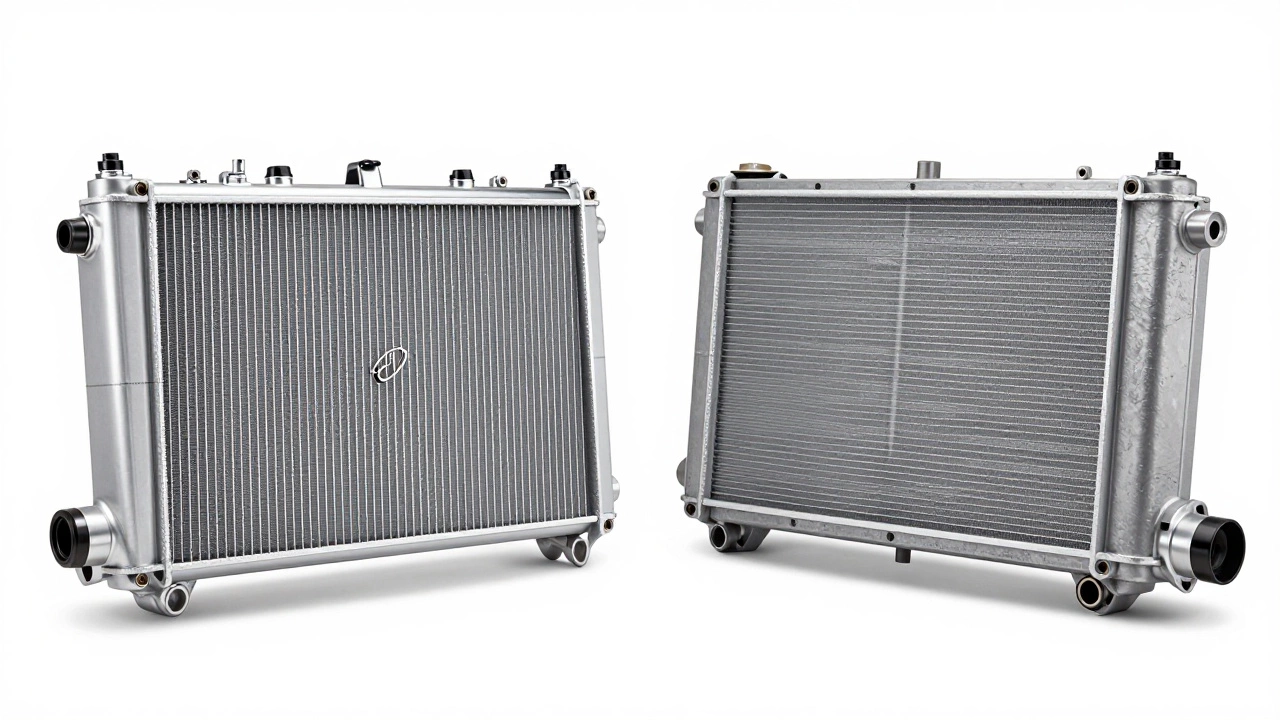
When you call a shop, they'll likely ask if you want the "dealer part" or the "generic part." This is where your budget can either shrink or explode.An OEM Radiator is Original Equipment Manufacturer part made by the vehicle's own brand . These are guaranteed to fit perfectly and usually come with a better warranty. However, you pay a premium for the logo. On the other hand, an Aftermarket Radiator is a part made by a third-party company designed to fit various car models . While often much cheaper, some cheap versions use thinner aluminum that can crack under high pressure after a year of hard driving.
| Feature | OEM Part | Aftermarket (Premium) | Aftermarket (Budget) |
|---|---|---|---|
| Price Range | $400 - $900 | $200 - $450 | $100 - $250 |
| Fitment | Perfect | Very High | Variable |
| Longevity | High | Medium-High | Low-Medium |
| Warranty | Manufacturer Backed | Varies by Brand | Short/Limited |
The Labor Side of the Bill
You can't just swap a radiator like you change a windshield wiper. It's a messy, precise job. A mechanic has to drain the old fluid, remove the grill or bumper in some cars, disconnect the transmission cooler lines, and carefully slide the new unit into place. Labor is usually billed by the hour. In 2026, shop rates vary wildly based on where you live. A local independent shop might charge $80 to $120 per hour, while a certified dealership in a big city could easily hit $180 to $250 per hour. Since a standard replacement takes about 2 to 4 hours of work, that adds a significant chunk to your total. Keep in mind that labor isn't just about the physical swap. A good tech will check your Thermostat is a valve that controls the flow of coolant based on engine temperature . If your radiator failed because the thermostat stuck closed, putting in a new radiator without fixing the thermostat is like putting a new window in a house while the front door is welded shut-it won't solve the heat problem.Hidden Costs and Essential Extras
If you see a quote for only the radiator and labor, ask about the consumables. You aren't just paying for metal and time; you're paying for chemistry.- Engine Coolant: You'll need 2 to 4 gallons of new coolant. Depending on whether your car requires OAT (Organic Acid Technology) or traditional IAT coolant, this could cost $30 to $80. Using the wrong coolant can actually corrode your new radiator from the inside out.
- Coolant Hoses: If your radiator is old and leaking, there is a high chance your rubber hoses are brittle. Replacing a $20 hose now prevents a $500 tow later when a hose bursts on the highway.
- Radiator Cap: This is a pressurized seal. If the cap is faulty, the system can't maintain the correct pressure, leading to premature boiling. A new cap is cheap ($15 - $30) and almost always recommended during a swap.
- System Flush: If your old radiator leaked because of sludge or rust, the rest of your engine block is likely dirty. A professional flush uses a cleaning agent to scrub the internal veins of the engine before adding new fluid.
When is a Repair Better Than a Replacement?
Not every leak requires a whole new unit. If you have a pinhole leak in a plastic tank or a small puncture in the aluminum fins, a Cold Weld or specialized epoxy might buy you some time. However, this is a gamble. Modern radiators are under immense pressure. A "patch job" often fails within a few weeks of heavy use. If the leak is at the seam where the plastic end-tank meets the aluminum core, don't even bother with a patch. Those seams are designed to be airtight and heat-resistant; once they go, the structural integrity is gone. You're better off spending the money on a new unit than risking a warped cylinder head from overheating-a repair that can cost $2,000 or more.
DIY vs. Professional Installation
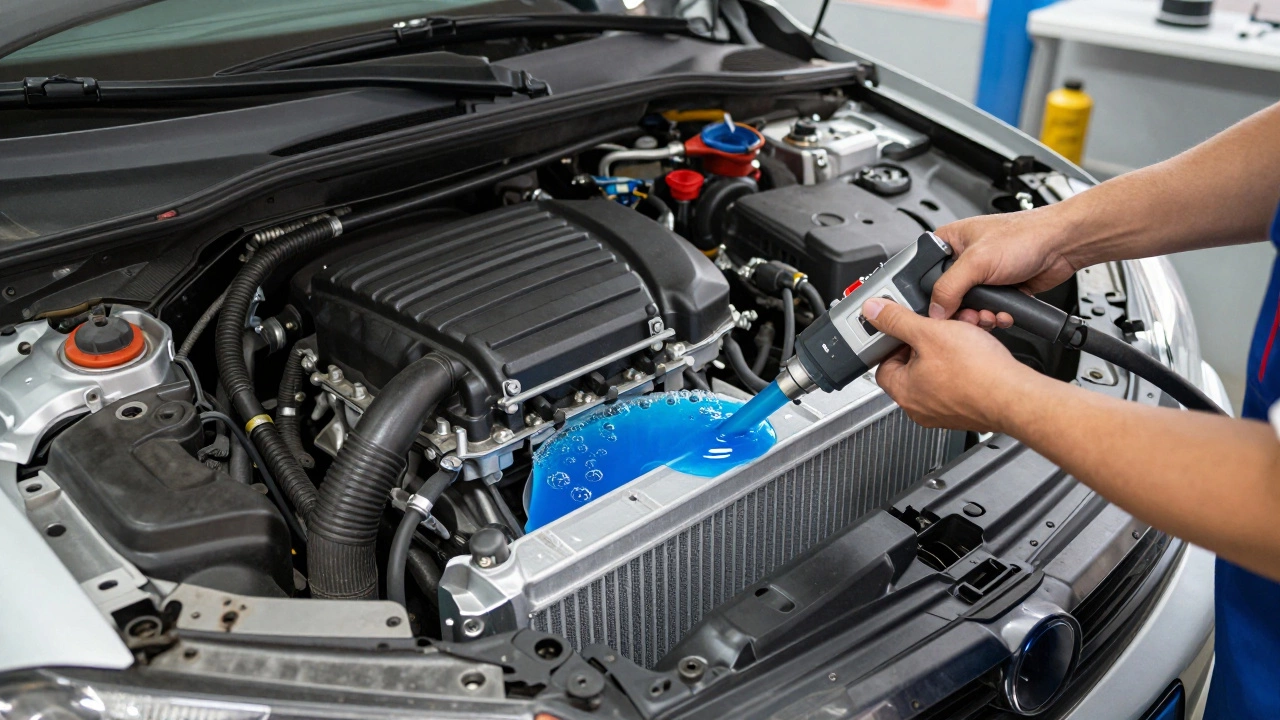
Can you do this in your driveway? Yes, if you have the tools and the patience. For a DIYer, the radiator replacement cost drops significantly because you're removing the $200 - $400 labor fee. However, there are risks. If you don't properly "burp" the system-which means removing air bubbles from the cooling lines-you can create an air lock. This prevents coolant from reaching the engine, causing it to overheat even with a brand-new radiator. Professionals use vacuum fillers to ensure no air is left in the system. If you go the DIY route, make sure you have a spill-free funnel and a way to safely dispose of the old toxic coolant at a local recycling center.How long does it take to replace a car radiator?
For most standard vehicles, a professional replacement takes between 2 and 4 hours. This includes draining the system, removing the old unit, installing the new one, and filling it with fresh coolant. Complex luxury cars with integrated sensors or heavy-duty trucks may take longer.
Can I use water instead of coolant if I'm on a budget?
Only in an absolute emergency. Distilled water can get you to a shop, but it lacks the boiling point elevation and corrosion inhibitors found in real coolant. Using water long-term will cause your new radiator to rust internally and can lead to engine freezing in winter.
Why is my radiator leaking after it was just replaced?
This is usually due to one of three things: a loose hose clamp, a faulty radiator cap, or a "defect" in the new part (especially with low-end aftermarket units). If it's a new installation, take it back to the shop immediately, as most labor and parts come with a limited warranty.
Does a bad radiator affect fuel economy?
Indirectly, yes. When an engine runs hotter than its optimal temperature, the ECU may adjust fuel mixtures to prevent detonation, and the AC system will work harder to cool the cabin, both of which can slightly increase fuel consumption.
How often should I replace my radiator?
Radiators aren't typically "service items" with a set replacement interval. However, most start showing wear between 100,000 and 150,000 miles. Regular coolant flushes every 2-5 years can extend the life of the unit significantly by preventing internal corrosion.