Air Filters: What You Need to Know for Better Performance and Air Quality
When you think about your car’s engine or your home’s HVAC system, you probably don’t picture the air filter, a simple but critical component that blocks dust, dirt, and debris from entering sensitive systems. Also known as an intake filter, it’s the first line of defense against contamination—whether you’re driving on a dusty road or breathing air inside your house. Without a clean air filter, your engine works harder, your HVAC system burns more energy, and your lungs get exposed to allergens you didn’t even know were there.
The right MERV rating, a scale that measures how well a filter captures tiny particles can make a huge difference. A MERV 8 filter catches larger dust particles, while a MERV 11 catches pollen, mold spores, and even some bacteria. But here’s the catch: higher ratings aren’t always better. If your system wasn’t built for it, a MERV 13 filter can choke airflow and damage your equipment. And when it comes to cars, HEPA filters, a type of high-efficiency filter used mostly in medical and industrial settings aren’t common—most vehicles use paper, cotton, or synthetic media that balance airflow and filtration. Still, the principle is the same: a clogged filter doesn’t just reduce performance, it can trigger costly repairs.
Dirty air filters don’t just show up as reduced fuel economy or dusty surfaces. They cause strange engine noises, poor acceleration, and even check engine lights. In homes, they lead to stuffy rooms, more allergies, and higher electric bills. You don’t need to be a mechanic or an HVAC tech to spot the signs—you just need to know what to look for. That’s why we’ve gathered real, no-fluff advice from people who’ve been there: the symptoms of a failing filter, how often you actually need to replace it, and which types deliver real value without overpaying.
Below, you’ll find clear answers to the questions most people ignore until something breaks. Is a more expensive air filter worth it? What happens if you skip a replacement? Can a filter actually make your car faster? You’ll see comparisons between cotton, paper, and synthetic media. You’ll learn why some filters claim to last 12 months but clog in 3. And you’ll find out which MERV rating actually works for your home without breaking your system. No theory. No sales pitches. Just what works.
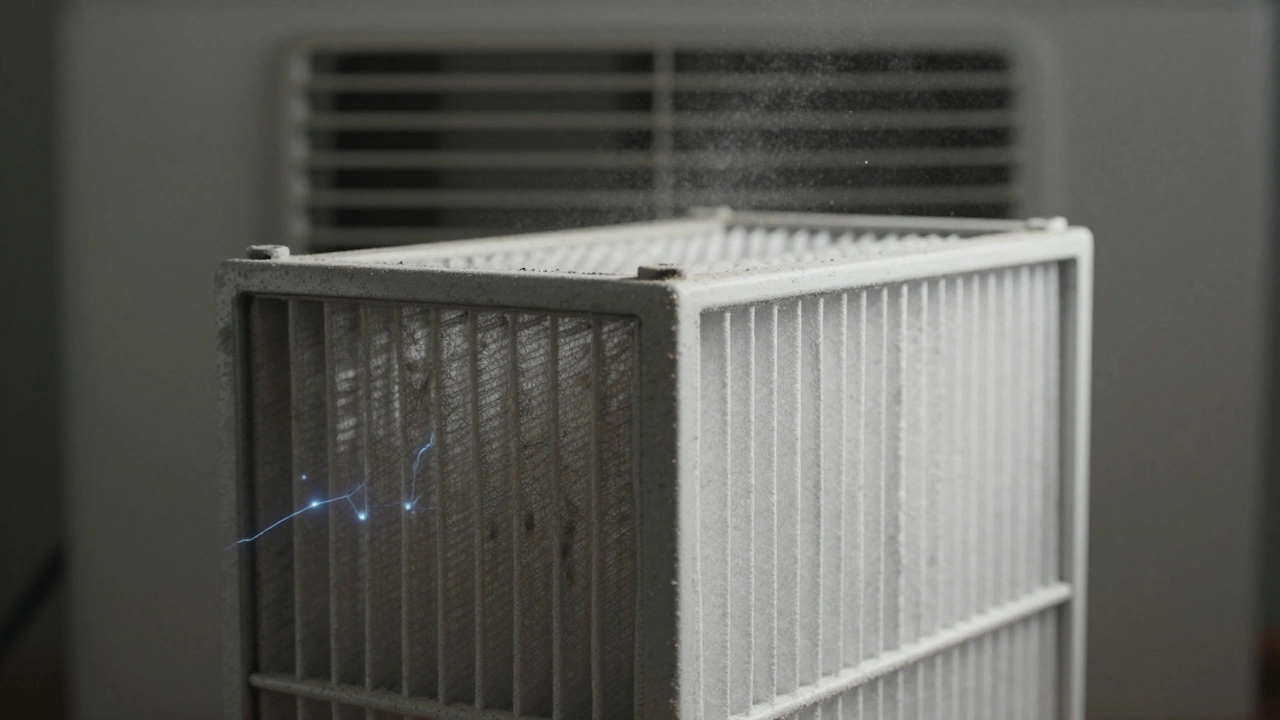
What Are the Disadvantages of an Electrostatic Air Filter?
Electrostatic air filters sound convenient but come with hidden downsides: reduced efficiency over time, high maintenance, poor allergen capture, airflow restriction, and hidden costs. Learn why they often underperform compared to standard pleated filters.
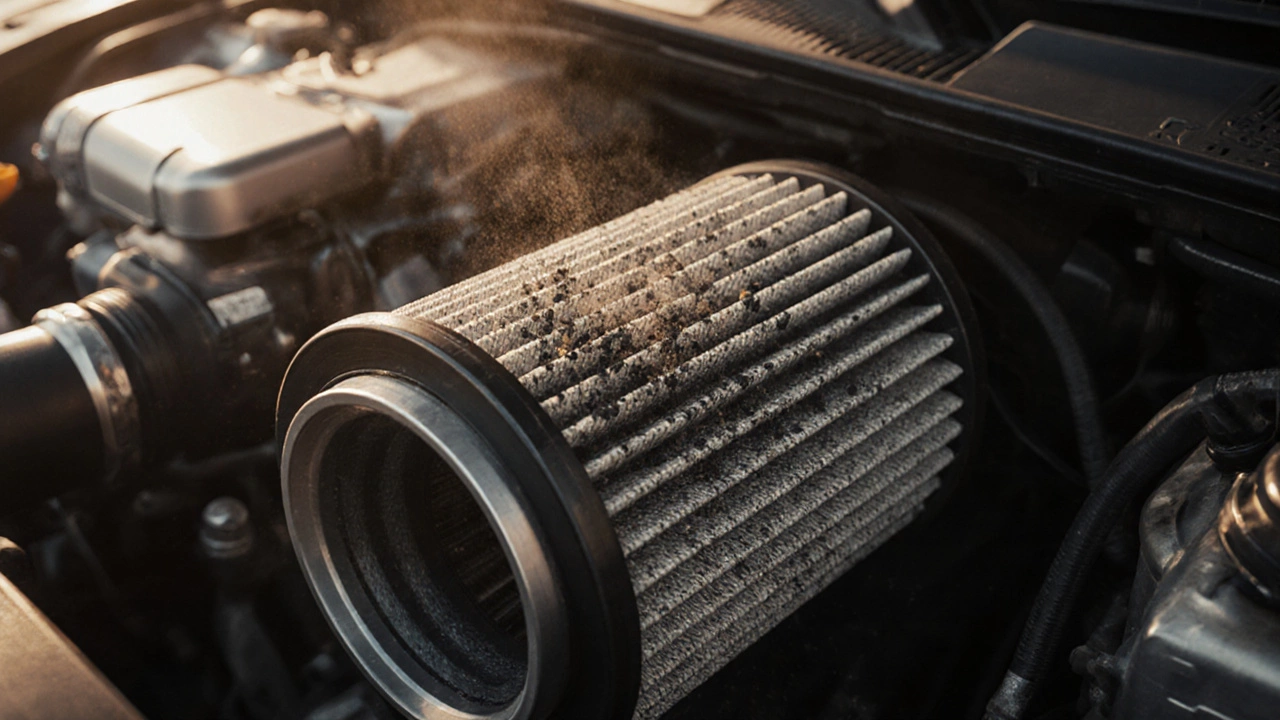
Do Expensive Air Filters Really Perform Better?
Explore whether pricey air filters truly outperform cheaper options. Learn filter types, performance metrics, cost‑benefit analysis, and maintenance tips for smarter buying.
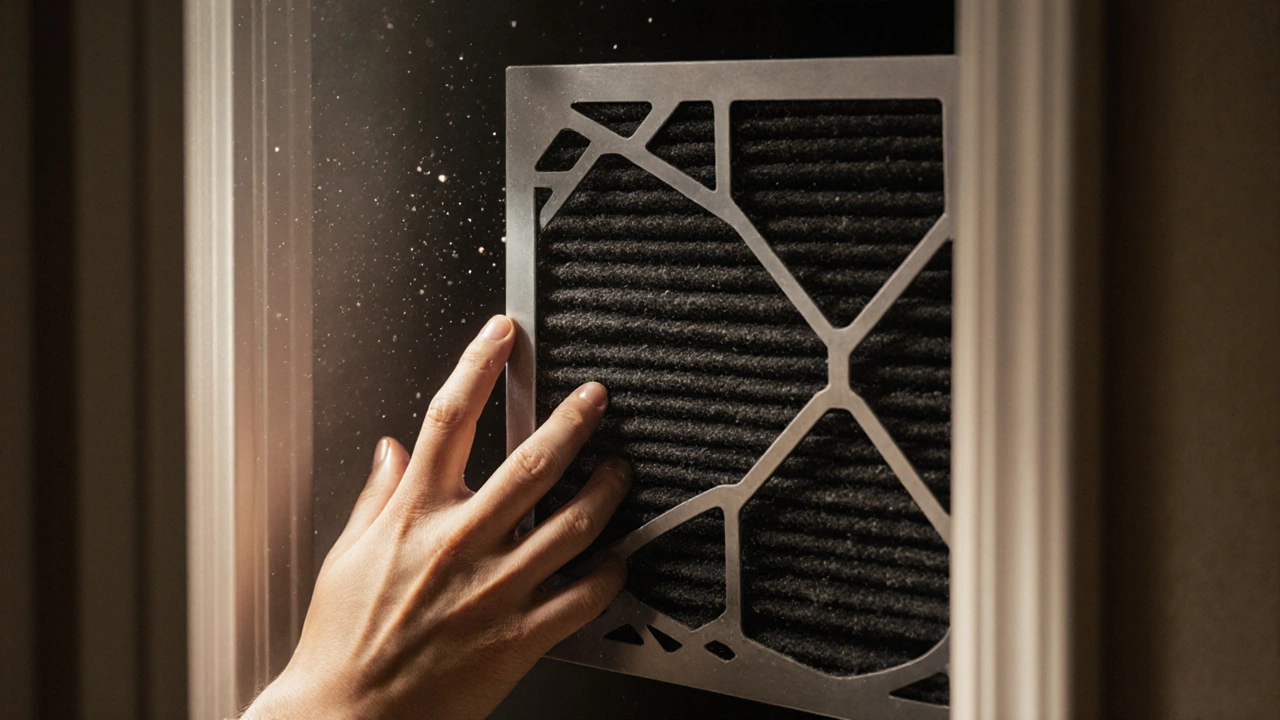
How Often to Replace Your Whole‑House Air Filter
Learn how often to replace your whole‑house air filter based on filter type, household conditions, and indoor air quality needs.
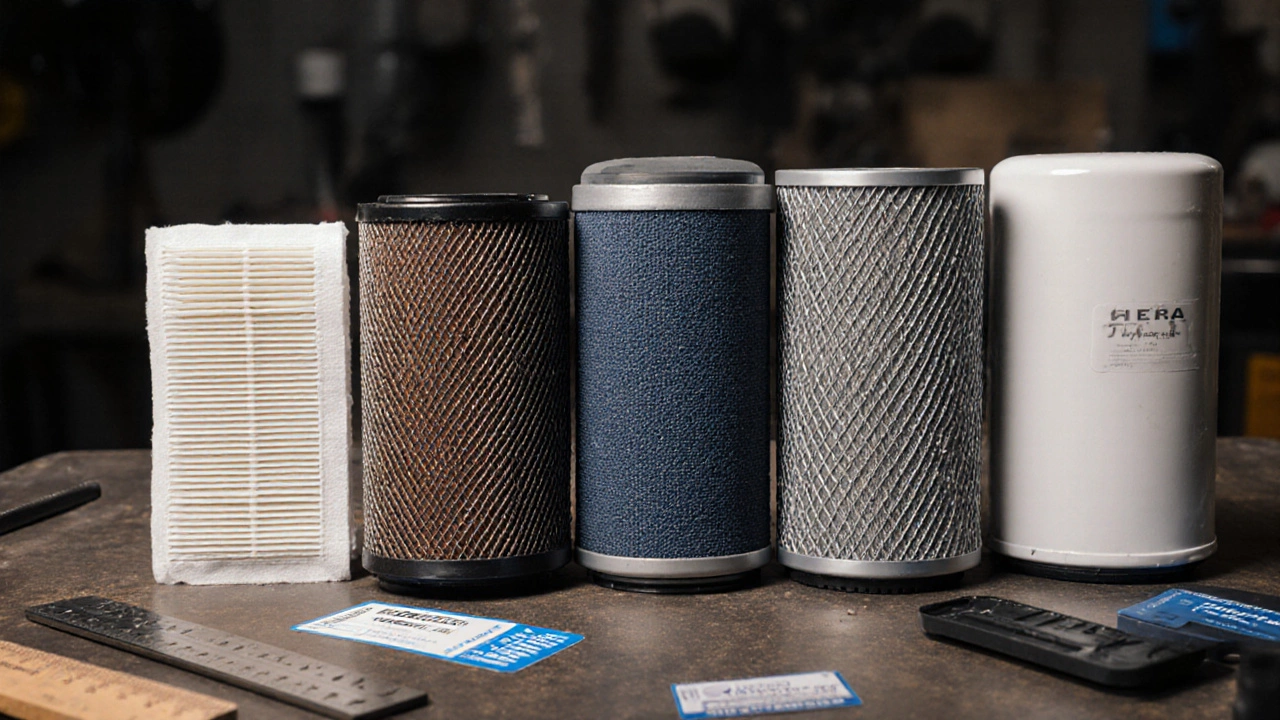
Best Air Filter for Dust Removal: HEPA vs. Cotton vs. Synthetic
Find out which air filter captures the most dust, compare HEPA, cotton, synthetic and paper options, and get installation plus maintenance tips.

Dirty Air Filter Symptoms: Warning Signs and What to Watch For
How do you know your car's air filter is dirty? Find out symptoms, performance issues, and tips to keep your engine breathing easy.

How Often Should I Change My Air Filter for Best Air Quality?
Wondering how often you actually need to swap out your air filter? This article explains why timing matters, what factors speed up filter clogging, and real signs you shouldn't ignore. You'll also get actionable tips to make sure your air is clean year-round, and a clear answer to the age-old question about how often to change that filter.

Is MERV 8 or 11 Better? Decoding the Best Air Filter for Your Space
Deciding between a MERV 8 or MERV 11 air filter can get confusing, especially with all the technical details floating around. This article breaks things down so you can see which filter fits your needs—whether it’s about catching more dust, dealing with allergies, or making sure your HVAC runs smoothly. We’ll share facts, benefits, and even some tips to make your next filter swap a no-brainer. No sales pitch—just real talk about what these filters actually do. Know exactly what to expect from each one and how to pick the right upgrade for your home.

What Happens if You Don't Clean Your Air Filter?
Neglecting your air filter can lead to a number of problems, both for your home's air quality and your wallet. Dirty filters stop doing their job properly, letting dust and allergens circulate freely. This can cause health issues for you and your family, and also make your heating and cooling systems work much harder than they should. Regular cleaning or replacement can save energy and maintain a healthier indoor environment.

How to Recognize a Failing Air Filter
A clogged or failing air filter can wreak havoc on your home's air quality and your health. Not only does a dirty filter decrease your HVAC system's efficiency, but it can also lead to more dust and allergens circulating in the air. Learn key signs that your air filter needs replacing and how keeping it clean can save money and help you breathe easier.

The Best MERV Rating for Home Air Filters
Choosing the right MERV rating for home air filters can greatly impact indoor air quality and HVAC system efficiency. With a range of ratings available, it’s crucial to understand which MERV level balances air purity and system performance. This guide helps homeowners navigate the options and make informed decisions about their air filtration needs. Tips and facts are provided to ensure cleaner, healthier air at home.

How Often Should Air Filters Be Changed?
Changing air filters is a vital part of maintaining good air quality and efficient HVAC systems. Learn how often air filters should be replaced based on different household needs and the signs that indicate it's time for a change. Discover tips on extending filter life and the impact of regular maintenance on energy bills and health.