Car Radiators: Signs of Failure, Replacement Costs, and What Happens If You Ignore Them
When your car radiator, a metal component that cools engine coolant by circulating it through fins and tubes. Also known as engine cooler, it's one of the most critical parts in your vehicle’s cooling system. If it fails, your engine doesn’t just get warm—it can seize, warp, or blow a head gasket. This isn’t a "maybe" problem. It’s a "you’re stranded" problem. And it doesn’t happen overnight. Most radiator failures start with small leaks, strange smells, or coolant that just keeps disappearing. You might think it’s no big deal, but ignoring it is like ignoring a slow drip in your bathroom ceiling—until the whole floor collapses.
A radiator leak, a breach in the radiator’s core, tanks, or hoses that allows coolant to escape is often the first red flag. You’ll see green, orange, or pink puddles under your car. Or maybe your temperature gauge spikes during a short drive. A radiator replacement, the process of removing a damaged radiator and installing a new one to restore proper engine cooling isn’t cheap—$600 to $1,200 in 2025—but it’s way cheaper than replacing a blown head gasket, which can cost over $2,000. And yes, a bad radiator can cause a blown head gasket. When coolant levels drop, the engine overheats. Overheating puts pressure on the head gasket. Once that seal breaks, oil and coolant mix, and your engine is done. You don’t need to be a mechanic to spot the warning signs: steam from the hood, a sweet smell inside the cabin, or the heater blowing cold air even when the engine is hot.
Some people think modern cars don’t need radiators anymore. They do. Even electric vehicles use them to cool batteries and power electronics. Radiators haven’t been replaced—they’ve just gotten smarter. But the core function hasn’t changed: keep the engine cool. And if yours is old, clogged, or corroded, it won’t do that anymore. Sludge builds up inside. Hoses crack. The plastic tanks become brittle. All of it leads to the same end: overheating. You don’t need to replace your radiator every year. But if you’ve had to top off coolant more than twice in six months, or if your car overheats in traffic, it’s time to act. Waiting until the engine dies isn’t saving money. It’s just making the repair bigger.
Whether you’re thinking about swapping it yourself or taking it to a shop, the key is knowing what to look for. The posts below cover everything from the 7 clear signs your radiator is failing, to whether replacing it is worth the cost, to how hard it really is to do it on your own. You’ll find real numbers, real stories, and real advice—not guesswork. No fluff. No marketing hype. Just what happens when you ignore your radiator, and what you can do to stop it before it’s too late.
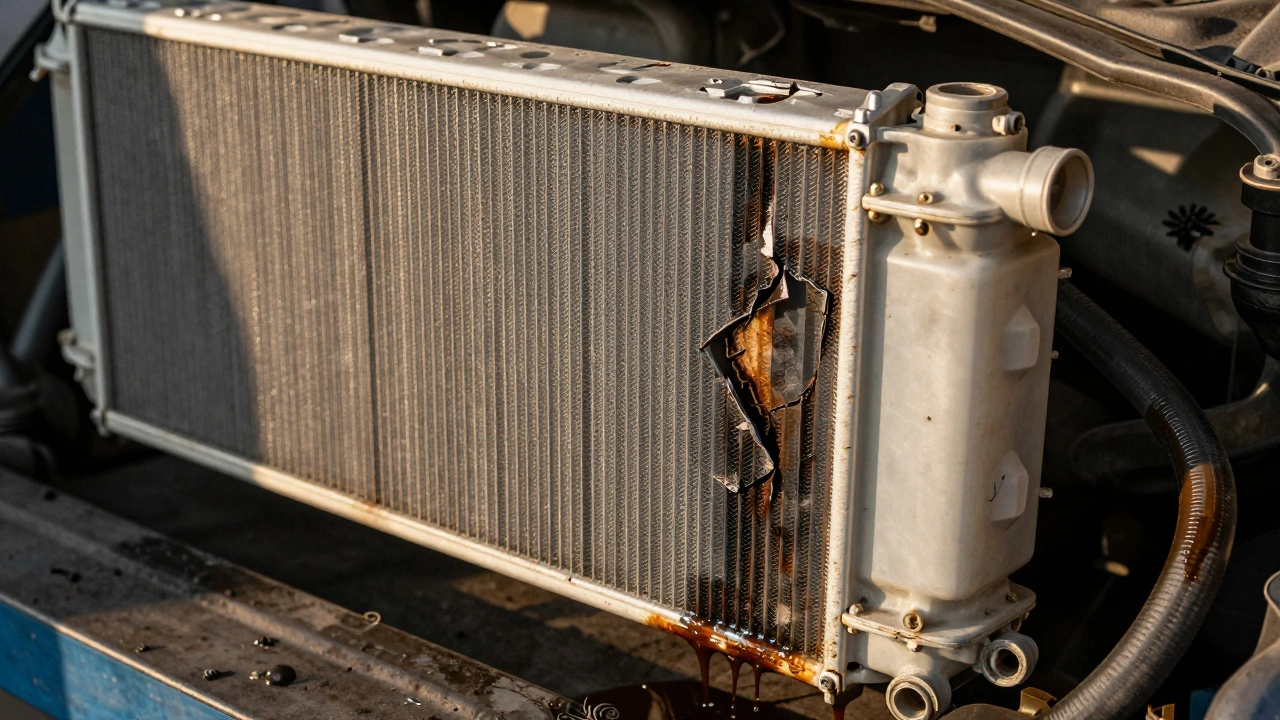
How Often Do Car Radiators Need to Be Replaced?
Car radiators typically last 10-15 years or more with proper coolant maintenance. Signs like constant leaks, discolored fluid, or overheating mean it’s time to replace. Don't wait for failure-maintain your cooling system to avoid costly repairs.
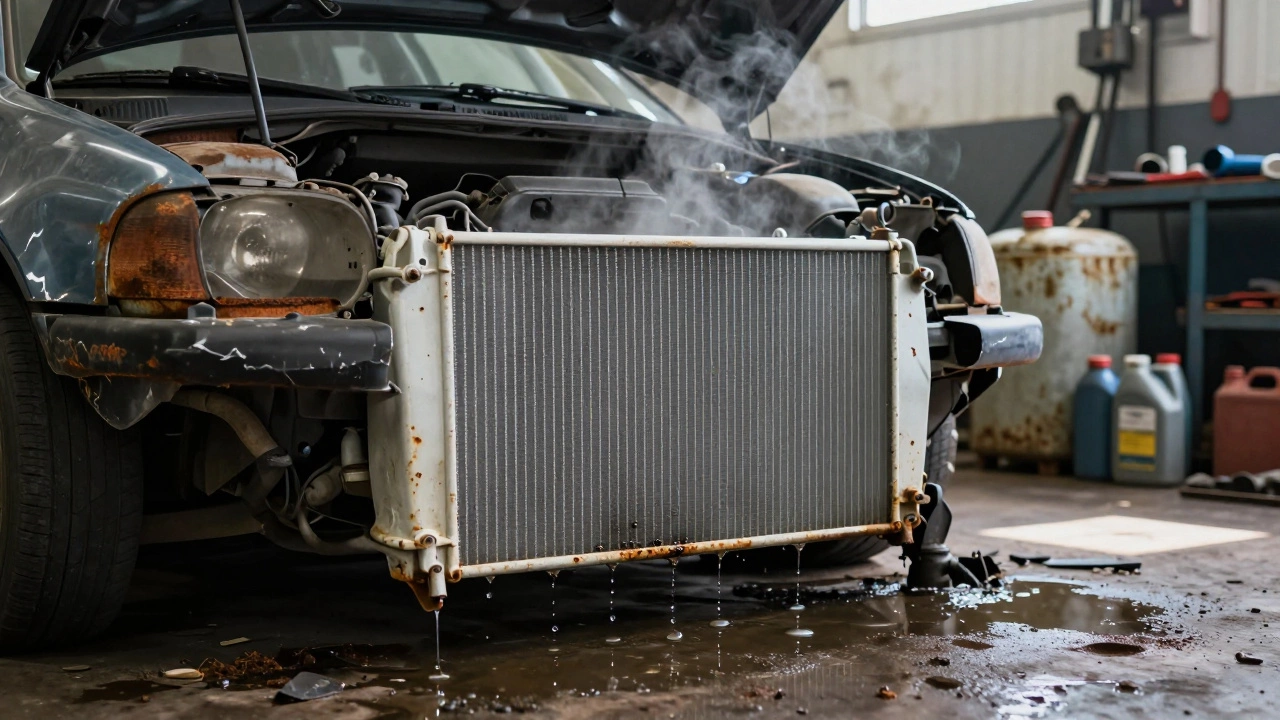
Is It Worth Replacing Your Car Radiator? Real Costs, Signs, and When to Act
Is replacing your car radiator worth the cost? Learn the real signs of failure, repair vs. replace options, and when to save money instead of spending hundreds. Based on real repairs in Canadian winters.
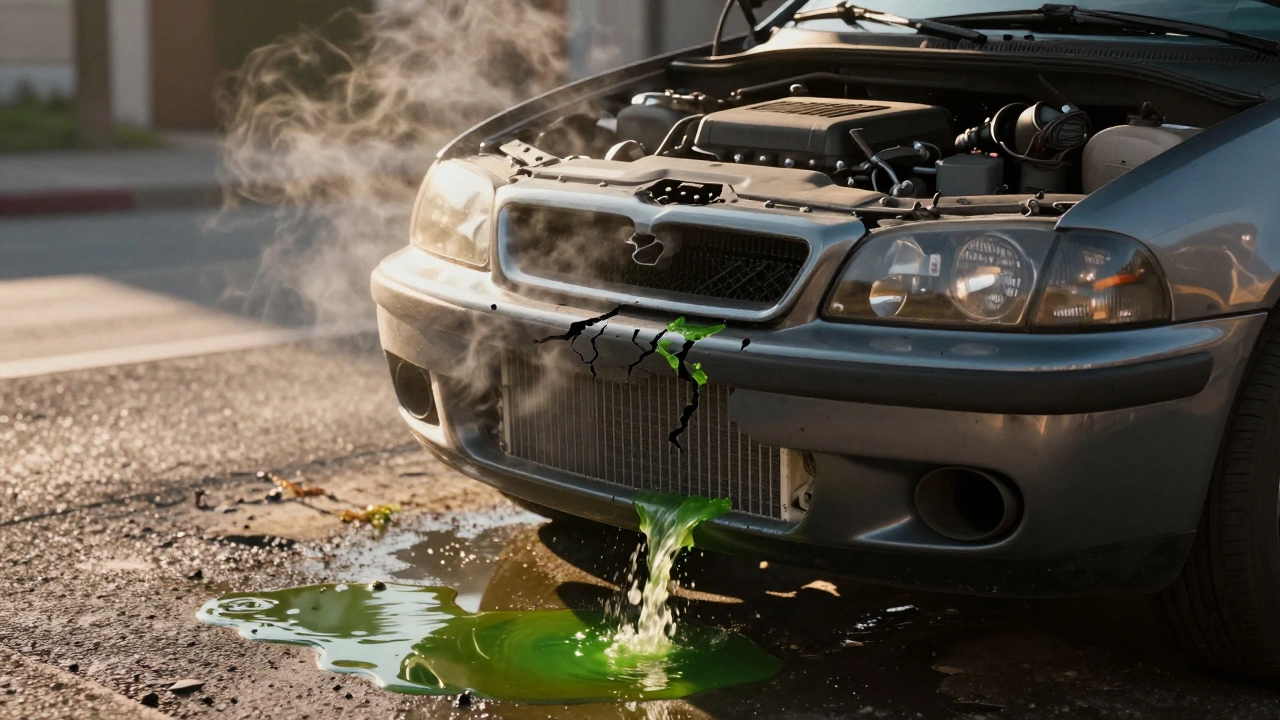
Can You Drive a Car with a Cracked Radiator? What Happens and What to Do Instead
Driving with a cracked radiator risks severe engine damage. Even short trips can cause overheating, warped heads, or a blown gasket. Replace it immediately-don’t risk thousands in repairs.
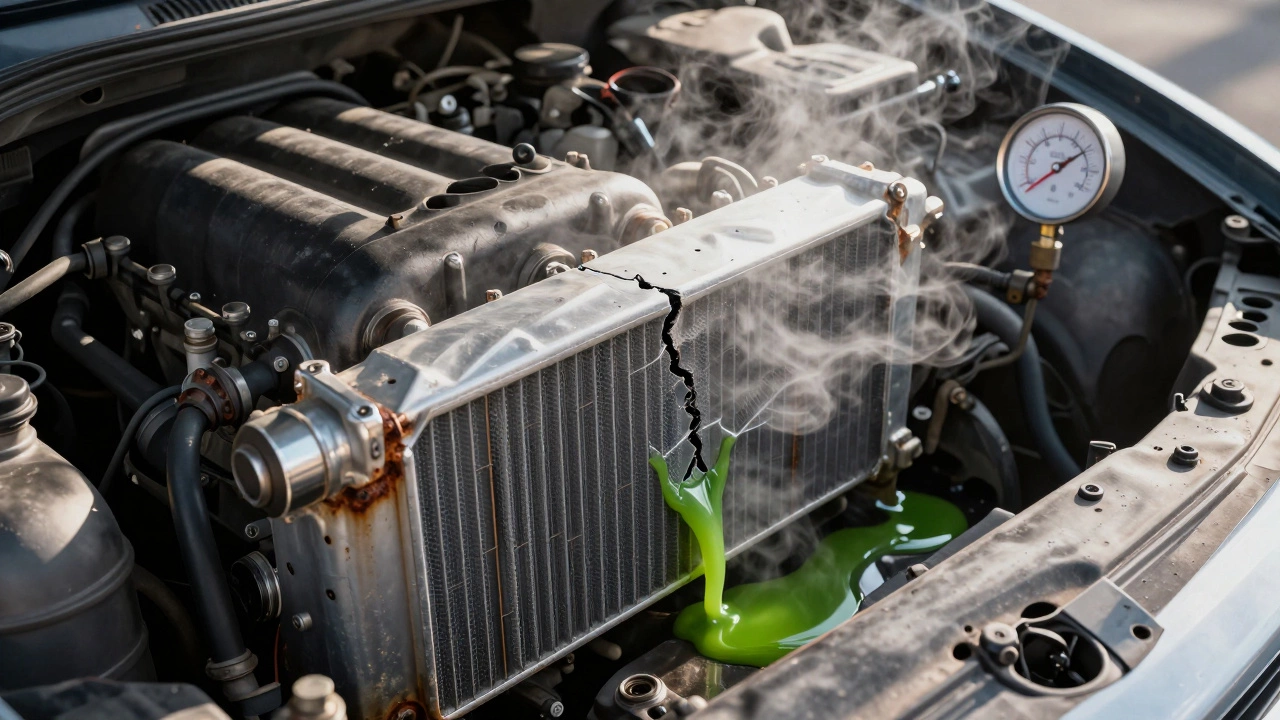
How to Know if a Radiator Is Bad: 7 Clear Signs Your Car’s Cooling System Is Failing
Learn the 7 clear signs your car radiator is failing-from overheating and coolant leaks to rust and bulging tanks. Know when to replace it before your engine gets damaged.
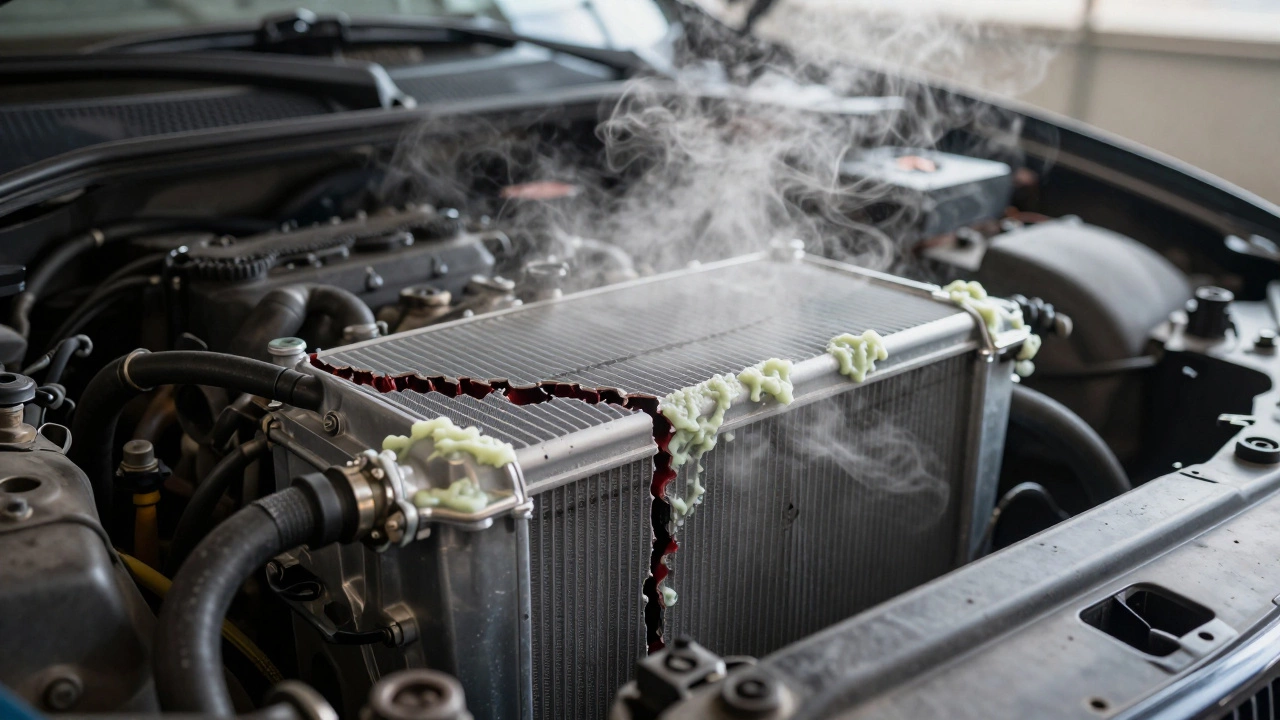
How to Tell If Your Car Radiator Is Failing
Learn the real signs your radiator is failing - overheating, coolant loss, sludge, and more. Avoid engine damage by catching radiator problems early.
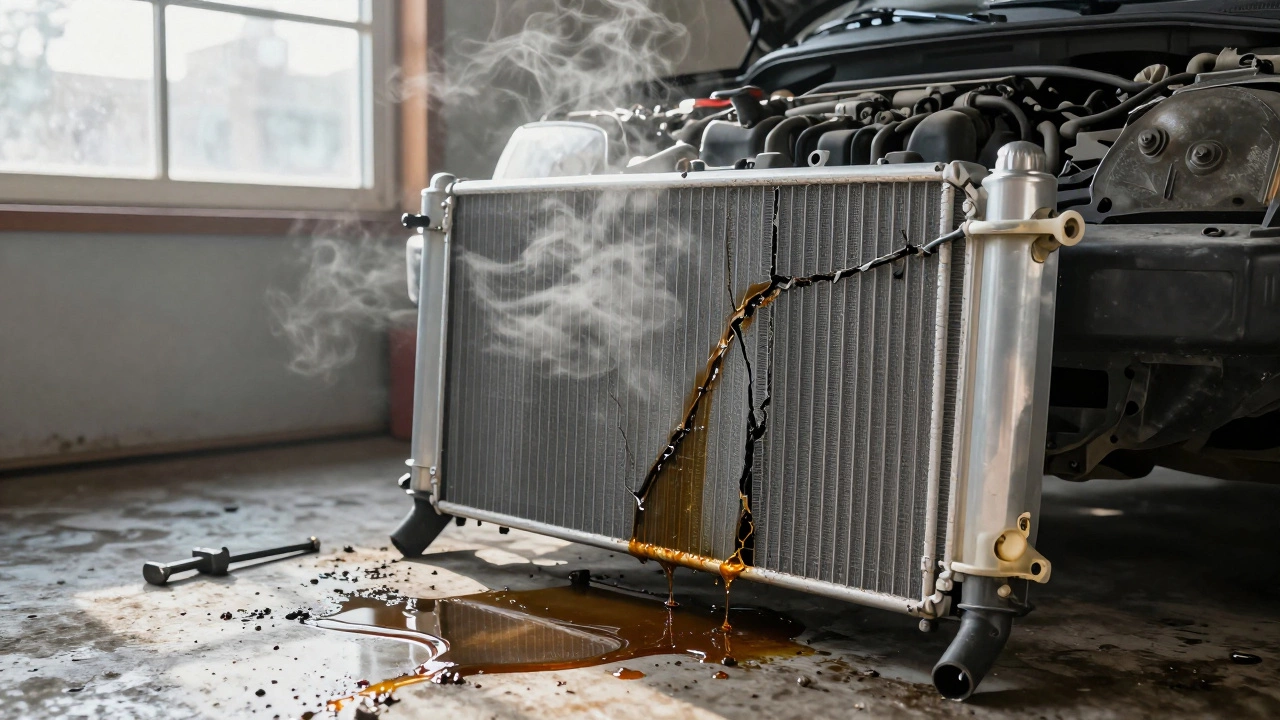
Is It Worth Installing New Radiators in Your Car?
Replacing a worn-out car radiator prevents engine damage and overheating. Learn when it's worth the cost, what to check before replacing it, and how to avoid costly mistakes.
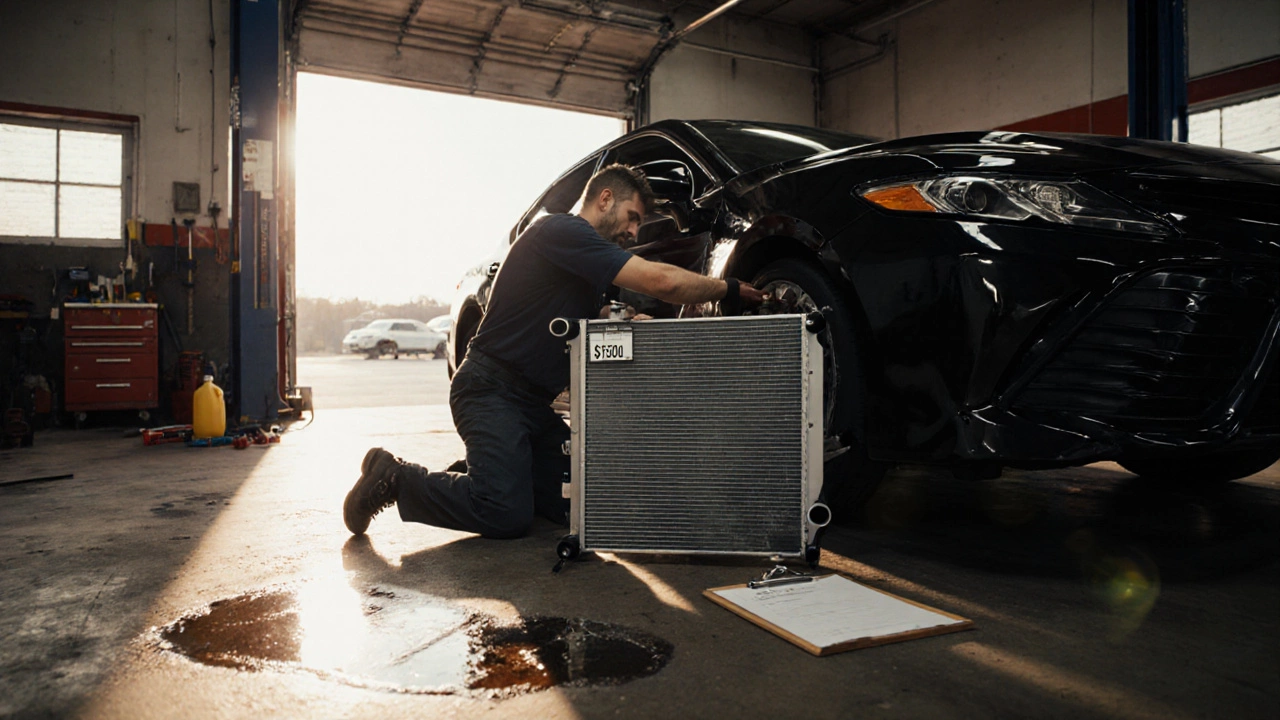
Is It Expensive to Replace a Car Radiator? Real Costs in 2025
Replacing a car radiator costs $600-$1,200 in 2025. Learn what drives the price, how to avoid overpaying, and why skipping this repair can cost thousands more.
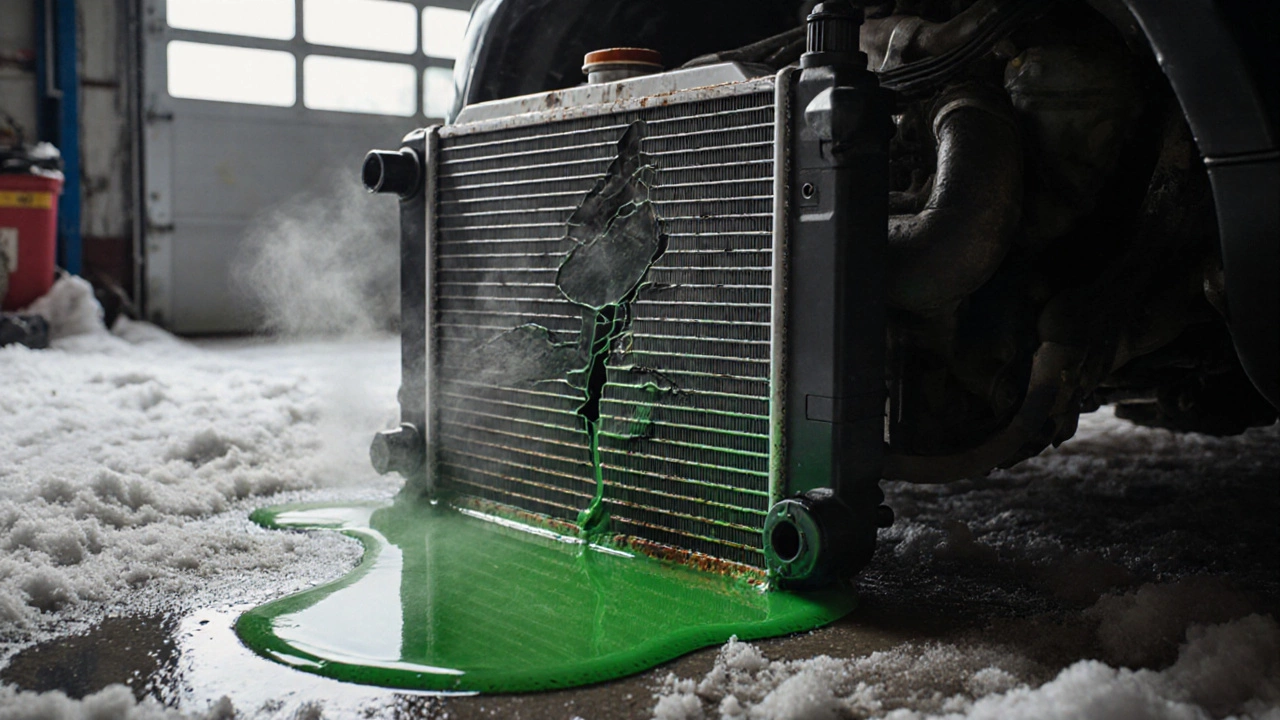
How Do I Know If My Radiator Is Bad? 7 Clear Signs to Watch For
Learn the 7 clear signs your radiator is failing-from coolant leaks to engine overheating-and what to do before it leaves you stranded. Save money and avoid engine damage.

Can a Bad Radiator Cause a Blown Head Gasket?
When your radiator isn’t working right, it can easily cause your engine to overheat, and in some cases, lead to a blown head gasket. This article breaks down how a bad radiator sets off a chain reaction that can ruin your engine. You’ll learn the warning signs, why catching radiator problems early matters, and what simple fixes can save you from expensive head gasket repairs. Plus, I’ll share some easy ways to spot trouble under your hood before it blows up your wallet. Staying ahead of radiator issues is easier than most people think.

Is Changing a Radiator Easy? What You Need to Know
Thinking about swapping out your car's radiator? This article breaks down exactly how tricky—or simple—it can be. Get a straight answer, check out what tools and skills you’ll need, and find out the potential problems to watch for. There’s practical advice and tips, whether you’re a weekend DIYer or just curious. Walk away knowing if replacing a radiator is a job you want to try or better left to the pros.

Is Replacing a Car Radiator Hard? What You Really Need to Know
Worried about changing your car's radiator yourself? This article breaks down the difficulty, what tools you need, steps involved, and what can go wrong if you miss a step. Get honest advice, smart tips, and surprising details that help you decide if you should tackle radiator replacement or call a pro. Simple tips can keep your engine running smoother and help you avoid expensive repair bills. Find out if replacing a radiator is truly as tough as some people say.

What Happens If I Don't Fix My Radiator? Know Before It Blows
Skipping radiator repairs in your car isn’t just risky—it’s expensive. This article breaks down exactly what can go wrong if you ignore radiator problems. You’ll learn how small leaks can snowball into full-blown engine disasters. Plus, get practical tips to recognize and dodge radiator trouble before your ride leaves you stranded. Don’t wait until steam’s pouring from the hood—know the warning signs.