 Oct, 27 2026
Spark Plug Fuel Efficiency Estimator
Worn spark plugs can cause incomplete combustion, forcing your engine to burn more fuel for the same distance. Use this tool to estimate how much money you might be wasting annually by delaying replacement.
Your Driving Data
Financial Impact
You’re standing at the gas pump, watching the numbers tick up, wondering if that check engine light you ignored last month is actually costing you money. It’s a common worry: do spark plugs improve fuel economy? The short answer is yes, but not in the way most people think. They don’t magically boost your miles per gallon beyond your car’s design limits. Instead, worn or faulty spark plugs drag your efficiency down, making your engine work harder than it needs to. Fixing them gets you back to where you should be, not somewhere better.
The Mechanics of Misfire and Waste
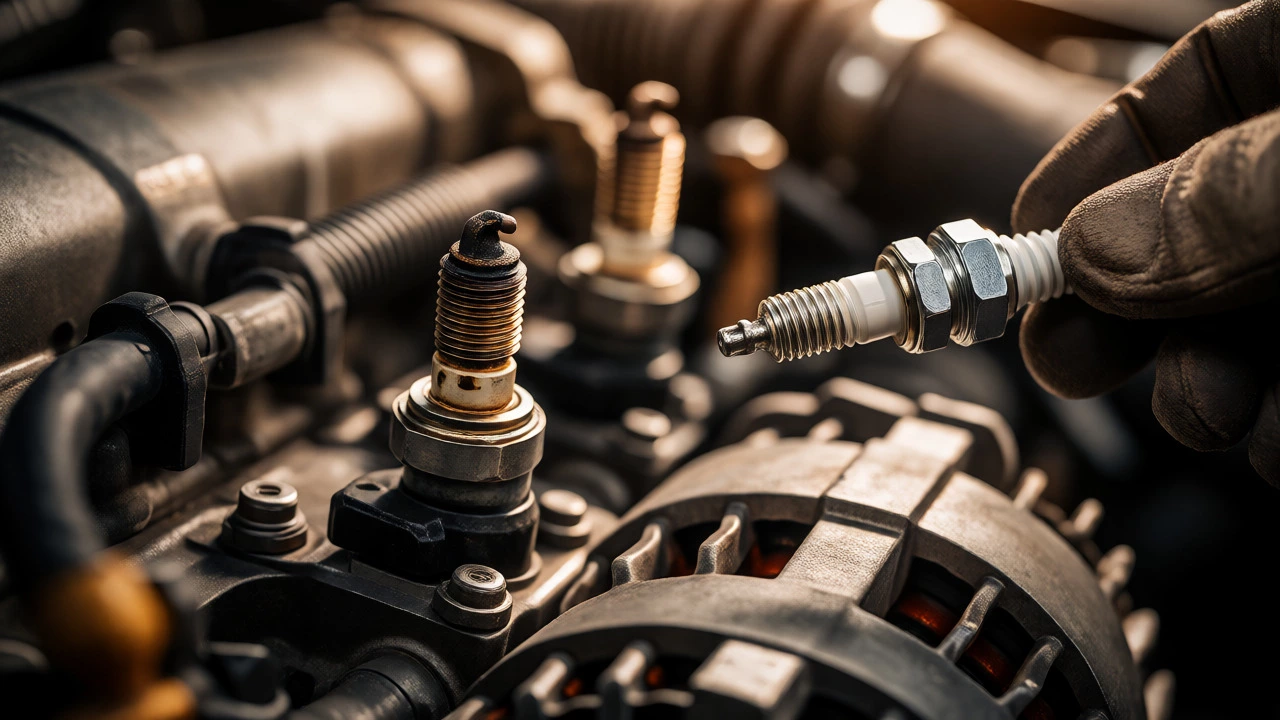
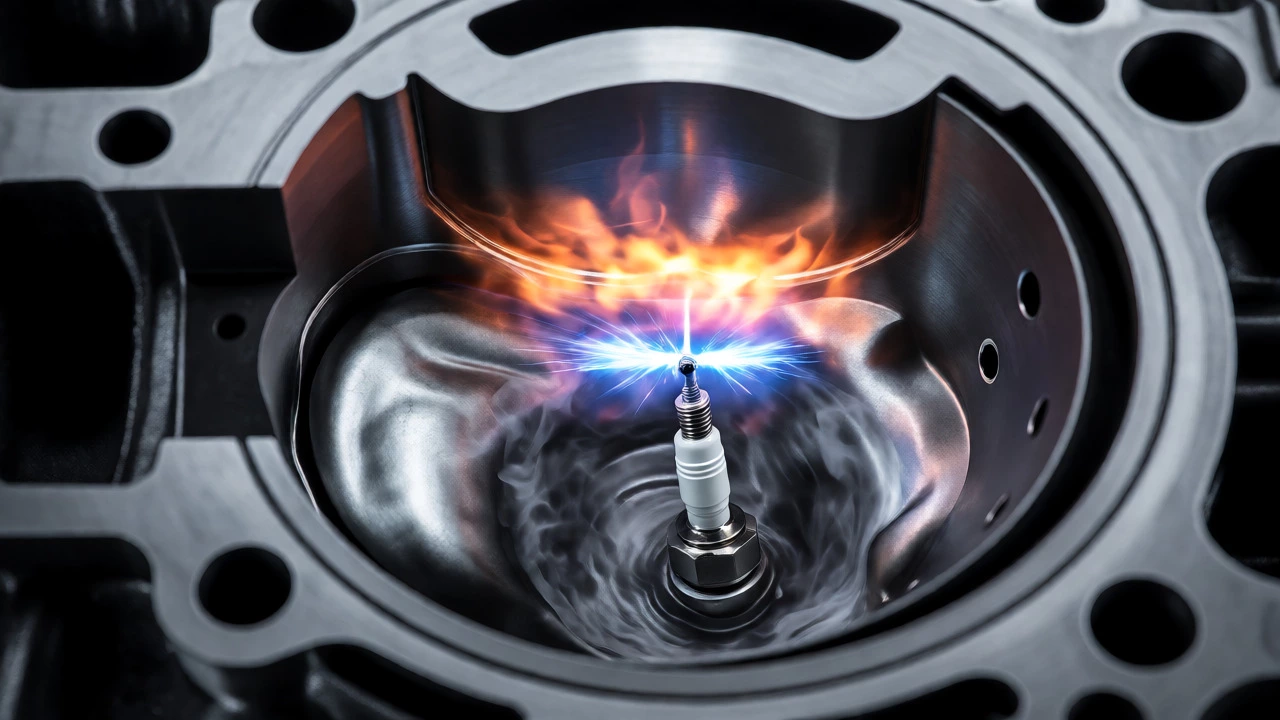
To understand why this matters, you have to look at what happens inside your engine cylinders. A spark plug is a small electrical component that delivers a high-voltage spark to ignite the air-fuel mixture. When this ignition happens at the precise moment, the explosion pushes the piston down, creating power. If the spark plug is old, carboned up, or has a widened gap, the spark might be weak or late. This causes incomplete combustion.
Incomplete combustion means some of the fuel you paid for doesn’t burn; it just passes through the exhaust system as unburnt hydrocarbons. Your engine control unit (ECU) notices this lack of power and compensates by injecting more fuel. You end up burning more gas to go the same distance. In severe cases, a cylinder misfires entirely, causing rough idling and a significant drop in efficiency. According to the U.S. Department of Energy, replacing worn-out spark plugs can improve gas mileage by up to 30% in extreme neglect scenarios, though typical gains are closer to 1-5%.
Identifying Worn Spark Plugs Before They Cost You
How do you know if your plugs are the culprit? Cars rarely shout about bad spark plugs; they whisper. Look for these signs:
- Rough Idling: Your car shakes or vibrates when stopped at a red light.
- Slow Acceleration: The car feels sluggish when you press the gas pedal.
- Hard Starting: The engine cranks longer than usual before firing up.
- Check Engine Light: Codes like P0300 (random misfire) or specific cylinder codes often point here.
If you see black soot on the tip of an old plug or notice the electrode is eroded, replacement is overdue. Modern iridium spark plugs are designed to last 60,000 to 100,000 miles, but harsh driving conditions or poor oil quality can shorten that life significantly.

Material Matters: Copper vs. Iridium vs. Platinum
Not all spark plugs are created equal. The material affects how long the plug lasts and how consistently it sparks, which indirectly impacts fuel economy over time. Using the wrong type can lead to premature failure and wasted fuel.
| Type | Lifespan | Performance | Cost | Fuel Efficiency Impact |
|---|---|---|---|---|
| Copper Core | 20,000 - 30,000 miles | Good heat dissipation, standard performance | $2 - $5 each | High wear rate may cause gradual efficiency loss sooner |
| Platinum | 40,000 - 60,000 miles | Better durability, consistent spark | $5 - $10 each | Maintains efficiency longer between changes |
| Iridium | 60,000 - 100,000+ miles | Superior ignitability, finer electrode | $10 - $25 each | Best for maintaining peak efficiency over long periods |
While copper plugs are cheap, their electrodes wear down faster. As the gap widens, the voltage required to jump the gap increases. If your ignition coils can’t keep up, you get weaker sparks and poorer combustion. Iridium plugs maintain a tight gap for much longer, ensuring the ECU doesn’t have to constantly adjust fuel trim to compensate for weak ignition.
The Myth of "Tuning" for Better MPG
Many drivers believe that installing "performance" spark plugs will boost their fuel economy above factory specifications. This is largely a myth for stock engines. Factory settings are optimized for a balance of power, emissions, and efficiency. A hotter or colder spark plug won’t change the thermodynamic limit of your engine’s compression ratio or airflow.
However, there is a nuance. If your car was tuned incorrectly or modified with aftermarket parts, using the correct heat range spark plug is critical. A plug that runs too hot can cause pre-ignition (knocking), forcing the ECU to retard timing and reduce power. Retarded timing hurts fuel economy. Conversely, a plug that runs too cold accumulates carbon deposits quickly, leading to misfires. So, while you won’t gain extra MPG from "upgrading," you protect your existing MPG by using the manufacturer-recommended spec.
When Spark Plugs Aren't the Problem
Sometimes, changing spark plugs doesn’t fix the fuel economy issue because the root cause lies elsewhere. Before spending money on plugs, rule out these common culprits:
- Oxygen Sensors: These measure exhaust gases to adjust the air-fuel ratio. A faulty sensor can cause the engine to run rich (too much fuel), wasting gas regardless of spark plug condition.
- Air Filters: A clogged filter restricts airflow, forcing the engine to work harder. Replacing a dirty air filter can improve acceleration and slightly help efficiency.
- Tire Pressure: Under-inflated tires increase rolling resistance. Keeping tires at the recommended PSI is one of the cheapest ways to save fuel.
- Ignition Coils: Sometimes the coil pack fails, not the plug. A bad coil provides no spark or a weak spark, mimicking bad plug symptoms.
If your fuel economy drops suddenly, it’s rarely just the spark plugs unless they were severely neglected for thousands of miles. Gradual decline often points to multiple factors working together.
Practical Steps to Maximize Your Savings
So, how do you ensure your spark plugs are helping rather than hurting your wallet? Follow this simple maintenance routine:
- Check Your Owner’s Manual: Find the recommended replacement interval. Don’t guess.
- Use the Right Gap: Even new plugs sometimes need gapping. Use a feeler gauge to set the gap exactly to spec. Too wide or too narrow hurts combustion.
- Replace in Sets: Always replace all spark plugs at once. Mismatched plugs can cause uneven engine running and vibration.
- Inspect Other Components: While the plugs are out, check the condition of the ignition boots and coils. Replace any cracked or brittle rubber boots.
By keeping your ignition system healthy, you ensure that every drop of fuel contributes to motion rather than being wasted as heat or unburnt exhaust. It’s not about gaining superpowers; it’s about stopping the leak.
How much can bad spark plugs really cost me in fuel?
If your spark plugs are severely worn and causing misfires, you could lose 5-10% of your fuel efficiency. For a driver doing 15,000 miles a year with a car getting 25 MPG, that’s roughly 60 gallons of wasted fuel annually. At current average prices, that could mean hundreds of dollars lost per year.
Can I clean my spark plugs instead of replacing them?
You can clean carbon deposits off spark plugs, but cleaning does not restore the electrode geometry. Once the metal electrode is eroded, the gap is permanently altered. Cleaning might help temporarily if the issue is purely fouling, but replacement is the only way to guarantee proper ignition strength and fuel efficiency.
Do expensive spark plugs give better gas mileage?
Expensive iridium or platinum plugs don’t inherently provide more power or better MPG than copper plugs when both are new and correctly specified. However, they maintain their performance characteristics for much longer. Over a 100,000-mile lifespan, premium plugs ensure your fuel economy stays consistent, whereas cheaper plugs might degrade efficiency as they wear.
Will changing spark plugs fix my check engine light?
Only if the code is related to a misfire caused by ignition issues. Common codes like P0300-P0308 indicate cylinder misfires. If the light is due to an oxygen sensor, catalytic converter, or EVAP system leak, new spark plugs won’t turn the light off. Always scan the code first.
How often should I change spark plugs for best fuel economy?
Follow your vehicle manufacturer’s recommendation. Standard copper plugs usually need changing every 30,000 miles, while iridium plugs can last up to 100,000 miles. Changing them earlier than necessary wastes money, but waiting too long risks efficiency losses and potential damage to ignition coils.