 Feb, 6 2026
Exhaust Tuning Checker
Determine Your Tuning Need
Select your exhaust modification type to see if tuning is required for your vehicle.
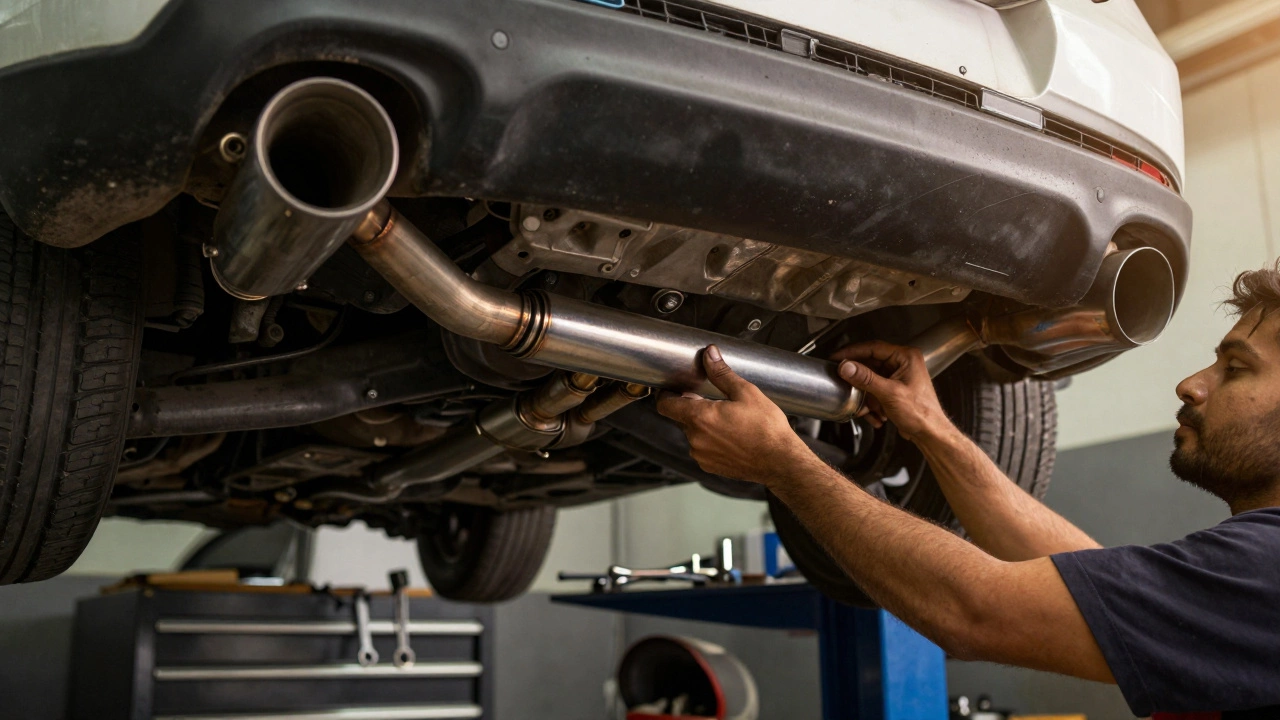
Installing a new exhaust system can make your car sound meaner and maybe even faster. But the big question is: do you need a tune? Let's break it down.
What Happens When You Change Your Exhaust?
When you swap out your exhaust, you're changing how exhaust gases flow out of the engine. This affects backpressure the resistance exhaust gases face as they exit the engine-a critical factor in engine performance. Stock exhausts are designed to balance power, emissions, and noise. Aftermarket systems often reduce backpressure for better flow, but that can throw off your engine's air-fuel ratio. Without proper adjustments, you might lose power or trigger warning lights.
How the ECU Reacts to Exhaust Changes
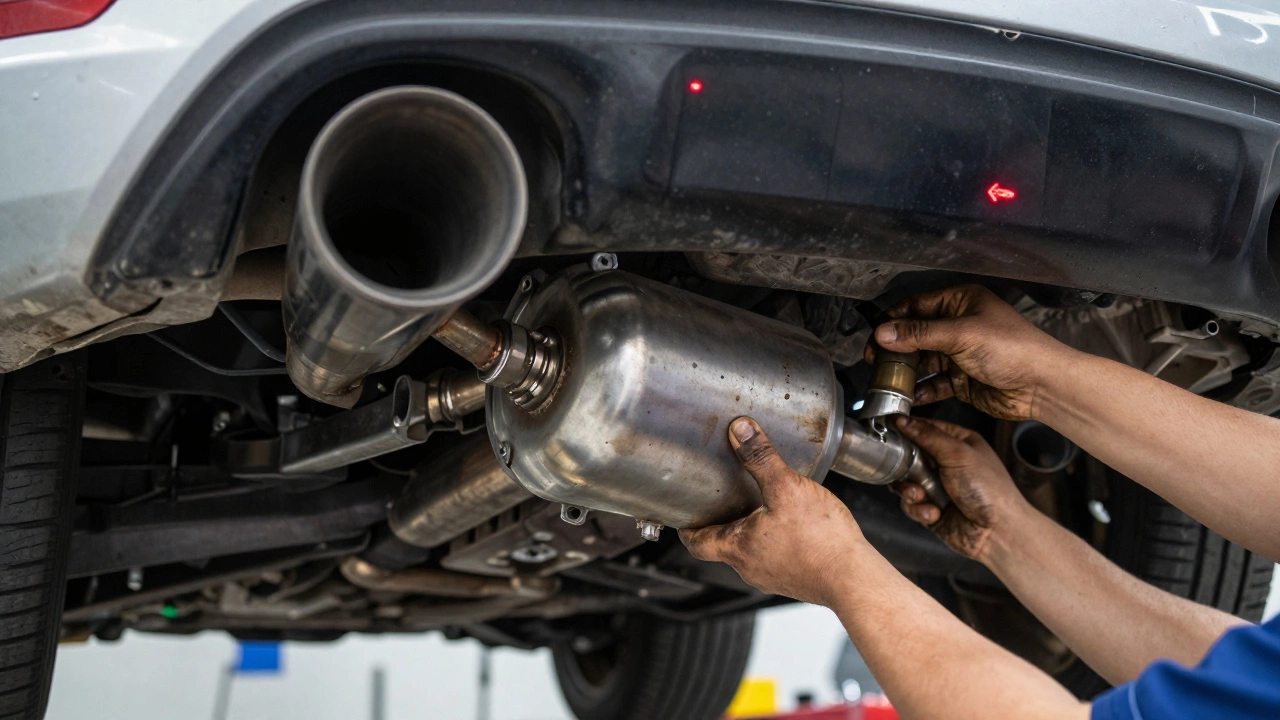
Your car's ECU the Engine Control Unit that manages engine functions constantly monitors oxygen sensors to adjust fuel delivery. If your new exhaust changes airflow too much, the ECU might struggle. For example, removing the catalytic converter (a catless downpipe a section of exhaust without a catalytic converter) means oxygen sensors can't detect emissions properly. This usually triggers a check engine light and hurts performance. A cat-back exhaust an exhaust system replacing only the part after the catalytic converter on a stock engine might not need tuning, but it depends on how much airflow changes.
When Tuning Is Absolutely Necessary
Not all exhaust modifications require tuning. Here's when you absolutely need it:
- Removing the catalytic converter (catless downpipe)
- Replacing the entire exhaust system, including the downpipe
- Installing a high-flow air intake alongside exhaust changes
For instance, a 2018 Subaru WRX with a catless downpipe will throw error codes and run poorly without a tune. The ECU can't compensate for the drastic airflow change. In Ontario, where emissions testing is required for vehicles over 15 years old, removing the catalytic converter also makes your car illegal for road use. Proper tuning adjusts fuel maps to match the new exhaust setup, preventing these issues.
When Tuning Might Not Be Needed
Many cat-back exhausts don't require tuning. These systems only replace the section after the catalytic converter, so oxygen sensors still function normally. For example, a 2023 Honda Civic with a standard cat-back exhaust often runs fine without a tune. The ECU can adjust within its normal range. However, if your cat-back is extremely loud or has a massive diameter, it might still need minor tweaks. Always test drive after installation-listen for rough idling or hesitation, which signal tuning is needed.
| Exhaust Type | Requires Tuning? | Why? | Potential Issues Without Tuning |
|---|---|---|---|
| Cat-back exhaust | Usually no | Only replaces part after catalytic converter; minimal airflow change | Minor performance loss if ECU can't adjust |
| Full exhaust system | Yes | Changes entire exhaust flow, including downpipe | Check engine light, poor fuel economy |
| Catless downpipe | Yes | Removes catalytic converter, drastically changing emissions | Failed emissions test, severe engine issues |
Common Myths Debunked
Many myths cloud this topic. Some say "all exhausts need tuning"-false. Others claim "tuning is optional"-also misleading. The truth is simple: if your modification affects the catalytic converter or oxygen sensors, tuning is critical. For example, a 2020 Toyota Tacoma with a standard cat-back exhaust runs fine without tuning, but the same truck with a catless downpipe will fail emissions and run poorly. Another myth: "tuning is only for race cars." In reality, street-legal modifications often need tuning to pass inspections and maintain drivability.
What Steps Should You Take?
After installing a new exhaust:
- Check for check engine lights or rough idling. If present, tune is needed.
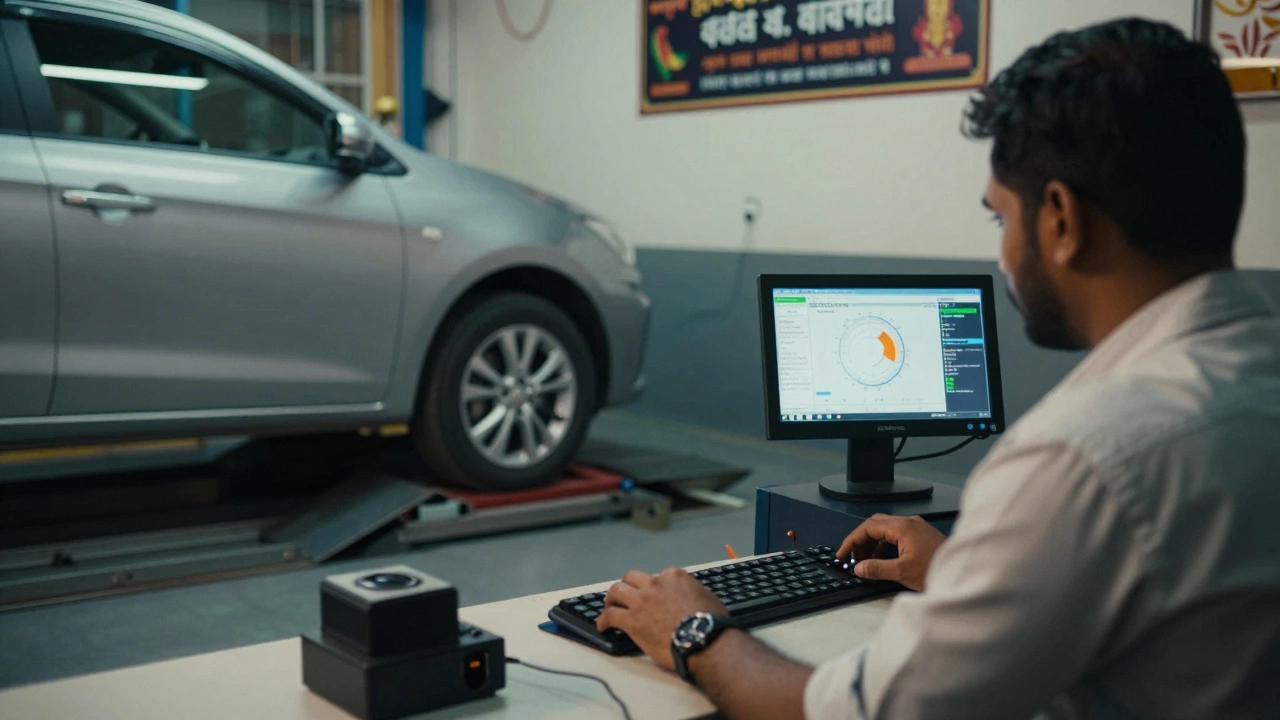
- Consult a professional tuner who knows your car model. They'll use a dynamometer to test airflow and adjust fuel maps.
- Verify local emissions laws. In Hamilton, Ontario, removing catalytic converters is illegal for street use.
- Test drive after tuning. You should notice smoother acceleration and better throttle response.
Skipping these steps risks engine damage. A poorly tuned exhaust can cause overheating or even catastrophic failure. For example, a 2015 Ford Mustang with a catless downpipe but no tune might run rich (too much fuel), damaging the catalytic converter over time.
Real-World Example: Hamilton-Based Tuning Case
A client in Hamilton recently installed a cat-back exhaust on his 2017 Nissan Altima. He skipped tuning, assuming it wasn't needed. After two weeks, his check engine light came on, and fuel economy dropped by 15%. A local tuner found the ECU was struggling to compensate for the airflow change. After a $400 dyno tune, the car ran smoothly, and fuel efficiency improved. This shows why even "minor" exhaust changes can need professional attention.
Cost of Tuning vs. Risks of Skipping It
Tuning costs typically range from $300 to $800, depending on complexity. Compare that to the risks of skipping it: failed emissions tests ($200+ retest fees), damaged catalytic converters ($1,000+ replacement), or engine repairs. For example, a 2019 Hyundai Sonata with a catless downpipe and no tune could burn through a catalytic converter in under 1,000 miles. The tune cost is minimal compared to these repairs. Always factor in long-term savings when deciding.
Why Professional Tuning Beats DIY
DIY tuning tools exist, but they're risky. Modern ECUs have complex safety limits. A wrong adjustment can cause engine damage. Professional tuners use real-time data from dynamometers to fine-tune fuel and ignition maps. For instance, a shop in Hamilton used a dyno to adjust a 2021 Subaru Legacy's fuel map after a full exhaust swap. The result: 12% more horsepower and zero check engine lights. DIY attempts often miss these nuances, leading to costly mistakes.
Final Takeaways
Exhaust tuning isn't always mandatory, but it's critical when modifications affect emissions or airflow. For cat-back exhausts on stock engines, tuning might not be needed-but test drive carefully. For any system that removes or replaces the catalytic converter, tuning is non-negotiable. Always work with a certified tuner who knows local regulations. Skipping it risks performance loss, emissions failures, and expensive repairs. Your exhaust system is part of a larger engine ecosystem; treat it that way.
Do all exhaust modifications require tuning?
No. Most cat-back exhausts (which replace only the section after the catalytic converter) don't need tuning. However, full exhaust systems, catless downpipes, or modifications that alter airflow significantly do require tuning. Always check your specific setup before assuming.
Will my check engine light come on if I don't tune my exhaust?
Yes, if your modification affects oxygen sensors or catalytic converters. For example, a catless downpipe will almost always trigger a check engine light because the ECU detects abnormal emissions readings. Even some cat-back exhausts can cause issues if they drastically change airflow.
How much does exhaust tuning cost?
Tuning typically costs $300-$800. Basic dyno tuning starts around $300, while custom tunes for high-performance setups can reach $800. This is far cheaper than replacing damaged components like catalytic converters or fixing engine issues from poor tuning.
Can I tune my car myself with a handheld device?
It's risky. Modern ECUs have complex safety limits, and DIY tools often lack real-time data. Incorrect adjustments can damage your engine or cause emissions failures. Professional tuners use dynamometers to fine-tune fuel maps safely, which DIY methods can't replicate accurately.
Is tuning necessary for emissions testing?
Yes, if your exhaust modification changes emissions output. In Ontario, vehicles over 15 years old require emissions testing. A catless downpipe or improperly tuned exhaust will fail the test. Tuning ensures your car meets legal standards while maintaining performance.