 Aug, 21 2026
Exhaust Power Estimator Interactive Tool
Configure your engine settings and click "Calculate Potential Gains" to see the estimated results.
Relative Performance Comparison
Estimated HPThere is a persistent myth in the garage that simply swapping your stock muffler for a loud pipe will magically add 50 horsepower. The reality is more nuanced. An performance exhaust is a modified system designed to reduce flow restriction and improve engine breathing efficiency. It does not create power out of thin air; it removes the barriers that prevent your engine from using its existing potential. For a naturally aspirated engine, you might see a modest gain of 3-8%. For a forced-induction setup, the numbers can look different, but only if the rest of the system supports the change.
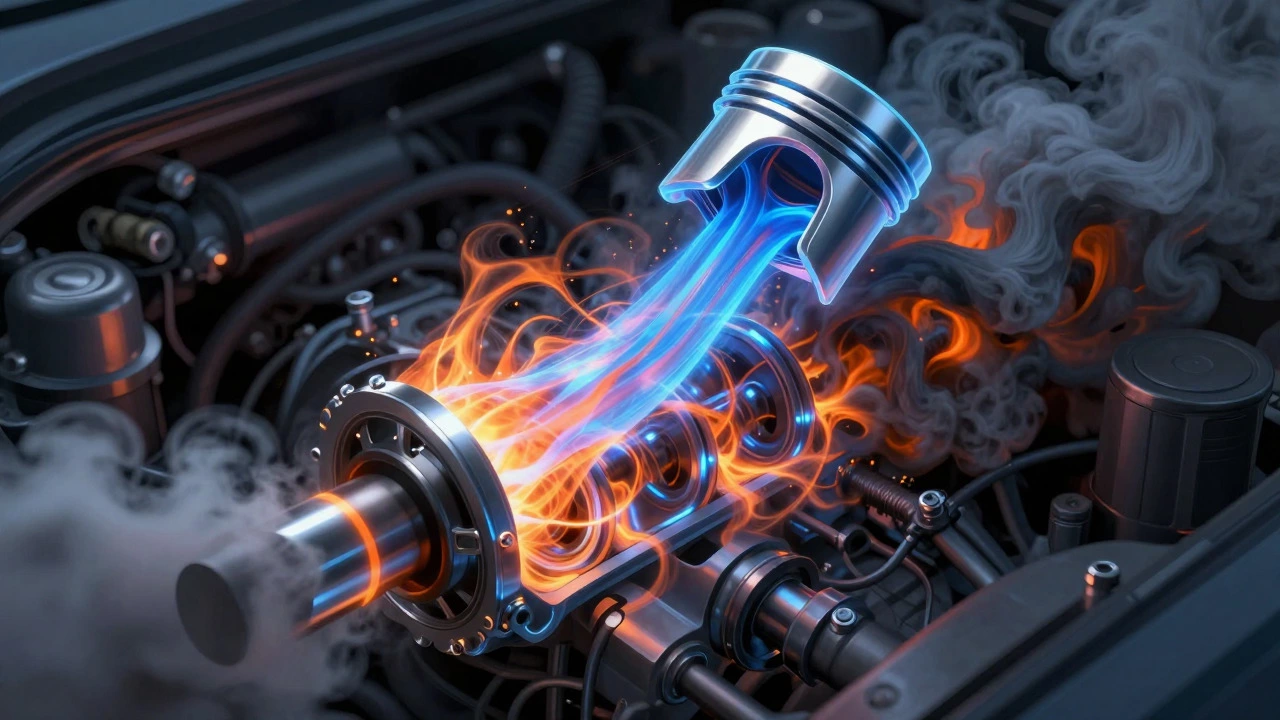
To understand which exhaust gives the most horsepower, we have to look at how engines actually breathe. Think of your intake and exhaust as two lungs. If one side is clogged, the whole system suffers. A high-quality exhaust reduces back pressure is the resistance to gas flow within the exhaust system. Lower back pressure allows spent gases to exit faster, making room for fresh air-fuel mixture. This cycle repeats thousands of times per minute at high RPMs. If the exhaust cannot clear the chamber quickly enough, the piston has to work harder to push out the old gases before pulling in new ones. That lost effort is lost horsepower.
Why Stock Exhausts Limit Performance
Manufacturers design stock exhaust systems with three main goals: durability, noise control, and emissions compliance. These goals often conflict with peak performance. A typical factory system includes multiple bends, smaller diameter pipes, and restrictive catalytic converters. While these components keep your car quiet and legal for street use, they create turbulence. Turbulence disrupts the smooth flow of exhaust gases. In a high-revving engine, this disruption becomes significant above 4,000 RPM. The engine effectively chokes on its own waste.
The size of the pipe matters less than people think. A larger pipe is not automatically better. If the pipe is too large for the engine's displacement, the velocity of the exhaust gas drops. Low velocity leads to poor scavenging, where the pressure wave doesn't pull the next cylinder's exhaust efficiently. This is why a straight-through pipe on a small city car might actually lose low-end torque while gaining nothing at the top end. The sweet spot depends on your specific engine's displacement and redline.
Naturally Aspirated vs. Forced Induction
The type of engine you drive dictates which exhaust strategy yields the best results. Naturally aspirated (NA) engines rely entirely on atmospheric pressure to fill the cylinders. They are sensitive to flow restrictions across the entire RPM range. However, because they don't use boost, they don't suffer from heat soak issues in the same way turbocharged engines do. For an NA engine, a well-tuned cat-back exhaust can unlock latent power by improving volumetric efficiency. You are essentially helping the engine take deeper breaths.
Turbocharged and supercharged engines operate under different physics. They compress air to force more fuel into the cylinders. This compression generates immense heat. When hot exhaust gases meet cool ambient air in the exhaust manifold or downpipe, thermal shock can occur. More importantly, high back pressure in a turbo system directly increases turbo lag. The turbine wheel spins slower if it has to fight against restricted flow. Therefore, for a boosted engine, reducing back pressure isn't just about adding horsepower; it's about reducing the delay between pressing the pedal and feeling the surge of power. A free-flowing downpipe and mid-pipe are critical here. The rear section matters less for boost response but still contributes to total flow.
Comparing Exhaust Types and Gains
Not all aftermarket exhausts are created equal. We can categorize them into three main types based on their modification scope. Each offers different trade-offs between cost, complexity, and performance gain.
| Type | Components Replaced | Typical HP Gain (NA) | Typical HP Gain (Turbo) | Complexity |
|---|---|---|---|---|
| Muffler-Only Swap | Stock Muffler | 1-3% | 0-2% | Low |
| Cat-Back System | Catalytic Converter + Pipes + Muffler | 3-8% | 2-5% | Medium |
| Full System (Downpipe/Mid-pipe) | Manifold/Downpipe + Mid-pipe + Cat-Back | 5-10% | 5-15% (with tuning) | High |
A muffler-only swap is the cheapest entry point. It changes the sound significantly but offers minimal flow improvement because the catalytic converter remains the bottleneck. Many drivers mistake the louder sound for more power. Your ears trick your brain into thinking the car is faster because it sounds aggressive. But the dyno sheet tells the truth: the gains are marginal unless the stock muffler was exceptionally restrictive.
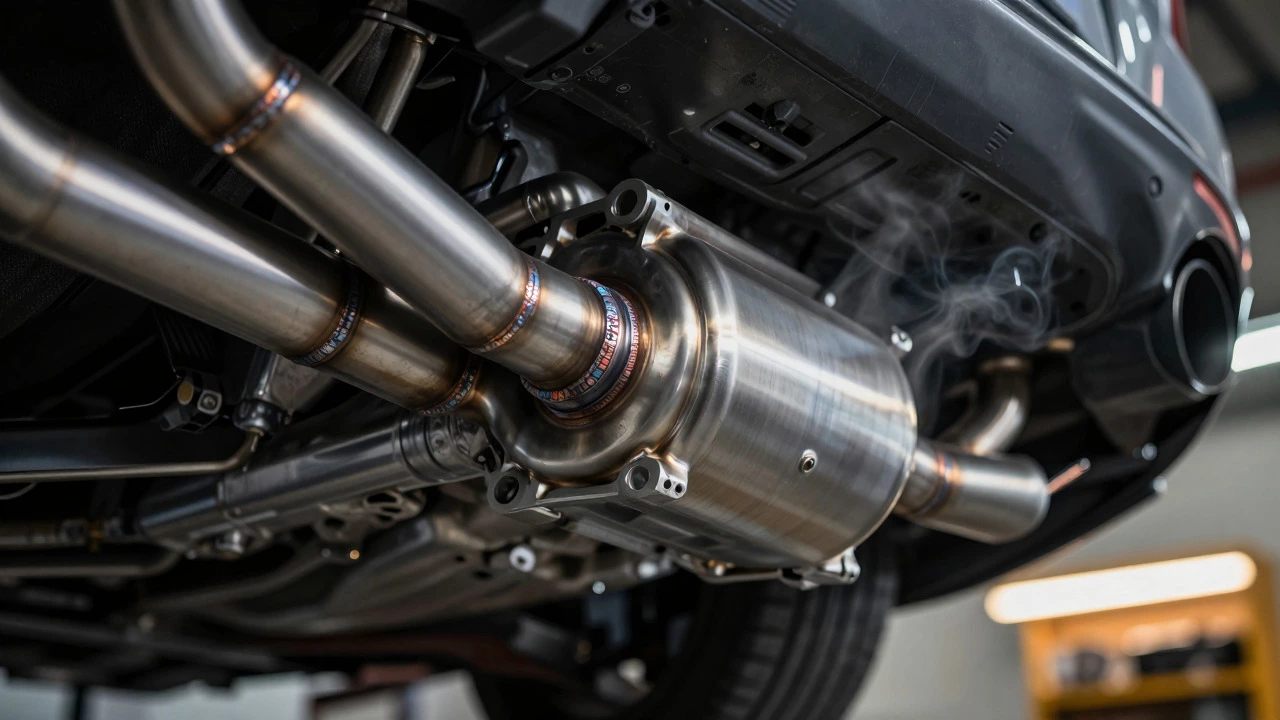
The cat-back system replaces the catalytic converter with a high-flow unit or deletes it (if legal). This removes the primary source of restriction in most stock cars. For a naturally aspirated vehicle, this is where the real money is. You get the majority of the available flow improvement without touching the complex front sections of the exhaust. For turbo cars, a cat-back helps clean up the tail end of the power band but won't fix turbo lag on its own.
The full system approach involves replacing the downpipe or header assembly. This is where the biggest gains live, especially for boosted applications. A titanium or stainless steel downpipe with a large-diameter high-flow cat eliminates the choke point right at the turbine outlet. Combined with a tuned ECU map, this setup can transform a sluggish daily driver into a responsive machine. However, it requires professional installation and often a custom tune to maximize the benefits. Without the tune, the engine computer may limit boost or lean out the mixture, negating the hardware improvements.
The Role of Tuning and Calibration
Hardware alone rarely delivers maximum horsepower. The engine control unit (ECU) manages the air-fuel ratio, ignition timing, and boost pressure. When you install a freer-flowing exhaust, the airflow characteristics change. The stock calibration was written for the restrictive stock system. If you keep the stock map, the ECU might inject too much fuel for the increased airflow, leading to a rich condition that wastes power. Conversely, it might run too lean, risking engine damage.
A professional dyno tune adjusts these parameters to match the new exhaust flow. This step is non-negotiable for serious performance gains. On a turbocharged car, a tune can add another 10-20% on top of the hardware gains by optimizing boost pressure and timing. On a NA car, the tune ensures the air-fuel ratio stays optimal across the rev range. Skipping the tune is like buying a new pair of running shoes but refusing to adjust your stride. You have the equipment, but you aren't using it correctly.
Common Mistakes That Kill Power
Even with the right parts, installation errors can negate your investment. One common mistake is mixing pipe diameters incorrectly. For example, installing a 3-inch downpipe on a 2.0L engine might seem impressive, but if the mid-pipe steps down to 2.5 inches abruptly, you create a new restriction. Flow needs to be consistent or gradually tapered. Abrupt changes cause turbulence and energy loss.
Another pitfall is ignoring heat shielding. High-performance exhausts run hotter than stock units. If the heat reaches the chassis or wiring harnesses, you risk melting plastic components or damaging sensors. Proper routing and heat wrap are essential. Also, check for leaks. A small leak at a flange connection can introduce unmetered air, causing the ECU to compensate by enriching the mixture. This subtle change can cost you a few horsepower and hurt fuel economy.
Finally, don't ignore the intake side. An exhaust upgrade improves outflow, but if the air filter is clogged or the intake piping is restrictive, the engine still can't breathe in efficiently. Balance is key. A perfect exhaust paired with a choked intake yields diminishing returns. Always consider the entire breathing system when chasing horsepower.

Which Exhaust Gives the Most Horsepower?
So, which specific setup wins? For the absolute maximum horsepower, a full-system upgrade combined with a professional dyno tune delivers the highest numbers. Specifically, a high-flow downpipe (for turbos) or long-tube headers (for NAs) paired with a cat-back system creates the least resistance path for exhaust gases. This combination allows the engine to operate closer to its theoretical limits.
However, "most horsepower" is relative to your baseline. If you have a stock car, the jump from stock to a full system is dramatic. If you already have a cat-back, adding a downpipe might yield only 5-10 additional horsepower. The law of diminishing returns applies heavily here. The first 20% of flow improvement is easy to achieve. The last 5% requires expensive, complex modifications and precise tuning.
For most enthusiasts, the sweet spot is a quality cat-back system with a high-flow catalytic converter. It offers a significant sound upgrade, noticeable responsiveness, and solid horsepower gains without the complexity and cost of a full front-section overhaul. If you are building a track-focused vehicle or pushing high levels of boost, then invest in the full system. But for the daily driver who wants more punch and a better sound, the cat-back provides the best balance of value and performance.
Frequently Asked Questions
Does a bigger exhaust pipe always mean more horsepower?
No. Pipe diameter must match the engine's displacement and RPM range. Too large a pipe lowers gas velocity, reducing scavenging efficiency. The ideal diameter balances flow volume and gas velocity for your specific engine.
Is it worth deleting the catalytic converter for horsepower?
It can save 2-5% power, but risks OBDII codes and legality issues. A high-flow catalytic converter offers similar flow with less restriction and keeps the car compliant with emissions standards, making it the safer choice for street use.
Will an exhaust upgrade improve fuel economy?
Usually no. While the engine works less hard to expel gases, the added weight of aftermarket components and the tendency to drive more aggressively often offset any minor efficiency gains. Fuel economy typically remains neutral or drops slightly.
What is the difference between a cat-back and a full exhaust system?
A cat-back starts after the catalytic converter, replacing the rear pipes and muffler. A full system replaces everything from the manifold or downpipe to the tailpipe, offering greater flow improvement but requiring more labor and cost.
Do I need a tune after installing a performance exhaust?
Yes, for maximum benefit. The stock ECU calibration assumes a restrictive exhaust. A tune optimizes air-fuel ratios and ignition timing for the new flow characteristics, unlocking hidden power and protecting engine health.