 Feb, 10 2026
Clutch Health Assessment Tool
Clutch Failure Assessment
Answer the questions below based on your vehicle's symptoms. This assessment will help you determine if your clutch needs immediate attention.
Assessment Result
Most drivers don’t think about their clutch until it stops working. By then, you’re stranded, or worse - stuck in traffic with a car that won’t shift. The clutch is one of those hidden components that does its job quietly until it doesn’t. If you’re wondering whether you need a new clutch kit, you’re probably already experiencing some warning signs. Let’s cut through the noise and lay out the real, observable clues that your clutch is on its last legs.
Your clutch is slipping
This is the #1 sign. When the clutch slips, the engine revs up but the car doesn’t accelerate like it should. You’re on the highway, you press the gas, the RPMs jump to 4,000, but the car only creeps forward. It feels like driving with the parking brake on. This happens because the friction material on the clutch disc is worn thin. It can’t grip the flywheel anymore, so power leaks out instead of going to the wheels. If you notice this during normal driving - especially when going uphill or towing - don’t wait. Slipping gets worse fast, and you could lose all power while driving.
The clutch pedal feels different
Pay attention to how the clutch pedal feels under your foot. If it’s suddenly softer, or if you have to press it all the way to the floor to get a gear, something’s wrong. A healthy clutch has a firm, predictable engagement point - usually about halfway down. If the pedal feels spongy, or if you have to push it lower than usual to disengage the clutch, the hydraulic system might be leaking, or the clutch disc is worn out. Some drivers think it’s just "getting used to" the car. It’s not. It’s a mechanical failure in progress.
Grinding noises when shifting
Grinding isn’t normal. If you hear a metallic screech or crunch when you shift gears - especially when the clutch is fully depressed - the clutch isn’t fully disengaging. This means the input shaft is still spinning when you try to shift, and the gear teeth are slamming into each other. This isn’t just annoying. It damages the transmission. Over time, you’ll start needing expensive gear replacements. A worn clutch disc, a misadjusted cable, or a failing release bearing can all cause this. Don’t ignore it.
Clutch pedal vibration or chatter
When you let the clutch out slowly to start moving, you should feel a smooth engagement. If the car jerks, shakes, or vibrates like it’s stuttering, the clutch disc might be glazed, warped, or contaminated with oil. Oil leaks from the rear main seal or transmission input shaft seal can soak the friction surface. Glazing happens when the clutch overheats from riding the pedal or frequent stop-and-go driving. Either way, the surface loses grip unevenly, and now you’re driving a car that bucks like a horse.
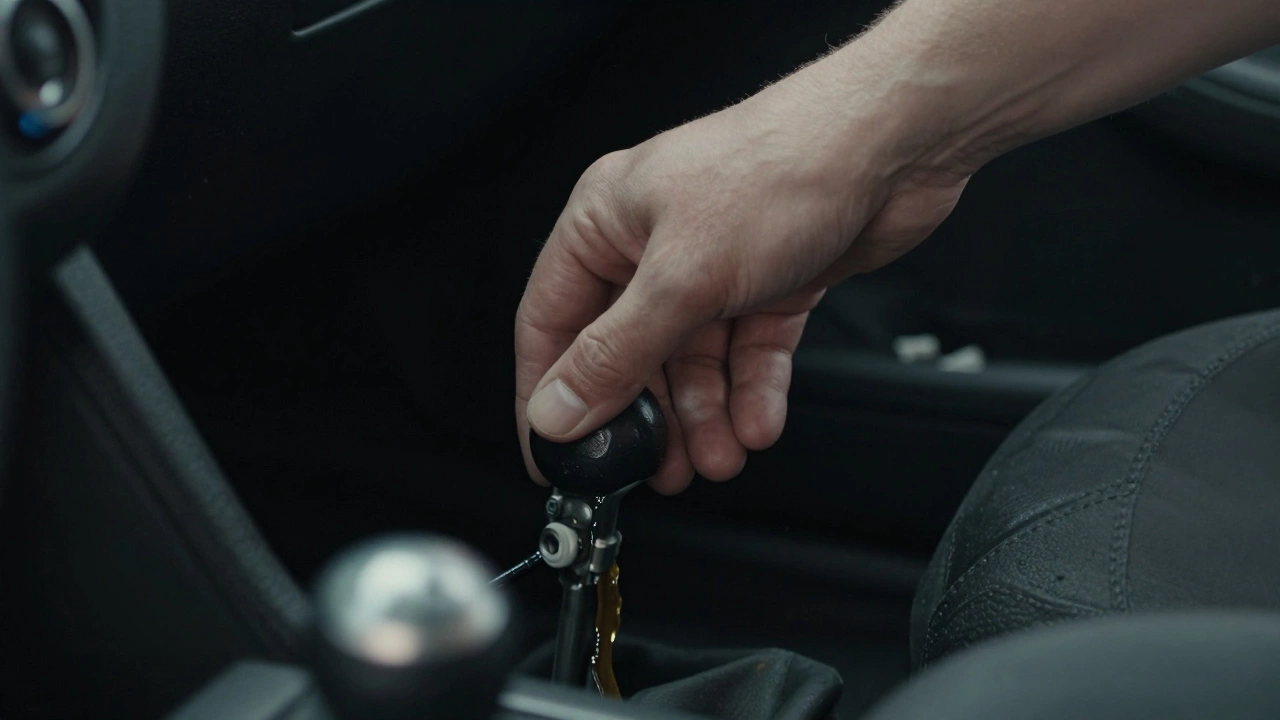
Unusual smells
That burning smell? It’s not your exhaust. It’s your clutch overheating. When the friction material breaks down from excessive heat, it releases a distinct odor - like burnt toast or hot plastic. This often happens after aggressive driving, hill starts, or dragging the clutch in traffic. If you notice this smell regularly, especially after short drives, your clutch is working too hard. It’s not just worn - it’s cooking. Once the material starts breaking down, the damage is irreversible.
Difficulty getting into gear
If you’re struggling to shift into first or reverse, especially when the engine is running, the clutch isn’t fully releasing. This is common in older cars with mechanical cables, but it happens in hydraulic systems too. A worn release bearing, a stuck master cylinder, or a misaligned clutch fork can all prevent the clutch from disengaging properly. You might hear a loud click when you press the pedal, or feel no resistance at all. Either way, if shifting feels like a battle, your clutch kit is failing.
High mileage - and you’ve never replaced it
Most clutch kits last between 60,000 and 100,000 miles. But that’s not a guarantee. Aggressive driving, frequent towing, or living in stop-and-go traffic can cut that in half. If your car has over 80,000 miles and you’ve never replaced the clutch, you’re playing Russian roulette. Even if it feels fine now, the clutch disc is likely near the end of its life. Replacing it before it fails saves you from being towed, damaging the flywheel, or getting hit with a $1,200 repair bill instead of a $600 one.
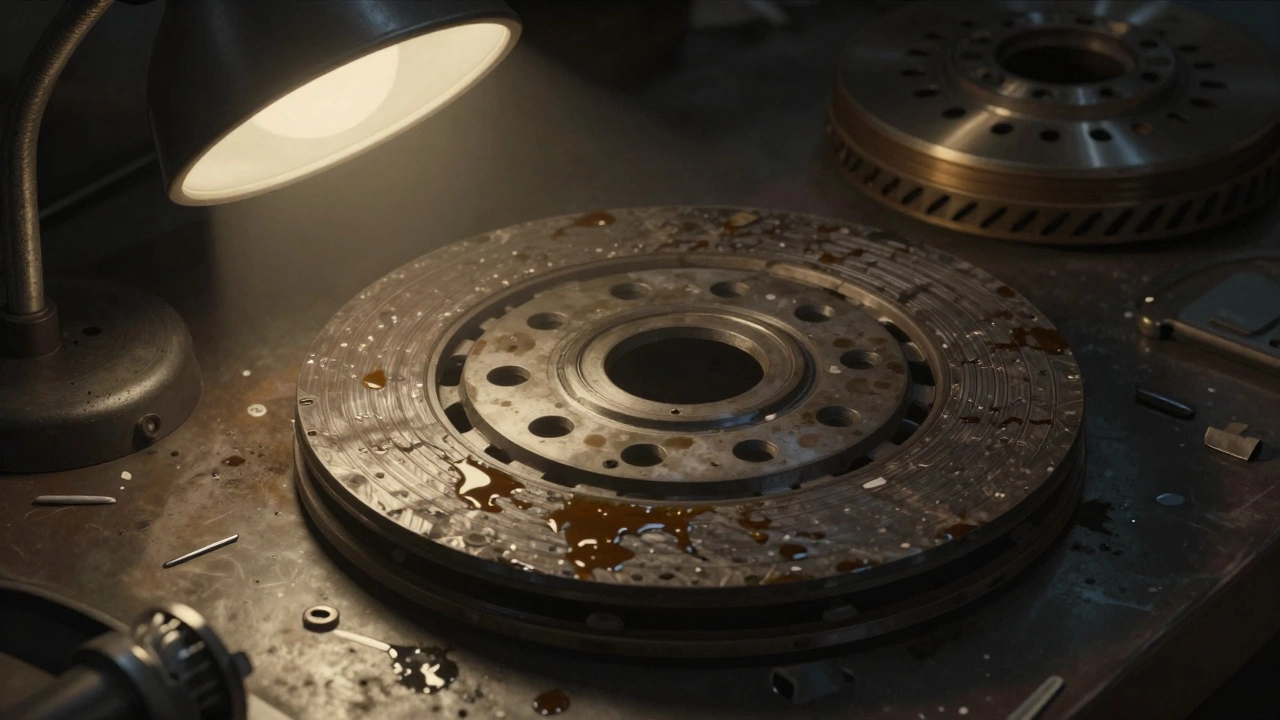
What’s inside a clutch kit?
A full clutch kit isn’t just the disc. It includes three key parts: the clutch disc (the friction surface), the pressure plate (the spring-loaded clamp), and the release bearing (the part that pushes against the pressure plate when you press the pedal). Many mechanics also replace the flywheel if it’s worn or scored. A worn flywheel can ruin a new clutch in weeks. That’s why a proper clutch job isn’t just swapping a part - it’s a system reset. If you’re replacing the clutch, do it right. Skip the cheap aftermarket kits. Stick with OEM or reputable brands like Sachs, LUK, or Exedy. They’re built to last.
How to test your clutch at home
You don’t need a mechanic to spot early signs. Try this simple test: Park on a flat surface, engage the parking brake, start the engine, and put the car in third gear. Slowly release the clutch without touching the gas. If the engine stalls immediately, your clutch is still gripping. If the engine keeps running and the car doesn’t move - even with the clutch fully released - your clutch is slipping badly. This test works on manual cars with decent engine torque. If you’re not sure, take it to a shop. Most will check it for free.
What happens if you wait too long?
Waiting until the clutch dies completely is a bad idea. When it fails, you lose all power to the wheels. You might be able to coast to the side of the road, but you won’t be able to drive it anywhere. Worse, a slipping clutch can overheat the transmission. Metal shavings from the worn disc can get into the gearbox. That means you’re not just replacing the clutch - you’re replacing the whole transmission. That’s a $3,000+ repair. A clutch kit? $500-$800, including labor. The math is simple: fix it before it breaks.
Final thought: Don’t wait for the breakdown
Clutches don’t fail suddenly. They fade. You’ll notice it in little ways - a delay shifting, a strange smell, a pedal that feels off. If you’ve got three or more of these signs, it’s time to act. Don’t wait for the car to stop moving. Don’t wait for the mechanic to call. Get it checked. A new clutch kit might seem expensive, but it’s cheaper than a tow truck, a rental, and a transmission rebuild. And it’s the difference between driving your car - and being stuck on the side of the road in Hamilton winter.
Can a clutch last 200,000 miles?
It’s rare, but possible. Most clutches last 60,000 to 100,000 miles. A clutch that lasts 200,000 miles usually belongs to a car driven gently, mostly on highways, with no towing or aggressive starts. Diesel trucks and some manual-transmission Volkswagens have been known to hit that mark. But if your car has over 120,000 miles and you’ve never replaced the clutch, you’re past the normal lifespan.
Can I drive with a bad clutch?
Technically, yes - but you shouldn’t. Driving with a slipping or grinding clutch puts extra stress on the transmission and can cause permanent damage. You might get home, but you’ll likely end up paying far more to fix the transmission later. If your clutch is failing, get it replaced as soon as possible.
Do I need to replace the flywheel too?
Not always, but often. If the flywheel has deep grooves, cracks, or heat damage, a new clutch won’t last. Most mechanics inspect it during a clutch replacement. If it’s worn, they’ll resurface it (if it’s thick enough) or replace it. A new clutch on a damaged flywheel is like putting new tires on a bent rim - it won’t work right.
How long does a clutch replacement take?
Most shops take 4 to 6 hours for a standard clutch replacement. Complex setups - like those with tight engine compartments or dual-mass flywheels - can take longer. You’ll usually drop the car off in the morning and pick it up the next day. Labor costs make up most of the price, so shop around.
Are aftermarket clutch kits reliable?
Some are. Brands like LUK, Sachs, and Exedy are made to OEM specs and are widely trusted. Cheap no-name kits from Amazon or discount auto parts stores often use lower-grade materials. They might work for a few months, but they tend to wear faster, slip sooner, and cause vibrations. Stick to reputable brands - it’s not worth risking your transmission.