 Jul, 17 2026
Radiator Lifespan Estimator
Select your options to see how long your radiator is likely to last.
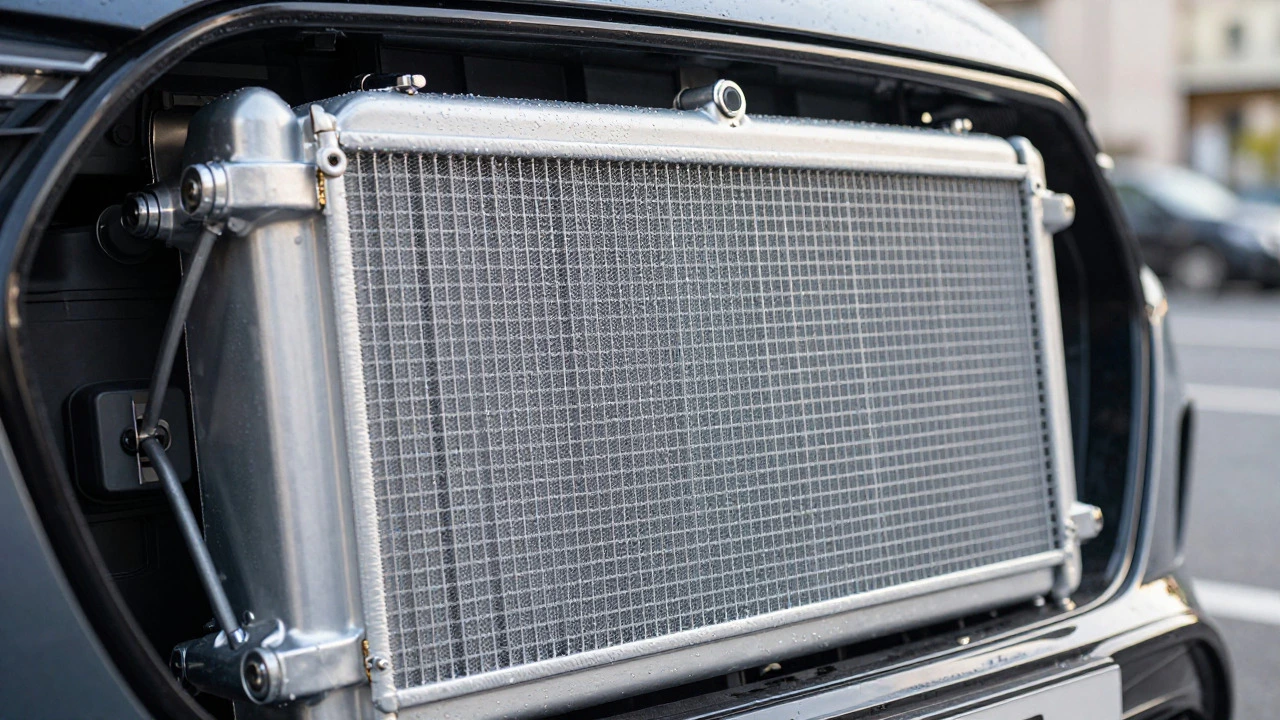
Your car’s engine runs hot. Without a functioning cooling system, that heat turns into melted plastic, warped metal, and a very expensive tow bill. The heart of that system is the car radiator, which transfers excess heat from the engine coolant to the outside air. It sits at the front of your vehicle, taking a beating from road debris, temperature swings, and chemical breakdown over time.
So, how many miles do they actually last? There is no single number stamped on the part, but most modern radiators are designed to last between 80,000 and 100,000 miles. In terms of years, that usually translates to five to ten years of service. However, this isn't a guarantee. A radiator in a dusty construction zone will fail much sooner than one on a pristine highway commute. Conversely, neglecting basic maintenance can kill a radiator in under 50,000 miles.
What Determines How Long a Radiator Lasts?
The lifespan of a radiator depends heavily on its construction materials and the environment it operates in. Older vehicles often used all-copper or brass radiators. These were heavy but incredibly durable and easy to repair. Modern cars almost exclusively use aluminum cores with plastic tanks. Aluminum is lighter and dissipates heat efficiently, but it is more susceptible to corrosion if the coolant chemistry goes off balance.
Here are the primary factors that dictate whether your radiator hits 100k miles or quits at 60k:
- Coolant Quality: This is the biggest variable. Coolant (or antifreeze) contains inhibitors that prevent rust and scale buildup inside the tiny tubes of the radiator. When these inhibitors break down-usually every two to five years-the internal surfaces start to corrode.
- Driving Conditions: Stop-and-go city driving generates more heat cycles than steady highway cruising. Extreme heat puts additional stress on the system, while extreme cold requires the coolant to work harder to prevent freezing.
- Physical Damage: Because the radiator sits at the very front of the car, it is vulnerable to rocks, sticks, and minor collisions. A small dent can collapse internal fins, reducing airflow and causing overheating even if there is no visible leak.
- Maintenance History: Did you flush the old coolant out when you changed the oil? Or did you just top it off with water? Mixing incompatible coolants or letting the mixture become too diluted accelerates internal wear.
Signs Your Radiator Is Failing Before It Dies
Radiators rarely announce their retirement with a warning light. Usually, the symptoms creep up on you. Ignoring these early signs is what turns a $300 repair into a $2,000 engine replacement. Watch for these specific indicators:
- Overheating Gauge: If your temperature gauge climbs higher than normal, especially in traffic, your radiator isn't shedding heat fast enough. This could be a clogged core, a broken fan, or a leaking radiator.
- Visible Leaks: Look under your car after it has been parked overnight. Puddles of green, orange, or pink fluid are not normal. Even a slow drip reduces the system's pressure and efficiency.
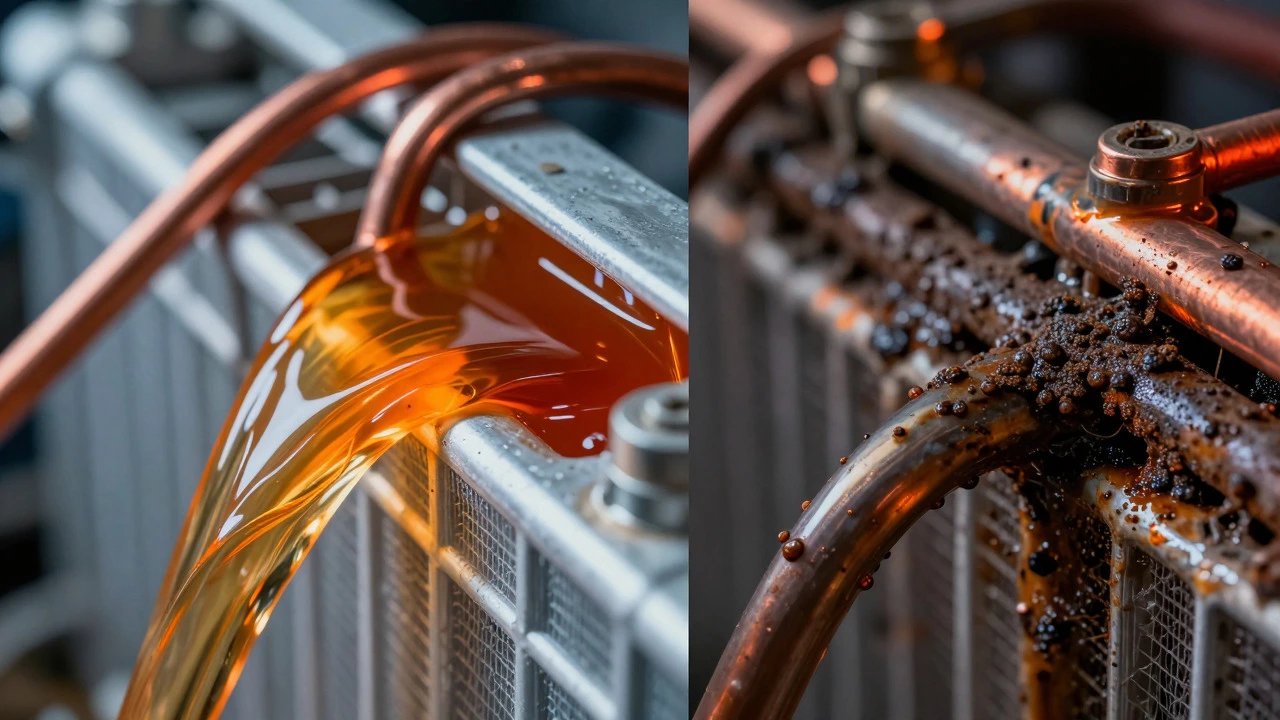
- Discolored Coolant: Pull the radiator cap (only when the engine is cold!). The fluid should be bright and clear. If it looks rusty, muddy, or has floating particles, corrosion is eating away at the internal tubes.
- Sweet Smell: Ethylene glycol, the base of most coolants, has a distinct sweet odor. If you smell it coming from under the hood, you likely have a leak.
- Sludge Buildup: Inside the overflow tank, you might see gel-like sludge. This is a sign that the coolant additives have separated and failed to protect the metal components.
Aluminum vs. Copper: Does Material Matter for Longevity?
If you are working on an older classic car, you might still encounter copper or brass radiators. These materials are naturally resistant to corrosion and can last indefinitely if maintained properly. They are also easier to solder and repair. However, they are heavy and less efficient at heat transfer compared to modern standards.
Modern aluminum radiators are the industry standard because they are lightweight and cost-effective to manufacture. But aluminum reacts poorly with certain types of coolant. Using the wrong type of antifreeze can cause galvanic corrosion within months. This is why following the manufacturer's specified coolant type is critical for longevity.
| Feature | Aluminum (Modern) | Copper/Brass (Older) |
|---|---|---|
| Typical Lifespan | 80,000 - 100,000 miles | 100,000+ miles (if maintained) |
| Heat Efficiency | High | Moderate |
| Corrosion Resistance | Low (requires specific coolant) | High |
| Repairability | Difficult (often replaced) | Easy (solderable) |
| Weight | Light | Heavy |
How to Extend Your Radiator's Life
You don't need to be a mechanic to keep your cooling system healthy. Simple, regular maintenance can add tens of thousands of miles to your radiator's life. Here is what you should do:
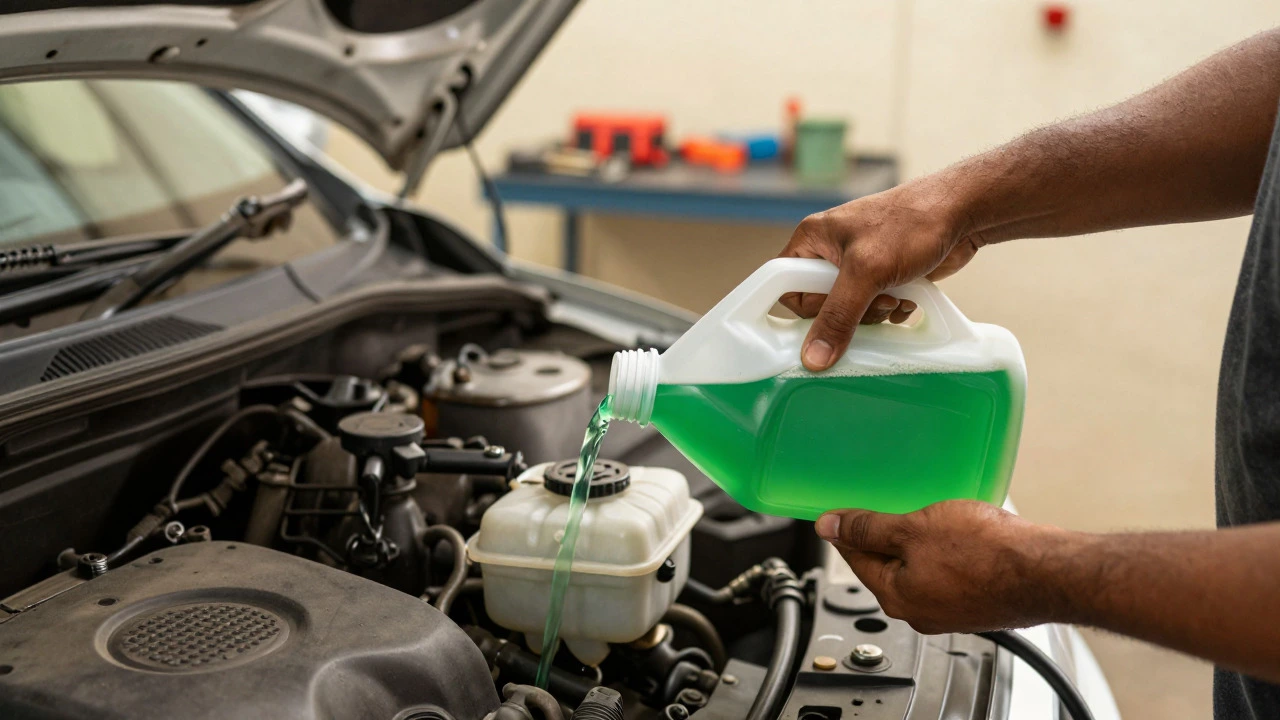
- Flush and Replace Coolant Regularly: Check your owner's manual for the recommended interval. For most modern cars, this is every 50,000 to 100,000 miles, or every three to five years. Flushing removes the corrosive byproducts that accumulate over time.
- Check Levels Monthly: Look at the overflow reservoir. If the level is dropping consistently, you have a leak somewhere. Fixing a small hose clamp issue now prevents a catastrophic failure later.
- Inspect Hoses and Clamps: Rubber hoses dry out and crack over time. Squeezing them gently can reveal soft spots or bulges. Tight clamps ensure a seal against pressure spikes.
- Keep It Clean: Dirt, bugs, and leaves can clog the fins on the outside of the radiator. Use compressed air or a gentle stream of water to clean the exterior during routine washes. Blocked fins mean poor heat exchange.
- Use the Right Coolant: Never mix different colors unless you are sure they are compatible. Universal coolants exist, but sticking to the OEM specification is always safer for aluminum systems.
Repair vs. Replace: When Is It Time to Give Up?
Not every leak means you need a brand-new unit. Sometimes, a simple fix extends the life of the current radiator. However, knowing when to cut your losses is crucial.
Repair makes sense if:
- The leak is in a plastic tank and can be welded or sealed with epoxy (temporary fix).
- A hose connection is loose or cracked.
- The radiator cap is faulty (a cheap replacement that saves the whole system).
Replacement is necessary if:
- The core itself is leaking. Internal tube leaks are nearly impossible to patch reliably.
- There is significant internal corrosion or sludge. Cleaning it out is labor-intensive and often ineffective.
- The radiator has been physically crushed or dented deeply, restricting airflow.
In 2026, new aftermarket radiators are widely available and affordable for most common vehicles. For a typical sedan, a replacement might cost between $300 and $600 including labor. For luxury or European brands, prices can exceed $1,000. Compare this to the cost of a blown head gasket ($1,500+) or a warped cylinder head ($2,000+), and replacing a failing radiator is a bargain.
Frequently Asked Questions
Can I drive with a bad radiator?
You should avoid driving with a bad radiator if possible. If the engine is overheating, continued driving can warp the cylinder head or blow the head gasket within minutes. If the leak is minor and the temperature remains stable, you can drive cautiously to a repair shop, but keep an eye on the gauge and carry extra coolant.
Does changing coolant extend radiator life?
Yes, significantly. Old coolant loses its anti-corrosion properties. Flushing and replacing it removes acidic byproducts and rust particles that eat away at the aluminum or copper tubes. Regular changes are the single most effective way to prolong radiator lifespan.
How much does it cost to replace a car radiator?
Costs vary by vehicle make and model. For most domestic and Asian sedans, expect to pay between $300 and $600 for parts and labor. Luxury vehicles or trucks may cost $800 to $1,200 or more. Always get a quote that includes the new thermostat and coolant flush.
Can a radiator last 200,000 miles?
It is possible, but rare. Achieving 200,000 miles requires meticulous maintenance, including regular coolant flushes, no physical damage, and moderate driving conditions. Most radiators begin to show signs of wear or leakage well before this milestone.
What happens if my radiator leaks slowly?
A slow leak gradually lowers the coolant level. Eventually, the system loses enough fluid to boil over or lose pressure, leading to overheating. You might notice steam from the hood or a drop in heater performance inside the cabin. Address slow leaks immediately to prevent engine damage.
Is it better to buy an OEM or aftermarket radiator?
OEM (Original Equipment Manufacturer) radiators guarantee fit and performance but are often more expensive. High-quality aftermarket radiators from reputable brands can offer equal or better durability at a lower price. Avoid cheap, unbranded units as they may lack proper corrosion protection.