 Oct, 13 2026
Brake Caliper Replacement Cost Estimator
Select your options below to calculate an estimated total for your brake caliper replacement.
Estimated Total Cost
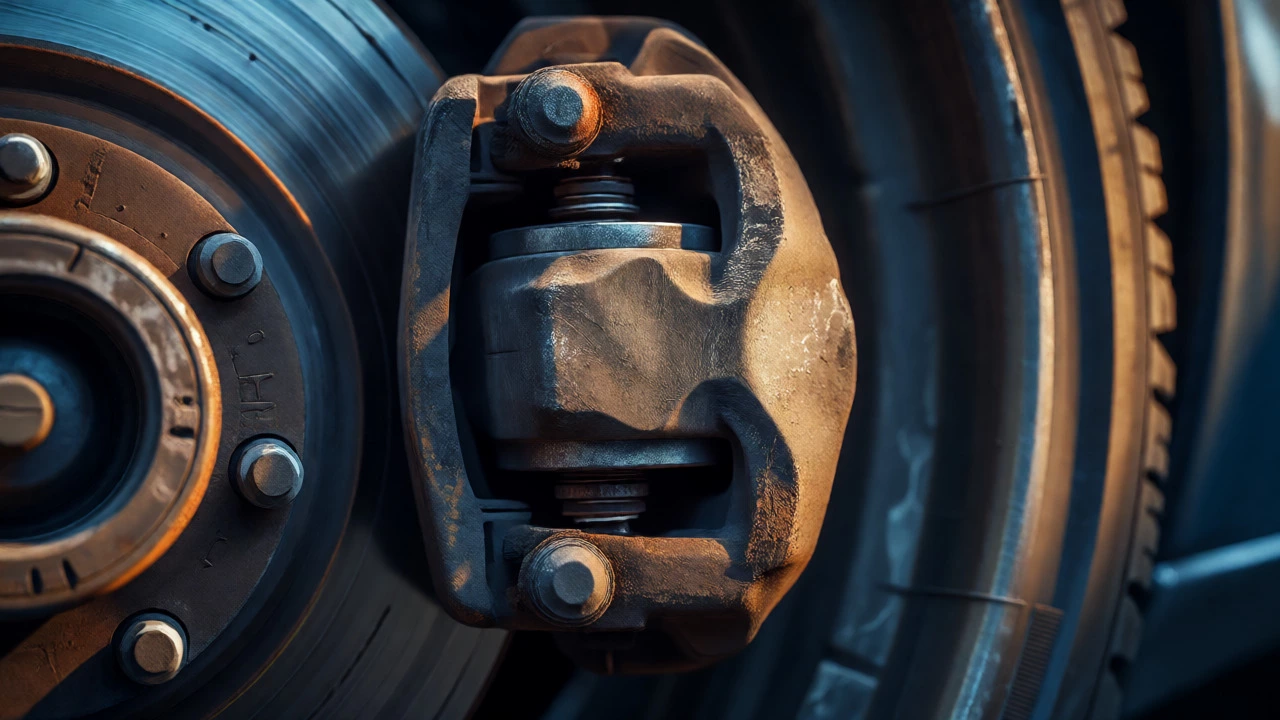
You pull into the driveway, and that familiar grinding noise hits you. The mechanic says it’s the brake caliper. You nod, but your mind is already racing through bank account balances. How much is a caliper? It’s not just one number. Depending on your car, whether you buy new or remanufactured, and if you do it yourself or pay a pro, the bill can swing from $150 to over $800 per wheel. Let’s break down exactly where that money goes so you aren’t blindsided.
The Price Tag Breakdown: New vs. Remanufactured
When you ask for a quote, the first fork in the road is part quality. A brand-new hydraulic brake caliper from an Original Equipment Manufacturer (OEM) like Brembo or Akebono typically runs between $150 and $300 per unit. These are built to exact factory specs, use high-grade seals, and come with a solid warranty. If you drive a luxury vehicle like a BMW or Mercedes, expect the higher end of that range, sometimes pushing $400 due to complex multi-piston designs.
On the other hand, remanufactured calipers are a popular budget option. These are old units cleaned, resealed, and tested. They usually cost between $80 and $150. The catch? Quality varies wildly. Some shops rebuild them poorly, leading to leaks within a year. Always check the warranty length-anything under 12 months is risky. For daily drivers like a Honda Civic or Toyota Camry, a reputable remanufactured unit often works fine. But if you tow heavy loads or drive aggressively, stick to new.
| Caliper Type | Price Range (Per Wheel) | Best For | Risk Factor |
|---|---|---|---|
| OEM New | $150 - $300+ | Luxury cars, performance vehicles, long-term ownership | Low |
| Aftermarket Premium | $100 - $200 | Daily drivers seeking value without OEM markup | Medium |
| Remanufactured | $80 - $150 | Budget repairs, older vehicles, short-term fixes | High |
| Economy Aftermarket | $60 - $90 | Emergency repairs, selling soon | Very High |
Labor Costs: Why the Bill Doubles
Buying the part is only half the battle. Most people forget that replacing a caliper isn’t a simple bolt-on swap. It involves bleeding the brake lines, compressing pistons, and often removing the rotor. At an independent shop, labor rates hover around $100 to $150 per hour. A standard front caliper replacement takes about 1 to 1.5 hours per side. So, add another $100 to $200 to your total per wheel.
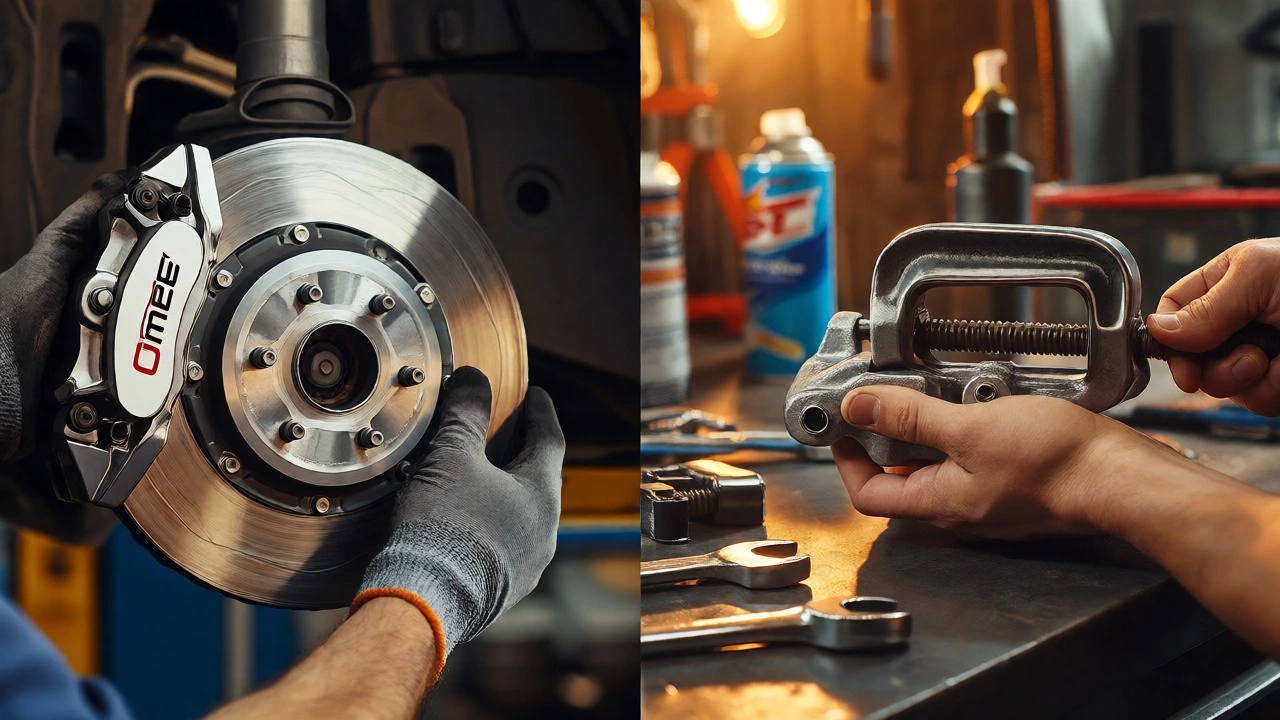
Dealerships charge more, often $150 to $250 per hour. Why? They use proprietary diagnostic tools and guarantee their work. If you’re handy, DIY saves massive amounts. You’ll need a C-clamp or piston tool, brake cleaner, fresh fluid, and basic wrenches. Just remember: brakes are safety-critical. If you mess up the bleed procedure, you lose stopping power. Only tackle this if you’ve done basic maintenance before.
Hidden Costs That Sneak Up on You
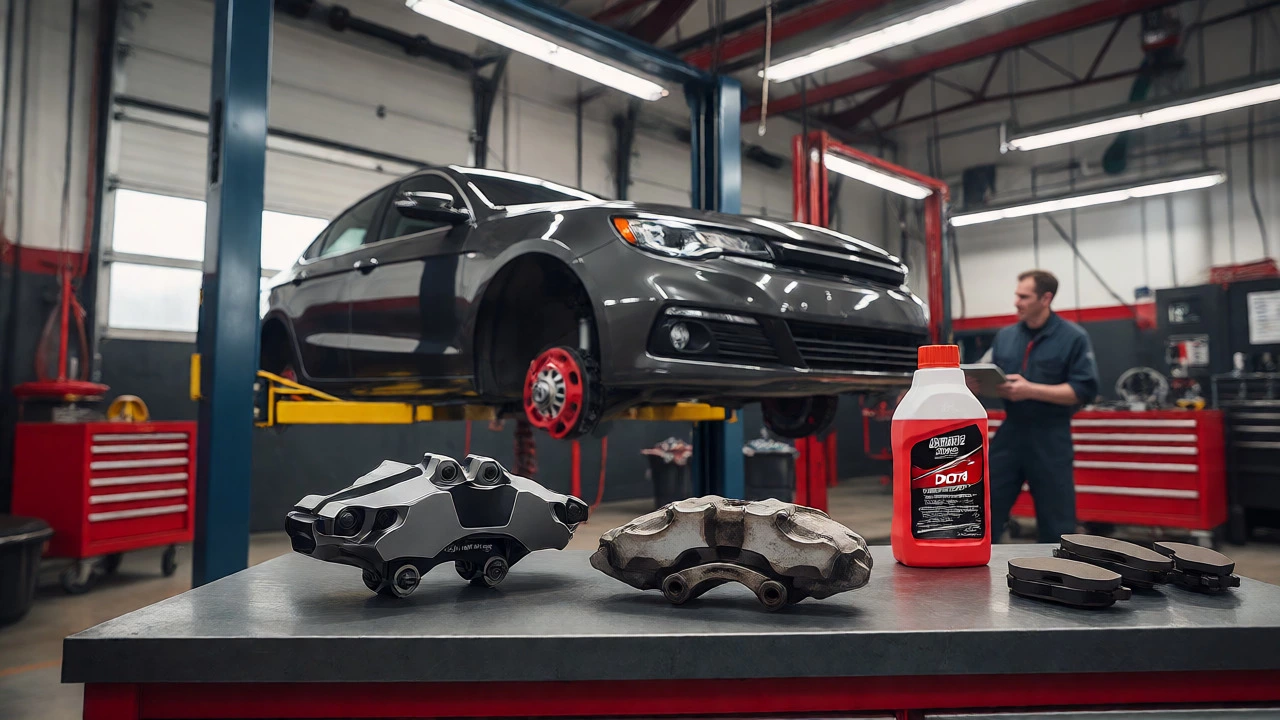
Here’s the thing nobody tells you upfront: when one caliper fails, the other one on the same axle is probably next. Mechanics almost always recommend replacing calipers in pairs. Why? Because the new caliper will have tighter tolerances than the old one, causing uneven braking. This pulls your car to one side during stops. So, if you quoted $200 for one side, double it. Plus, you’ll likely need new brake pads since they were worn out by the stuck caliper. That’s another $50 to $100 per axle.
Don’t forget the brake fluid. Every time you open the hydraulic system, you should flush the old fluid. Moisture gets in, lowering the boiling point. A quart of DOT 3 or DOT 4 fluid costs $10, but the labor to flush it adds another $50 to $80. Small stuff, but it adds up fast.
DIY vs. Professional: When to Pay Someone
Can you save money doing it yourself? Yes, potentially hundreds. But weigh the risks. Modern cars often have electronic parking brakes integrated into the rear calipers. On a Volkswagen Golf or Ford F-150, retracting the rear piston requires a scan tool or specific winding adapter. Wrong move? You crack the housing. Cost of error: $200 part plus wasted time.
- Do It Yourself If: Your car has manual parking brakes, you have basic tools, and you’re comfortable with hydraulic systems.
- Hire a Pro If: You have electronic parking brakes, ABS modules involved, or you lack the time to troubleshoot leaks.
A quick rule of thumb: If the labor quote is less than twice the part cost, let the mechanic handle it. Their expertise ensures no air bubbles in the lines and proper torque specs on the bolts.
Vehicle-Specific Examples
Let’s look at real-world scenarios. For a 2018 Toyota Corolla, a common economy sedan, you might pay $120 for a remanufactured front caliper and $150 for labor. Total per side: $270. Replace both fronts? Around $540 plus pads.
Now consider a 2022 Ford Mustang GT. The performance brakes use larger rotors and multi-piston calipers. An OEM caliper here costs $250. Labor is higher due to complexity-maybe $200 per side. Total per wheel jumps to $450. Both fronts? Over $900 before pads. See how quickly "cheap" becomes expensive?
Electric vehicles (EVs) like the Tesla Model 3 present another twist. Regenerative braking means calipers last longer, but when they fail, parts are specialized. Expect to pay premium prices because fewer suppliers make them. Always get three quotes for EVs; prices vary widely based on local inventory.
Signs You Actually Need a Replacement
Before you spend the money, confirm the diagnosis. Not every brake noise means a bad caliper. Look for these specific symptoms:
- Pulling to one side: The car veers left or right when braking gently. This indicates a seized caliper piston on one side.
- Uneven pad wear: One set of pads is completely gone while the other looks new. Visual inspection confirms this.
- Leaking fluid: Check behind the wheel. Wetness near the caliper body means a seal failure. No leak? Maybe just a sticky slide pin.
- Overheating smell: A constant burning odor after driving suggests the caliper isn’t releasing, dragging the pads against the rotor.
If you see wetness or severe uneven wear, replacement is non-negotiable. If it’s just noise, try cleaning and lubricating the slide pins first. That’s a $10 fix versus a $200 part.
Frequently Asked Questions
Is it safe to drive with a bad caliper?
Short distance yes, long trips no. A seized caliper causes excessive heat, which can warp your rotor or boil brake fluid, leading to sudden loss of pressure. If the pedal feels soft or spongy, stop driving immediately.
Why do mechanics insist on replacing calipers in pairs?
New calipers have different internal friction levels than old ones. Mixing them causes uneven braking force, making the car pull to one side. Replacing both ensures balanced stopping power and prevents premature wear on the new pads.
Can I just clean and lubricate my existing calipers?
Sometimes. If the issue is sticky slide pins, cleaning and greasing them restores movement. However, if the piston itself is corroded inside the bore or seals are leaking, cleaning won't help. Replacement is required for internal failures.
Are remanufactured calipers reliable?
It depends on the rebuilder. Major brands like Cardone offer warranties and rigorous testing, making them quite reliable. Generic store-brand remans can be hit-or-miss. Always choose a unit with at least a 1-year unlimited mileage warranty.
How long does a caliper last?
Typically 75,000 to 100,000 miles. However, salt-belt climates accelerate corrosion, potentially cutting lifespan in half. Regular washing of wheel wells helps prevent rust buildup on the caliper body.
Next Steps for Your Repair
Ready to act? Start by checking your VIN online at sites like RockAuto or AutoZone to see exact fitment and current pricing. Compare two options: a mid-tier aftermarket part versus a remanufactured one. Call three local shops for labor estimates. Ask specifically if they include brake fluid flush in the quote. Many hide it as an extra fee later.
If you decide to DIY, buy a complete hardware kit including shims and clips. Old metal clips often snap during removal, and replacements are cheap insurance. Torque specs matter-use a torque wrench to tighten mounting bolts to manufacturer specifications. Overtightening cracks the bracket; undertightening causes wobble and noise.
Finally, keep receipts. If you sell your car soon, showing recent brake component replacements adds value and trust. A well-documented service history proves you maintained the vehicle properly, helping you negotiate a better trade-in price.