 Aug, 11 2026
Car Tire Cost Calculator
Enter Your Details
Estimated Total Cost
Total Estimated Price:
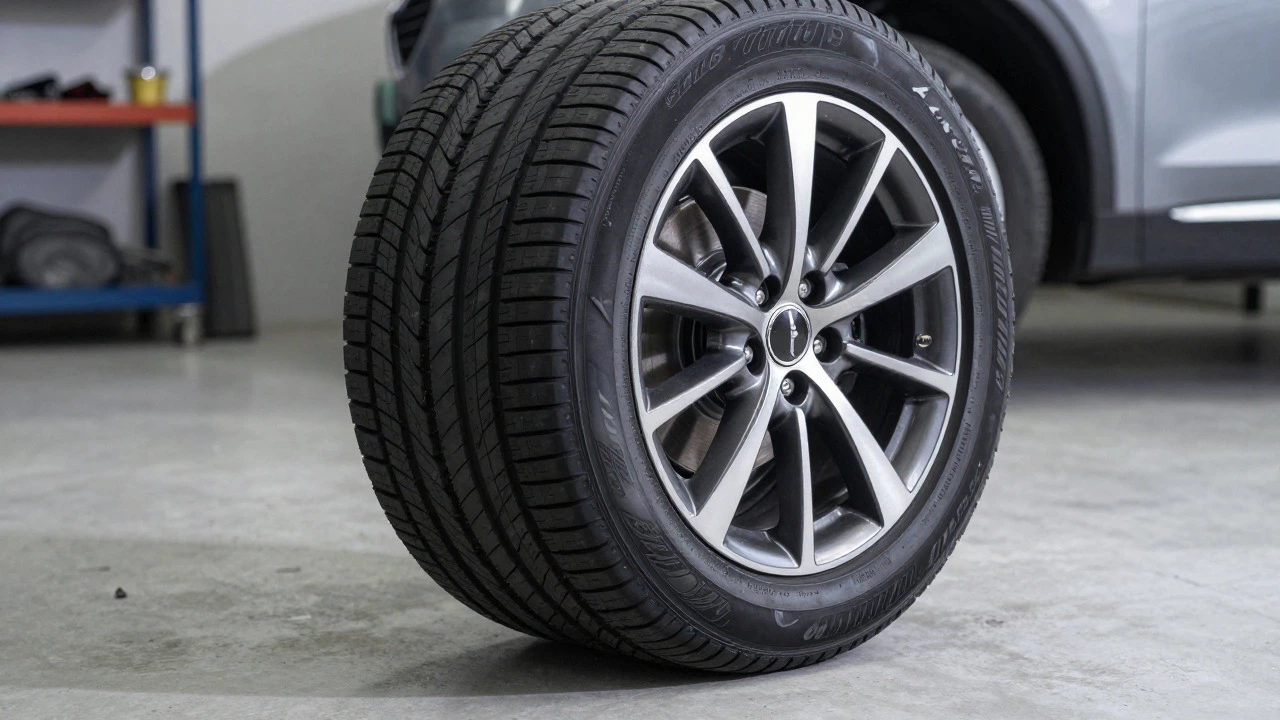
There is no single price tag for a car tire. You could walk into a shop and pay $45 for a basic spare or drop $300 on a high-performance summer compound. The confusion comes from the sheer variety of rubber out there. To give you a realistic number for 2026, an average passenger car owner should expect to spend between $80 and $150 per tire for standard all-season models. If you are buying a set of four, that puts your total parts cost roughly between $320 and $600 before labor.
However, knowing the sticker price is only half the battle. The final bill changes based on your vehicle type, the brand you choose, and where you buy them. Let’s break down exactly what drives these costs up or down so you can budget accurately without getting ripped off.
The Base Cost: What Determines the Price?
Tire pricing isn't random. It is calculated based on material costs, manufacturing complexity, and performance capabilities. When you look at a price list, you are seeing the result of three main factors: size, tread pattern, and brand tier.
Size is the biggest variable. A compact sedan like a Honda Civic uses smaller tires (often 15 or 16 inches) which use less rubber and cost less. An SUV like a Ford Explorer requires larger, heavier tires (18 to 22 inches) that require more raw materials and advanced engineering to handle the extra weight. As the diameter increases, the price jumps significantly. A 17-inch tire might cost $90, while a 20-inch version of the same model could easily hit $180.
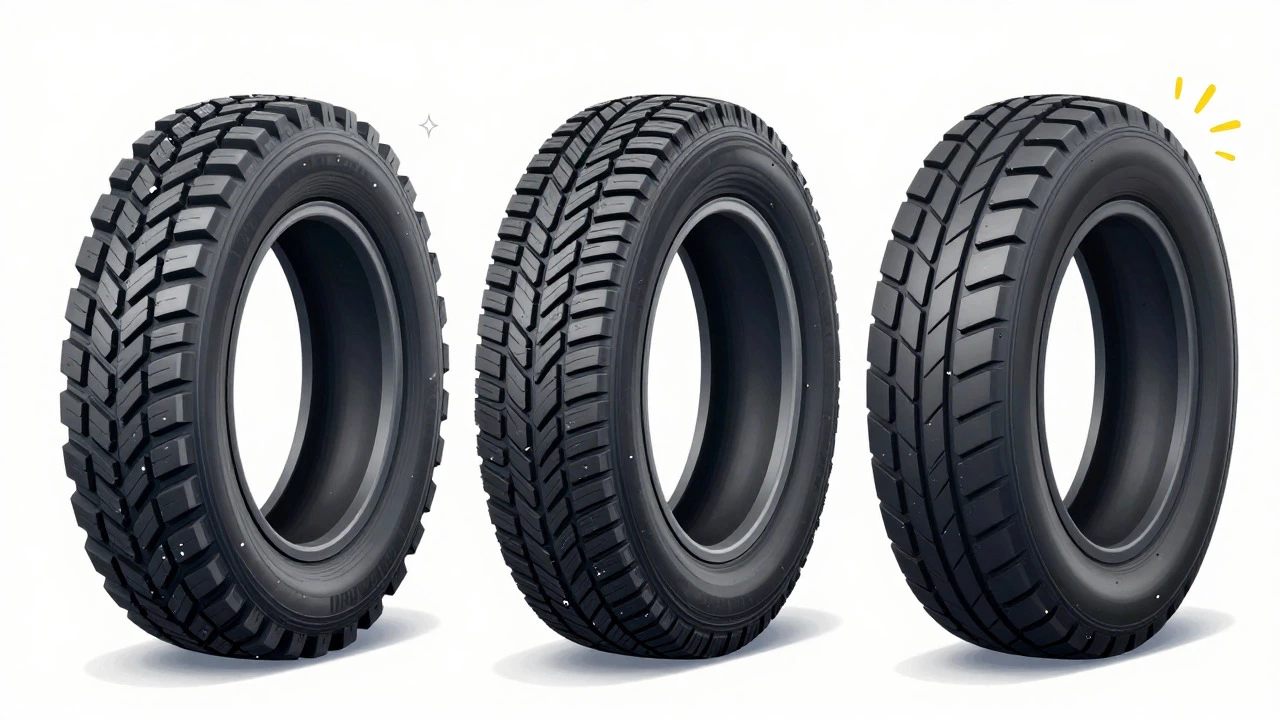
Next is the tread design. All-season tires are the most common and generally offer the best value because they are designed to do everything adequately in rain, snow, and heat. Specialized tires cost more. Winter tires use softer compounds with intricate siping to grip ice, making them pricier than basic all-seasons. Performance summer tires sacrifice durability for grip, using expensive silica-based compounds that wear out faster but provide superior handling.
Finally, brand reputation plays a role. Premium brands invest heavily in research and development, testing their products on professional tracks and extreme weather conditions. This R&D cost is passed on to the consumer. Budget brands often copy successful designs from premium lines, offering decent performance at a lower price point, though sometimes with less consistent quality control.
Price Tiers: Budget, Mid-Range, and Premium
To help you navigate the options, we can group tires into three distinct price tiers. Understanding where your needs fit will help you decide if you need to spend more or if saving money is a safe bet.
| Tier | Price Per Tire | Typical Brands | Best For |
|---|---|---|---|
| Budget | $45 - $80 | Hankook, Kumho, General Tire | High-mileage commuters, older cars, tight budgets |
| Mid-Range | $80 - $120 | Michelin Defender, Continental PureContact | Daily drivers, family sedans, balanced performance |
| Premium | $120 - $250+ | Bridgestone Potenza, Pirelli P Zero | Sports cars, luxury vehicles, extreme weather specialists |
Budget tires have become surprisingly good in recent years. Brands like Hankook and Kumho offer reliable all-season options that last for tens of thousands of miles. They are perfect if you drive mostly on highways and want to keep costs low. However, they may not perform as well in heavy rain or emergency maneuvers compared to higher-end models.
Mid-range tires strike the best balance for most people. Models like the Michelin Defender or Goodyear Assurance ComfortDrive offer long tread life, quiet rides, and solid wet traction. You pay a bit more upfront, but you get better fuel efficiency and safety features, which can save money in the long run through reduced wear and improved braking distances.
Premium tires are for those who demand the best. If you drive a BMW, Mercedes, or a sports car, you likely need tires that meet specific OEM specifications. These tires often feature run-flat technology, which allows you to drive for a short distance after a puncture, adding significant cost due to the reinforced sidewalls. While expensive, they provide unmatched handling and comfort for high-value vehicles.
Hidden Costs: Installation, Alignment, and Taxes
When you see a tire priced at $100 online, remember that this is rarely the final amount you pay. There are several additional services and fees that add up quickly. Ignoring these hidden costs is the most common reason people end up over budget.
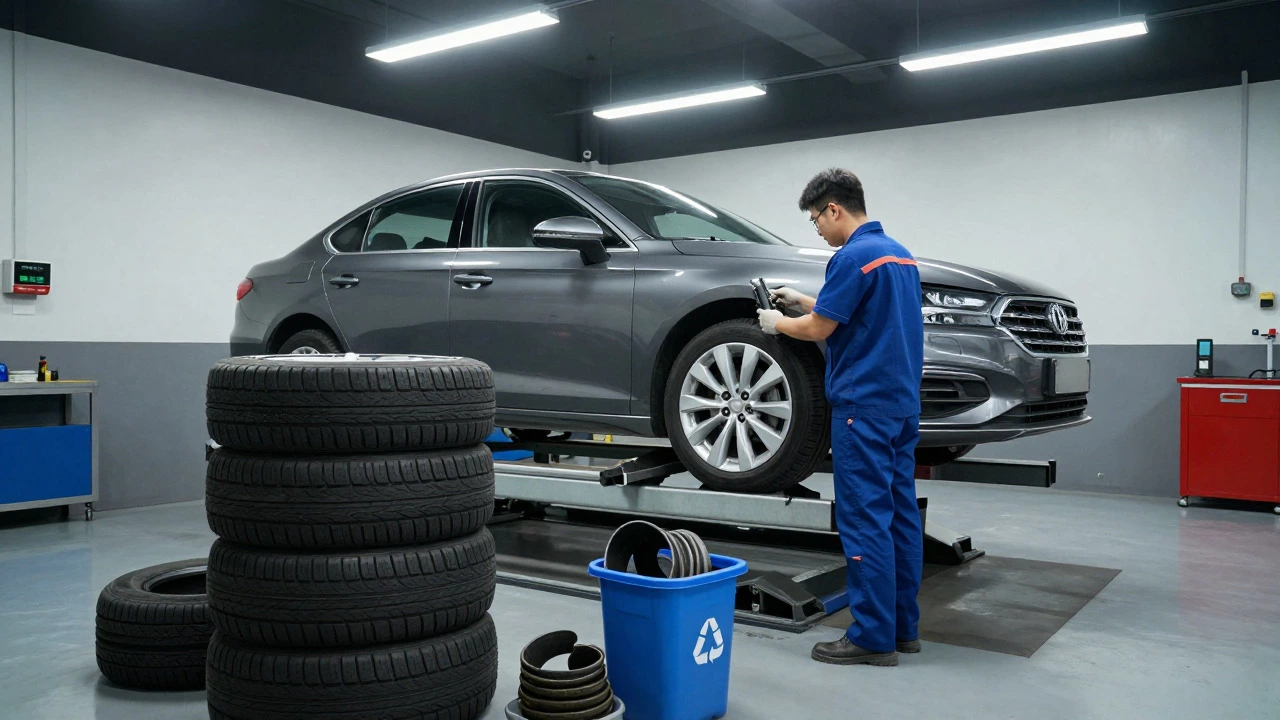
Installation is the first added expense. Mounting a tire onto a rim and balancing it requires specialized equipment and skilled labor. Shops typically charge $15 to $25 per tire for mounting and balancing. If you buy tires online and have them shipped to a local shop, you still have to pay this fee. Some retailers include installation in the package price, so always check the fine print.
Wheel alignment is another critical service. When you replace tires, especially if you are rotating them, it is wise to get an alignment check. Misaligned wheels cause uneven tire wear, meaning your new tires could be ruined in just a few thousand miles. A standard wheel alignment costs between $50 and $100. Skipping this step to save $50 today might cost you $400 in premature tire replacements later.
Don’t forget about taxes and disposal fees. In many regions, including Ontario, Canada, you must pay sales tax on both the tires and the labor. Additionally, shops charge a core fee or environmental fee (usually $5 to $10 per tire) to cover the cost of recycling your old tires. This ensures they don’t end up in landfills. So, a $100 tire could easily become a $140 line item once taxes, installation, and disposal are added.
Where to Buy: Online vs. Local Shop
Your choice of retailer affects the total price and convenience. Each option has pros and cons that depend on your time availability and technical confidence.
Online retailers like SimpleTire or Amazon often have the lowest base prices. They compete aggressively on volume and can pass savings directly to you. You can compare hundreds of models side-by-side, read thousands of reviews, and find deals easily. However, you usually have to arrange shipping and then take the tires to a local mechanic for installation. This adds a layer of hassle and potential delay if there are shipping errors.
Local tire shops and dealerships offer convenience and immediate service. You can walk in, get fitted, and leave with new tires on your car within an hour. They also provide personalized advice based on your driving habits and local road conditions. The downside is that prices are often higher due to overhead costs. Dealerships, in particular, tend to mark up tires significantly, so it is usually better to go to an independent specialist or a chain store like Costco or Canadian Tire.
Warehouse clubs like Costco are a strong middle ground. They offer competitive pricing, free lifetime rotations and flats repairs for members, and high-quality mid-range brands. If you already have a membership, this is often the most cost-effective route for standard passenger vehicles.
Factors That Increase Your Specific Cost
Some drivers face higher costs due to specific vehicle requirements. If you own a truck, SUV, or luxury car, your tire budget will naturally be higher. Here is why:
- Run-Flat Technology: Many European luxury cars come equipped with run-flat tires. These have stiff sidewalls that allow you to drive up to 50 miles after a loss of pressure. They are significantly more expensive than standard tires and harder to repair, often requiring full replacement after a puncture.
- All-Terrain Off-Road Tires: If you drive a Jeep or Toyota 4Runner off-road, you need aggressive tread patterns. These tires are heavier, use more rubber, and require complex molding processes, driving up the price by 20-30% compared to highway tires.
- Winter-Specific Needs: In places like Hamilton, Canada, winter tires are essential for safety. Dedicated winter tires are more expensive than all-seasons due to their specialized soft rubber compounds. You essentially need two sets of tires for the year, doubling your annual tire expenditure.
- Larger Wheel Sizes: Upgrading to bigger rims looks great but hurts your wallet. Larger diameters mean more material and higher aerodynamic drag, which manufacturers account for in the price. A 22-inch tire can cost twice as much as a 17-inch one.
How to Save Money Without Sacrificing Safety
You don’t need to buy the most expensive tire to stay safe. Smart shopping habits can stretch your dollar further.
First, consider used tires cautiously. Only buy used tires if you can inspect them closely. Look for even tread wear, no cracks in the sidewall, and ensure they are less than five years old. Check the DOT code on the sidewall to determine the manufacture date. Used tires can save you 50%, but they come with unknown history and shorter remaining life.
Second, watch for seasonal sales. Tire retailers often run promotions in late fall (for winter tires) and early spring (for all-seasons). Signing up for newsletters from major chains can alert you to flash sales where you might save $20-$40 per tire.
Third, maintain your current tires properly. Regular rotation every 8,000 to 10,000 kilometers ensures even wear. Keeping your tire pressure at the recommended level improves fuel economy and extends tread life. Proper maintenance can add 10,000 to 20,000 kilometers to the life of your tires, delaying the next purchase.
Finally, buy in sets. Most shops offer discounts when you purchase four tires at once rather than two. It also ensures consistent handling and wear across all wheels. Mixing old and new tires can lead to unpredictable behavior, especially in wet conditions.
Frequently Asked Questions
What is the average cost of 4 tires for a regular car?
For a standard passenger sedan, the average cost for four all-season tires ranges from $320 to $600 for the parts alone. Including installation, balancing, taxes, and disposal fees, you should budget approximately $450 to $800 total. Prices vary based on brand tier and tire size.
Are expensive tires worth the extra cost?
It depends on your driving needs. Premium tires offer better wet braking, longer tread life, and quieter rides, which justifies the cost for daily commuters and luxury car owners. Budget tires are sufficient for low-speed city driving or older vehicles where resale value is not a concern. For most drivers, mid-range tires provide the best value-to-performance ratio.
How much does tire installation cost separately?
Most shops charge between $15 and $25 per tire for mounting and balancing. This fee covers the labor and equipment usage. Some online retailers offer free installation if you ship the tires to their partner locations, but standalone local shops almost always charge this fee separately from the tire price.
Do I need winter tires if I live in a moderate climate?
If temperatures regularly drop below 7°C (45°F), all-season tires harden and lose grip. In regions like Southern Ontario, dedicated winter tires are highly recommended for safety during snowy months. They cost more initially but significantly reduce stopping distances on ice and snow, potentially preventing accidents.
Can I install tires myself to save money?
While possible with a home tire changing kit, it is generally not recommended for beginners. Improper mounting can damage the bead or the rim, leading to air leaks. Professional shops use computerized balancers that ensure smooth riding at high speeds. DIY installation saves labor costs but risks safety and longevity if not done correctly.
How often should I replace my car tires?
Tires should be replaced when the tread depth reaches 1.6mm (the legal minimum in many places) or sooner for better wet traction. Typically, this occurs every 40,000 to 60,000 kilometers depending on driving habits. Additionally, tires degrade over time; replace them if they are more than six to ten years old, regardless of tread depth, due to rubber aging.