 May, 22 2026
Calculate Your Ideal Oil Change Interval
Use this tool to determine the best maintenance schedule for your vehicle based on oil type and driving conditions.
Your Personalized Recommendation
Based on your inputs, you should change your oil every:
-- miles
Key Advice:
Your car’s dashboard light is blinking. It’s not an emergency, but it is a demand for attention. You’ve probably heard every number under the sun regarding how often you need to swap out your engine oil: 3,000 miles, 5,000 miles, 10,000 miles, or even “just when the light says so.” The truth is, there is no single magic number that fits every vehicle on the road in 2026. Relying on outdated advice can lead to unnecessary expenses, while ignoring modern engineering realities can cause catastrophic engine failure.
Understanding how often should engine oil be changed requires looking beyond the sticker on your windshield and into the chemistry of lubrication, the technology of your specific engine, and the reality of your daily commute. This guide cuts through the noise to give you a clear, actionable plan based on your vehicle’s manual, your driving habits, and the type of oil you use.
The Death of the 3,000-Mile Rule
If you grew up hearing that you must change your oil every 3,000 miles, you are carrying baggage from a different era. In the 1970s and 80s, engines were less precise, fuel quality was lower, and oil formulations were primitive. Back then, conventional mineral oil would break down relatively quickly, losing its ability to protect metal surfaces from friction and heat. The 3,000-mile rule was a safe, conservative estimate to prevent widespread engine failures.
Today, that rule is largely obsolete for most modern vehicles. Modern engines are built with tighter tolerances, better materials, and advanced cooling systems. More importantly, the oil itself has evolved dramatically. Synthetic oils, which are now standard in many new cars, are engineered at a molecular level to resist breakdown. They handle extreme temperatures far better than their conventional counterparts. If you drive a modern car and still change your oil every 3,000 miles using high-quality synthetic blend or full synthetic oil, you are likely throwing away perfectly good fluid and spending money unnecessarily. However, skipping changes entirely because “my friend said he goes 20,000 miles” is equally dangerous. Context is everything.
Synthetic vs. Conventional: Why Oil Type Matters
The biggest factor determining your change interval is the type of oil you put in your engine. Not all oils are created equal. Understanding the difference between conventional and synthetic oil is crucial for setting realistic expectations.
| Oil Type | Typical Change Interval | Best For | Key Characteristic |
|---|---|---|---|
| Conventional Oil | 3,000 - 5,000 miles | Older vehicles, severe driving conditions | Refined crude oil; breaks down faster under heat |
| Synthetic Blend | 5,000 - 7,500 miles | Mixed driving, moderate climates | Combination of conventional and synthetic; balanced performance |
| Full Synthetic | 7,500 - 10,000+ miles | Modern engines, extreme temps, high performance | Chemically engineered; superior stability and protection |
Conventional oil is derived directly from crude oil. It works fine for older engines or those that don’t face high stress, but it contains impurities that can lead to sludge buildup over time. Full synthetic oil, on the other hand, is manufactured in a lab. Its molecules are uniform and designed to flow smoothly even in freezing Canadian winters or scorching summer traffic. If your owner’s manual specifies synthetic oil, stick to it. Using conventional oil in an engine designed for synthetic can void warranties and reduce efficiency.
Decoding Your Owner’s Manual
Your vehicle’s owner’s manual is the ultimate authority. Manufacturers spend millions of dollars testing their engines with specific oil grades and intervals. When you buy a car, the manual provides two schedules: “Normal Service” and “Severe Service.” Most people ignore the distinction, assuming they always drive normally. But what does “normal” actually mean?
“Normal service” typically assumes highway driving, moderate temperatures, and trips longer than 10 miles. Under these conditions, many modern cars equipped with full synthetic oil can go 10,000 miles or more between changes. “Severe service,” however, covers a much broader range of scenarios that accelerate oil degradation. If any of the following apply to you, you should follow the severe schedule, which often shortens the interval by 20-30%:
- Frequent short trips (less than 5-10 miles) where the engine doesn’t reach optimal operating temperature.
- Driving in extreme cold (below -20°C) or extreme heat (above 35°C).
- Towing heavy loads or hauling passengers regularly.
- Stop-and-go city driving or frequent idling.
- Driving on dusty, sandy, or unpaved roads.
Living in Hamilton, Canada, means you experience both ends of the temperature spectrum. Winter commutes involving short distances to work can fall squarely into the “severe” category because the engine stays cool, preventing moisture from evaporating out of the oil. This moisture mixes with contaminants to form acids that eat away at engine components. Ignoring this nuance is a common mistake that leads to premature wear.
The Role of Oil Life Monitors
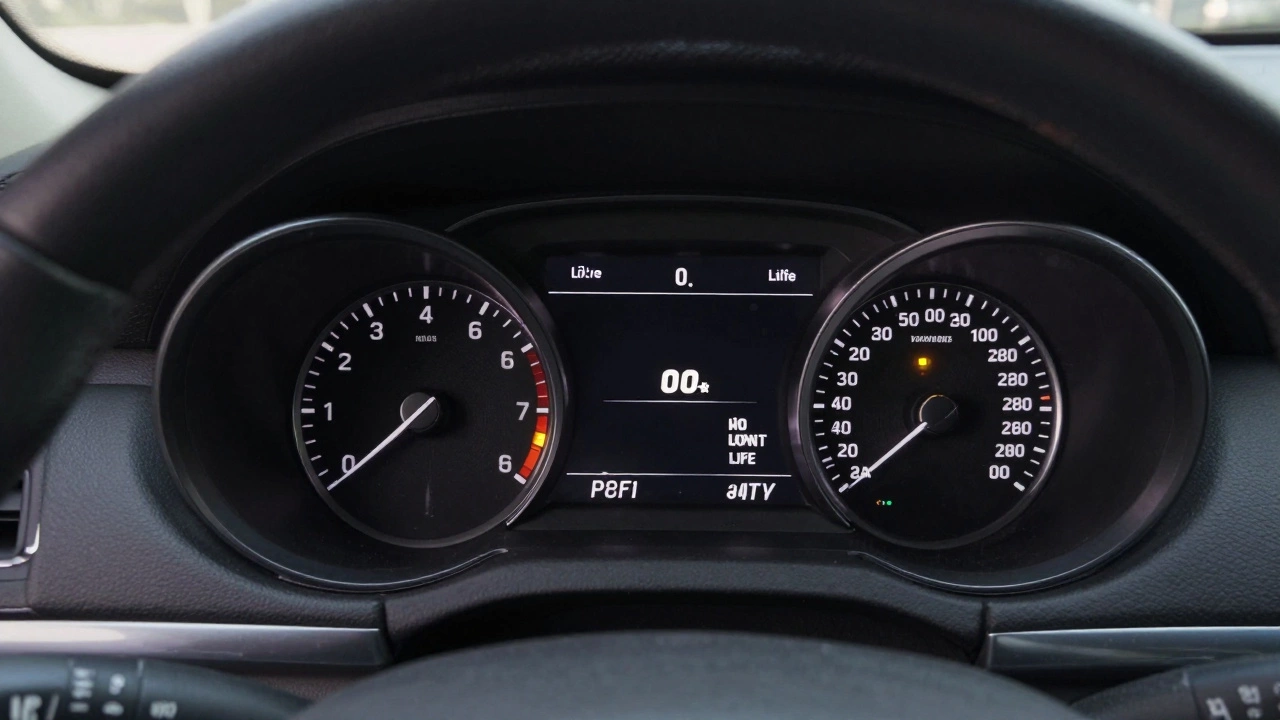
Most cars manufactured after 2010 come with an Oil Life Monitor (OLM). This computerized system tracks various inputs-engine revolutions, temperature, mileage, and driving style-to calculate how much life is left in your oil. It’s a sophisticated tool, but it’s not infallible. The OLM estimates remaining life based on algorithms programmed by the manufacturer. It assumes you are using the correct oil grade and that the filter is changed every time.
Should you trust it blindly? Generally, yes. If your monitor says 15% oil life remains, you have some buffer before it hits zero. However, the monitor doesn’t know if you recently started towing a trailer or if you’ve been driving through construction dust. It also doesn’t account for oil leaks. If your oil level drops significantly between changes, the remaining oil is working harder and degrading faster. Use the monitor as a guide, not a gospel. If you know your driving conditions have worsened, don’t wait for the light to turn red. Check the dipstick monthly. If the oil looks dark, gritty, or smells like burnt toast, change it immediately, regardless of what the computer says.
Signs Your Oil Needs Changing Now
Sometimes, you don’t need a calendar or a computer to tell you something is wrong. Your senses can provide immediate feedback. Here are the physical signs that your engine oil has reached the end of its useful life:
- Dark, Dirty Oil: Fresh oil is amber and translucent. Used oil turns black due to soot and contaminants. While black oil isn’t always bad (modern detergents keep dirt suspended), if it’s thick and opaque, it’s time for a change.
- Engine Noise: Clean oil lubricates moving parts silently. As oil breaks down, it becomes thinner and loses its protective film. You might hear ticking, knocking, or rumbling sounds, especially during startup. This indicates increased friction and potential metal-on-metal contact.
- Burning Smell: A distinct burning odor inside or outside the car suggests oil is leaking onto hot exhaust components or that the oil is overheating and breaking down chemically.
- Exhaust Smoke: Blue or gray smoke from the tailpipe often means oil is burning in the combustion chamber. This could be due to worn seals or excessive oil consumption, signaling a need for inspection and an oil top-up or change.
- Check Engine Light: While not specific to oil, low oil pressure or poor oil quality can trigger sensor warnings. Never ignore this light.
The Importance of the Oil Filter
Changing your oil without replacing the oil filter is like washing your hands with dirty soap. The filter traps metal shavings, carbon deposits, and other particulates that circulate in the engine. Over time, the filter becomes clogged. If you pour fresh, clean oil into an engine with a saturated filter, the old contaminants can wash back into the system, contaminating the new oil almost immediately. Always replace the filter with every oil change. High-quality filters from reputable brands ensure proper flow rates and filtration efficiency, protecting your engine investment.
Cost-Benefit Analysis: DIY vs. Professional Service
In 2026, labor costs at dealerships and independent shops continue to rise. A quick lube shop might charge $40-$60 for a conventional oil change, while a dealership could charge $80-$120 for synthetic. Doing it yourself can save you significant money, provided you have the right tools: a jack, jack stands, a wrench set, an oil filter wrench, a drain pan, and a funnel. The process takes about 30-45 minutes for most sedans.
However, consider the environmental impact. Disposing of used oil improperly is illegal and harmful. Many auto parts stores accept used oil and filters for free recycling. If you choose DIY, make sure you have a plan for disposal. Also, professional services often include multi-point inspections, checking tire pressure, brakes, and fluid levels. If you’re not mechanically inclined, the convenience and safety net of a professional service may outweigh the cost savings.
Common Myths Debunked
Misinformation about engine maintenance persists online. Let’s clear up a few myths that could cost you money or damage your engine.
Myth: “If I change my oil early, it’s better for the engine.” Reality: Over-changing oil wastes resources and money. Modern oils are formulated to last specific intervals. Changing them too soon doesn’t provide additional benefits and increases your carbon footprint.
Myth: “High mileage oil is necessary for older cars.” Reality: High mileage oils contain additives to condition seals and reduce leaks. They aren’t strictly necessary unless your car is showing signs of minor leaks or burning oil. Regular synthetic oil works well for most older engines too.
Myth: “The color of the oil tells me exactly how dirty it is.” Reality: As mentioned, modern detergents keep oil dark by suspending contaminants. Black oil isn’t necessarily bad oil. Viscosity and additive depletion are more critical factors than color alone.
Creating Your Personal Maintenance Schedule
To determine your ideal change interval, combine three data points: your owner’s manual recommendation, your oil type, and your driving conditions. Start with the manual’s severe service interval if you live in a climate with harsh winters or do a lot of city driving. If you mostly cruise on highways in mild weather, you can extend towards the normal service interval. Write this date or mileage down in your phone or calendar. Set a reminder for 500 miles before the due date to give yourself flexibility.
Consistency is key. Whether you choose 5,000 miles or 10,000 miles, sticking to a regular schedule prevents the accumulation of sludge and acid buildup. Your engine is the heart of your vehicle. Treating it with respect through proper lubrication ensures it runs smoothly, efficiently, and reliably for years to come. Don’t guess. Know your car, know your oil, and drive with confidence.
What happens if I wait too long to change my engine oil?
Waiting too long causes oil to break down, leading to increased friction, overheating, and sludge buildup. This can result in reduced engine performance, higher fuel consumption, and potentially catastrophic engine failure requiring expensive repairs or replacement.
Is synthetic oil really worth the extra cost?
Yes, for most modern vehicles. Synthetic oil offers superior protection against wear, handles extreme temperatures better, and lasts longer than conventional oil. While it costs more per quart, the extended change intervals often balance out the total annual cost, plus it extends engine life.
Can I check my oil level myself?
Absolutely. Park on level ground, let the engine cool for a few minutes, pull the dipstick, wipe it clean, reinsert it fully, and pull it out again to read the level. Ensure it’s between the “min” and “max” marks. Do this monthly to catch leaks early.
Does driving in winter require more frequent oil changes?
Short winter trips can necessitate more frequent changes because the engine doesn’t get hot enough to burn off moisture and condensation in the oil. This moisture creates acidic sludge. If you primarily drive short distances in cold weather, follow the “severe service” schedule in your manual.
How do I know if my oil filter needs replacing?
You should replace the oil filter every time you change your oil. There is no way to accurately gauge its remaining capacity visually. A clogged filter restricts oil flow, starving the engine of lubrication. Always use a new filter with fresh oil.