 May, 29 2026
Wiper Blade Lifespan Calculator
Enter Your Details
Ready to Check
Enter your details on the left to calculate when your wiper blades will expire and when you should inspect them next.
It starts as a faint squeak. Then comes the chatter-your windshield wipers skipping across the glass like a stone on a pond. By the time you’re driving through a heavy downpour in Hamilton, Ontario, and can’t see the car ahead because of smeared streaks, it’s too late to panic. You know you should have replaced them sooner. But when is "sooner"? The short answer is every six to twelve months. The real answer depends on your climate, how often you drive, and whether you actually look at those rubber strips before they fail.
We tend to ignore windscreen wipers are critical safety components that clear rain, snow, and debris from your vehicle's windshield until they stop working. They are cheap, easy to replace, and vital for visibility. Ignoring them isn't just annoying; it’s dangerous. Let’s break down exactly when to swap them out, how to spot the warning signs early, and why waiting for a storm is a bad idea.
The General Rule: Six to Twelve Months
If you want a simple rule of thumb, aim for replacement every six to twelve months. This timeline assumes average usage. However, "average" varies wildly depending on where you live. If you park your car under a tree covered in sap, or if you live in an area with intense summer sun and harsh winter freezes, your wiper life expectancy drops significantly.
Rubber degrades over time due to exposure to ultraviolet (UV) light, ozone, and extreme temperatures. Even if you never use your wipers, the rubber hardens and cracks. In places like Canada, where we swing between freezing winters and humid summers, this thermal cycling accelerates wear. A blade that looks fine in July might be brittle by January.
- Six-month check: Inspect your blades every six months. Replace if you notice any stiffness or minor streaking.
- Twelve-month max: Never keep blades longer than a year, regardless of condition. The rubber has likely degraded internally even if it looks okay.
5 Clear Signs Your Wiper Blades Need Replacing
You don’t need a mechanic to tell you when your wipers are done. Your eyes will tell you long before your hands do. Here are the five most common indicators that it’s time to buy new ones.
- Streaking: If you see thin lines of water left behind after a wipe, the rubber edge is no longer making full contact with the glass. This is usually the first sign of wear.
- Squeaking or Chattering: A healthy wiper glides silently. If yours make a screeching noise or jump across the windshield, the rubber has hardened or the frame is bent.
- Skipping Patches: Does part of the windshield stay wet while other parts are dry? This means the blade is warped or the rubber has split, preventing even pressure distribution.
- Visible Cracks or Tears: Pull back the rubber sleeve. If you see nicks, tears, or cracks in the blade itself, replace it immediately. These imperfections trap dirt and worsen streaking.
- Bent Frame: Check the metal or plastic skeleton inside the rubber. If it’s twisted or loose, the blade won’t sit flat against the curved windshield.
Why Climate Matters More Than You Think
Your local weather plays a huge role in wiper longevity. Living in a mild, coastal climate might extend blade life to 18 months. Living in a region with heavy snowfall, road salt, and temperature swings below -20°C cuts that lifespan in half.
In winter, ice accumulates on the blades. Many drivers scrape the ice off their windshield but forget to lift the wiper arm gently to clear the rubber. Leaving the wipers pressed against frozen glass can bend the arms or tear the rubber seal. Additionally, road salt is corrosive. It eats away at the metal frames and dries out the rubber compounds faster.
Summer heat is equally damaging. UV rays break down the molecular structure of natural rubber. If you park outside during hot months, consider using a windshield cover or parking in shade to protect both your glass and your wipers.
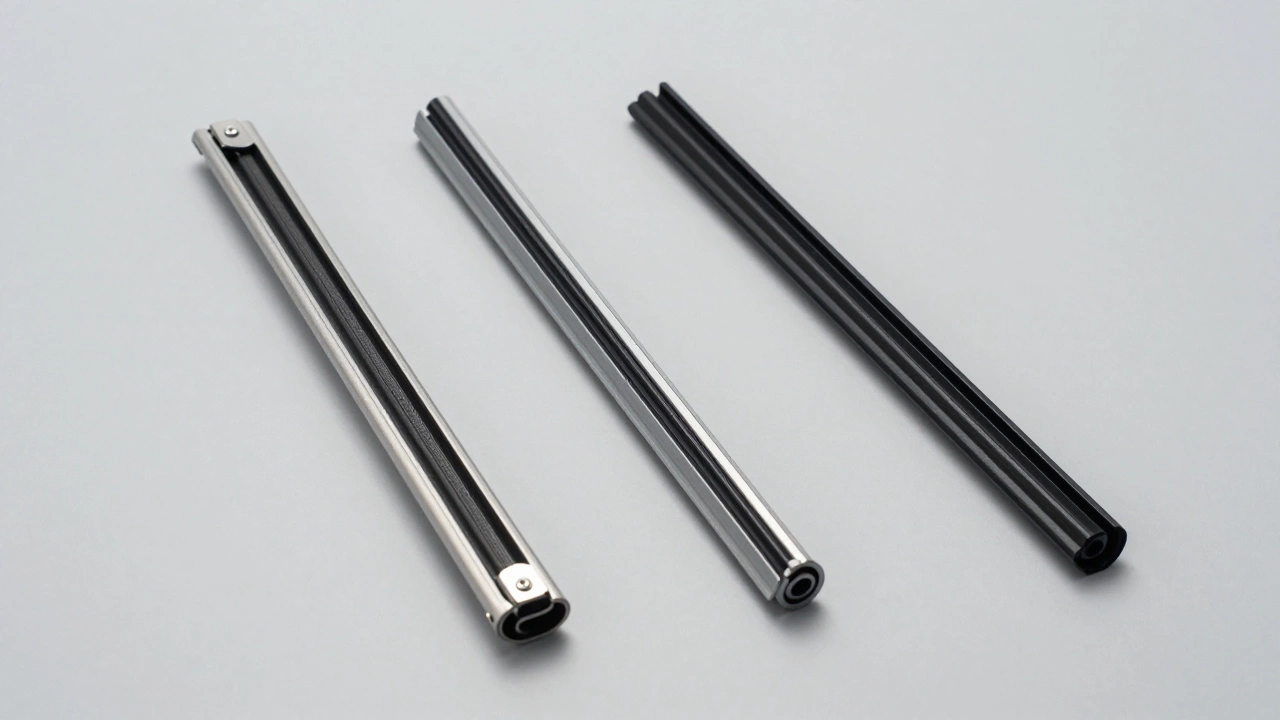
Types of Wiper Blades: Which Last Longer?
Not all wiper blades are created equal. Choosing the right type can mean the difference between replacing them twice a year or once every eighteen months.
| Type | Lifespan | Pros | Cons |
|---|---|---|---|
| Conventional Framed Blades are traditional wiper blades with multiple metal joints and a rubber refill strip | 6-9 months | Cheap, widely available | Joints can freeze, prone to chattering in cold weather |
| Beam Wiper Blades are frameless, aerodynamic wiper blades made from a single piece of reinforced material | 12-18 months | Even pressure, better in snow/ice, quieter operation | Higher upfront cost, harder to refill |
| Hybrid Wiper Blades are a combination of framed and beam designs offering durability and ease of installation | 9-12 months | Balanced performance, good value | Slightly heavier than pure beam blades |
For most drivers in variable climates, beam wiper blades are the superior choice for durability and performance in extreme weather conditions. Their solid construction eliminates the joints that often fail in freezing temperatures. They also apply consistent pressure across the entire windshield, reducing streaks.
How to Extend the Life of Your Current Blades
You can’t stop rubber from aging, but you can slow it down. A few simple habits will keep your wipers working longer and performing better.
- Clean Them Monthly: Dirt, oil, and tree sap build up on the rubber edge. Wipe the blade with a damp cloth and mild soap once a month. This removes abrasive particles that accelerate wear.
- Don’t Use Them on Dry Glass: Always spray washer fluid before activating the wipers. Dry wiping grinds dust into the rubber and scratches your windshield.
- Lift Arms in Winter: After a snowstorm, gently lift the wiper arms away from the glass before scraping ice. This prevents the motor from straining and the rubber from tearing.
- Avoid Harsh Chemicals: When washing your car, avoid solvents or degreasers near the wiper blades. These chemicals dry out the rubber.
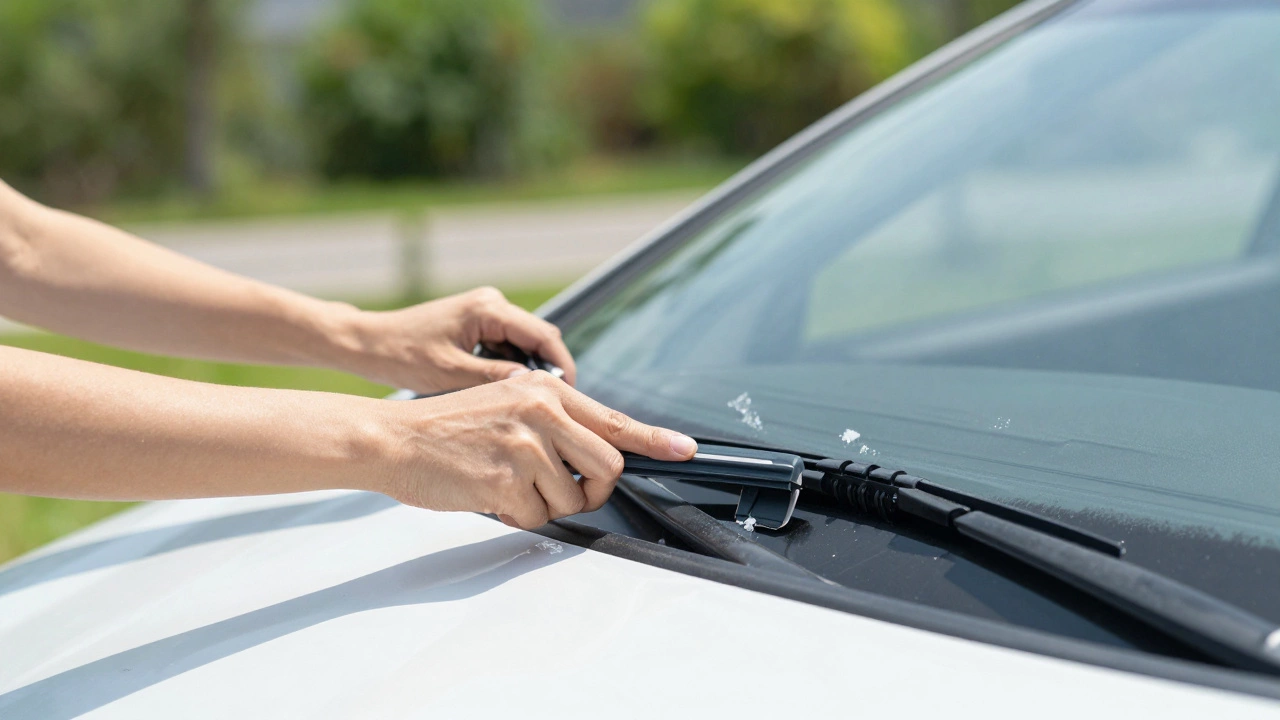
Replacing Wiper Blades Yourself: A Quick Guide
You don’t need a garage to change wiper blades. It takes about ten minutes and costs less than $30 for a pair. Most modern cars use a universal hook attachment, but some luxury brands use proprietary connectors. Always check your owner’s manual or measure the old blade length before buying replacements.
- Lift the Arm: Pull the wiper arm away from the windshield until it locks in place. Place a towel under the arm to prevent it from snapping back onto the glass.
- Release the Old Blade: Look for a small tab or button on the connector. Press it while sliding the blade off the hook. On some models, you may need to rotate the blade slightly.
- Attach the New Blade: Slide the new blade onto the hook until you hear a click. Ensure it’s seated securely.
- Lower Gently: Carefully lower the arm back onto the windshield. Never let it drop freely.
- Test Drive: Spray washer fluid and run the wipers on low speed to check for alignment and streaking.
Common Mistakes to Avoid
Even experienced DIYers make errors when replacing wipers. Avoid these pitfalls to ensure a smooth process.
- Buying the Wrong Size: Front and rear wipers often differ in length. Driver-side blades are typically longer than passenger-side ones. Double-check measurements.
- Ignoring the Rear Wiper: If your SUV or hatchback has a rear wiper, don’t neglect it. It suffers the same wear and tear as the front blades.
- Using Expired Blades: Rubber continues to degrade in storage. Don’t buy blades years in advance. Buy what you need now.
- Forcing the Connection: If the new blade doesn’t slide on easily, recheck the orientation. Forcing it can damage the connector.
Can I clean my wiper blades instead of replacing them?
Cleaning helps maintain performance, but it cannot reverse physical wear. If the rubber is cracked, torn, or permanently streaking, cleaning won’t fix it. Regular cleaning can extend life by a few months, but eventual replacement is inevitable.
How much do new wiper blades cost?
Prices vary by type and brand. Basic framed blades cost $10-$20 per pair. Premium beam blades range from $20-$40. Luxury brands or specialized vehicles may cost more. Investing in higher-quality blades often saves money long-term due to longer lifespan.
Do I need to replace both wiper blades at the same time?
Yes, always replace both front blades together. They experience similar wear rates. Mixing old and new blades leads to uneven cleaning and increased stress on the wiper motor.
What is the best wiper blade brand?
Top-rated brands include Bosch, Michelin, Rain-X, and Trico. Bosch Excel and Michelin Latitude are popular beam blade choices. Choose based on your vehicle’s requirements and local climate conditions rather than brand loyalty alone.
Can I use silicone wiper blades?
Silicone blades offer excellent hydrophobic properties and last longer than rubber. However, they require a perfectly clean windshield to perform well. Any residue causes severe streaking. They are best for enthusiasts who maintain meticulous glass cleanliness.