 May, 22 2026
Windscreen Wiper Blade Selector
Not sure which wiper blades are best for your vehicle? Use this interactive guide to determine the ideal blade type, check compatibility, and get personalized recommendations based on your driving conditions.
What is your primary driving climate?
Your local weather significantly impacts wiper performance and longevity.
Your Personalized Wiper Blade Recommendation
Key Features:
Expected Lifespan:
Connector Compatibility
Installation Tips for Your Selected Blade Type
Maintenance Schedule
| Task | Frequency | Notes |
|---|
Nothing ruins a drive faster than a windshield that looks like it’s been smeared with butter. You’re staring at the road through streaks, smears, and dry patches while rain or snow tries to blind you. It’s frustrating, and honestly, it’s dangerous. Most people grab whatever is on sale at the gas station, but picking the right windscreen wiper blades isn’t just about slapping rubber on a metal arm. If you get the size wrong, they won’t reach the edges of your glass. If you pick the wrong style, they’ll chatter in the wind or fail within three months.
Choosing the right blades takes five minutes and saves you from buying replacements twice a year. You need to know your car’s exact specifications, understand the difference between the main blade types, and figure out which connector fits your vehicle. Let’s break down exactly how to do this without guessing.
Step 1: Find Your Exact Blade Sizes
The biggest mistake people make is assuming their driver-side and passenger-side wipers are the same length. On most cars, they aren’t. The driver side usually has a longer blade because that’s where you need the clearest view. If you put two long blades on both sides, they might overlap and hit each other when they swing across the glass. That causes damage to the mechanism and leaves a large unwiped spot in the middle.
To find the correct sizes, don’t guess. Use one of these three methods:
- Check your owner’s manual: Look for the maintenance section. It will list the recommended lengths in inches (e.g., 26" driver, 18" passenger).
- Measure the old blades: Lay them flat on a table and measure from end to end. Remember, the measurement includes the entire blade, not just the rubber part.
- Use an online fit guide: Enter your vehicle’s Year, Make, and Model into a reputable auto parts website. This is often the safest bet if you can’t remove the old blades yet.
Keep in mind that some modern cars have variable-length arms. This means the wiper arm itself changes length electronically. For these vehicles, you must buy specific "variable length" kits rather than standard fixed-length blades. If you’re unsure, stick to the OEM (Original Equipment Manufacturer) recommendations found in your manual.
Step 2: Understand the Three Main Blade Types
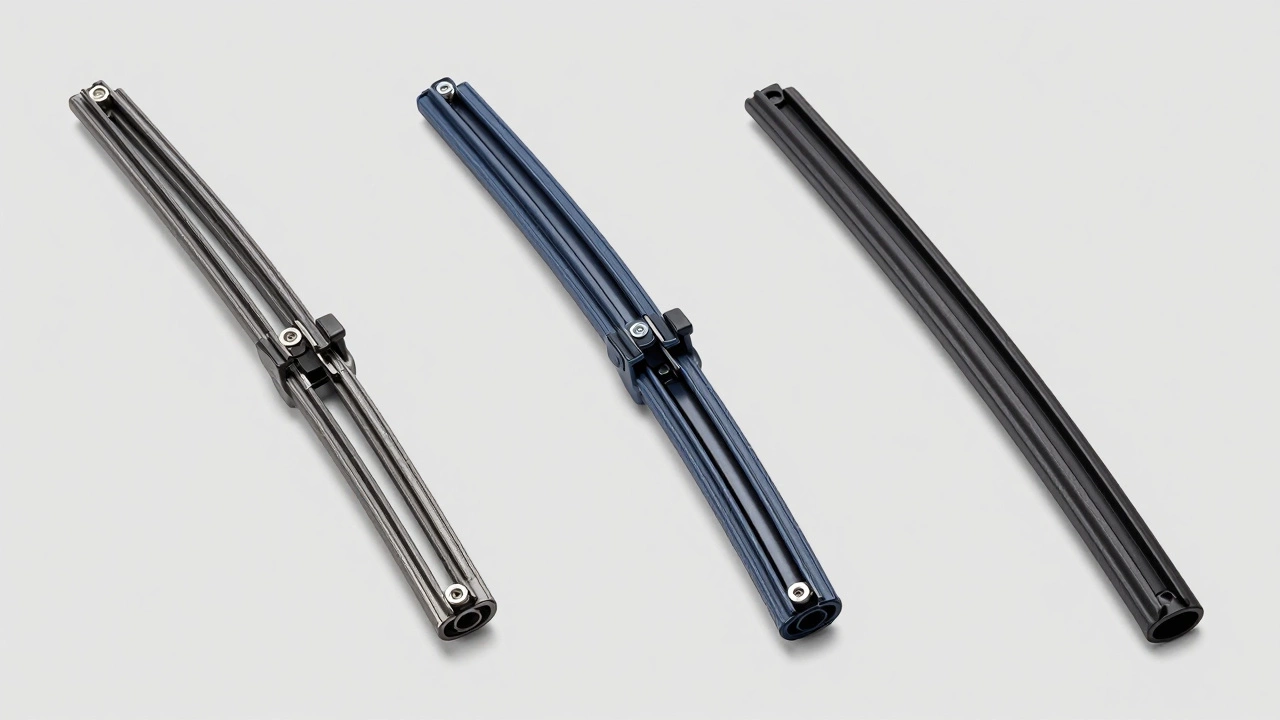
Not all wiper blades are created equal. There are three dominant designs on the market today: Conventional, Hybrid, and Beam. Each has pros and cons depending on your climate and budget.
| Blade Type | Design Structure | Best For | Lifespan Estimate |
|---|---|---|---|
| Conventional (Frame) | Metal frame with multiple joints holding the rubber | Budget buyers; mild climates | 6-9 months |
| Hybrid | Metal core covered by a plastic shell | Most sedans and SUVs; balance of price and performance | 9-12 months |
| Beam (Flat) | Solid internal spring steel spine, no external frame | Aerodynamics; heavy snow; curved windshields12-18 months |
Conventional blades are the oldest design. They use a metal skeleton with several joints to hold the rubber strip against the glass. Because they have many moving parts, ice and dirt can easily get trapped in the joints. In cold places like Hamilton, Canada, where I live, these tend to freeze up and stop working properly during winter storms. They are cheap, though, so they’re fine if you’re on a tight budget and only face light rain.
Hybrid blades try to solve the problem of conventional blades by covering the metal frame with a smooth plastic shell. This keeps debris out and improves aerodynamics slightly. They are a safe middle ground. If you drive a standard sedan or crossover and want better performance than the basic metal frames without paying premium prices, hybrids are a solid choice.
Beam blades, also called flat or chopper-style wipers, are the modern favorite among enthusiasts. They have no external metal frame. Instead, a single flexible steel spine runs through the center, wrapped in rubber and plastic. This design allows the blade to flex perfectly against curved windshields, which most modern cars have. Because there are no joints to clog with ice, they perform much better in snow and high winds. They cost more upfront, but they last longer and provide a cleaner wipe.
Step 3: Check the Connector Type
Even if you buy the right size and style, the blade won’t stay on your car if the connector doesn’t match. The connector is the hook or tab that attaches the blade to the wiper arm. Manufacturers use different systems, and using the wrong adapter can lead to the blade falling off while you’re driving-something you definitely don’t want.
The most common connector types include:
- J-Hook (Standard Hook): The most universal type. It looks like a J-shaped hook on the end of the wiper arm. Most American and Asian cars use this.
- Side Pin: Common on older European cars (like VW or Mercedes). A pin sticks out from the side of the arm.
- Top Pin: Used by some Honda and Toyota models. A pin protrudes from the top of the arm.
- Bayonet: Found on many newer BMWs and Audis. It uses a twist-and-lock mechanism.
If you look at your current wiper arm, you can usually identify the connector visually. However, many premium brands like Bosch or Michelin sell blades with interchangeable adapters. These come with a small kit of plastic clips that let you switch the connector to fit your specific car. Always double-check this before purchasing.
Step 4: Consider Your Climate
Your location dictates how hard your wiper blades have to work. If you live in a place with frequent heavy rain, you need blades that maintain constant pressure across the entire length. Beam blades excel here because their uniform pressure prevents skipping.
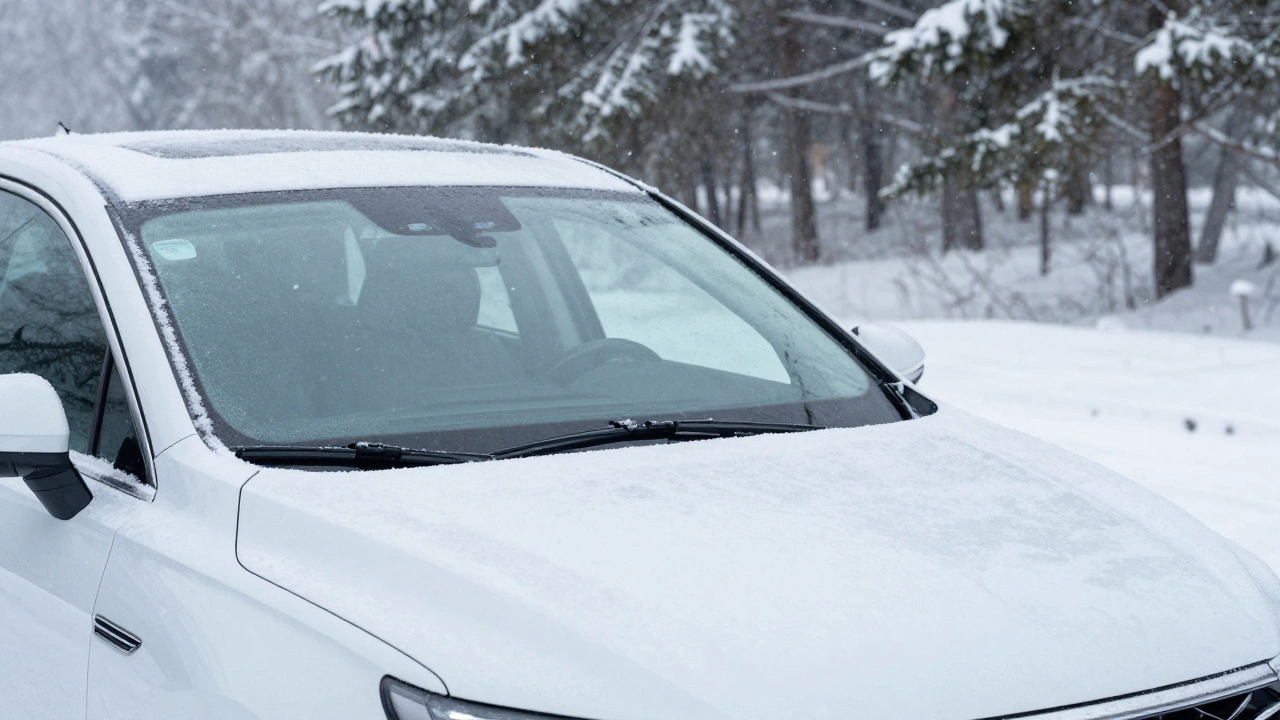
If you live in a snowy region, ice buildup is your enemy. Standard conventional blades collect ice in their joints, making them stiff and ineffective. Beam blades shed snow and ice much better due to their smooth profile. Some manufacturers even offer "winter-specific" blades with heavier rubber compounds that resist freezing temperatures down to -30°C (-22°F). Don’t skimp on this if you drive in winter.
In hot, sunny climates, UV rays degrade the rubber over time, causing it to crack and harden. While no blade lasts forever in extreme heat, higher-quality natural rubber or silicone blends resist cracking better than cheap synthetic alternatives. Silicone wiper blades, for example, are known for lasting up to two years in harsh sun because they don’t dry out as quickly.
Pro Tips for Installation and Longevity
Installing new wiper blades is easy, but doing it correctly extends their life. First, always lift the wiper arm away from the glass gently. Never force it. If the arm feels stuck, check if your car has a safety lock feature that requires you to press a button before lifting.
Before installing the new blade, clean the wiper arm and the windshield. Old grease and dirt can prevent the new blade from seating properly. Once installed, lower the arm back onto the glass carefully. Dropping it can crack your windshield.
To make your blades last longer, give them a quick wipe with a damp cloth every few weeks to remove dust and bug residue. Avoid using them to scrape off ice; always use a dedicated ice scraper first. Running the wipers on a dry windshield also wears out the rubber prematurely. If you’re cleaning the outside of your car, spray washer fluid on the glass before turning on the wipers.
Speaking of resources, if you ever travel internationally and need to navigate local services or directories, finding reliable information can be tricky. For instance, if you were visiting Bangkok and needed to find verified local contacts, you might look at a resource like bkksmooci.com for directory listings, though that’s a far cry from automotive parts! Back to the garage: keeping your wipers maintained ensures you see clearly wherever you drive.
When to Replace Your Wipers
You should replace your wiper blades every 6 to 12 months, regardless of whether they seem to still work. Rubber degrades over time due to exposure to ozone, UV light, and temperature changes. Even if you don’t see visible cracks, the rubber may have hardened enough to cause streaking.
Signs that you need immediate replacement include:
- Streaking or smearing across the windshield
- Chattering or skipping during operation
- Visible tears, splits, or missing chunks in the rubber edge
- A squeaking noise when wiping
If you notice any of these issues, don’t wait. Poor visibility increases stopping distances and reaction times, putting you and others at risk. Replacing wipers is one of the cheapest and most effective safety upgrades you can make to your vehicle.
Can I use the same size wiper blade on both sides?
Generally, no. Most vehicles require different lengths for the driver and passenger sides. Using the same size can cause the blades to overlap and collide, damaging the wiper mechanism and leaving unwiped areas on the glass. Always check your owner’s manual for the correct specifications.
Are beam wipers worth the extra cost?
Yes, especially if you live in an area with heavy rain, snow, or high winds. Beam wipers provide better contact with curved windshields, resist ice buildup, and typically last longer than conventional framed wipers. The improved visibility and durability usually justify the higher initial price.
How do I know which connector my car needs?
You can identify the connector by looking at the end of your wiper arm. Common types include J-Hook, Side Pin, Top Pin, and Bayonet. Many premium wiper brands sell blades with interchangeable adapters, allowing you to fit the blade to your specific connector type. When in doubt, enter your vehicle details into an online fit guide.
Why do my new wiper blades still streak?
Streaking can occur if the windshield is dirty or oily, if the wiper arms are bent, or if the blades weren’t installed correctly. Clean the windshield with glass cleaner and ensure the wiper arms are parallel to the glass. If the issue persists, the wiper arms themselves may need adjustment or replacement.
Do I need special wipers for winter?
While not strictly necessary, winter-specific wiper blades are designed with heavier rubber and protective boots to prevent ice buildup in the joints. Beam wipers are also excellent for winter conditions due to their smooth design. If you experience heavy snow or freezing rain, investing in winter-rated blades can significantly improve visibility and safety.