 Oct, 9 2026
Fuel Pump Troubleshooter
Follow this guided diagnostic flow to determine if your fuel pump issue is electrical, mechanical, or requires replacement.
Since there is no sound, the pump isn't getting power. This is often a simple fix.
- 1. Check Fuse: Look for a blown fuse (usually 15A or 20A). Replace if filament is broken.
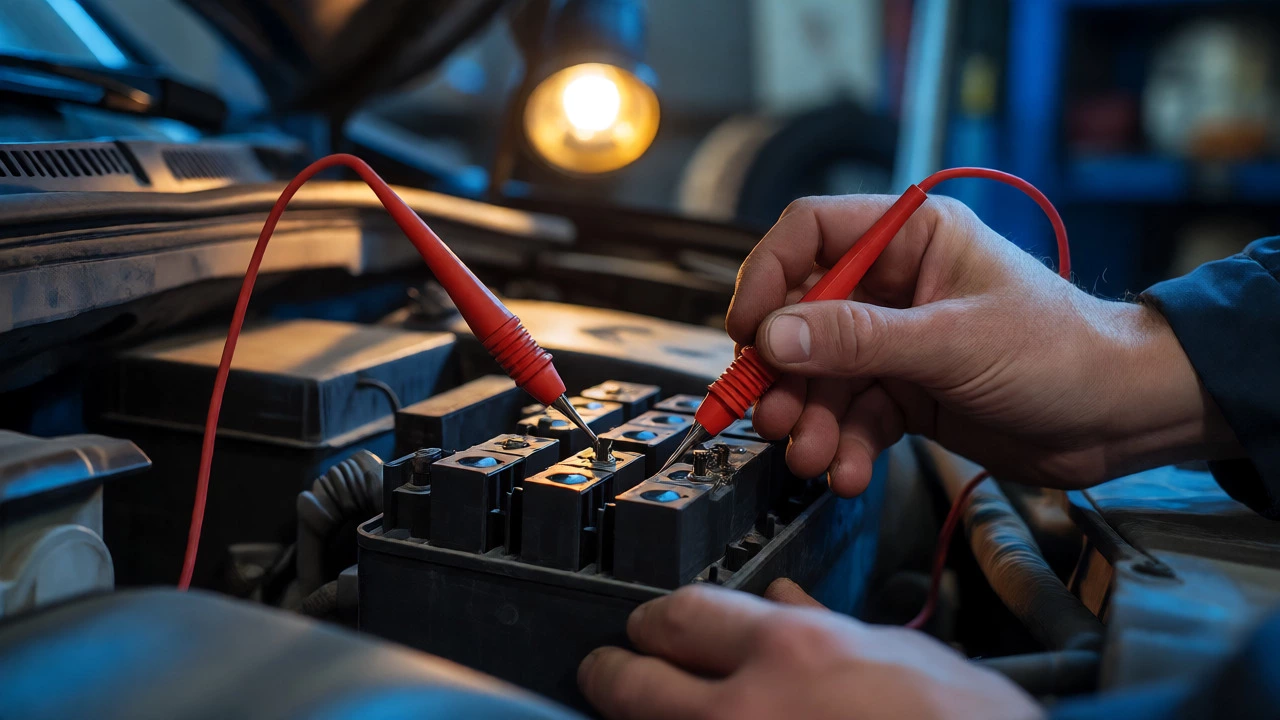
- 2. Swap Relay: Find the Fuel Pump relay in your fuse box. Swap it with an identical one (like Horn or AC). If car starts, replace relay (~$10).
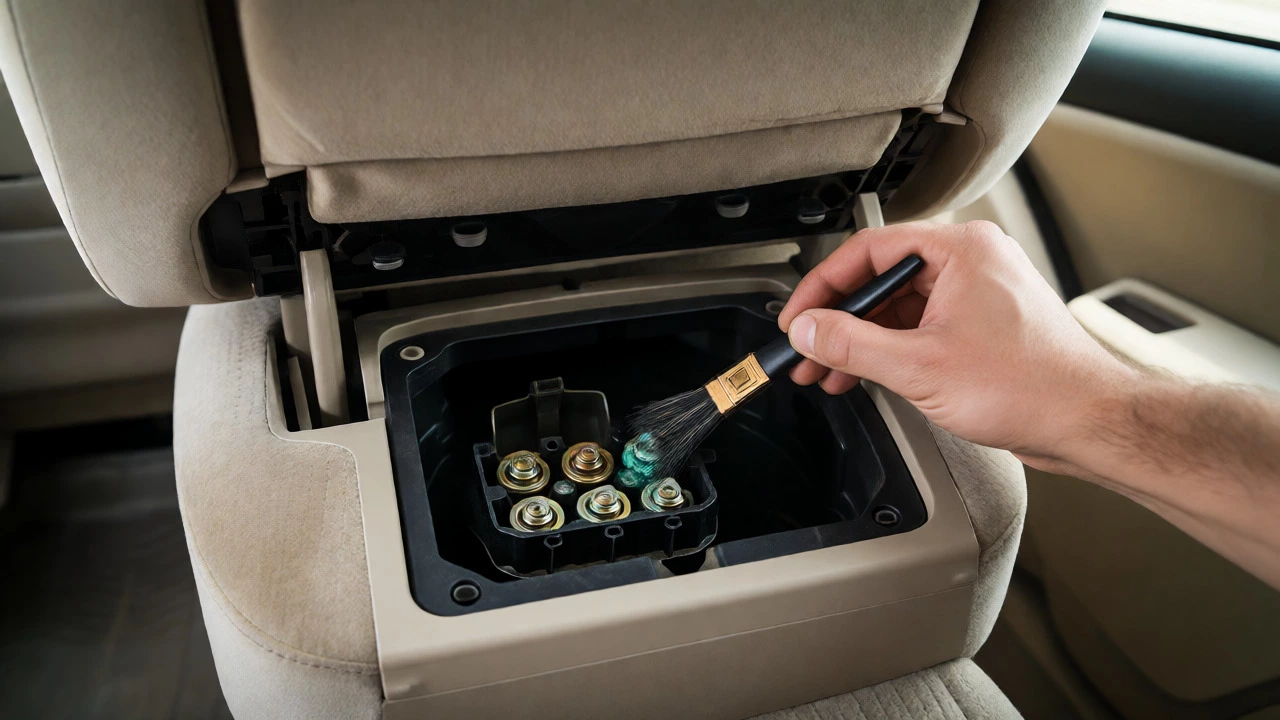
- 3. Check Connector: Inspect plug at top of tank for green/white corrosion. Clean with contact spray.
The motor is working, but fuel isn't reaching the engine properly. Likely a clog or leak.
Use this if the impeller is stuck due to dried fuel residue (common if tank runs low).
- Locate the fuel tank (usually under rear seat or trunk area).
- Have a helper hold ignition in "ON" position.
- Lightly tap the bottom/side of the tank with a rubber mallet or screwdriver handle.
- Listen for the pump to kick in and hum.
If electrical checks fail, filters are clean, and tapping doesn't help, the pump internal motor or wiring is likely damaged.
- Loud Whining: Indicates worn bearings.
- Consistent Low Pressure: Despite clean filters.
- Grinding Noise: Stop driving immediately to avoid debris entering engine.
There is that sinking feeling when you turn the key and hear nothing but silence, or worse, a weak sputter before the engine dies. Your first instinct might be panic, especially if you’re stranded in a parking lot in Hamilton on a cold October morning. But hold on. Before you call a tow truck or order a $150 fuel pump assembly, there’s a good chance the problem isn’t the pump itself. In fact, many "dead" pumps are just victims of bad electricity, clogged filters, or simple mechanical blockages. You can often revive them for free or with parts costing less than ten bucks.
This guide walks you through the exact steps to diagnose and fix common fuel pump issues without buying a new unit. We’ll cover electrical checks, filter cleaning, and mechanical resets. If your car cranks but won’t start, or starts then stalls, these tricks could save you a trip to the mechanic.
Is It Really the Pump? Check These First
Before you start wrenching under the seat or dropping the tank, you need to confirm the pump is actually the suspect. The fuel pump is an electric motor submerged in gasoline. It relies on three things to work: power, ground, and clean fuel. If any of those are missing, the pump fails to deliver pressure, mimicking a broken pump.
Start with the easiest check: listen. Have a friend sit in the driver’s seat while you stand near the rear of the car (where the tank usually is). Ask them to turn the ignition to the "On" position (not Start) for two seconds. You should hear a faint hum or buzz from the fuel tank area. No sound? That’s a clue. Loud grinding? Also a clue. A healthy pump makes a steady, quiet whine.
If you hear the pump running but the car won’t start, the issue is likely low pressure due to a clog or leak. If you hear nothing, it’s probably electrical. Let’s tackle the electrical side first because it’s cheaper and faster to fix.
The Electrical Gremlins: Relays and Fuses
Most modern cars use a fuel pump relay to control power delivery to the pump. This small switch sits in your fuse box, usually under the hood or by the driver’s knee. When it fails, it cuts power completely. Symptoms include no hum from the tank and no spark at the plugs (on some models).
Here’s how to test it quickly:
- Locate the fuse box diagram (usually on the lid) and find the relay labeled "FP," "Fuel Pump," or similar.
- Pull the relay out carefully using pliers or your fingers.
- Find another identical relay in the box-often the horn or AC compressor uses the same type. Swap them.
- Try starting the car again.
If the car starts after swapping, your original relay was dead. Replace it; they cost about $5-$10. If it doesn’t help, put the old one back and move to the fuse. A blown fuse is rare but possible. Check the specific amperage rating (usually 15A or 20A) against the diagram. If the filament inside the glass fuse is broken, replace it.
| Symptom | Likely Culprit | Quick Fix |
|---|---|---|
| No sound from tank | Blown Fuse or Bad Relay | Replace fuse/relay ($5-$10) |
| Intermittent starting | Corroded Connector | Clean terminals with contact spray |
| Pump runs but no start | Low Pressure/Clog | Check filter/injectors |
| Engine stalls at high speed | Overheating Pump | Add fuel additive/clean tank |
Dirty Contacts and Corrosion
If the relay and fuse are fine, the next most common culprit is poor connectivity. Gasoline vapors and moisture can corrode the electrical connector where the wiring harness meets the pump assembly. This is especially true in older cars or vehicles driven in salty winter conditions like here in Ontario.
You’ll need to access the top of the fuel tank. In many sedans and SUVs, this means lifting the rear seat cushion. Look for an access panel held down by screws or clips. Once open, you’ll see a plastic cap covering the pump module. Disconnect the negative battery terminal first for safety! Then, unplug the electrical connector. Inspect the pins. Do they look green or white with corrosion?
Clean them with an electrical contact cleaner spray and a small wire brush. Apply dielectric grease to the O-ring seal before reconnecting. This creates a watertight barrier against future corrosion. Often, this simple cleaning restores full power to the pump, making it run like new.
The Silent Killer: Clogged Fuel Filters
A fuel filter is a mesh screen or paper element that traps debris before it reaches the injectors. Over time, rust from the tank, dirt from bad gas stations, or varnish from old fuel can clog this filter. A clogged filter restricts flow, causing the pump to work harder, overheat, and eventually fail-or simply starve the engine of fuel.
Some cars have inline filters along the frame rail, easy to replace. Others integrate the filter into the pump assembly inside the tank. If yours is integrated, you can’t easily replace just the filter without dropping the tank. However, you can try a chemical flush. Pour a bottle of high-quality fuel system cleaner into your gas tank. Run the tank down to a quarter full, then refill. Repeat this twice. The detergents in cleaners like Techron or Gumout can dissolve light varnish buildup on the filter mesh and injectors.
For severe clogs, you might need to remove the pump assembly (if accessible via the seat hatch) and soak the strainer sock in carburetor cleaner. Use a soft toothbrush to gently scrub the mesh. Be careful not to tear it. Reinstall it dry. This method works wonders for pumps that struggle after sitting for months.
Mechanical Sticks and Priming Issues
Sometimes, the pump impeller gets stuck due to dried-out fuel residue. This happens if you let your gas level drop below 1/4 tank frequently. The pump cools itself using the surrounding gasoline. Low fuel levels mean the pump runs hot, accelerating wear and allowing varnish to harden on the moving parts.
To free a stuck impeller, try the "tap method." Locate the fuel tank. With the ignition in the "On" position (so the ECU is trying to energize the pump), have someone lightly tap the bottom of the tank with a rubber mallet or the handle of a screwdriver. Don’t hit it hard enough to dent the metal-just sharp taps. The vibration can jolt the stuck rotor loose. If the pump kicks in and starts humming, you’ve bought yourself some time. Immediately add a fuel stabilizer and keep the tank above half full to prevent recurrence.

When Replacement Is Unavoidable
Not every fix is permanent. If the pump makes a loud whining noise, loses pressure consistently despite clean filters and good power, or has internal wiring damage, replacement is the only safe option. Driving on a failing pump can leave you stranded in unsafe locations or cause the engine to run lean, potentially damaging catalytic converters.
However, if you’ve checked the relay, cleaned the contacts, flushed the filter, and tried tapping the tank, and the pump still refuses to cooperate, it’s time to buy. Remember, labor costs for replacing a fuel pump often exceed the part price, so doing it yourself saves significant money. Always relieve fuel pressure before disconnecting lines to avoid spraying gasoline everywhere.
Pro Tips for Longevity
- Keep it cool: Never drive on empty. Aim to refuel when the gauge hits 1/4.
- Use quality gas: Top-tier fuels contain more detergents that keep the pump and injectors clean.
- Stabilize long-term storage: If storing a car for winter, fill the tank and add stabilizer to prevent varnish buildup.
- Check the ground: Ensure the chassis ground strap near the tank is tight and clean. A bad ground causes erratic pump behavior.
Can I drive with a bad fuel pump?
You can drive short distances if the pump is weak but not dead. However, it risks stalling suddenly, which is dangerous in traffic or intersections. If the pump makes grinding noises, stop driving immediately to prevent debris from entering the engine.
How much does it cost to fix a fuel pump without replacing it?
If it’s an electrical issue like a relay or fuse, costs are typically $5-$20 for parts. Cleaning contacts requires basic tools and contact cleaner, costing under $10. Chemical flushing adds about $10-$15 per treatment. Mechanical tapping is free.
Why does my fuel pump run but the car won’t start?
This usually indicates low fuel pressure. Common causes include a clogged fuel filter, dirty injectors, or a leaking fuel pressure regulator. Check for vacuum leaks on the regulator hose first, as this is a cheap and common fix.
Does a fuel pump have a reset button?
Most modern cars do not have a manual reset button. They rely on the ECU and relays. Some older vehicles had inertia switches that cut power during collisions; these may need a manual reset, but this is rare in post-2000 models.
How long does a fuel pump last?
A typical fuel pump lasts between 100,000 and 150,000 miles. Factors like frequent low-fuel driving, contaminated gas, and electrical surges can shorten this lifespan significantly.