 Oct, 20 2026
AC Filter Health Diagnostic Tool
Answer the questions below to assess the condition of your current air filter and receive a personalized recommendation.
1. Visual Inspection
2. Airflow & Performance
3. Environment & Sensory Signs
4. Maintenance History
Detailed Analysis:
Recommended Action:
You’re sitting in your living room on a sweltering July afternoon. The air conditioner is humming away, but the air coming out of the vents feels weak, almost pathetic. You check the thermostat-it’s set to 21°C, but the room feels like 26°C. Before you call a technician or start worrying about a compressor failure, there’s one simple thing you need to look at: the AC air filter. It’s the unsung hero of your HVAC system, and when it goes bad, everything else suffers.
A dirty or damaged filter doesn’t just make your house uncomfortable; it forces your unit to work twice as hard, spikes your electricity bill, and can even freeze up your evaporator coils. But how do you know for sure if it’s time to swap it out? Is it actually "bad," or is it just doing its job by catching dust? Let’s break down exactly what to look for, how to test it, and when to replace it-no jargon, just practical checks you can do in five minutes.
The Visual Check: What Does a Bad Filter Look Like?
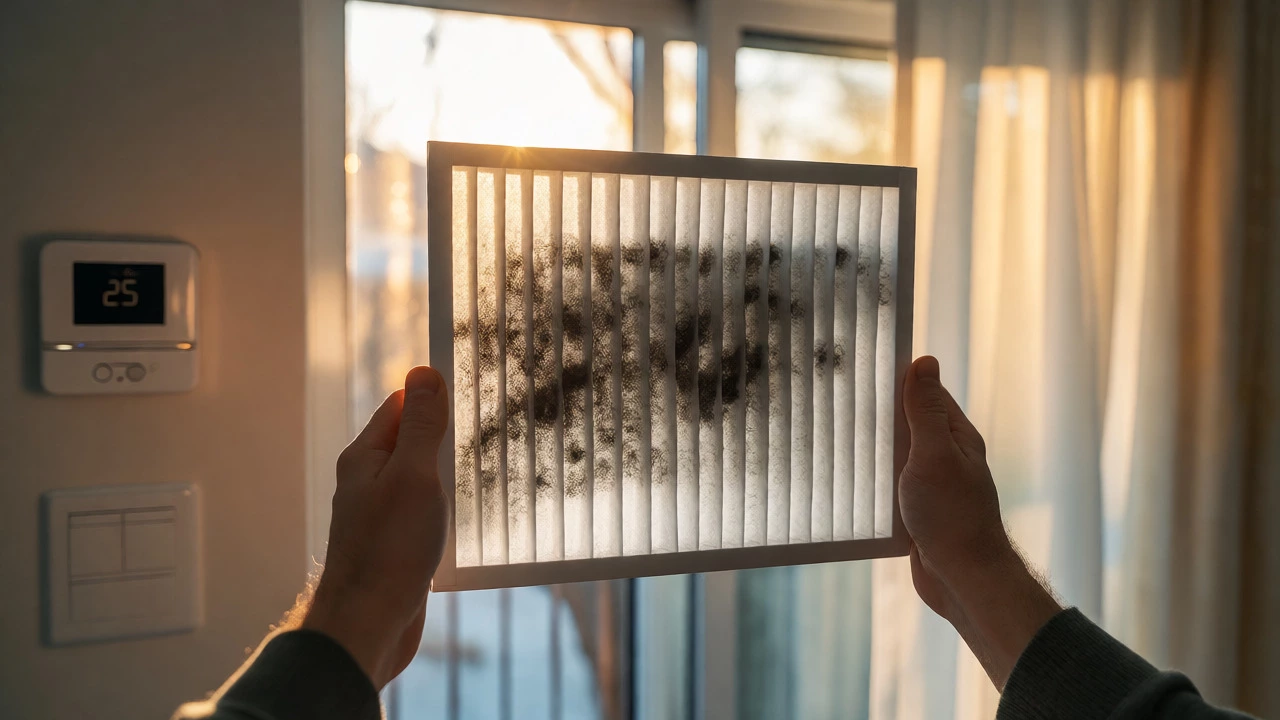
Start with the obvious. Pull out the filter from the return air duct or the blower compartment (depending on your system). Hold it up to a bright light source. A healthy pleated filter should allow light to pass through easily, showing a clean white or gray mesh. If you see thick layers of gray fuzz, pet hair, or dark clumps blocking the view, that’s your first red flag.
But visual inspection isn’t just about dirtiness. Look for physical damage. Are the pleats collapsed? Is the cardboard frame warped or torn? Did a piece of plastic backing peel off? These structural failures mean the filter can no longer seal properly against the duct walls. Unfiltered air sneaks around the edges, bypassing the media entirely. This defeats the purpose of having a filter and dumps debris directly onto your blower fan and coil.
| Condition | What It Means | Action Required |
|---|---|---|
| Light passes through easily | Filter is clean and functional | No action needed |
| Heavy gray/dark buildup | Clogged with particulates | Replace immediately |
| Torn mesh or frame | Bypass leakage occurring | Replace immediately |
| Collapsed pleats | Airflow restriction too high | Check size/MERV rating, then replace |
| Moisture or mold spots | Humidity issue or leak | Investigate source, replace filter |
The Airflow Test: Feel the Difference
If the visual check is inconclusive, try the airflow test. Turn your system to "Fan Only" mode (cooling off) so you get consistent airflow without the compressor cycling on and off. Go to the nearest supply vent in a room farthest from the unit. Place your hand flat over the register.
You should feel a steady, strong push of air. Now, go to the return air grille where the filter lives. If the suction power at the return seems significantly weaker than usual, or if you hear a whistling sound near the filter slot, you’ve got a blockage. A clogged filter creates static pressure resistance. Think of it like trying to breathe through a wet paper towel. Your blower motor is screaming, trying to pull air through, but the filter won’t let it.
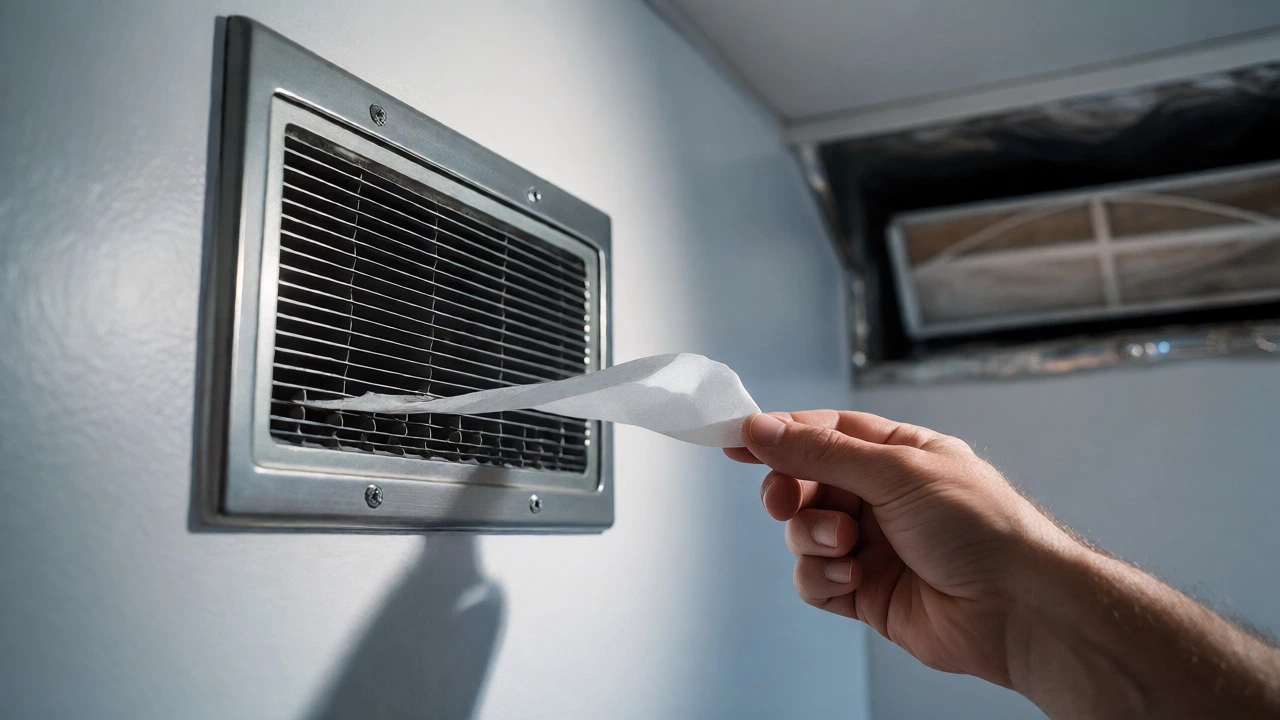
Another quick trick: hold a thin tissue or a strip of toilet paper near the supply vent. If it barely flutters, your airflow is compromised. If it stays pinned firmly against the grille, your system is moving air well. Compare this performance to what you remember from last season. If the breeze has noticeably weakened, suspect the filter before blaming the motor.
The Energy Bill Clue: Watch Your Wallet
Your utility bill is an honest reporter. In Hamilton, summers are humid and hot, meaning your AC runs long cycles. If you notice a sudden jump in your hydro costs compared to previous years-even though your usage habits haven’t changed-look at the filter.
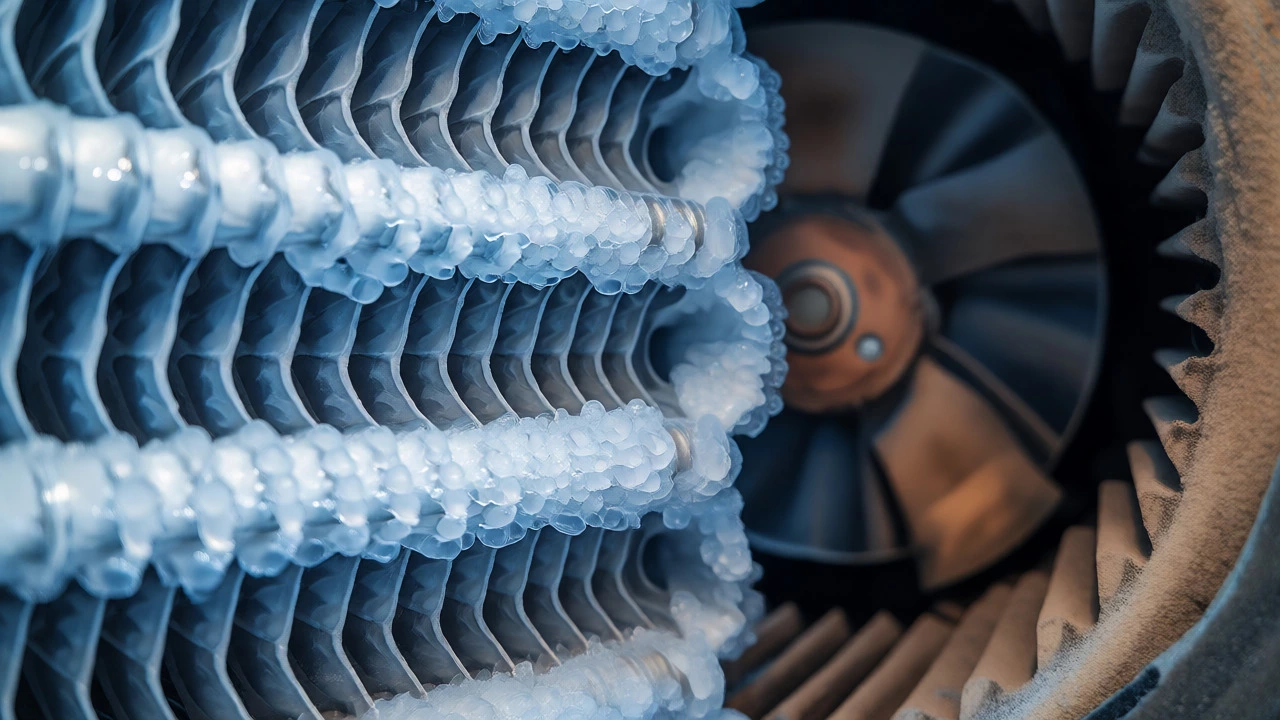
When a filter is restricted, the system’s efficiency drops. The evaporator coil gets colder because less warm air is passing over it to absorb heat. Eventually, moisture freezes on the coil, turning into ice blocks. Ice acts as insulation, stopping heat transfer completely. The system keeps running, consuming electricity, but producing zero cooling. This is why a dirty filter often leads to "ice-up" calls in August.
Keep an eye on monthly trends. A 10-15% spike during peak summer months is a classic symptom of poor airflow due to filtration issues. If cleaning or replacing the filter brings the next month’s bill back down, you’ve found your culprit.
Sneezes, Dust, and Smells: The Sensory Signals
Your nose knows. A bad filter stops trapping allergens. Pollen, dust mites, and pet dander recirculate endlessly. If family members suddenly start sneezing indoors, or if someone with mild allergies starts needing their antihistamines more frequently, suspect the filter.
Smell is another indicator. A musty, sour odor when the AC kicks on usually points to microbial growth on the filter media itself. This happens when filters get damp from high humidity or condensation issues. Mold spores thrive in these conditions. Unlike dust, which is gray, mold might look like black or green specks. Don’t ignore this. Breathing in mold spores daily is bad news for respiratory health.
Also, check for visible dust accumulation on furniture surfaces shortly after cleaning them. If your coffee table gathers a fine layer of gray dust within 24 hours of wiping it down, your air purification process is failing. The filter is letting particles slip through, coating your home in grime.
Understanding Filter Types and Lifespans
Not all filters are created equal, and knowing what you have helps predict when it will fail. Most residential systems use fiberglass, pleated polyester, or electrostatic filters.
- Fiberglass: Cheap, disposable, low-efficiency. Lasts 30 days max. Gets saturated quickly.
- Pleated Polyester: Common standard. Better efficiency. Lasts 90 days under normal conditions.
- HEPA-style/Electrostatic: High efficiency, higher resistance. Can last 6-12 months but requires checking for pressure drop.
In Hamilton, with our seasonal pollen counts and older housing stock, 90-day filters often clog faster than advertised. If you have pets, cut that lifespan in half. If you run the fan continuously (which many smart thermostats encourage), expect to change filters every 30-45 days regardless of type.
Step-by-Step Replacement Guide
Once you’ve confirmed the filter is bad, here’s how to fix it without making a mess:
- Turn Off the System: Switch the thermostat to "Off." Never remove a filter while the blower is running; you’ll spread dust everywhere.
- Locate the Slot: Find the return air grille (usually on a wall or ceiling) or the service panel on the furnace/air handler.
- Slide Out Old Filter: Note the direction of the airflow arrow printed on the frame. Take a photo if you’re unsure.
- Clean the Housing: Vacuum any loose debris from the slot interior. Wipe down the frame with a damp cloth.
- Insert New Filter: Ensure the airflow arrow points toward the blower motor (away from the return). Press firmly to ensure no gaps.
- Reset and Test: Turn the system back on. Listen for smooth operation. No whistling means a good seal.
Common Pitfalls to Avoid
People often make mistakes that shorten filter life or reduce effectiveness. One big error is using a filter that’s slightly too small. If there’s a gap between the filter edge and the duct wall, air takes the path of least resistance. It skips the filter entirely. Use foam seal strips if necessary to fill tiny gaps.
Another mistake is ignoring the MERV rating. Higher MERV (Minimum Efficiency Reporting Value) means better filtration but also higher airflow resistance. Putting a MERV 13 filter in a system designed for MERV 8 can choke your blower. Stick to manufacturer recommendations unless you have a high-static-pressure blower motor.
Finally, don’t wash disposable filters. Fiberglass and basic pleated filters aren’t reusable. Rinsing them damages the fiber structure, creating holes that let dust through. Save washing for permanent electrostatic models only.
Frequently Asked Questions
How often should I really change my AC filter?
For most homes, every 90 days is standard. However, if you have pets, live in a dusty area, or suffer from allergies, change it every 30 to 60 days. Always check visually monthly; don't rely solely on the calendar.
Can a dirty AC filter cause water leaks?
Yes. Restricted airflow causes the evaporator coil to freeze. When the ice melts, it overwhelms the condensate drain pan, causing overflow and water leaks inside your home or near the outdoor unit.
Is it safe to run the AC without a filter?
Only for very short periods (a few hours) for testing purposes. Running without a filter allows dust and debris to coat the blower wheel and evaporator coil, reducing efficiency and potentially damaging components long-term.
What does MERV mean on an air filter?
MERV stands for Minimum Efficiency Reporting Value. It rates a filter's ability to capture larger particles between 0.3 and 10 microns. Residential systems typically use MERV 8 to 13. Higher numbers mean finer filtration but require adequate airflow capacity.
Why does my AC smell bad after changing the filter?
If the smell persists after replacement, the issue likely lies deeper in the system, such as mold on the evaporator coil or a clogged condensate drain line. The new filter cannot trap odors originating from internal biological growth.