 Oct, 6 2026
Brake Pad Health Checker
Enter your current observations below to determine if your brake pads need replacement.
Visual Inspection
Auditory & Feel Symptoms
Why this assessment?
Quick Reference Guide
You’re driving along, maybe stopping at a red light or slowing down for a curve, and you hear it. A sharp squeal that wasn’t there yesterday. Or maybe the pedal feels a little spongier than usual. It’s easy to ignore these things until they become expensive problems. But knowing how to tell if your brake pads are worn out is one of the simplest, most critical skills every driver needs. You don’t need to be a mechanic to spot the trouble; you just need to know what to look for.
Most modern cars use disc brakes, which rely on friction material (the pads) clamping onto a metal rotor to stop the vehicle. As you drive, those pads rub against the rotors thousands of times. Over time, the friction material wears away. When it gets too thin, you risk damaging the rotor itself-a much costlier repair-or worse, losing braking power when you need it most. Here is exactly how to check yours before it becomes an emergency.
The Sound Test: Listen for Warning Signs
Your ears are often the first line of defense. Manufacturers build specific sounds into the system to alert you when maintenance is due. If you hear noise while braking, pay attention to the type of sound.
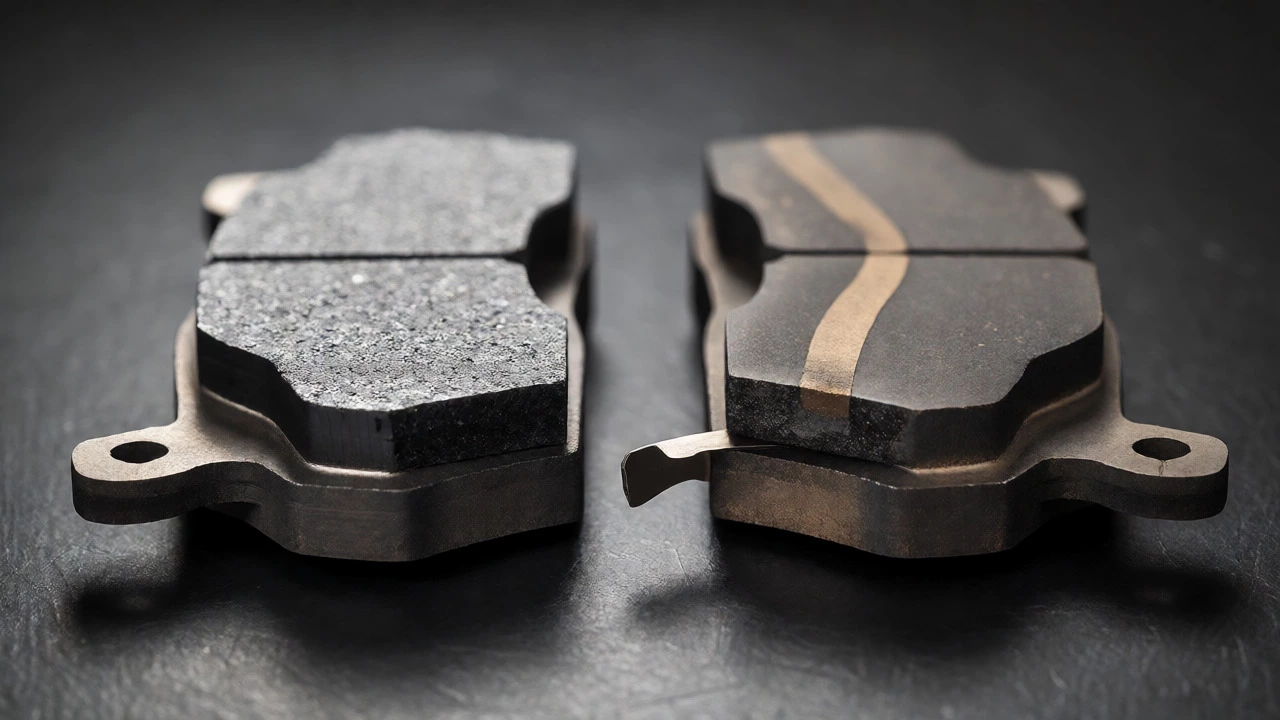
- Squealing or Squeaking: This is the most common early warning. Many brake pads have a small metal tab called a wear indicator. When the pad material gets low (usually around 3mm remaining), this tab scrapes against the rotor, creating a high-pitched shriek. Some newer ceramic pads also naturally make a bit of noise when cold, but a persistent squeal that goes away when you press the pedal hard is usually a sign of wear.
- Grinding: If you skip the squeal phase, you’ll eventually hear grinding. This is metal-on-metal contact. The backing plate of the brake pad is now rubbing directly against the steel rotor. This is urgent. Stop driving as soon as safely possible. Grinding means you are likely scoring the rotor, requiring replacement of both pads and rotors.
- Clicking: Sometimes, a loose anti-rattle clip can cause clicking noises. While less dangerous than grinding, it indicates components may be shifting, which affects braking efficiency.
The Visual Check: Look Through the Wheel Spokes
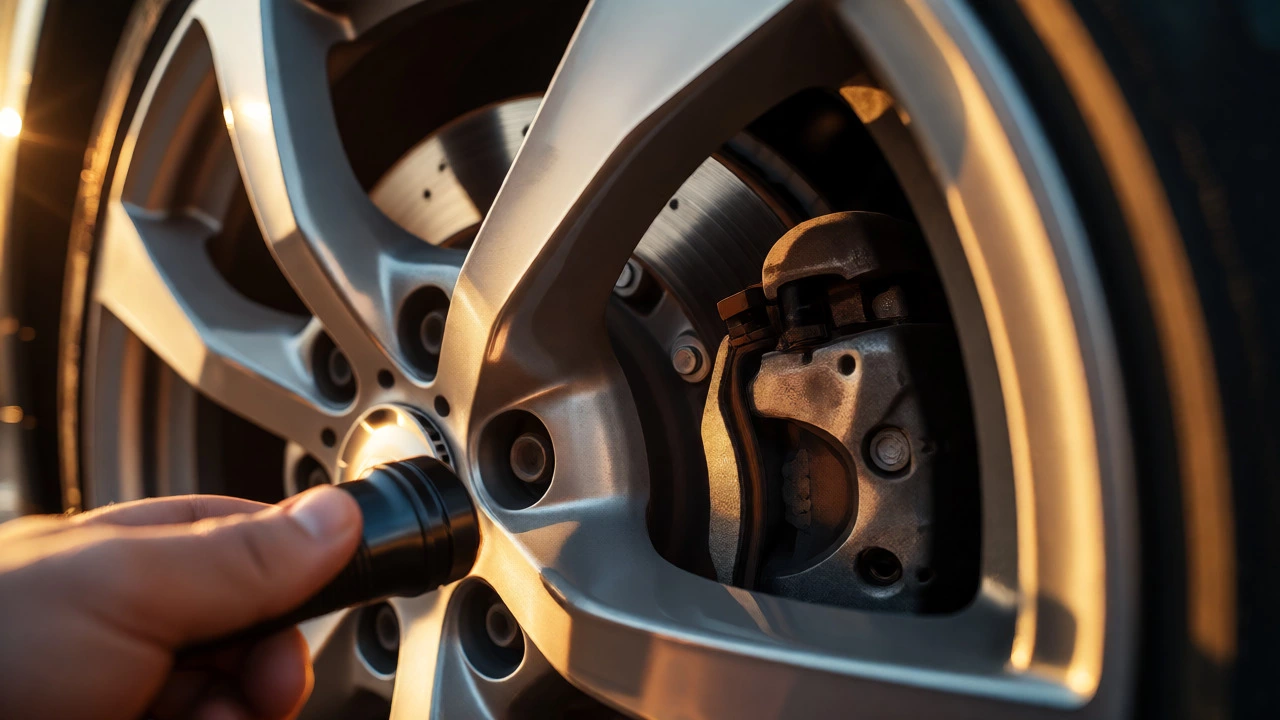
If your car has alloy wheels with open spokes, you can often see the brake assembly without removing the wheel. Park on a flat surface, turn off the engine, and let the brakes cool down. Grab a flashlight and peer through the gaps in the wheel.
You are looking for the thickness of the friction material. Ignore the metal backing plate; focus only on the soft material pressed against the rotor. Most mechanics recommend replacing pads when the friction material reaches 3 millimeters (about 1/8th of an inch). For reference, new pads typically start at 10-12mm. If you see less than a dime’s thickness left, schedule a replacement immediately. If you can’t see clearly because of tight wheel designs, you might need a mirror or a professional inspection.
| Thickness | Status | Action Required |
|---|---|---|
| 10-12 mm | New / Healthy | No action needed |
| 6-9 mm | Good | Monitor during next service |
| 4-5 mm | Wearing | Plan for replacement soon |
| < 3 mm | Critical | Replace immediately |
| Metal visible | Failed | Replace pads and inspect rotors |
Feel the Pedal: Physical Sensations
Your foot knows more about your brakes than your eyes do sometimes. Changes in pedal feel are strong indicators of pad condition and hydraulic health.
A vibrating or pulsating pedal often points to warped rotors, which can happen if pads were allowed to overheat or if the rotors are unevenly worn. However, it can also mean the pads themselves are glazed or unevenly deposited on the rotor.
If the pedal feels soft or spongy, it might not be the pads directly. It could be air in the brake lines or old brake fluid absorbing moisture. But if combined with long stopping distances, it’s worth checking the entire system. Conversely, if the pedal goes all the way to the floor with little resistance, you might have a leak or completely worn-out pads allowing excessive caliper piston movement.
Dashboard Lights and Electronic Sensors
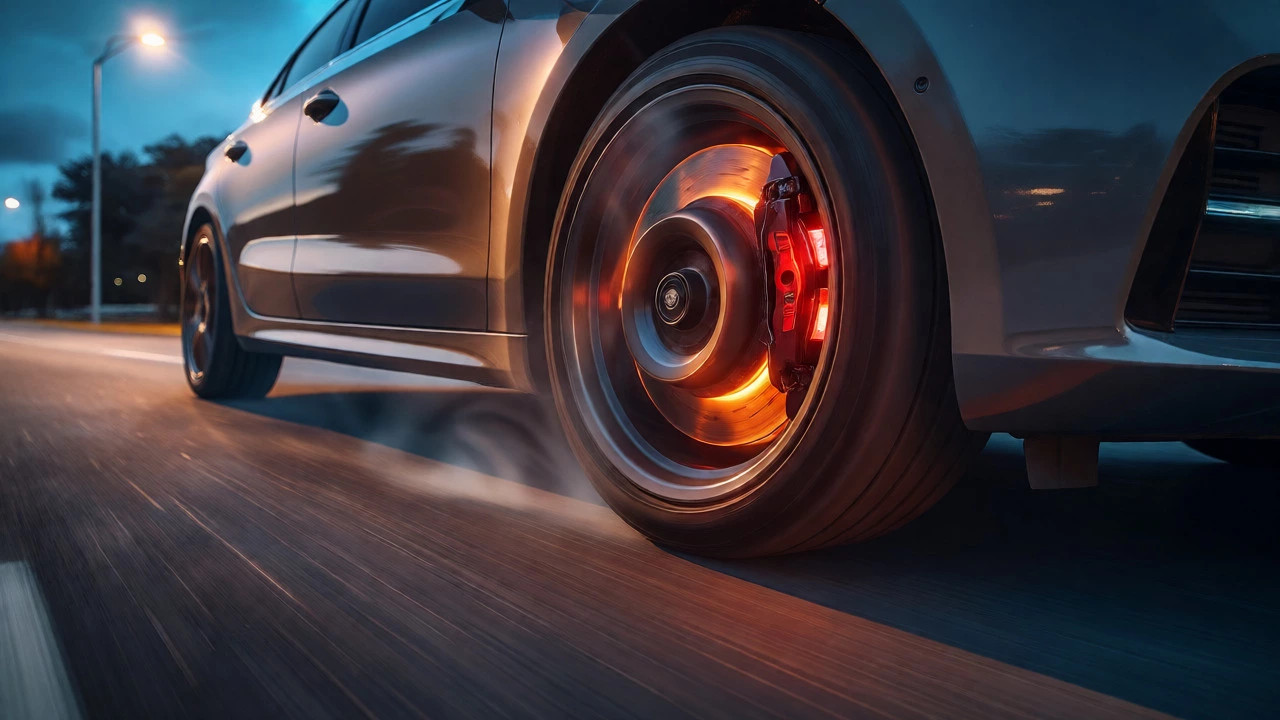
Many vehicles manufactured after 2010 include electronic wear sensors embedded in the front brake pads. Unlike the mechanical metal tabs, these sensors break their electrical circuit when the pad wears down to a specific point. This triggers a warning light on your dashboard, often labeled "BRAKE" or accompanied by a message like "Check Brake Pads."
Don’t ignore this light. While some older cars just have a generic brake light for parking brake engagement, modern cars distinguish between parking brake issues and pad wear. If your manual doesn’t clarify, get it scanned. Ignoring an electronic sensor warning usually leads to the same grinding scenario described earlier, just with a few months’ head start.
Performance Changes: Stopping Distance
Have you noticed you’re pressing the pedal harder to stop? Or that your car pulls to one side when braking? These are performance red flags.
As pads wear, the caliper pistons must extend further to clamp the pads onto the rotor. Eventually, the geometry changes enough that leverage decreases. You might find yourself needing to pump the brakes in an emergency situation. Pulling to one side suggests uneven wear-perhaps a sticking caliper slide pin causing one pad to wear faster than its counterpart. This imbalance reduces overall braking efficiency and puts extra stress on the suspension.
When to Replace vs. When to Inspect
Not every noise means immediate replacement. Dust buildup from cheap semi-metallic pads can cause temporary squealing that disappears after a few stops. Moisture from rain or washing can create surface rust on rotors, leading to initial groaning that clears up quickly.
However, if you combine multiple symptoms-squealing plus visual thinness, or grinding plus pulling-you should replace them. In Canada, where road salt accelerates corrosion, checking your brakes twice a year (spring and fall) is a smart habit. Salt can corrode caliper pins and accelerate pad degradation, meaning your pads might wear faster than the manufacturer’s estimated 50,000 km interval.
Pro Tips for Longer Brake Life
You can’t stop wearing out, but you can slow it down. Engine braking helps significantly. Instead of riding the brakes down a long hill, shift to a lower gear to let the engine slow the car. This keeps heat out of the brake system. Heat is the enemy of brake pads; extreme temperatures can glaze the friction material, making it slippery and ineffective.
Also, avoid sudden, hard stops unless necessary. Smooth, progressive braking generates less heat and distributes wear evenly across the pad surface. And finally, keep your tires properly inflated. Under-inflated tires increase rolling resistance, forcing your brakes to work harder to achieve the same deceleration.
How many kilometers do brake pads last?
It varies wildly based on driving style and conditions. City driving with frequent stops wears pads faster than highway cruising. Typically, front pads last 30,000 to 70,000 km. Rear pads last longer, often 50,000 to 100,000 km. Aggressive driving can cut these numbers in half.
Can I drive with worn brake pads?
If they are squealing but still have material, yes, but plan a repair within days. If you hear grinding, minimize driving. Metal-on-metal contact damages rotors rapidly and increases stopping distance, posing a safety risk.
Do I need to change rotors every time I change pads?
No. Rotors should be replaced if they are below minimum thickness, warped, cracked, or deeply scored. Often, rotors can be resurfaced (turned) once or twice. Always measure rotor thickness before deciding.
Why do my new brakes squeak?
New pads need a break-in period called bedding-in. During this time, transfer film forms on the rotor. Minor squeaks are normal for the first 200-500 km. If squealing persists or is loud, return to the installer.
Is ceramic better than semi-metallic?
Ceramic pads are quieter, produce less dust, and handle heat well, making them great for daily drivers. Semi-metallic pads offer higher bite force and durability, suitable for towing or heavy loads, but they are noisier and abrasive on rotors.