 Apr, 21 2026
Brake Health Diagnostic Tool
Check the symptoms you are experiencing and your measured pad thickness to get a safety assessment.
1. Symptom Checklist
2. Visual Measurement
Quick Signs Your Brakes Need Attention
- High-pitched squealing or grinding noises when braking.
- A vibrating or pulsing feeling in the brake pedal.
- Increased stopping distance (it takes longer to stop).
- A dashboard warning light (Brake or ABS).
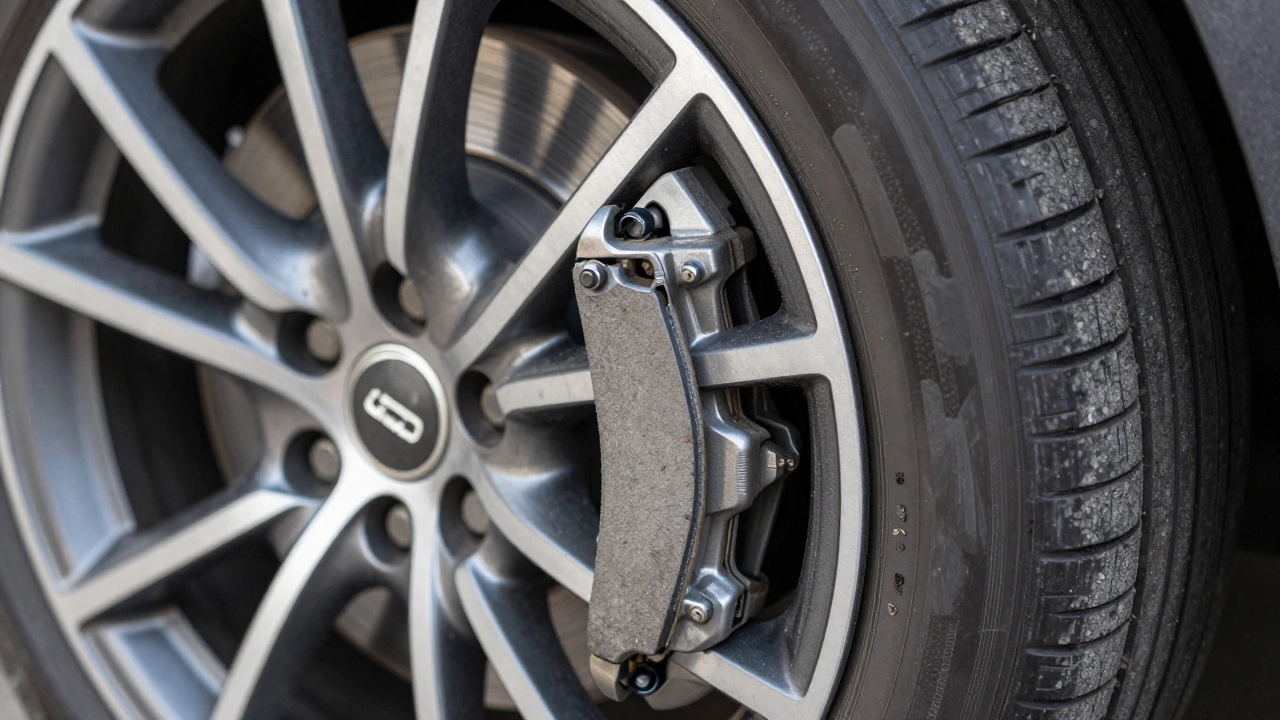
- Visible thinning of the pad material when looking through the wheel rims.
When you press the brake pedal, you're initiating a process where Brake Pads is a critical component of the disc brake system that uses friction to slow down a vehicle's rotation. These pads are designed to wear down over time, acting as a sacrificial layer to protect your more expensive components. If you don't replace them, the friction material disappears, and you start grinding metal against metal.
Listen to the Noise
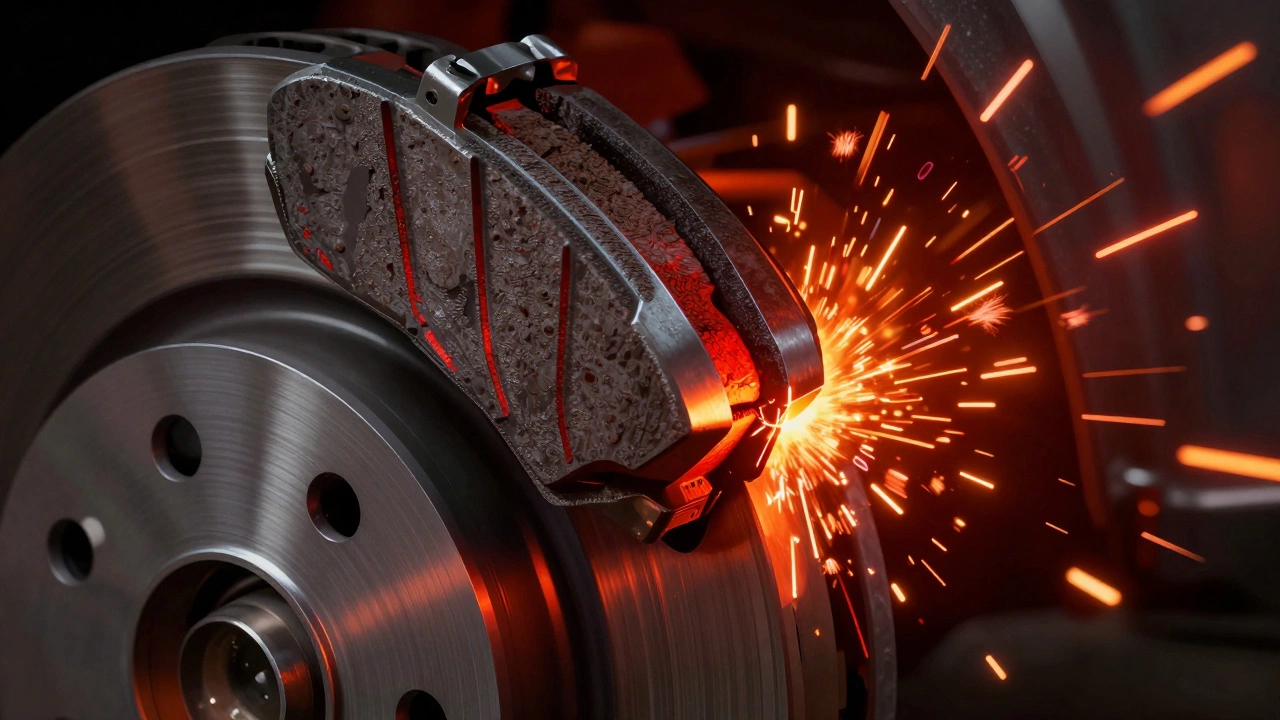
Your car actually talks to you. Most manufacturers build a Brake Wear Indicator is a small metal tab attached to the brake pad that scrapes against the rotor when the friction material is low into the pad. When the pad gets thin, this tab hits the Brake Rotor is the circular metal disc that rotates with the wheel and is clamped by the brake pads, creating a high-pitched squeal. If you hear this while driving but it goes away when you stop, it's often a warning that you're nearing the end of the pad's life.
However, if you hear a deep, guttural grinding sound-like sandpaper on concrete-you've passed the warning stage. This is called "metal-on-metal" braking. At this point, the friction material is completely gone, and the steel backing plate of the pad is carving grooves into your rotor. If you wait too long here, you won't just be buying new pads; you'll be replacing the entire rotor assembly, which can double or triple your repair costs.
The Feel of the Pedal
Pay attention to how the pedal reacts. If you notice the pedal feels "spongy" or you have to press it much closer to the floor than usual, you might have an issue with your Brake Fluid is a hydraulic fluid that transmits the force of the brake pedal to the calipers. Air bubbles or moisture in the fluid can make the brakes feel less responsive.
Then there's the vibration. If your steering wheel shakes or the pedal pulses when you brake at highway speeds, you're likely dealing with warped rotors. This happens when the rotor gets too hot and then cools too quickly, causing the metal to distort. While the pads might still have life in them, the uneven surface of the rotor will wear the pads down prematurely in specific spots, leading to uneven braking performance.
Visual Inspection: The DIY Check
You don't always need a mechanic to tell you the pads are gone. If you have alloy wheels with gaps between the spokes, you can often see the pads without even taking the wheel off. Look at the caliper-the clamp that holds the pads against the rotor. Look for the thickness of the pad material between the caliper and the rotor.
A brand new pad is usually about 12mm to 15mm thick. Once that material drops to 3mm or 4mm, it's time to start shopping for replacements. If you can see a sliver of metal or a very thin line of material, you're in the danger zone. For those who want to be precise, using a brake gauge is the best way to measure the remaining thickness across the entire surface of the pad.
Comparing Brake Pad Materials
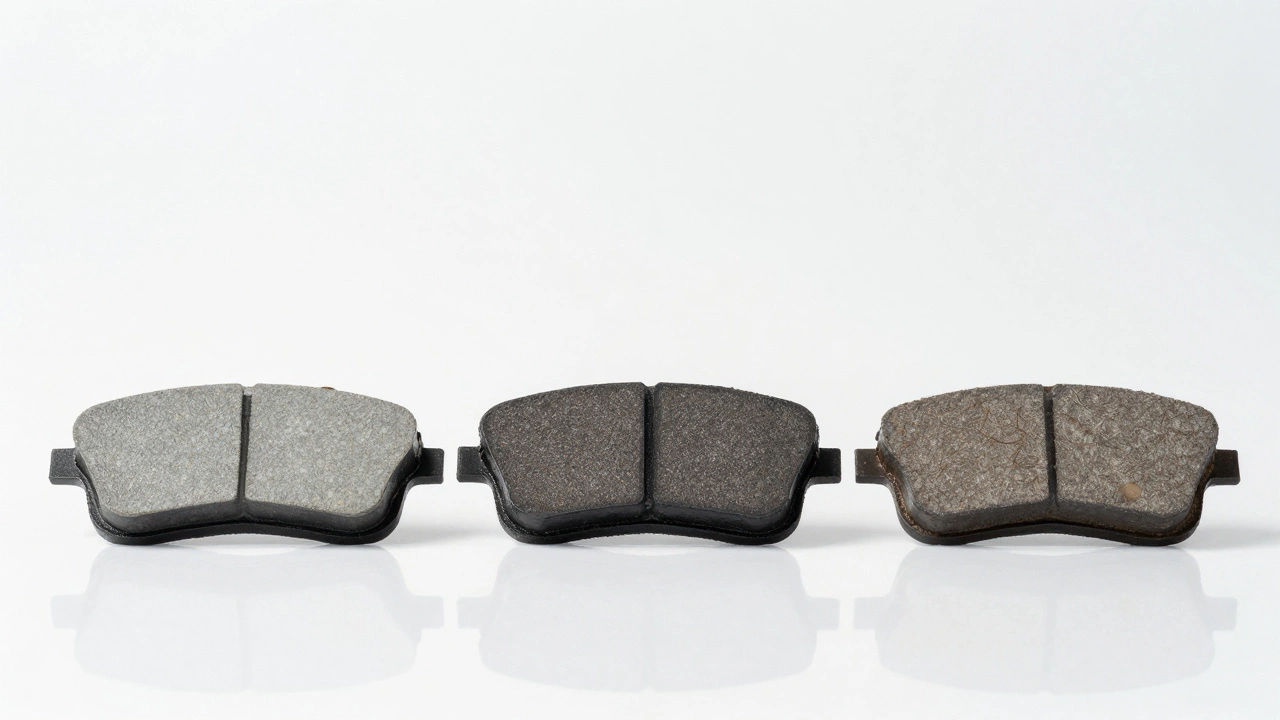
Not all pads are created equal. Depending on how you drive-whether it's stop-and-go city traffic or occasional mountain trips-you'll want a different material. Semi-metallic pads are great for heavy-duty hauling but are noisy. Ceramic pads are quieter and last longer, making them ideal for daily commuters. Organic pads are the cheapest and quietest but wear out the fastest.
| Material Type | Durability | Noise Level | Braking Power | Best For |
|---|---|---|---|---|
| Ceramic | High | Very Low | Moderate | Daily Commuting |
| Semi-Metallic | Moderate | High | High | Towing/Heavy Loads |
| Organic | Low | Low | Low | Light City Driving |
Common Pitfalls and Misconceptions
One big mistake people make is replacing only the front pads. While front brakes do most of the work and wear out faster, you should always inspect the rear pads too. If you're running an ABS (Anti-lock Braking System) is a safety system that prevents wheels from locking up during hard braking equipped car, the electronic sensors might not always trigger a light until the wear is quite advanced. Never rely solely on the dashboard light.
Another common myth is that "squealing always means the pads are gone." Sometimes, brake dust builds up or a small pebble gets caught between the pad and the rotor, causing a noise even if the pads are thick. This is why a visual check is the only way to be 100% sure. If you hear noise but the pads look thick, you might just need to clean your rotors or check for debris.
When to See a Professional
If you've never worked on a car, braking systems are not the place to start your DIY journey. A mistake with the Brake Caliper is the hydraulic clamp that squeezes the brake pads against the rotor or a leak in the brake line can lead to total brake failure. If you notice a sudden drop in pedal pressure or if the car pulls to one side when you brake, get it to a shop immediately. These are signs of a failing caliper or a collapsed hose, which is far more dangerous than simple pad wear.
How often should I check my brake pads?
You should have your brakes inspected at least once a year or every 12,000 to 15,000 kilometers. It's a good habit to check them every time you get your tires rotated, as the wheels are already off, making the pads easy to see.
Can I replace just one brake pad?
No. You must always replace brake pads in pairs (both fronts or both rears). If you only replace one, the car will pull to one side during braking, which can cause you to lose control of the vehicle.
Why are my brakes squealing even after I replaced the pads?
This often happens if the technician didn't apply anti-seize lubricant to the back of the pads or if the rotors weren't "resurfaced" (smoothed out). New pads on old, pitted rotors will often make noise until they bed in properly.
Do ceramic pads really last longer?
Generally, yes. Ceramic pads are denser and more resistant to heat fade, which means they don't wear down as quickly as organic pads under normal driving conditions. They also produce less corrosive dust on your wheels.
Is it safe to drive with thin brake pads?
It's risky. While the car will still stop, your stopping distance increases significantly. More importantly, once the material is gone, you'll damage the rotors, turning a simple pad swap into a much more expensive full brake overhaul.