 Apr, 14 2026
Engine Oil Health Diagnostic Tool
How to use: Select the symptoms you are currently experiencing with your vehicle to get an immediate assessment of urgency and the likely cause.
Select Symptoms:
Diagnostic Result:
Please select one or more symptoms to begin the analysis.
-
-
Knowing the early signs of low oil can be the difference between a five-minute top-up and a trip to the scrapyard. You don't need to be a master mechanic to spot the red flags; your car actually tells you exactly what's wrong if you know how to listen.
Key Signs of Low Oil Level
- The Oil Pressure Warning Light: This is the most obvious signal. When the oil level drops too low, the pump can't maintain pressure, triggering the dashboard lamp.
- Engine Knocking or Tapping: A rhythmic clicking sound often means the upper parts of the engine aren't getting enough lubrication.
- Increased Engine Temperature: Oil doesn't just lubricate; it carries heat away from the combustion chamber. Less oil means your engine runs hotter.
- Burning Smell: If oil is leaking onto a hot exhaust manifold, you'll smell something acrid and burnt.
- Reduced Performance: High friction leads to more drag, making your car feel sluggish or less responsive.
The Dreaded Oil Pressure Light
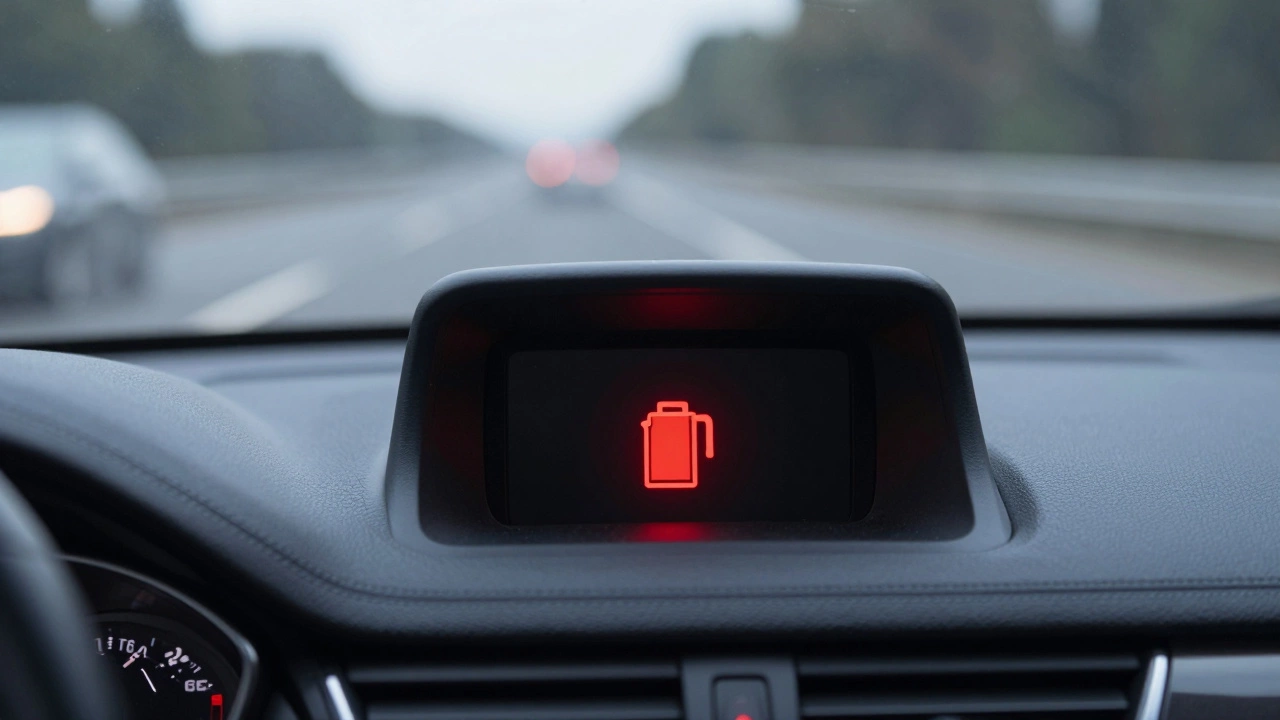
When you see that red oil can icon on your dashboard, it is a critical alert. Unlike a fuel light that tells you that you're running low, an oil pressure light is a warning that the engine's internal components are not receiving sufficient lubrication to prevent metal-on-metal contact. This is an immediate "stop the car" situation.
The danger here is that by the time the light comes on, the damage might already be happening. If the oil pump can't find enough fluid to push through the galleries, the oil pressure drops instantly. If you keep driving for even a few minutes, the heat generated by friction can warp the cylinder walls or melt bearings.
Listening for Engine Knocking and Tapping
If you hear a distinct ticking or tapping sound, especially when accelerating, you're likely hearing the result of low oil. In a healthy engine, a thin film of oil separates moving parts. When the oil level is low, the hydraulic lifters-which keep the valves opening and closing smoothly-can't maintain their internal pressure.
This creates a gap, and the metal parts begin to slam into each other. It sounds like a sewing machine on steroids. If you're in a parking lot and notice this, don't risk it. Pull over and check the levels. Once the engine "knocks" due to oil starvation, some of that wear is permanent, even if you refill the oil immediately.
Why Your Engine Runs Hotter with Less Oil
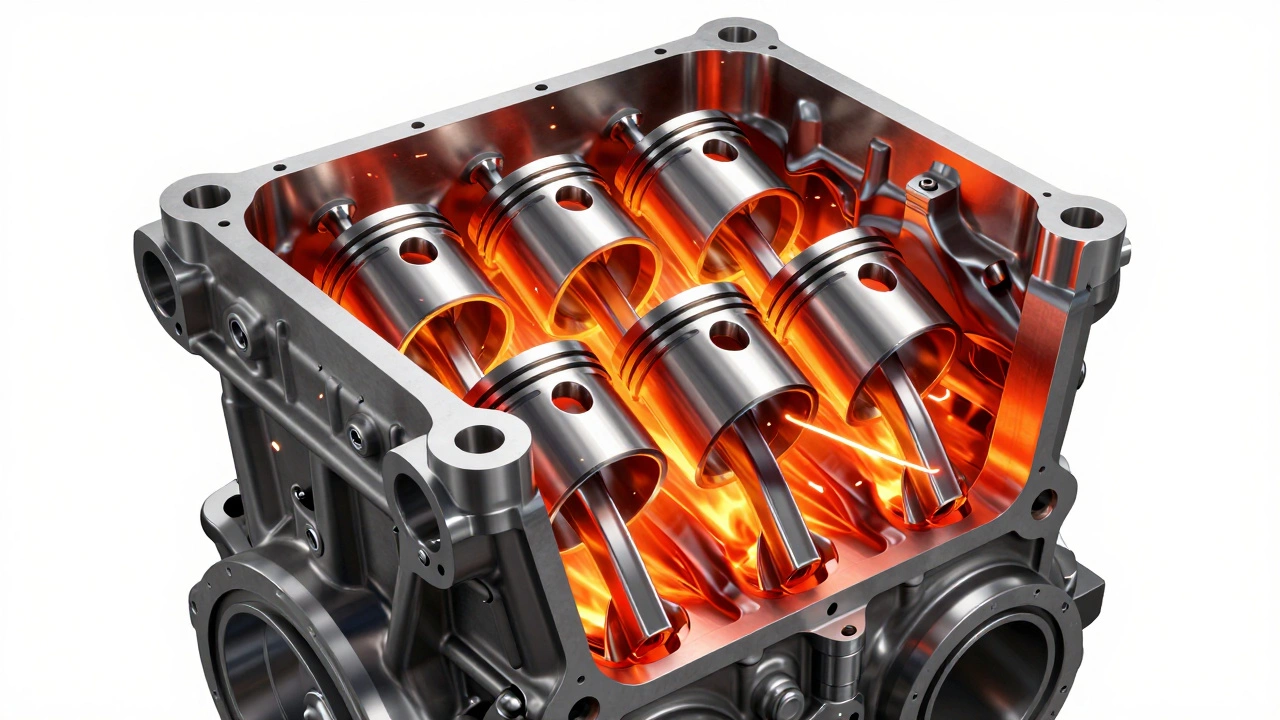
Most people think the cooling system (radiator and coolant) does all the work. While that's true for the general block, engine oil is a massive player in thermal management. Oil absorbs heat from the pistons and carries it back to the oil pan to cool down.
When you have a low volume of oil, the remaining fluid has to work twice as hard. It spends more time in the hot zones and less time cooling off. This can lead to a spike in the temperature gauge. If you see your needle creeping toward the red zone but your coolant is full, your oil level is the prime suspect.
| Symptom | What's Happening | Urgency |
|---|---|---|
| Ticking/Tapping | Dry lifters or valves | High |
| Burning smell | Oil leaking on hot engine parts | Medium |
| Oil Light On | Loss of oil pressure | Critical |
| Temp gauge rise | Insufficient heat dissipation | High |
Identifying the Source of the Oil Loss
Oil doesn't just vanish into thin air. If you're low, it's either leaking out or being burned inside the engine. To find out which it is, look at the ground where you park. A dark brown or black puddle is a clear sign of a leak, often caused by a worn oil pan gasket or a faulty valve cover gasket.
If there are no puddles, your engine might be "consuming" oil. This happens when oil seeps past the piston rings into the combustion chamber and burns along with the fuel. You'll notice a bluish tint to your exhaust smoke during acceleration. This is often a sign of engine wear or a failing PCV valve (Positive Crankcase Ventilation), which regulates the pressure inside the crankcase.
How to Properly Check Your Oil Level
The only foolproof way to know if you're low is to use the oil dipstick. Don't rely solely on the electronic sensor on your dash, as those can occasionally fail or be calibrated too late.
- Park your car on a level surface. If you're on a hill, the oil will pool to one side, giving you a fake reading.
- Turn off the engine and let it sit for about 5 to 10 minutes. This allows the oil to drain back into the pan.
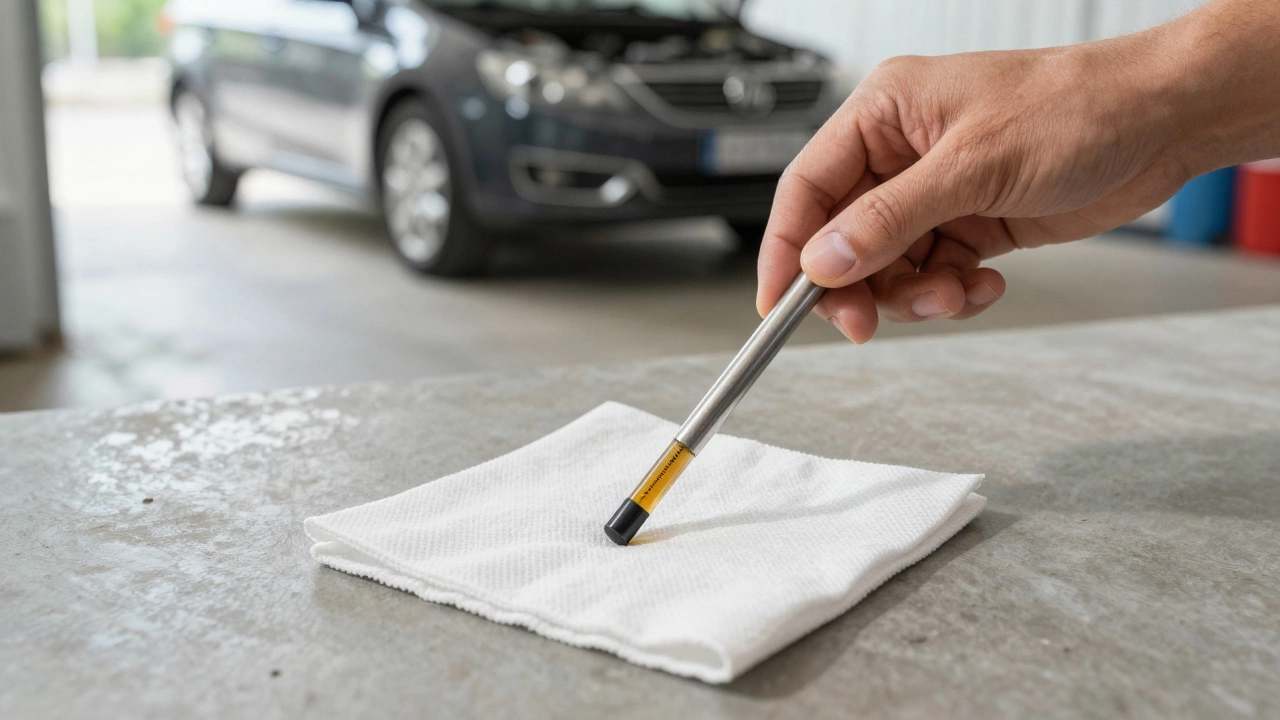
- Pull the dipstick out and wipe it completely clean with a lint-free rag.
- Insert it fully back into the tube, then pull it out again.
- Look at the mark. If the oil level is below the "Min" or the lower hole, you need more oil.
The Risks of Ignoring Low Oil
If you keep driving with low oil, you'll eventually hit a point of no return. The first thing to go is usually the bearings. These small metal inserts prevent the crankshaft from grinding against the engine block. Without oil, they overheat and "spin," which effectively locks the engine.
Once the engine seizes, you're looking at a complete engine rebuild or replacement. In a modern car, that's an expense that can easily exceed the value of the vehicle. It's far cheaper to spend $20 on a quart of synthetic oil every few thousand miles than to spend $5,000 on a new engine.
Can I drive to a mechanic if my oil light is on?
No. If the oil pressure light is on, you should stop immediately. Driving even a short distance can cause permanent damage to the crankshaft and bearings. The safest move is to add oil on the spot or have the car towed.
Why is my oil level low but I don't see any leaks?
Your engine might be burning oil. This is common in high-mileage vehicles where piston rings are worn, or if the PCV valve is clogged. Check for blue smoke coming from the tailpipe as a primary indicator.
What happens if I put too much oil in the car?
Overfilling can be just as bad as underfilling. Too much oil can cause "frothing," where the crankshaft whips air into the oil, turning it into a foam. Foam doesn't lubricate the engine, which can actually lead to a drop in oil pressure.
How often should I check my oil?
A good rule of thumb is to check your oil every second or third time you fill up with gas. This helps you catch leaks or consumption issues early before they trigger a warning light.
Does synthetic oil burn off faster than conventional oil?
Generally, no. Synthetic oil is engineered to be more stable at high temperatures and typically lasts longer between changes. However, if your engine has a leak, the type of oil won't stop the loss.
Next Steps and Troubleshooting
If you found that your oil was low, your first priority is to top it up using the correct viscosity (e.g., 5W-30), which you can find in your owner's manual. But don't stop there. Simply adding oil doesn't fix the reason why it disappeared.
For the DIYer: Clean your engine bay and apply a bit of talcum powder around the oil pan. Drive for a day and check the powder; oil leaks will leave a clear dark trail through the white powder, making it easy to spot the source.
For the Driver: If you're burning oil through the exhaust, start a "log." Note exactly how many miles you drive between topping off. If you're losing a quart every 500 miles, it's time to have a professional check your piston rings and valve seals.