 Jun, 12 2026
Clutch & Flywheel Diagnostic Tool
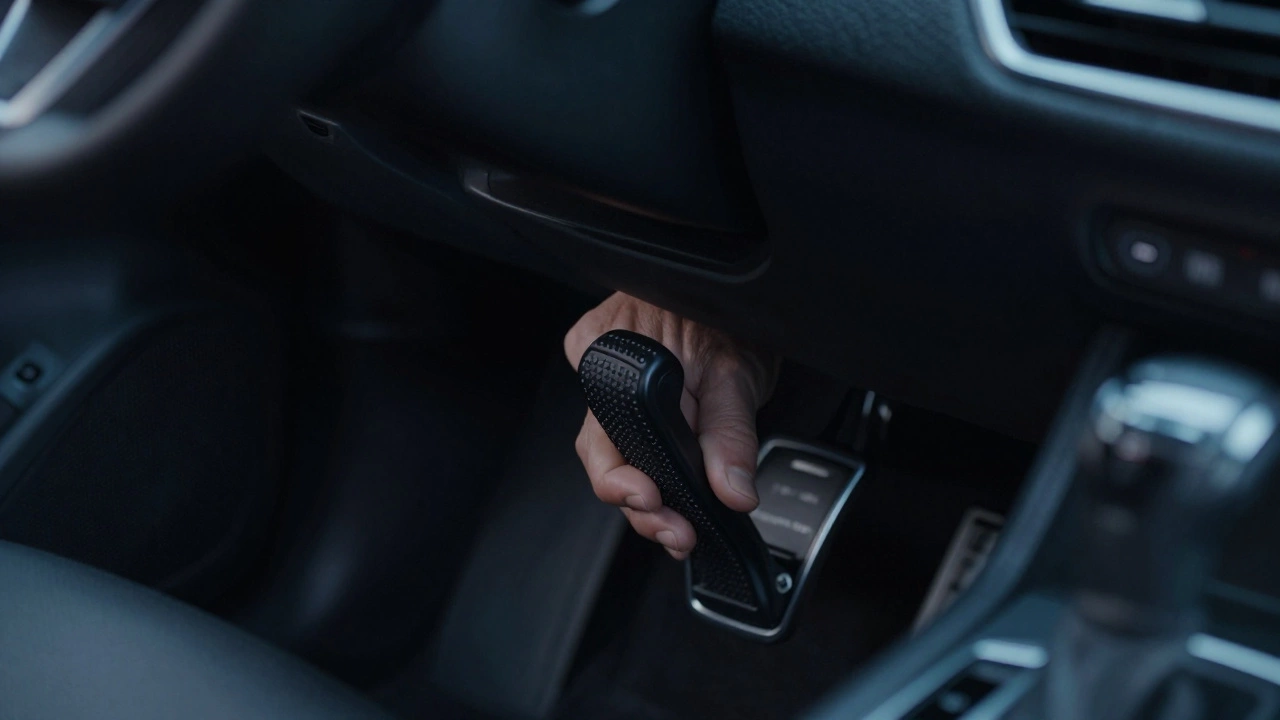
Pedal Feel
Spongy or Soft Pedal
Hydraulic issuePedal sinks to floor without resistance
Stiff or Hard Pedal
Mechanical bindingDifficult to press down fully
Pedal Sticks to Floor
Return spring failureDoes not return up when released
Performance Issues
Slipping at High RPMs
CriticalEngine revs but car doesn't accelerate
Hard Shifting / Grinding
Gear clashDifficulty shifting into first/reverse
Burning Smell
WarningSmells like burnt rubber/toast
Noises
Chattering on Takeoff
VibrationJuddering noise when starting to move
Grinding (Pedal Down)
Release bearingNoise only when clutch is pressed
Rattling at Idle
FlywheelLoud rattle that stops when revving
Visual/Other
Fluid Leak Visible
Master/Slave cylinderWetness near brake booster or transmission
High Engagement Point
Disc wearCar moves only when pedal almost fully released
Diagnosis Results
Recommended Action Steps
Estimated Repair Cost
Parts + Labor included
Urgency Level
LowThere is nothing quite as frustrating as sitting in traffic, pressing the pedal to the floor, and watching your RPMs climb while the car barely moves. You might think you are just driving aggressively, but that slipping sensation is often a loud cry for help from your drivetrain. When your clutch is a mechanical component that engages and disengages power delivery between the engine and transmission starts to fail, it doesn't always happen with a sudden bang. More often, it’s a slow decline marked by subtle changes in how your vehicle feels under your feet.
Identifying a bad clutch early can save you hundreds of dollars. Why? Because a failing clutch puts immense stress on the flywheel is a heavy rotating disc attached to the engine crankshaft that stores rotational energy and provides a friction surface for the clutch disc. If you ignore the warning signs until the clutch completely gives out, you risk damaging the flywheel or even the transmission input shaft. This turns a standard $800 repair into a $2,000 nightmare. Let’s break down exactly what to look for so you can diagnose the issue before it leaves you stranded.
The Spongy or Sticking Pedal Feel
The first place you will notice a problem is right under your left foot. In a healthy manual transmission vehicle, the clutch pedal has a specific texture. It should feel firm when pressed down and return quickly when released. When the hydraulic system or the release bearing starts to fail, that feedback changes dramatically.
If the pedal feels soft, spongy, or sinks all the way to the floor without engaging the gears, you likely have air in the hydraulic lines or a leaking master cylinder. On the flip side, if the pedal sticks to the floor and refuses to come back up, the return spring may be broken, or there could be binding in the pivot mechanism. While these are often hydraulic issues rather than wear on the friction material itself, they prevent the clutch from fully disengaging. This means you cannot shift gears smoothly, leading to grinding noises that mimic other serious transmission problems.
- Spongy feel: Indicates air in the fluid or a leak in the slave/master cylinder.
- Stiff pedal: Suggests a broken release bearing or lack of lubrication in the throw-out bearing.
- No resistance: The clutch cable (in older cars) may have snapped or stretched beyond its limit.
Slipping at High RPMs
This is the most definitive sign of a worn clutch disc. Imagine you are merging onto a highway in third gear. You press the gas to accelerate, expecting the speedometer to rise in sync with the tachometer. Instead, the engine screams-revving up to 4,000 or 5,000 RPM-but the car only gains a few miles per hour. This is called "slipping."
What is happening mechanically is that the friction material on the clutch disc has worn down to the metal springs underneath. There is no longer enough grip to transfer the engine's torque to the wheels. The engine spins freely, disconnected from the drivetrain. If this happens occasionally during hard acceleration, it might be driver error. But if it happens during normal city driving or gentle hill climbs, your clutch disc is effectively dead. Continuing to drive like this generates excessive heat, which warps the flywheel and destroys the pressure plate.
Burning Smell and Chattering Noises
A bad clutch often announces itself through smell and sound before it fails completely. Have you ever smelled burning rubber or hot brakes after a long drive? That acrid odor might actually be coming from your clutch. As the friction material wears away, the metal components begin to rub against each other. This friction creates intense heat, producing a distinct burnt smell similar to overheated brakes.
Listen closely when you start moving from a standstill. A healthy clutch engages silently. A failing one might produce a chattering or juddering noise. This vibration travels through the chassis and can be felt in the steering wheel. This chattering usually indicates that the pilot bearing (which supports the end of the input shaft) is worn out, or that the clutch disc has become glazed and uneven. If you hear a grinding noise specifically when the clutch pedal is depressed, the release bearing is likely shot. If the grinding occurs when the pedal is released, the input shaft bearings inside the transmission may be damaged.
Flywheel Damage: The Hidden Cost
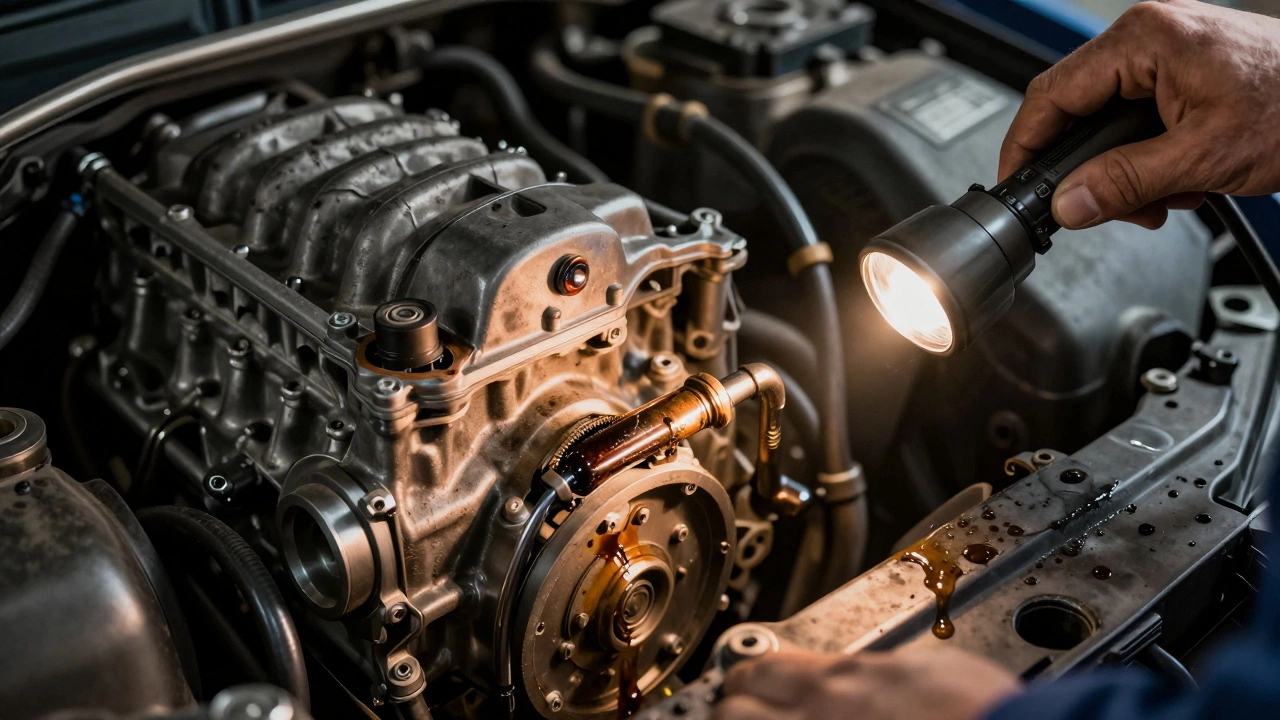
Many drivers focus solely on the clutch disc, forgetting about the flywheel. The flywheel is a cast-iron or steel disc bolted directly to the engine crankshaft. Its job is to smooth out the power pulses from the engine and provide a flat surface for the clutch disc to grab onto. Over time, the constant engagement and disengagement cause the flywheel surface to wear unevenly.
If your clutch slips, the resulting heat can warp the flywheel. A warped flywheel will not sit flat against the clutch disc, causing vibrations every time you engage a gear. In dual-mass flywheels-common in modern diesel trucks and luxury sedans-the internal springs can fail. This results in a loud rattling noise at idle that disappears once you rev the engine. Replacing a single-mass flywheel is relatively cheap, but resurfacing or replacing a dual-mass flywheel adds significant cost to the repair. Always inspect the flywheel whenever you replace a clutch kit; ignoring it guarantees the new clutch will fail prematurely.
| Symptom | Likely Cause | Urgency Level |
|---|---|---|
| Slipping at high RPM | Worn clutch disc friction material | High (Immediate attention needed) |
| Spongy pedal | Hydraulic leak or air in system | Medium (Can strand you soon) |
| Chattering on takeoff | Worn pilot bearing or glazed disc | Medium (Causes further damage) |
| Grinding when pedal pressed | Failed release (throw-out) bearing | Low-Medium (Noisy but drivable short-term) |
| Rattling at idle | Dual-mass flywheel failure | High (Risk of catastrophic engine damage) |
The Difficulty Shifting Gears
If shifting into first or reverse feels like trying to push a boulder uphill, your clutch isn't fully disengaging. This is known as "hard shifting" or "grinding gears." When you press the clutch pedal, the release bearing pushes against the diaphragm spring fingers, separating the clutch disc from the flywheel. If this separation is incomplete, the gears remain partially meshed, causing them to clash when you try to move the shifter.
This symptom is tricky because it can also indicate low transmission fluid or a bent shift linkage. However, if the grinding is accompanied by a stiff pedal or difficulty staying in gear, the clutch assembly is the prime suspect. Driving with a clutch that doesn't fully disengage will quickly strip the teeth off your synchronizers, requiring a full transmission rebuild instead of a simple clutch swap.
Visual Inspection and DIY Checks
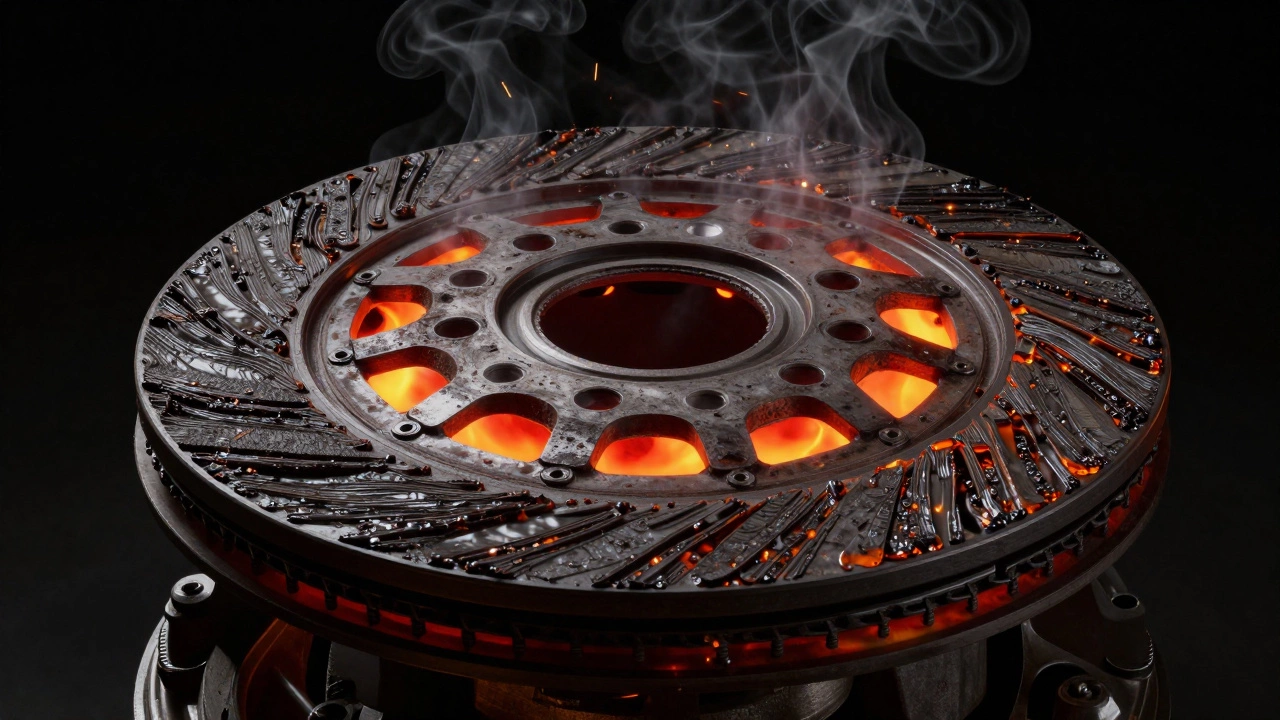
While you can't see the clutch without dropping the transmission, you can perform a few external checks. Start by looking under the hood for leaks around the clutch master cylinder, located near the brake booster. Wetness here indicates a hydraulic failure. Next, check the slave cylinder, usually found on the bell housing of the transmission. Leaks here are harder to spot but equally critical.
You can also test the clutch engagement point. Find a flat, safe area and put the car in second gear. Slowly release the clutch pedal while giving it a tiny amount of gas. Note where the car begins to move. If the engagement point is very high (you have to release almost the entire pedal before the car moves), the clutch disc is severely worn. Conversely, if the car jerks violently at the slightest release, the pressure plate springs may be fatigued.
When to Replace vs. Repair
In the world of manual transmissions, partial repairs rarely last. If your clutch disc is worn, the pressure plate is likely weak, and the release bearing is probably noisy. Mechanics recommend replacing the entire clutch kit is a bundle containing the clutch disc, pressure plate, and release bearing designed to be replaced together as a single unit. Mixing old parts with new ones leads to premature failure. Additionally, always resurface or replace the flywheel. Skipping this step is false economy; the new clutch will simply adapt to the imperfections of the old flywheel and wear out again within 10,000 miles.
For most daily drivers, a standard organic clutch kit offers the best balance of comfort and durability. If you tow heavy loads or track your car, consider a performance kit with carbon-ceramic materials, though these will be harsher in everyday traffic. Labor costs vary widely depending on whether your car is front-wheel drive (easier access) or rear-wheel/all-wheel drive (requires more disassembly). Budgeting for the whole job upfront prevents surprise bills later.
How much does it cost to replace a clutch and flywheel?
The total cost typically ranges from $1,200 to $2,500 depending on the vehicle. Parts alone (clutch kit and flywheel) usually cost between $300 and $600. Labor is the major expense, accounting for 60-70% of the bill, as removing the transmission takes several hours. Luxury brands and all-wheel-drive vehicles tend to be on the higher end due to complex drivetrain layouts.
Can I drive with a slipping clutch?
You can drive it a short distance to a mechanic, but you should avoid highway speeds and heavy acceleration. A slipping clutch generates extreme heat, which can warp the flywheel and damage the transmission input shaft. Prolonged use will lead to complete failure, leaving you unable to move the car at all.
Does changing the transmission fluid help clutch problems?
No. The clutch is part of the engine/transmission interface, not the internal transmission gearing. Transmission fluid lubricates the gears and synchronizers. While fresh fluid helps with shifting feel, it does nothing to fix a worn clutch disc, failed bearing, or warped flywheel.
Why does my clutch smell like burning toast?
That smell is the friction material on the clutch disc overheating due to slippage. It happens when the engine spins faster than the wheels can handle, creating friction. If you smell this after riding the clutch (keeping your foot on the pedal while stopped) or accelerating hard in too high a gear, stop immediately to let it cool. Persistent smells indicate imminent failure.
How long does a clutch last?
On average, a clutch lasts between 50,000 and 100,000 miles. However, mileage is less important than driving habits. City drivers who stop frequently wear out clutches faster than highway drivers. Aggressive launches, riding the clutch, and towing heavy loads can reduce lifespan to under 30,000 miles.