 Oct, 2 2026
Brake Diagnostic Assistant
Enter your current vehicle status below to receive a preliminary diagnosis of which brakes may need attention.
Recommended Actions
Select symptoms and enter mileage, then click "Analyze" to see results.
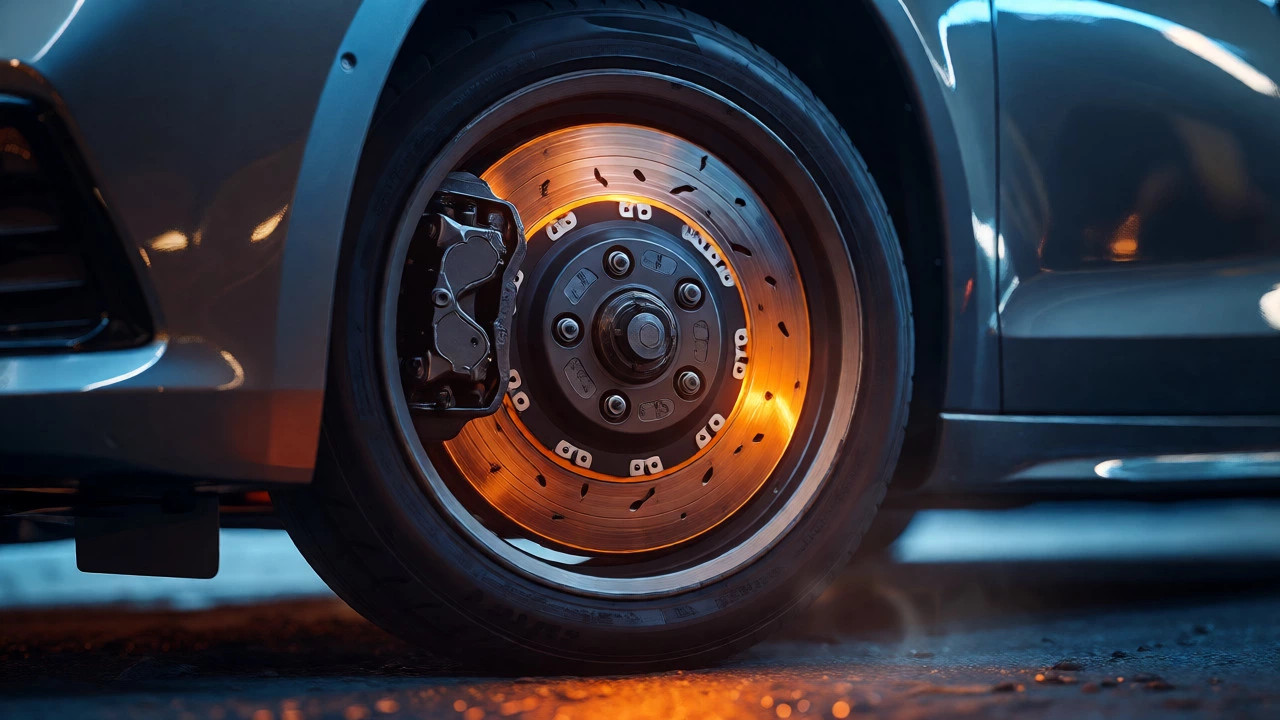
Nothing kills the vibe of a road trip faster than that squealing noise coming from your wheels. But here’s the tricky part: hearing it doesn’t tell you which end of your car is in trouble. Is it the front calipers grinding away? Or are the rear drums finally giving up? Knowing the difference isn't just about saving money on unnecessary parts; it's about understanding how your car stops so you don't get stranded-or worse.
The Physics of Stopping Power
To diagnose the problem, you first need to understand why cars are built this way. Most modern vehicles use a disc brake system at the front and often a mix of disc or drum systems at the rear. Why the disparity? It comes down to weight transfer. When you hit the brakes, physics takes over. The mass of your vehicle shifts forward onto the front axle. This means the front brakes do roughly 70% to 80% of the stopping work. The rear brakes are there for stability and parking, not heavy lifting.
This imbalance explains why front pads usually wear out twice as fast as rear ones. If you’re noticing issues after only 15,000 miles, it’s almost certainly the fronts. If you’re pushing 60,000 miles with no complaints, check the rears. Understanding this load distribution helps you predict failure before it happens.
Signs Your Front Brakes Are Failing
Because the front brakes handle the bulk of the deceleration force, they fail louder and more aggressively. Here is what to look for:
- Vibration in the Steering Wheel: This is the classic symptom of warped front rotors. If your steering wheel shudders when you press the pedal, the rotors are likely unevenly worn due to heat stress.
- Pull to One Side: If your car tugs left or right under braking, one front caliper might be sticking or a pad is worn unevenly compared to its partner.
- High-Pitched Squeal: Front pads have metal wear indicators designed to scream when the friction material gets thin. Since they work harder, they hit this threshold sooner.
- Soft Pedal Feel: While this can indicate air in the lines, if it’s paired with reduced stopping power, your front pads may be glazed or completely gone.
Don’t ignore the vibration. Warped rotors damage the suspension components over time because every stop sends shockwaves through the tie rods and ball joints.
Tell-Tale Symptoms of Rear Brake Trouble
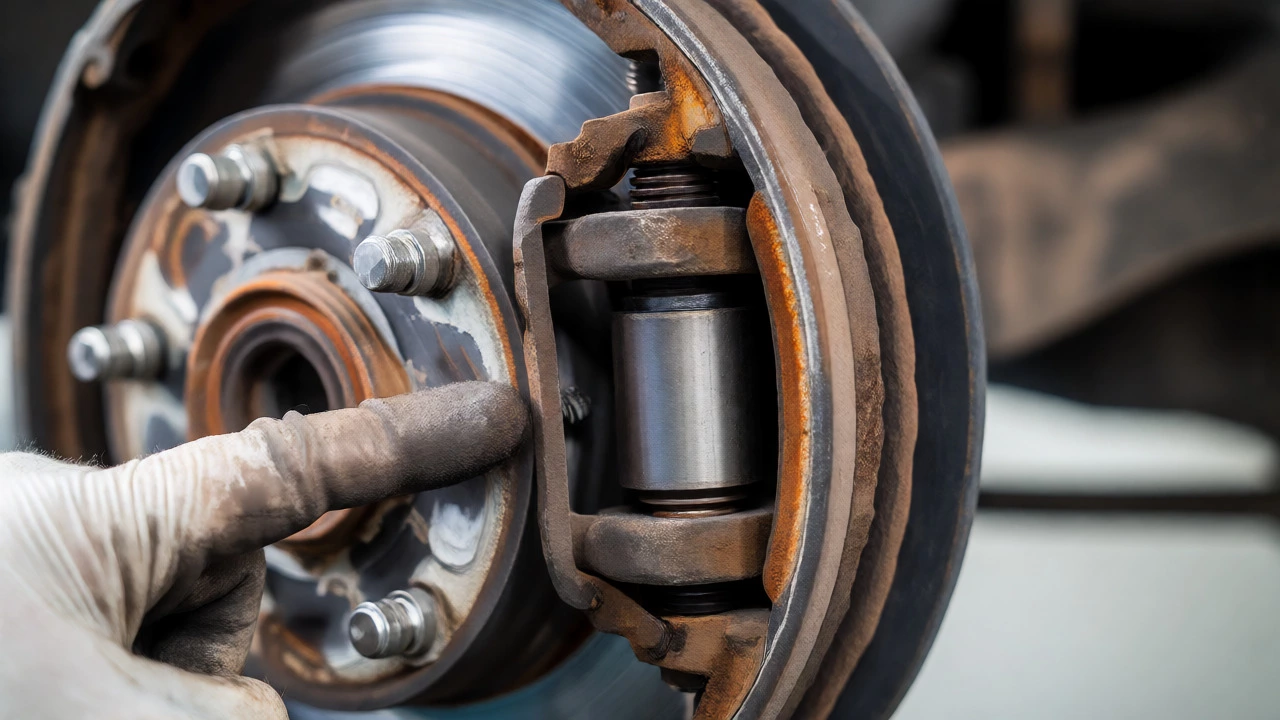
Rear brakes are quieter, sneakier, and easier to overlook until they actually cause a problem. Because they see less action, they are prone to corrosion rather than wear.
- Handbrake Issues: If your emergency brake feels spongy or doesn’t hold the car on a hill, the rear brakes are suspect. In many cars, the handbrake acts directly on the rear discs or drums.
- Grinding Noise at Low Speeds: Unlike the high-pitched squeal of the front, rear brakes often produce a lower-frequency growl or grind when engaging from a stop.
- Parking Drag: If the car feels like it’s fighting you when you try to accelerate from a standstill, a rear caliper piston might be seized, keeping the pads clamped against the rotor.
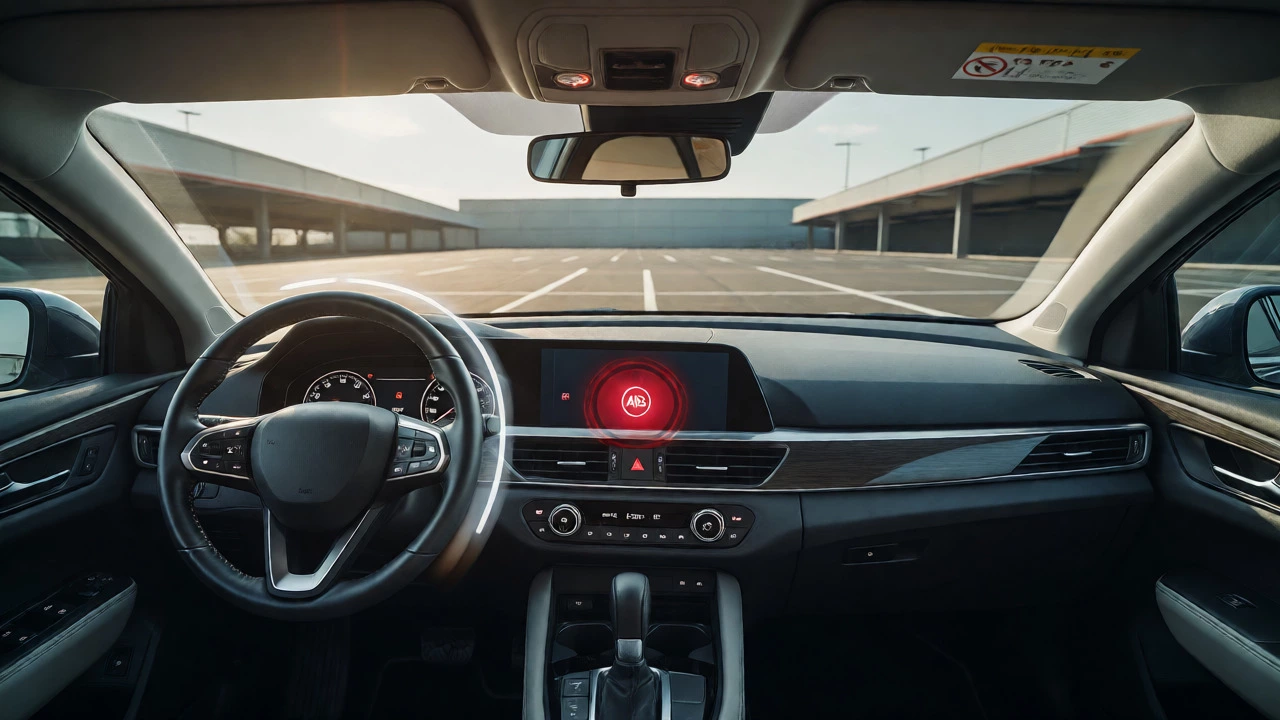
- ABS Light Activation: Modern cars monitor wheel speed. If the rear wheels lock up or spin differently than the front during hard braking, the ABS light will pop on.
A common misconception is that rear brakes never need replacing. That’s false. They just need different maintenance. Corrosion buildup behind the pads can prevent them from retracting fully, causing premature wear and overheating.
Front vs. Rear Brake Wear Comparison
Here is a quick reference guide to help you distinguish between the two based on observable attributes.
| Attribute | Front Brakes | Rear Brakes |
|---|---|---|
| Primary Function | Stopping Power (70-80%) | Stability & Parking (20-30%) |
| Wear Rate | Fast (15k - 40k miles) | Slow (40k - 80k+ miles) |
| Common Failure Mode | Worn Pads / Warped Rotors | Seized Calipers / Rust Buildup |
| Diagnostic Clue | Steering Vibration | Weak Handbrake |
| Noise Type | High-Pitched Squeal | Low-Frequency Growl |
How to Inspect Your Brakes Yourself
You don’t need a lift to get a good idea of what’s going on. Grab a flashlight and follow these steps. Safety first: ensure the car is on flat ground, in park, and the parking brake is engaged.
- Visual Check Through the Spokes: Look at the brake pad thickness. You are looking for the friction material bonded to the metal backing plate. If it looks thinner than a quarter-inch (about 3mm), replace it immediately. Some pads have grooves; once those disappear, you are done.
- Check the Rotor Surface: Run your finger carefully along the edge of the rotor (when cool). Feel for deep grooves or a raised lip on the outer edge. A slight lip is normal; a sharp, tall ridge indicates significant wear.
- Inspect the Caliper: Look for rust around the slide pins. If the caliper body is heavily corroded, it might not be sliding freely, leading to uneven wear.
- Listen During a Test Drive: Find an empty parking lot. Accelerate to 20 mph and gently apply the brakes. Note if the noise changes pitch or if the pedal pulses. Then, try the handbrake while moving slowly. If it holds firmly, your rear brakes are likely okay mechanically, though they may still need cleaning.
When to Replace vs. Resurface
Deciding whether to just swap pads or go full kit depends on the condition of the rotors. Front rotors take the most abuse. If they are within manufacturer specifications for minimum thickness, resurfacing (turning) them can save money. However, most mechanics now recommend replacing both pads and rotors together for the fronts. Why? Modern rotors are cheaper than labor, and resurfacing removes material, making them thinner and more prone to warping later.
For the rear, if you have drum brakes, inspect the shoes and hardware. If you have discs, check for scoring. If the rotors are deeply scored, replacement is the only safe option. Never install new pads on badly damaged rotors; they will wear out prematurely and make noise.
The Cost of Ignoring Bad Brakes
Delaying repairs turns a $300 job into a $1,000 nightmare. Metal-on-metal contact destroys rotors, damages calipers, and stresses the wheel bearings. Worse, it compromises your ability to stop in emergencies. In wet conditions, glazed or worn pads lose their bite entirely. Remember, brakes are consumables. They are meant to wear out. The goal is to catch them before they destroy the expensive hardware they protect.
Can I drive with bad front brakes?
You can drive short distances if the pads still have some material left, but avoid highway speeds. If you hear grinding, stop driving immediately. Metal-on-metal contact can shatter the rotor, causing sudden loss of control.
Why do my rear brakes wear slower than the front?
Weight transfer. When you brake, the car's weight shifts forward, putting more pressure on the front tires and brakes. The rear wheels have less traction and thus require less braking force to avoid locking up, so their components experience less friction and heat.
What does a clicking sound mean?
A rhythmic clicking that increases with speed is often a loose brake dust shield hitting the rotor. It can also indicate a missing anti-rattle clip on the brake pad. It’s usually not urgent but should be fixed to prevent damage to the rotor surface.
Do I need to replace rotors every time I change pads?
Not always, but it is recommended for front brakes. If the rotors are smooth, within thickness specs, and not warped, you can reuse them. However, replacing them ensures optimal performance and prevents future warping issues, especially since labor costs for accessing the brakes are already incurred.
How long do rear brake pads last?
Typically 40,000 to 80,000 miles, depending on driving habits. City driving with frequent stops wears them faster than highway cruising. If you rarely use the foot brake and rely on engine braking, they might last even longer, but check for corrosion.