 Dec, 1 2025
Radiator Replacement Cost-Benefit Calculator
Assess Your Radiator Needs
Answer these questions to determine if radiator replacement is worth it for your vehicle.
If your car keeps overheating, or you’ve noticed coolant leaks under your hood, you’re probably wondering: is it worth installing new radiators? The answer isn’t simple. It depends on your car’s age, the condition of the rest of the cooling system, and how much you plan to keep driving it. A broken radiator won’t just make your car uncomfortable-it can destroy your engine in minutes.
Why Radiators Fail
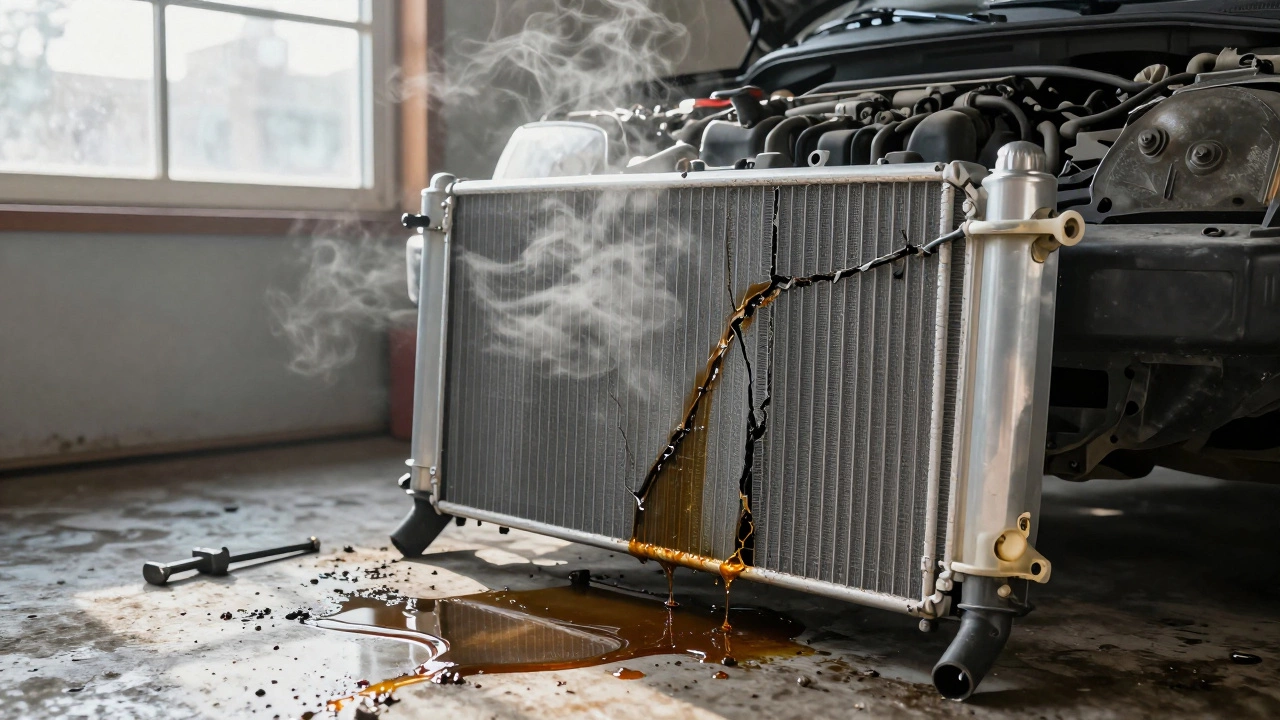
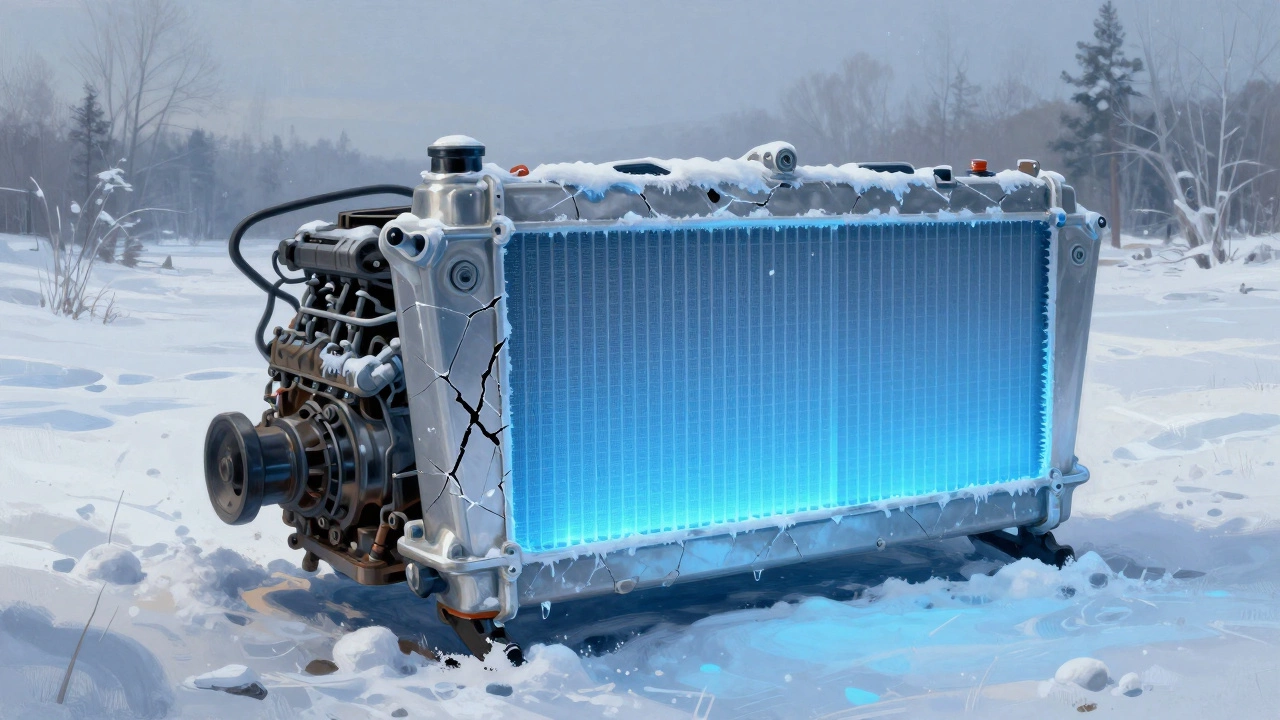
Car radiators are made of aluminum and plastic. Over time, the plastic end tanks crack from heat cycles. Aluminum fins corrode from old or contaminated coolant. Even a tiny leak lets coolant escape, and without enough fluid, the engine runs hot. In Hamilton winters, freezing temperatures can make this worse-ice forms inside the radiator if you’re using the wrong coolant mix, and that’s a recipe for burst tubes.
Most radiators last 8 to 12 years. If your car is 10 years old and the radiator is original, it’s already near the end of its life. You might not see a leak yet, but the internal passages are likely clogged with rust or sludge. That reduces cooling efficiency, which means your engine runs hotter than it should-even if it hasn’t overheated yet.
Signs You Need a New Radiator
Here’s what to look for:
- Coolant puddles under the front of your car, especially after parking
- Temperature gauge creeping into the red zone, even on mild days
- Steam or smoke coming from under the hood
- Sludge or rust-colored coolant when you check the reservoir
- Heater not blowing hot air-this means coolant isn’t circulating properly
One common mistake drivers make is assuming the thermostat is the problem when it’s actually the radiator. Replacing the thermostat fixes the issue about 30% of the time. The other 70%? The radiator is clogged or leaking.
Cost of Replacement vs. Repair
Fixing a radiator can cost anywhere from $200 to $800, depending on your car. A basic aluminum radiator for a 2015 Honda Civic runs around $250. Labor adds another $150 to $300. That’s not cheap, but it’s far cheaper than replacing a blown engine.
Some shops offer radiator repair services-like welding a cracked tank or sealing a leak. These fixes are temporary. They might work for a few months, but the radiator is still aging. In cold climates like Hamilton, a patched radiator is a gamble. One hard freeze, and it cracks again.
Installing a new radiator isn’t just about stopping leaks. It’s about restoring the entire cooling system’s efficiency. A new radiator flows coolant better, transfers heat faster, and keeps your engine at the right temperature. That means better fuel economy, less strain on the water pump, and longer engine life.

When a New Radiator Isn’t Worth It
There are cases where replacing the radiator doesn’t make sense. If your car is worth less than $2,000 and has over 200,000 kilometers, spending $600 on a radiator is hard to justify. Same goes if you’re planning to trade it in next year.
But here’s the catch: if you’re skipping radiator replacement because you think it’s too expensive, you’re risking something far costlier. Engine repairs after overheating? That’s $3,000 to $7,000. A blown head gasket? $4,000 minimum. A seized engine? You’re looking at a new car.
There’s no point in replacing the radiator if the water pump is also failing, the hoses are brittle, or the thermostat is stuck. You need to fix the whole system at once. A new radiator with an old water pump is like putting new tires on a car with bad brakes.
What to Look for in a New Radiator
Not all radiators are created equal. OEM (original equipment manufacturer) radiators are designed for your exact model. They fit perfectly and match the factory cooling capacity. Aftermarket radiators vary in quality. Some are fine; others use thinner aluminum or weaker end tanks.
Look for these features:
- Aluminum core with plastic end tanks (standard for modern cars)
- Reinforced mounting points
- Same or higher cooling capacity than original
- Warranty of at least 1 year
A high-performance radiator might sound tempting, but unless you’re racing or towing heavy loads, you don’t need it. Stick with a direct replacement. Bigger isn’t better if it doesn’t fit right or interferes with airflow.
What Else Should You Replace at the Same Time?
When you install a new radiator, don’t skip these parts:
- Thermostat: It’s cheap ($30) and often fails around the same time. Replace it.
- Upper and lower radiator hoses: Rubber degrades over time. If they’re 5+ years old, replace them.
- Coolant: Flush the old fluid and refill with the correct type. For most cars, that’s a 50/50 mix of ethylene glycol and distilled water.
- Water pump: If your car has over 120,000 kilometers and the pump hasn’t been replaced, consider swapping it now. It’s often driven by the timing belt, so if you’re doing major work, it’s the right time.
Skipping these steps means you’re setting yourself up for another repair in six months. A full cooling system refresh is the only way to guarantee long-term reliability.
Real-World Example: A 2013 Toyota Camry in Hamilton
A customer brought in a 2013 Camry with 180,000 kilometers. The heater wasn’t working, and the temperature gauge was spiking. The coolant was thick and brown. The radiator was cracked on the driver’s side. We replaced the radiator, thermostat, hoses, and flushed the system. Total cost: $680.
Three months later, the same car came back-but this time, the owner was happy. The heater worked perfectly. The engine ran cool even during a -20°C winter day. He kept the car for another three years and sold it without any engine issues.
That’s the difference between a quick fix and a real solution.
Final Decision: Should You Install a New Radiator?
Ask yourself these three questions:
- Is your car worth more than the cost of the repair? If yes, proceed.
- Are you planning to keep the car for at least another year? If yes, replace it.
- Are other cooling system parts worn out? If yes, fix them all at once.
If you answered yes to all three, then yes-it’s absolutely worth installing new radiators. It’s not just about stopping leaks. It’s about protecting your engine from catastrophic failure. In cold climates, where freezing temperatures can turn a small leak into a total system failure, a new radiator isn’t a luxury. It’s insurance.
Don’t wait until your car overheats on the highway. Don’t gamble with a patched radiator. If your cooling system is showing signs of age, act now. The cost of waiting is always higher.
How long does a car radiator typically last?
Most car radiators last between 8 and 12 years, or about 120,000 to 180,000 kilometers. But this depends on coolant maintenance. Cars with neglected coolant systems can fail as early as 5 years.
Can I drive with a leaking radiator?
You can drive short distances if you keep topping up coolant, but it’s dangerous. A leaking radiator leads to overheating, which can warp the cylinder head or blow the head gasket. Don’t risk it-get it fixed the same day.
Is a plastic radiator better than a metal one?
Modern radiators use aluminum cores with plastic end tanks. This combination is lighter and more efficient than older all-metal designs. Plastic tanks are prone to cracking over time, but aluminum cores last longer and transfer heat better. Avoid all-plastic radiators-they’re not reliable.
Why is my car overheating even after replacing the radiator?
If the radiator was replaced but the car still overheats, check the water pump, thermostat, or cooling fan. Air trapped in the system can also cause overheating. A proper coolant flush and bleed procedure is essential after any radiator work.
Should I use aftermarket or OEM radiators?
OEM radiators are designed for your exact model and offer the best fit and performance. Aftermarket radiators can be cheaper, but quality varies. Look for ones with the same cooling capacity and reinforced mounting points. Avoid the cheapest options-they often fail within a year.