 Jun, 26 2026
HVAC Filter Compatibility Checker
Recommendation
That little rectangular box on your furnace or wall unit is doing more work than you think. You grab a new filter from the hardware store, slide it in, and forget about it until the next change-out. But if you’ve been eyeing those higher-rated options like MERV 11, you might be hesitating. Is it too much for your system? Will it choke your air conditioner? Or is it just the right step up for cleaner air?
The short answer is no, MERV 11 is not too high for most modern residential HVAC systems. In fact, it’s often the sweet spot between catching actual pollutants and keeping your blower motor happy. But before you toss that cheap fiberglass panel in the trash, we need to look at how your specific setup handles airflow.
Understanding the MERV Rating System
To know if MERV 11 is right for you, you first have to understand what the number actually means. The Minimum Efficiency Reporting Value (MERV) scale runs from 1 to 20. It doesn’t measure how thick the filter is; it measures how well it catches particles of different sizes.
| MERV Range | Common Name | Catches What? |
|---|---|---|
| 1-4 | Fiberglass / Basic Panel | Dust, lint, large pollen (protects coils only) |
| 5-8 | Pleated Standard | Mold spores, hair fibers, some pollen |
| 9-12 | High Efficiency (e.g., MERV 11) | Bacteria, tobacco smoke, auto emissions, fine dust |
| 13-16 | HEPA-like / Medical Grade | Virus carriers, lead dust, welding fumes |
| 17-20 | Hospital Grade | Tuberculosis, smallest aerosols |
A MERV 1 filter lets almost everything through except the biggest clumps of dirt. A MERV 11 filter traps particles as small as 1.0 to 3.0 microns. That includes things like bacteria, mold spores, and fine dust that can trigger allergies. If you’re comparing this to the standard MERV 8 filter many homes come with, the jump in cleanliness is significant. However, the trade-off is resistance. Denser filters restrict airflow more than thin ones.
The Airflow vs. Filtration Balance
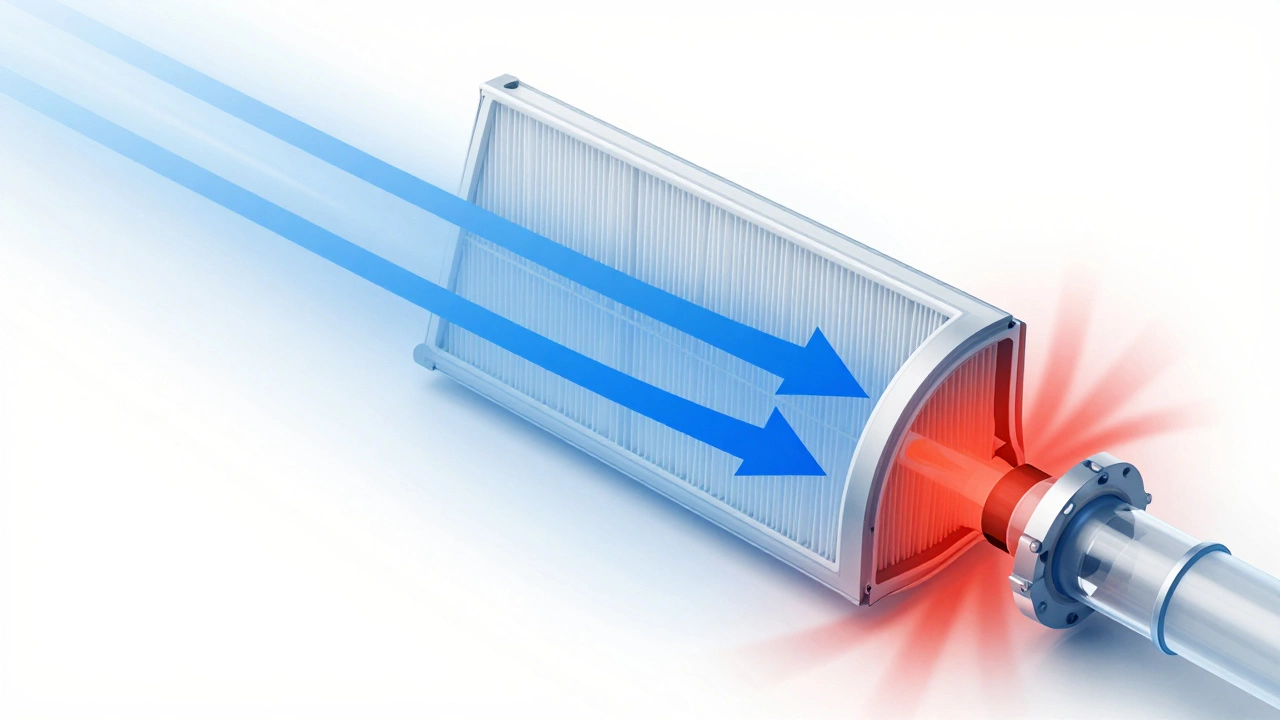
This is where the fear comes from. Your heating, ventilation, and air conditioning (HVAC) system is designed to move a specific volume of air, measured in cubic feet per minute (CFM). When you put a denser filter in place, you create static pressure. Think of it like trying to breathe through a wet paper towel versus a dry one. The wet towel (high MERV) is harder to pull air through.
If the static pressure gets too high, your blower motor has to work harder. This leads to three main problems:
- Reduced Efficiency: Your electric bill goes up because the fan runs longer or draws more power.
- Uneven Temperatures: Some rooms get hot while others stay cold because not enough air is circulating.
- System Strain: In extreme cases, especially with older units, the motor can overheat or ice can form on the evaporator coils due to lack of airflow.
However, most residential systems built in the last 15 years are rated to handle up to MERV 13. MERV 11 sits comfortably below that threshold for the vast majority of central air handlers. The key is ensuring the filter fits correctly and isn’t already clogged when you check it.
When MERV 11 Is the Right Choice
You should consider upgrading to MERV 11 if any of these scenarios apply to your household:
- Allergies and Asthma: If someone in the house suffers from seasonal allergies, pet dander, or asthma, MERV 11 captures the smaller allergens that MERV 8 misses.
- Urban Living: Homes near busy roads or industrial areas deal with finer particulate matter from vehicle exhaust. MERV 11 traps these sub-micron particles better.
- New Construction: During the first year of a new build, there’s often residual construction dust. A higher-rated filter helps clear the air faster.
- Pet Owners: While large fur is caught by low-MERV filters, the microscopic dander that causes reactions requires MERV 9 or higher.
In Hamilton, Canada, where we see distinct seasons with heavy pollen in spring and wood smoke in winter, a MERV 11 filter provides a noticeable improvement in indoor air quality compared to the basic pleated filters found in big-box stores.
Signs Your System Can’t Handle MERV 11
Not every home is created equal. Older systems, particularly those installed before 2000, may have blowers that are barely sized for the original ductwork. Adding resistance can push them over the edge. Here is how to tell if you’re pushing your luck:
- Weak Airflow: If the vents feel like they’re barely whispering after changing the filter, your system is struggling.
- Noisy Operation: Whistling or rattling sounds can indicate air bypassing the filter or the motor straining.
- Short Cycling: If your thermostat clicks off shortly after turning on, the system might be overheating due to poor airflow.
- Ice on Coils: Check your outdoor condenser unit. If you see ice forming on the copper lines during cooling season, airflow is restricted.
If you notice these signs, drop back down to MERV 8. Better yet, call an HVAC technician to check your static pressure readings. They can tell you exactly what your system was designed to handle.
Proper Installation Matters More Than You Think
A common mistake people make is buying a MERV 11 filter but installing it incorrectly. Even the best filter fails if air leaks around the edges. When you install your filter, ensure the frame seals tightly against the track. If there’s a gap, unfiltered air will bypass the media, rendering the high efficiency useless.
Also, watch the arrow. The airflow direction must match the path of the air in your ductwork. Usually, the arrow points toward the furnace or air handler. Putting it backward increases resistance significantly because the pleats collapse instead of expanding.
Filter Lifespan and Maintenance
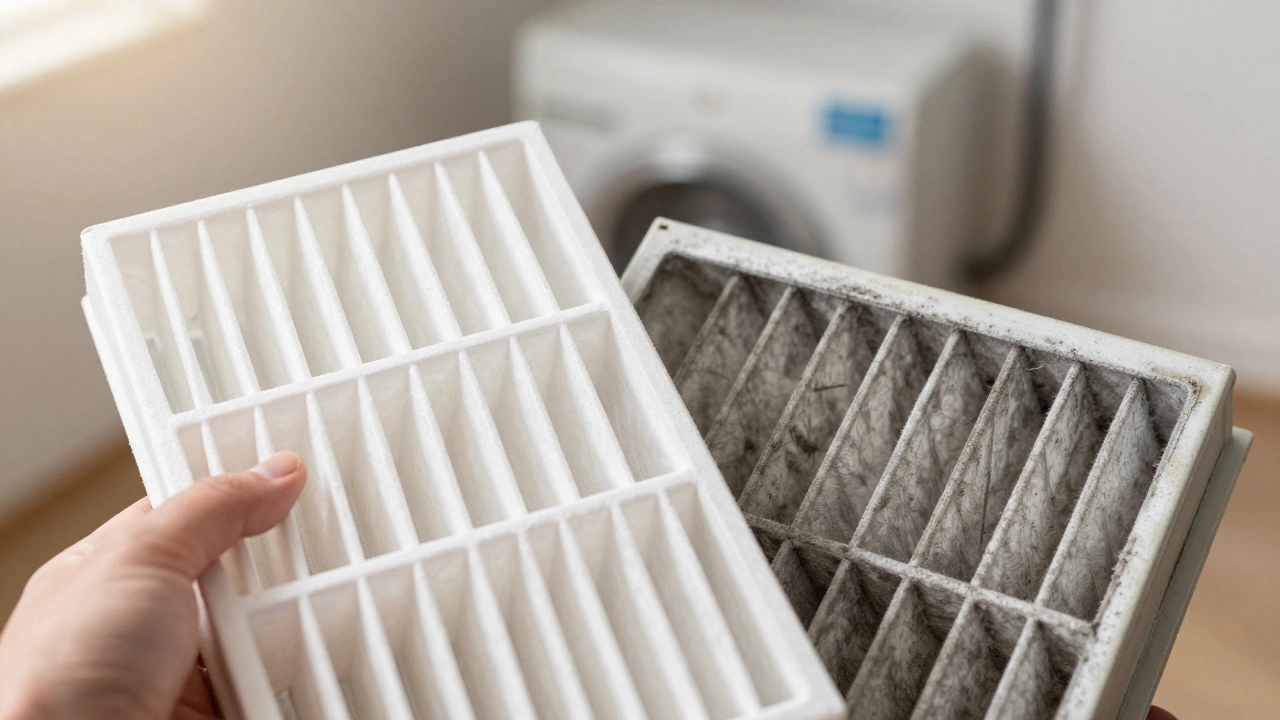
Because MERV 11 filters are denser, they fill up faster than their thinner counterparts. A MERV 8 filter might last three months, but a MERV 11 could clog in six to eight weeks depending on usage. Ignoring this schedule defeats the purpose. A clogged MERV 11 acts like a wall, stopping all airflow.
Set a reminder on your phone. Check the filter monthly. If it looks gray and packed with dust, replace it immediately. Don’t try to vacuum it clean; the electrostatic charge that helps trap particles is ruined once you disturb the media.
Alternatives to Central Filters
If your HVAC system simply cannot handle MERV 11, don’t give up on clean air. You have other options that don’t rely on your central ductwork:
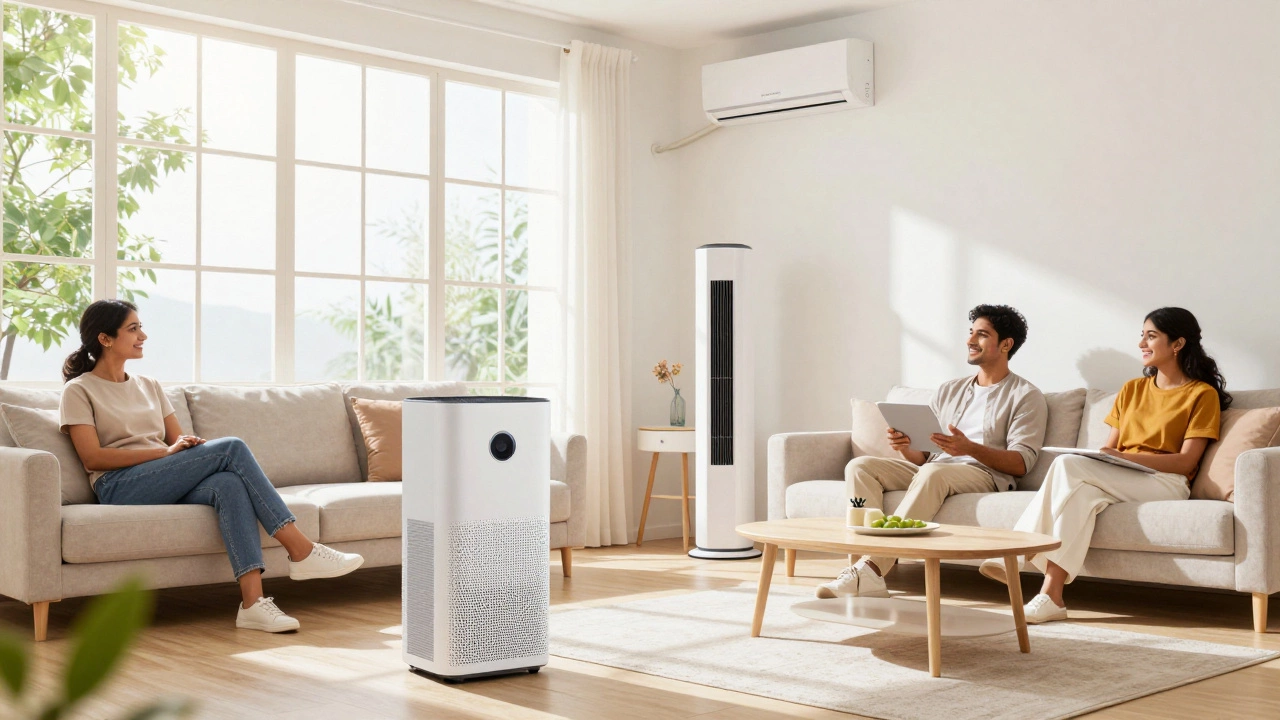
- Portable HEPA Purifiers: These units use fans to pull air through dense filters independently of your HVAC. They are excellent for bedrooms or living rooms.
- Return Air Upgrades: Some technicians can modify your return air grilles to hold larger surface area filters, which reduces static pressure even with high-MERV media.
- Whole-House UV Lights: These kill mold and bacteria on the coils, reducing the biological load on your filter so a lower MERV rating suffices.
Final Thoughts on Choosing Your Filter
Upgrading to MERV 11 is a safe bet for most modern homes. It offers a tangible boost in air quality without breaking your equipment. Just remember to monitor your system’s performance after the switch. If the air feels sluggish, dial it back. If it runs smoothly, enjoy the cleaner breath. Regular maintenance is still king-no filter works if it’s dirty.
Can I use a MERV 13 filter in my home?
Yes, most modern residential HVAC systems can handle MERV 13. However, MERV 13 creates more static pressure than MERV 11. If you have an older system or notice reduced airflow, stick with MERV 11. Always check your manufacturer’s guidelines.
How often should I change a MERV 11 filter?
Typically every 6 to 8 weeks. If you have pets, allergies, or live in a dusty area, check it monthly. Replace it as soon as it appears dark gray or clogged to maintain proper airflow.
Does a higher MERV rating mean better air quality?
Generally, yes. Higher MERV ratings capture smaller particles like bacteria and smoke. However, if the filter restricts airflow too much, your system may fail to circulate air, negating the benefits. Balance is key.
Will a MERV 11 filter remove viruses?
MERV 11 filters can capture some virus-carrying droplets, but they are not as effective as MERV 13 or HEPA filters for viral particles. For maximum protection against airborne viruses, consider a portable HEPA purifier alongside your central filter.
What happens if I leave my filter in too long?
A clogged filter restricts airflow, causing your HVAC system to work harder. This leads to higher energy bills, uneven temperatures, and potential damage to the blower motor or evaporator coils. It also allows dust to bypass the filter into your ductwork.