Air Filters: What They Do, When to Replace Them, and How They Affect Your Car
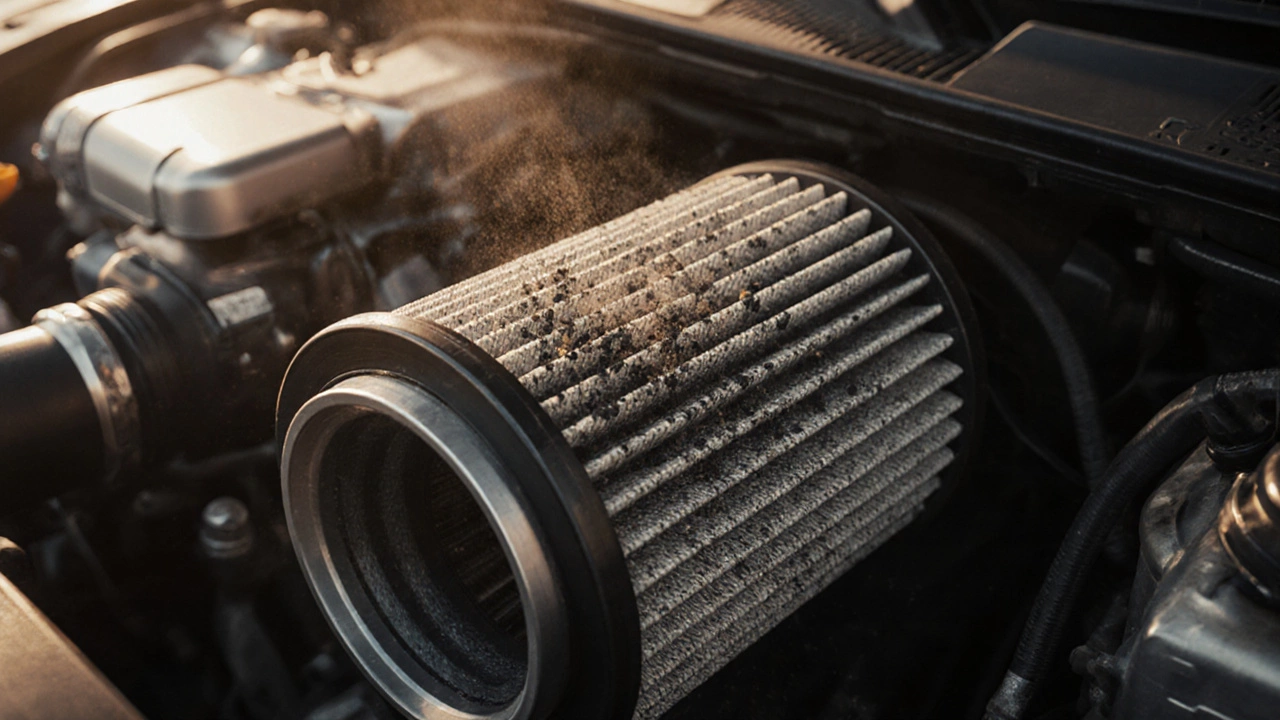
When you think about your car’s health, you probably think about oil, brakes, or the battery—but the air filter, a simple component that blocks dirt and debris from entering your engine. Also known as an engine air filter, it’s one of the most ignored parts that can make or break your fuel economy and engine life. A clogged or dirty air filter doesn’t just reduce power—it forces your engine to work harder, burns more fuel, and can even trigger the check engine light. It’s not glamorous, but it’s essential.
There are two main types you need to know: the engine air filter, which protects the intake system from dust, sand, and debris, and the cabin air filter, which cleans the air coming into your car’s interior. The engine filter sits near the intake manifold and feeds clean air to the combustion chamber. The cabin filter, usually behind the glovebox, traps pollen, dust, and even exhaust fumes so you don’t breathe in junk while driving. Both wear out at different rates, and both are cheap to replace—if you know when to do it.
Most manufacturers say to replace the engine air filter every 15,000 to 30,000 miles, but that’s just a baseline. If you drive on dirt roads, in dusty cities, or during pollen season, you might need a new one every 10,000 miles. A quick visual check works better than a calendar: hold it up to the light. If you can’t see through it, it’s clogged. A dirty cabin filter smells musty, reduces AC airflow, and can make your windows fog up faster. Replacing either one usually takes less than 15 minutes with no tools—no mechanic needed.
Skipping this simple fix doesn’t just hurt your wallet—it risks your engine. Over time, dirt that slips past a bad filter grinds down valves, pistons, and cylinders. That’s not a $50 repair. That’s a $2,000 engine rebuild. And a clogged cabin filter? It won’t kill your engine, but it’ll make every commute feel like you’re driving through a sandstorm. You don’t need fancy gadgets or expensive upgrades to fix this. Just pay attention.
What you’ll find below are real, no-fluff guides from people who’ve been there: how to replace an air filter without a manual, why some aftermarket filters don’t deliver what they promise, and how a dirty cabin filter can ruin your AC even if the compressor is brand new. These aren’t theory pieces. They’re fixes, checks, and warnings from drivers who learned the hard way. Whether you’re trying to squeeze more miles out of your tank or just want to stop sneezing every time you turn on the fan, the answers are here—no jargon, no upsells, just what works.
Do Expensive Air Filters Really Perform Better?
Explore whether pricey air filters truly outperform cheaper options. Learn filter types, performance metrics, cost‑benefit analysis, and maintenance tips for smarter buying.

Is MERV 8 or 11 Better? Decoding the Best Air Filter for Your Space
Deciding between a MERV 8 or MERV 11 air filter can get confusing, especially with all the technical details floating around. This article breaks things down so you can see which filter fits your needs—whether it’s about catching more dust, dealing with allergies, or making sure your HVAC runs smoothly. We’ll share facts, benefits, and even some tips to make your next filter swap a no-brainer. No sales pitch—just real talk about what these filters actually do. Know exactly what to expect from each one and how to pick the right upgrade for your home.

What Happens if You Don't Clean Your Air Filter?
Neglecting your air filter can lead to a number of problems, both for your home's air quality and your wallet. Dirty filters stop doing their job properly, letting dust and allergens circulate freely. This can cause health issues for you and your family, and also make your heating and cooling systems work much harder than they should. Regular cleaning or replacement can save energy and maintain a healthier indoor environment.

How Often Should Air Filters Be Changed?
Changing air filters is a vital part of maintaining good air quality and efficient HVAC systems. Learn how often air filters should be replaced based on different household needs and the signs that indicate it's time for a change. Discover tips on extending filter life and the impact of regular maintenance on energy bills and health.

Expensive Air Filters: Are They Worth the Investment for Clean Air?
In the world of air filters, price often seems correlated with quality, but does paying more always guarantee better performance? This article delves into the effectiveness of costly air filters compared to their budget counterparts. It navigates through the maze of filter types, looking at what makes some seemingly superior and whether that holds up in practice. Offering practical insights, readers will discover if higher-priced filters can truly enhance air quality and what to consider when making a choice.