Alloy vs Steel: Which Car Parts Material Is Right for You?
When it comes to car parts, alloy, a mix of aluminum and other metals used mostly in wheels and engine components. Also known as lightweight metal composite, it’s become the go-to for performance and style. But steel, a durable, heavy-duty metal used in frames, exhausts, and basic wheel rims. Also known as carbon steel, it’s the workhorse that’s been around since the first cars rolled off the line. The real question isn’t which is better—it’s which one fits your driving habits, budget, and needs.
Alloy wheels are lighter, which means better fuel economy, sharper handling, and less strain on your suspension. If you’ve ever noticed your car feels more responsive after swapping out stock wheels, that’s the alloy effect. Steel wheels, on the other hand, are tougher. They don’t crack as easily on potholes, they’re cheaper to replace, and they’re what most mechanics reach for in winter or off-road conditions. You’ll find both in the posts below—some show how alloy wheels affect ride quality, others explain why steel is still the smart pick for budget repairs or rough roads.
It’s not just about wheels, either. Alloy shows up in engine components where heat and weight matter—like cylinder heads and intake manifolds. Steel dominates where strength is non-negotiable: chassis, suspension arms, brake rotors. The trade-off? Alloy costs more upfront but can save you money over time with better efficiency and less wear on other parts. Steel costs less now, but if you’re driving on bad roads or hauling heavy loads, you might end up replacing it sooner.
Some people think alloy is just for show. It’s not. Studies from automotive testing labs show alloy wheels reduce unsprung weight by up to 30% compared to steel, which directly improves braking distance and cornering. But if you live where salt and gravel eat through finishes, steel’s durability wins. No fancy coating on an alloy wheel will stop it from cracking when you hit a curb hard—steel just bends and keeps going.
And here’s the thing: your choice isn’t just about the part. It’s about your whole car’s balance. A lighter alloy wheel means your shocks and struts don’t work as hard—which ties into why some of the posts here focus on suspension repair and radiator stress. If your suspension is already worn, adding heavy steel wheels can make it worse. But if you’re trying to cut costs and avoid constant repairs, steel might be the smarter play.
You’ll find real-world tests in the posts below—people who swapped steel for alloy and saw fuel economy jump, others who stuck with steel after a winter of road damage and saved hundreds. Some even mix them: alloy on the front for handling, steel on the back for cost. There’s no one-size-fits-all. The key is matching the material to your driving life, not the brochure.
What you’ll find here isn’t theory. It’s what people actually experienced after choosing one over the other. Whether you’re fixing a cracked rim, upgrading for performance, or just trying not to overspend, the answers are in the details below.
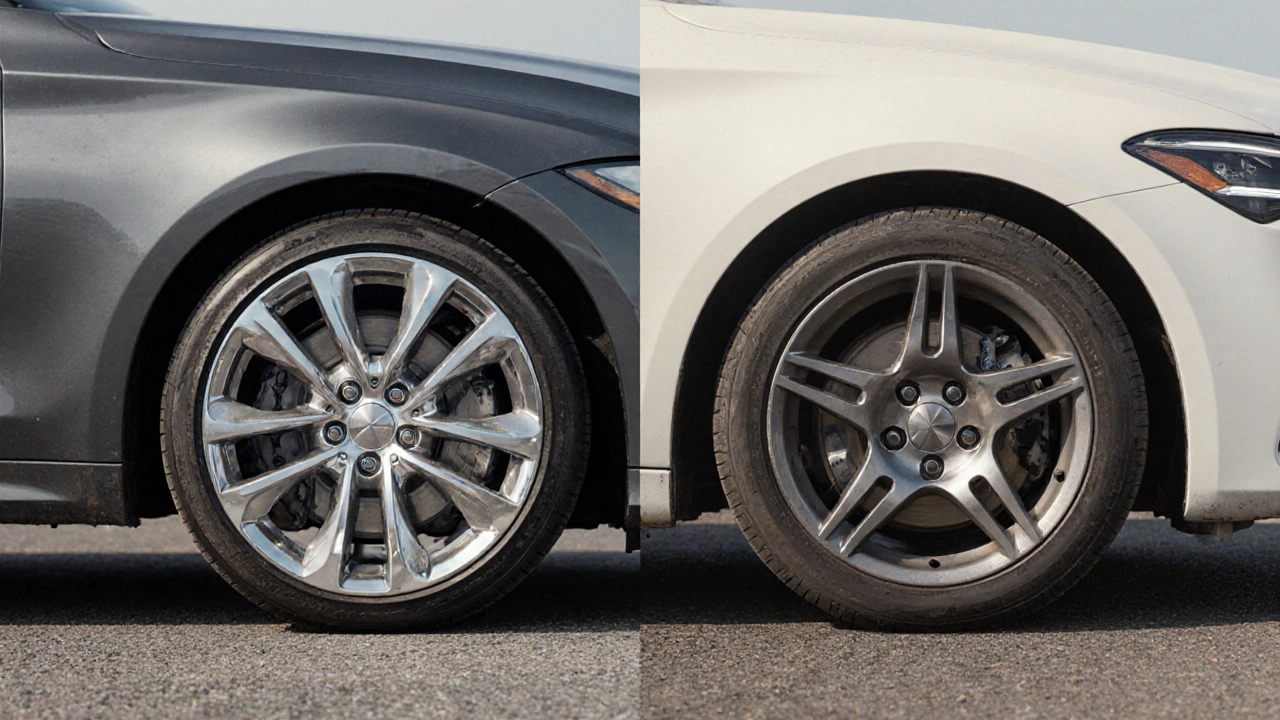
What Is the Difference Between Alloy Rims and Steel Rims?
Alloy rims are lighter and look better, but steel rims are tougher and cheaper. Learn the real differences in weight, performance, cost, and winter durability to choose the right wheels for your car.

Alloy Wheels: Are They Really Worth the Money?
Thinking of upgrading your ride to alloy wheels? This article cuts through the hype and looks at the real advantages of alloy wheels, including looks, performance, and cost. We'll break down where the extra money goes and how to decide if the investment makes sense for how and where you drive. By the end, you'll have a clear idea if alloy wheels are worth your hard-earned cash. Dive in to get all the facts.