Bad Brakes: Signs, Risks, and What to Do Before It's Too Late
When your bad brakes, a critical vehicle safety system that fails silently until it’s too late. Also known as failing brake system, it’s not just about stopping power—it’s about whether your car will respond when you need it most. Most people think brakes are fine until they squeal or the pedal feels soft. But by then, you’re already risking your life and the lives of others. Brake failure doesn’t happen with a bang—it creeps in through worn pads, fluid leaks, warped rotors, and ignored warning signs.
Brakes are made of several parts working together: brake pads, the friction material that clamps down on the rotor to stop the wheel, rotors, the metal discs that spin with the wheels and get worn down by the pads, and brake fluid, the hydraulic liquid that transfers force from your foot to the calipers. If any one of these fails, the whole system weakens. A bad brake pad doesn’t just make noise—it can eat through the rotor in weeks. Low brake fluid isn’t just a warning light—it means air has entered the lines, making your pedal spongy and unreliable. And a warped rotor? That’s what causes your steering wheel to shake when you brake hard.
You don’t need to be a mechanic to spot trouble. Listen for high-pitched squealing—it’s the wear indicator telling you pads are gone. Feel for vibration or pulling to one side—signs of uneven wear or stuck calipers. Smell burning when you stop? That’s metal grinding on metal. And if your car takes longer to stop than it used to, you’re not imagining it. A study by the National Highway Traffic Safety Administration found that 20% of all crashes involving brake failure were preventable if the driver had acted on early symptoms. Most drivers wait until the brakes fail completely. Don’t be one of them.
Fixing bad brakes isn’t about spending big—it’s about acting fast. Replacing brake pads yourself can cost under $100 and take less than an hour. Rotors might need resurfacing or replacement, but that’s still far cheaper than replacing a totaled car. And brake fluid? It’s cheap, easy to flush, and should be done every two years regardless of mileage. Ignoring these isn’t saving money—it’s gambling with your safety.
Below, you’ll find real-world guides on how to spot failing brakes, what parts to replace, and how to do it without getting ripped off. Whether you’re hearing strange noises, feeling shaky stops, or just want to know if your brakes are still safe, these posts give you the facts—not the fluff.
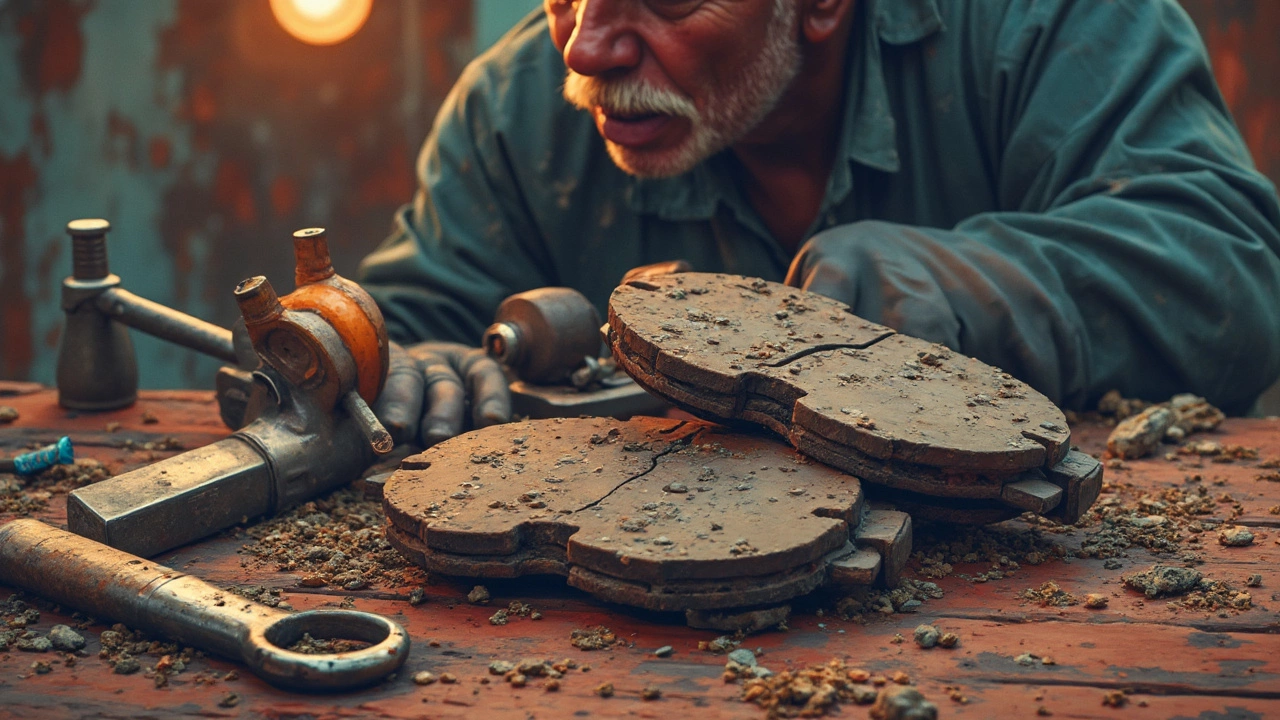
Can I Drive My Car with Bad Brake Pads?
Driving with bad brake pads isn't just risky—it's downright dangerous. These thin metal or composite parts might seem small, but they play a huge role in stopping your car safely. Without proper brake pads, your stopping distance increases, putting you and others at risk. It's essential to understand the impact of worn-out brake pads and to know when it's time for a replacement to ensure safety on the road.