Bad Radiator Signs and How to Fix It Before It Costs You Thousands
When your car’s bad radiator, a critical part of the engine cooling system that circulates coolant to prevent overheating. Also known as a cooling radiator, it’s not just a metal box under the hood—it’s the first line of defense against engine destruction. If it fails, your engine doesn’t just overheat—it can warp, seize, or blow a head gasket, and that’s not a $200 fix. Most people ignore the early signs until steam is coming out of the hood. By then, it’s too late.
A radiator leak, a common failure point where coolant escapes from cracks, hoses, or seals is the #1 red flag. You’ll see puddles under your car, usually green, orange, or pink. But leaks aren’t always obvious—sometimes coolant just slowly disappears, and your temperature gauge creeps up. A overheating engine, when the engine runs hotter than its safe operating range due to poor coolant flow doesn’t always mean your thermostat is broken. More often, it’s because the radiator can’t move heat out fast enough. Sludge buildup inside the radiator, rusted fins, or a clogged core can turn even a new-looking radiator into a useless block of metal.
And it’s not just about the radiator itself. A coolant loss, the gradual or sudden reduction of fluid in the cooling system often ties directly to radiator failure. But coolant loss can also come from a bad hose, a faulty cap, or a cracked reservoir. That’s why you can’t just top off the fluid and call it done. You need to know where it’s going—and why. Many car owners replace the radiator without checking the water pump or thermostat, only to have the same problem again in six months.
Fixing a bad radiator isn’t always expensive—but ignoring it is. A new radiator costs between $600 and $1,200 installed, depending on your car. But if you wait until the engine blows, you’re looking at $3,000 to $8,000 in repairs. That’s a car payment. And if you’re driving a used car, that’s often more than the whole vehicle is worth.
You don’t need to be a mechanic to catch a failing radiator. Look for the signs: rising temperature, sweet-smelling steam, low coolant without visible leaks, or discolored, muddy coolant in the reservoir. Check the radiator fins for corrosion or debris. Feel the upper and lower radiator hoses—both should be warm when the engine is running. If one’s cold, coolant isn’t flowing. That’s your radiator talking.
This collection of posts gives you the real, no-fluff answers: how to tell if your radiator is failing before it’s too late, what actually causes coolant loss, whether a radiator upgrade is worth it, and how much you should pay for a replacement. No theory. No marketing. Just what works on the road, in the garage, and in your wallet.
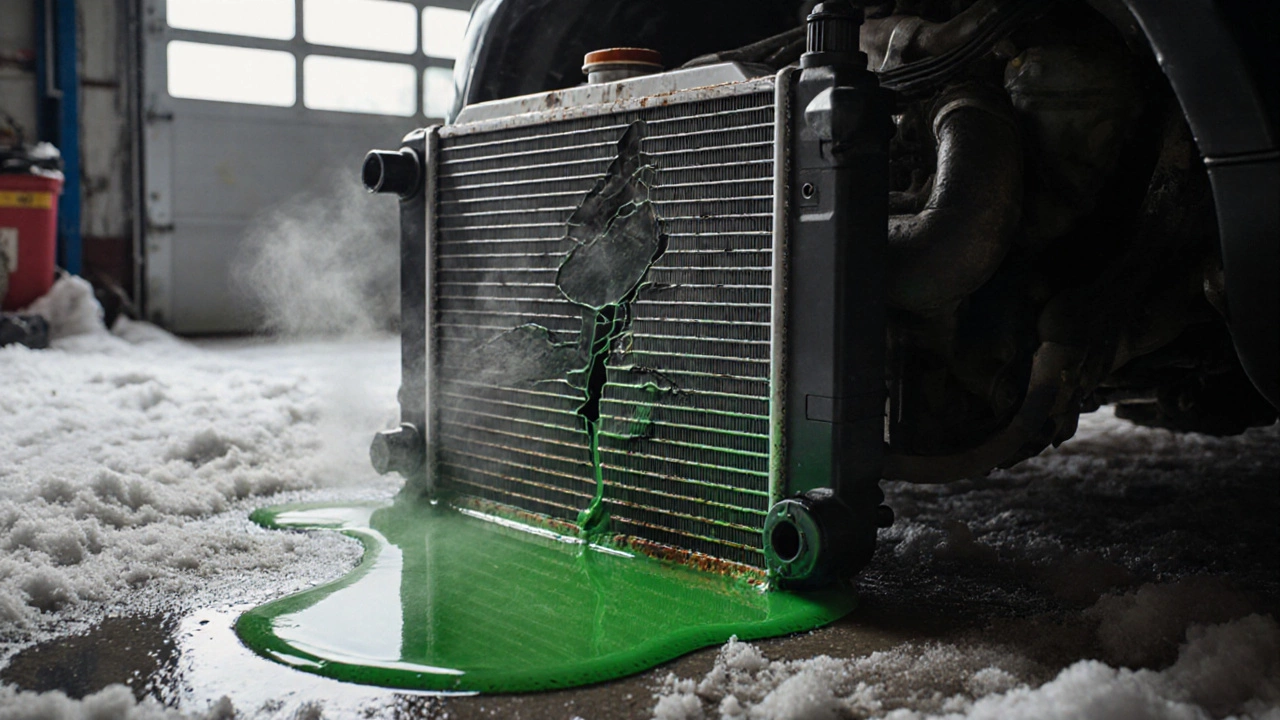
How Do I Know If My Radiator Is Bad? 7 Clear Signs to Watch For
Learn the 7 clear signs your radiator is failing-from coolant leaks to engine overheating-and what to do before it leaves you stranded. Save money and avoid engine damage.

Can I Drive My Car with a Bad Radiator?
Driving with a bad radiator isn't just risky—it's flirting with disaster. The radiator's essential in keeping your engine cool; without it, things can quickly heat up, causing costly damage. Understanding the signs of a failing radiator and knowing when to pull over could save your car—and your wallet. Grab some easy tips here to keep your ride running smoothly.