Battery Safety: What You Need to Know to Avoid Danger and Damage
When you think of a car battery, a lead-acid power source that starts your engine and runs electronics. Also known as an automotive battery, it’s one of the most dangerous parts in your car if mishandled. Most people treat it like a simple box under the hood—until it leaks, sparks, or worse, explodes. Battery safety isn’t optional. It’s the difference between a quick replacement and a trip to the ER.
Battery hazards, include acid burns, toxic fumes, and explosive gas buildup, are real and often ignored. A cracked case can leak sulfuric acid that eats through skin, metal, and your car’s paint. Charging a dead battery in a poorly ventilated garage? That’s how hydrogen gas builds up—and one spark from your phone or a loose wire can turn it into a fireball. Even a battery replacement, the act of swapping out an old or failed battery can go wrong if you disconnect the wrong terminal first. Always remove the negative cable before the positive. It’s not a suggestion—it’s the rule that saves your fingers, your eyes, and your garage.
And don’t assume new batteries are safe by default. A battery that’s been sitting on a warehouse shelf for a year can still leak acid or have internal shorts. Store them upright, dry, and away from metal tools. Never toss an old battery in the trash—it’s illegal in most places and toxic to soil and water. Take it to a parts store or recycling center. Many will even pay you a few bucks for it.
What you’ll find in the posts below isn’t theory. It’s what people actually run into: a battery that won’t hold a charge, the right price to pay so you don’t get ripped off, and how a simple mistake during replacement can cost you way more than the battery itself. No fluff. No marketing. Just the facts you need to keep yourself safe and your car running.
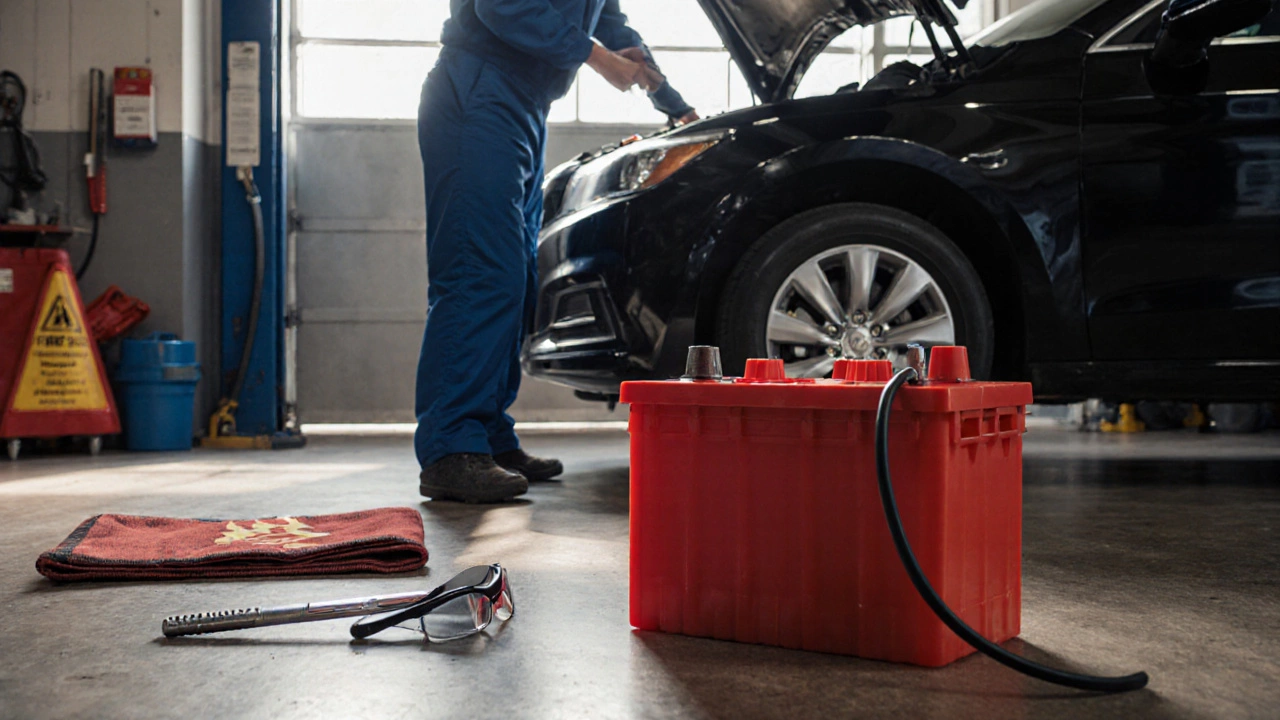
Do You Need to Disconnect the Battery When Replacing a Fuel Pump?
Learn why and how to safely disconnect the battery when replacing a fuel pump, with step‑by‑step instructions, safety tips, and FAQs for DIY mechanics.