Brake Bias: What It Is and How It Affects Your Car's Stopping Power
When you hit the brakes, the force doesn’t just stop the car—it shifts weight, changes grip, and tests the limits of your tires. That’s where brake bias, the distribution of braking force between the front and rear axles. Also known as brake balance, it determines whether your car stops in a straight line or spins out under pressure. Most street cars come with front-heavy brake bias because the front tires carry more weight during braking. But in racing, drifting, or modified cars, fine-tuning this balance isn’t just about stopping faster—it’s about staying in control when you need it most.
Brake bias connects directly to other critical systems like braking system, the collection of components that convert pedal pressure into stopping force, and brake distribution, how that force is mechanically or electronically split. If your front brakes are too strong, the rear wheels lock up too easily, especially on wet or loose surfaces. Too much rear bias, and the car becomes tail-happy—great for drifting, dangerous for daily driving. Performance shops adjust brake bias using proportioning valves, adjustable bias controllers, or even different-sized brake rotors and calipers. It’s not just about hardware; it’s about how your car behaves when you’re pushing it.
You’ll find real-world examples in posts about replacing brake pads, upgrading suspension, or diagnosing handling issues. A car with worn shocks might need a different brake bias to compensate for weight transfer. A race car with stiff springs might require more rear brake to prevent front-end dive. And if you’ve ever felt your car pull to one side under heavy braking, that’s often a sign of uneven brake bias or a stuck caliper. This isn’t theory—it’s what mechanics and track drivers tweak every day to make cars safer and faster.
Whether you’re fixing worn components, upgrading your brakes, or just trying to understand why your car feels unstable when you brake hard, knowing how brake bias works gives you real control. Below, you’ll find guides that break down the tools, symptoms, and fixes—no jargon, no fluff, just what you need to know to keep your car stopping where and how you want it to.
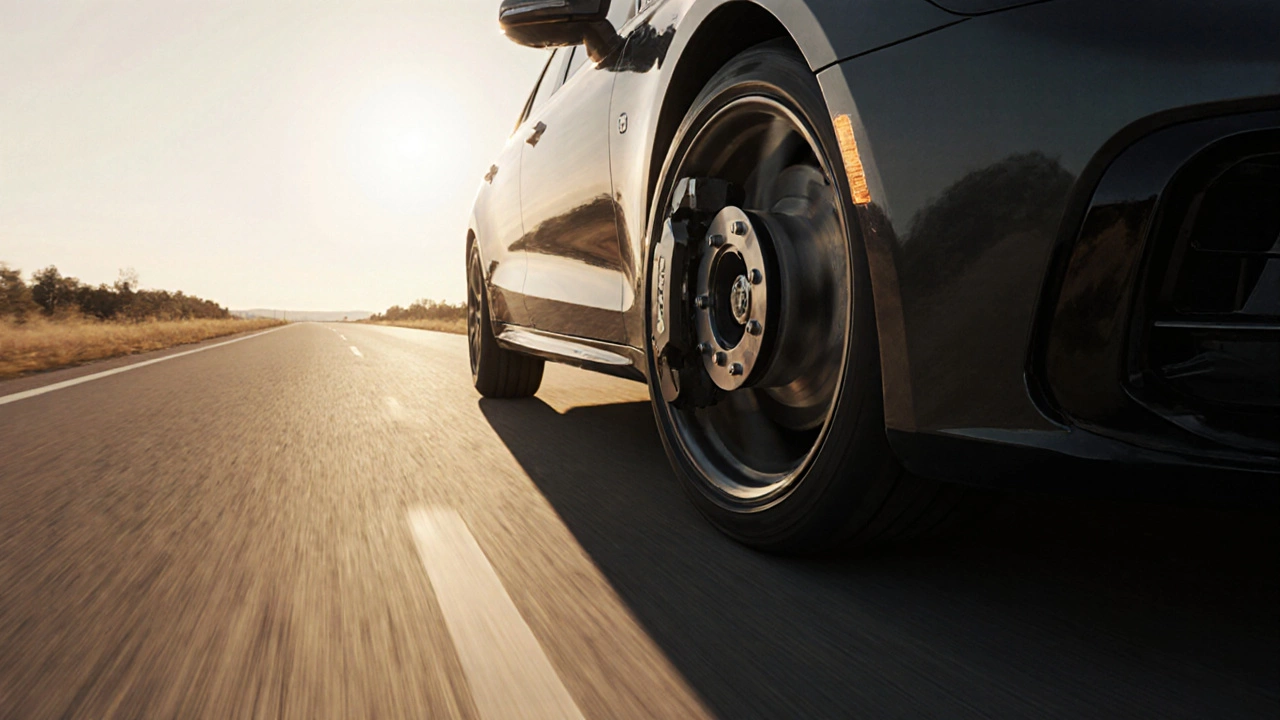
Front vs Rear Brakes: Which Do the Heavy Lifting?
Learn why front brakes usually do most of the stopping work, when rear brakes matter, and how to keep both axles in top shape for safety and performance.