Brake Importance: Why Your Car's Stopping Power Can't Be Ignored
When you press the brake pedal, you're relying on a complex system that’s built to keep you alive. This isn’t just about slowing down—it’s about brake importance, the critical role your braking system plays in vehicle control and collision prevention. Without properly functioning brakes, even the fastest car becomes a danger to yourself and others. Every time you drive, your brake pads, the friction components that clamp down on the rotors to stop your wheels wear down. They’re not meant to last forever. Most drivers don’t realize their brake pads are thinning until they hear a screech—or worse, feel the pedal go soft. That’s too late.
Brake system, the entire assembly including calipers, rotors, fluid lines, and master cylinder works as one unit. If one part fails, the whole thing suffers. A leak in the brake fluid line, a warped rotor, or a seized caliper can turn a simple repair into a dangerous situation. And it’s not just about old parts—driving habits matter. Riding the brake on hills, slamming stops in traffic, or hauling heavy loads all speed up wear. The brake maintenance, regular checks and replacements that prevent sudden failure you skip today might cost you more than money—it could cost you control.
What you hear, feel, and see matters. Squealing when you brake? That’s the wear indicator telling you it’s time. A spongy pedal? Air in the lines or low fluid. The car pulling to one side? Uneven pad wear or a stuck caliper. These aren’t just annoyances—they’re warning signs. Ignoring them doesn’t save money; it just delays the inevitable repair, often at a higher cost. And if you’ve ever had to replace a rotor because you waited too long to change the pads, you know how quickly small problems balloon.
Brake failure doesn’t happen overnight. It’s a slow erosion of safety. That’s why the posts below cover everything from how to spot early signs of wear to doing your own brake pad replacement safely. You’ll find real-world advice on what tools you need, what to watch for during inspection, and how often to check your brakes—not based on guesswork, but on what mechanics actually see in the shop. Whether you’re a DIYer looking to save money or just someone who wants to understand what’s keeping you safe on the road, this collection gives you the facts without the fluff. No hype. No upsells. Just what you need to know before your next stop.
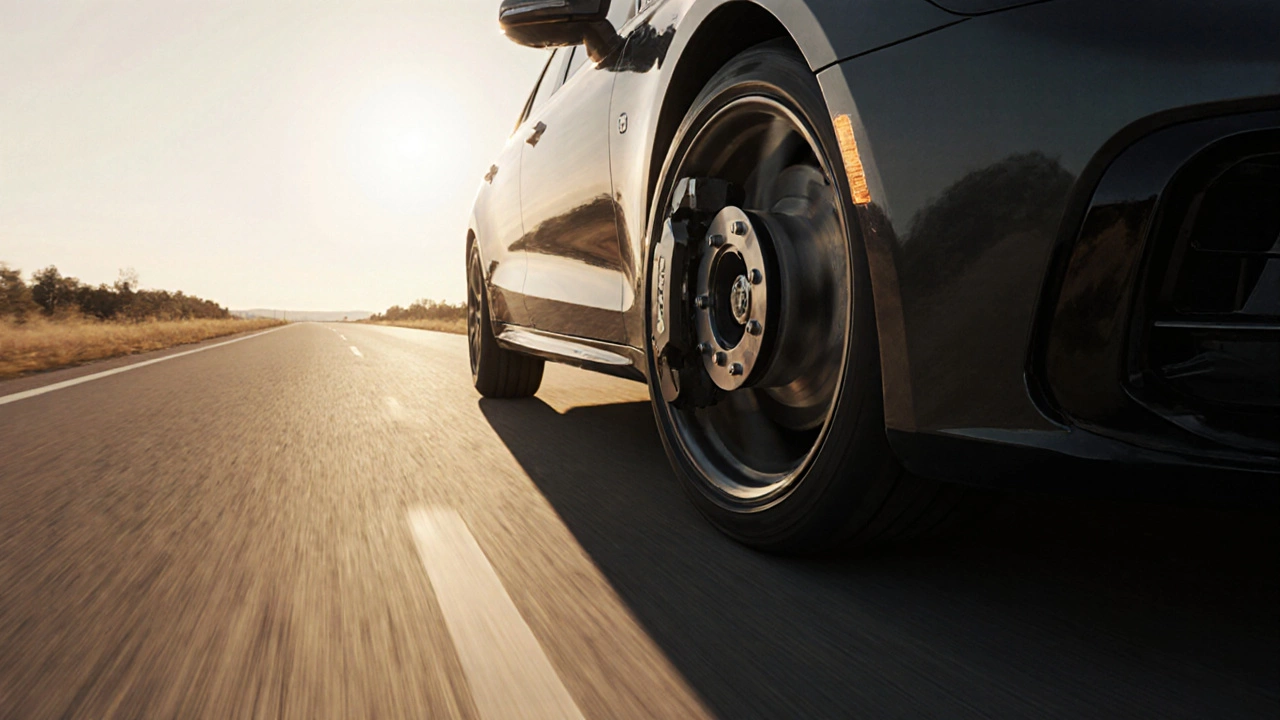
Front vs Rear Brakes: Which Do the Heavy Lifting?
Learn why front brakes usually do most of the stopping work, when rear brakes matter, and how to keep both axles in top shape for safety and performance.