Brake Maintenance: What You Need to Know to Stay Safe on the Road
When it comes to your car’s safety, nothing matters more than the brake system, the mechanical and hydraulic components that slow or stop your vehicle. Also known as braking system, it’s the one part of your car you can’t afford to ignore — because when it fails, there’s no second chance. Most people think brakes last forever, but they don’t. Brake pads wear down. Brake fluid gets dirty. Rotors warp. And if you wait until you hear screeching or feel the pedal sink, you’re already in danger.
Brake maintenance isn’t about fancy tools or garage magic. It’s simple: check the brake pads, the friction material that presses against the rotors to stop your car every 10,000 miles. If they’re thinner than a quarter, replace them. Brake fluid, the hydraulic liquid that transfers force from your pedal to the calipers should be flushed every two years — it absorbs moisture over time, which lowers its boiling point and can cause brake fade. And don’t forget the rotors, the metal discs the pads clamp onto. If they’re grooved, warped, or cracked, they won’t stop you evenly — and that’s how accidents start.
Brake maintenance isn’t just about parts. It’s about listening. A soft pedal? That’s air in the lines. A vibration when you brake? That’s a warped rotor. A grinding noise? That’s metal on metal — and you’ve already damaged the rotor. These aren’t vague warning signs. They’re clear signals your car is begging for help. The good news? Most brake issues are fixable with basic tools and a little time. You don’t need a mechanic to replace brake pads. You don’t need to pay $300 to flush brake fluid. You just need to know when to act.
What you’ll find below are real, step-by-step guides from people who’ve been there — replacing brake pads themselves, diagnosing spongy brakes, checking fluid levels without a shop, and spotting early signs of failure before it costs thousands. These aren’t theory pieces. These are hands-on fixes that keep you moving safely, without overpaying or waiting for a breakdown.

How Often Should Car Brakes Be Replaced? Know When to Change Your Brake Pads
Not sure when your car’s brakes need a swap? This guide breaks down everything you need to know about how often to replace brake pads, what signs to look for, and what can mess with their lifespan. You’ll get tips to keep your brakes in top shape and spot problems before they turn serious. Staying sharp on brake health doesn’t just save cash—it keeps you and your passengers safe. Whether you drive daily or only on weekends, knowing the signs of brake wear will help you plan ahead.
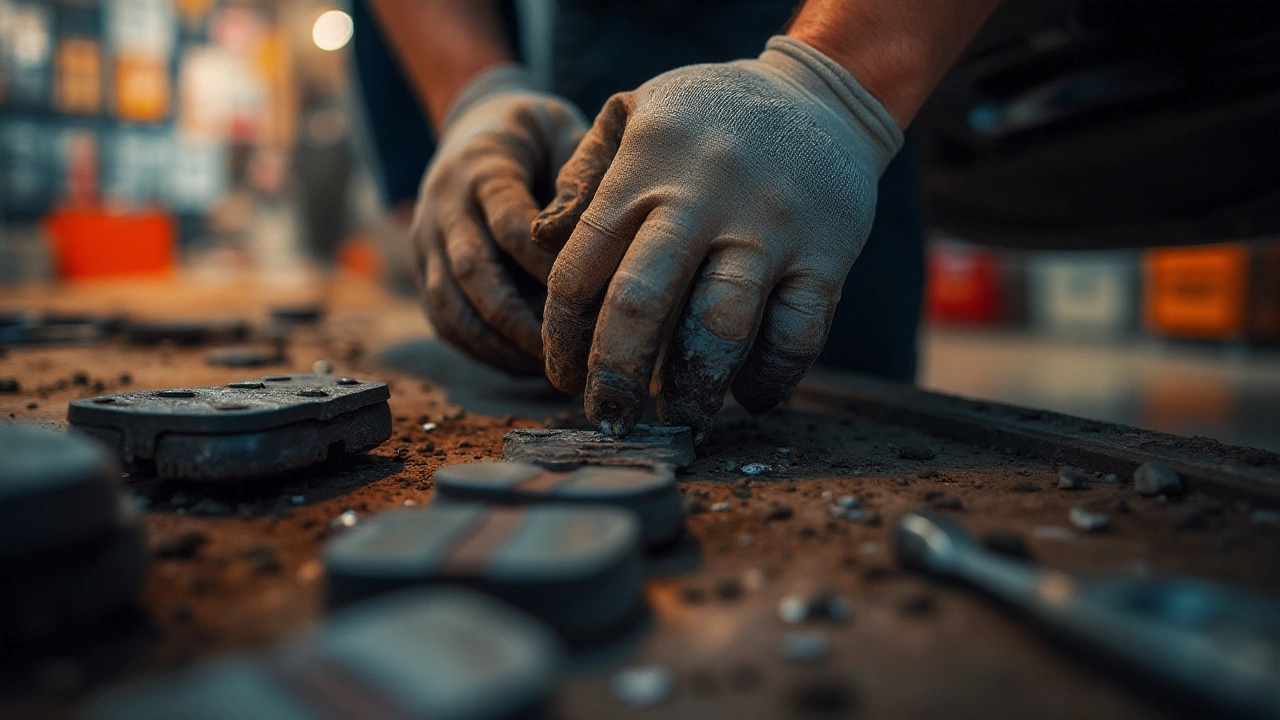
Recognizing When Brake Pads Need Replacement: Essential Tips and Signs
Knowing when to change your brake pads is crucial for maintaining vehicle safety and performance. Look for warning signs including unusual noises, decreased responsiveness, and visual wear on the pads. Staying proactive with brake maintenance not only ensures safety but also extends the life of your vehicle. Understanding the lifespan and wear indicators of brake pads can help prevent costly repairs and dangerous driving conditions. Regular inspections by a professional can help catch issues early and maintain peace of mind on the road.