Brake Pad Replacement: What You Need to Know Before You Start
When you press the brake pedal, brake pads, thin friction materials that clamp down on the rotor to slow your car. Also known as brake shoes, they’re one of the most worn-out parts in your vehicle—and one of the most important for safety. Without them, your brakes don’t work. Not even close. And if you wait too long to replace them, you’ll start damaging the rotors, which cost three times as much to fix.
Brake pad replacement isn’t just about buying new parts. It’s about recognizing the warning signs before it’s too late. A high-pitched squeal when you brake? That’s the wear indicator rubbing against the rotor. A grinding noise? That means metal is hitting metal—your pads are already gone. A spongy pedal or your car pulling to one side? Those aren’t just annoyances—they’re red flags that something’s wrong with your brake system, the entire mechanism that turns pressure into stopping power. And if you ignore them, you’re not just risking your car—you’re risking your life.
Most brake pads last between 30,000 and 70,000 miles, but that number drops fast if you drive in stop-and-go traffic, haul heavy loads, or ride the brakes downhill. It’s not about mileage alone—it’s about how you drive. Replacing brake pads yourself saves money, but only if you know what tools you need, how to bleed the lines, and why you should never skip inspecting the rotors. You don’t need to be a mechanic to do it right, but you do need to understand what you’re doing.
Below, you’ll find real, step-by-step guides from people who’ve done it—whether you’re replacing pads on a compact car, a truck, or a performance sedan. You’ll learn how to tell if your rotors are still good, what tools actually matter, and why some DIYers end up with warped rotors after a "simple" job. No fluff. No theory. Just what works, what doesn’t, and what you need to know before you grab that wrench.
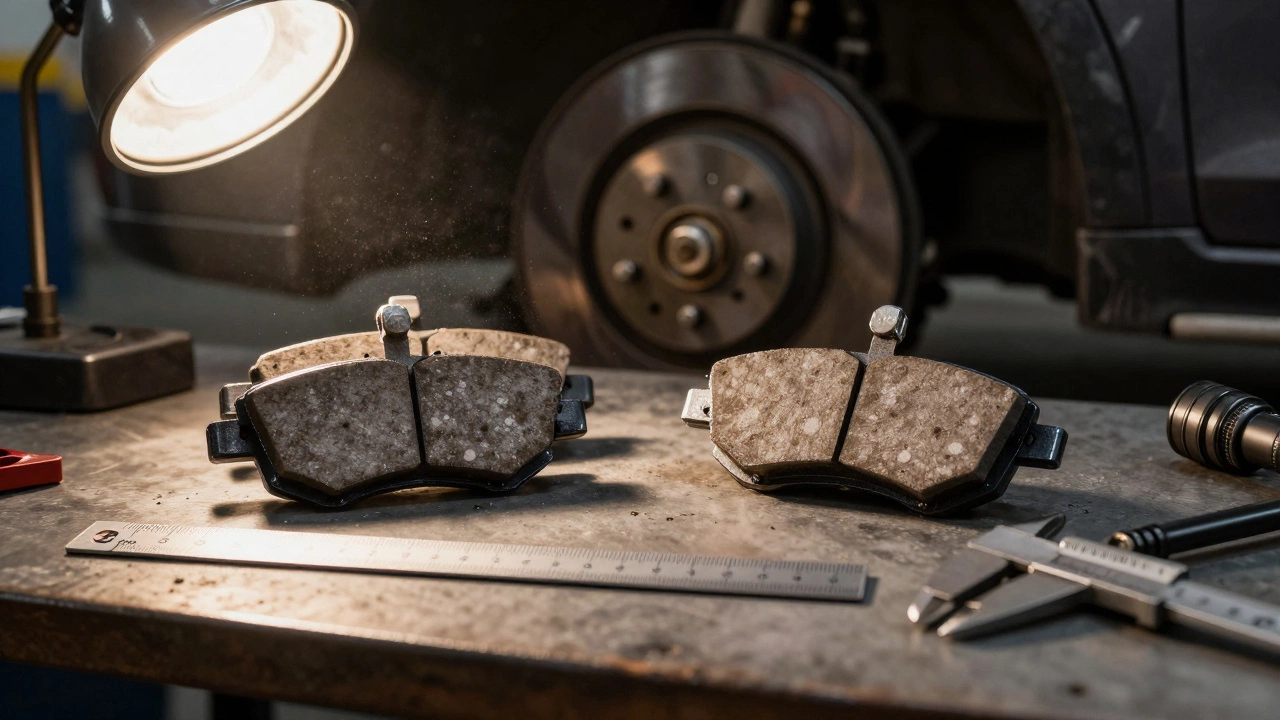
How Many Miles Do Brake Pads Last? Real-World Answers
Brake pads typically last between 25,000 and 70,000 miles, but driving habits, vehicle type, and climate affect lifespan. Learn what really wears them down and how to extend their life.

When to Replace Your Brake Pads: The Clear Signs
Recognizing the signs of worn-out brake pads is crucial for your safety and your car's health. If you're hearing unusual squealing or feeling vibrations, it might just be time. Regularly checking your brake pads can save you time and money in the long run. Learn key tips on how to spot when those trusty pads are due for a change.