Brake Repair: What You Need to Know Before You Fix It
When it comes to your car’s safety, nothing matters more than the brake repair, the process of diagnosing and fixing components that slow or stop your vehicle. Also known as brake system service, it’s not something you delay—because worn brakes don’t just reduce stopping power, they turn a routine drive into a risk. Every time you press the pedal, you’re relying on brake pads, rotors, calipers, and fluid working together. If one part fails, the whole system suffers.
Most people think brake repair means swapping out brake pads, but that’s just the start. brake pads, the friction material that clamps against the rotor to stop the wheel wear down over time—usually between 25,000 and 70,000 miles, depending on driving style. But if you hear squealing, grinding, or feel a vibration when braking, it’s not just the pads. The brake rotors, the metal discs that the pads press against might be warped or worn thin. And if your pedal feels spongy or goes to the floor, that’s a sign of brake fluid, the hydraulic fluid that transfers force from your foot to the brakes leaking or contaminated with moisture. These aren’t separate issues—they’re connected. A leak in the fluid line can cause pads to overheat, which then damages the rotors. Fix one thing without checking the others, and you’re just delaying the next repair.
Brake noise isn’t always a warning—it’s a demand. A high-pitched squeal often means the wear indicator is scraping the rotor, telling you it’s time. A deep grinding sound? That’s metal on metal. That’s not a warning light—it’s a bill waiting to happen. And don’t ignore the car pulling to one side when you brake. That’s usually a stuck caliper or uneven pad wear. You don’t need to be a mechanic to spot these signs. You just need to pay attention.
Below, you’ll find real, step-by-step guides on how to replace brake pads yourself, what tools you actually need, and how to tell if your brake system is failing before it leaves you stranded. We cover what brake fluid really does, why some brake noises are normal and others aren’t, and how to avoid being upsold on parts you don’t need. These aren’t theory pieces—they’re what people who’ve done the work actually wish they’d known sooner.
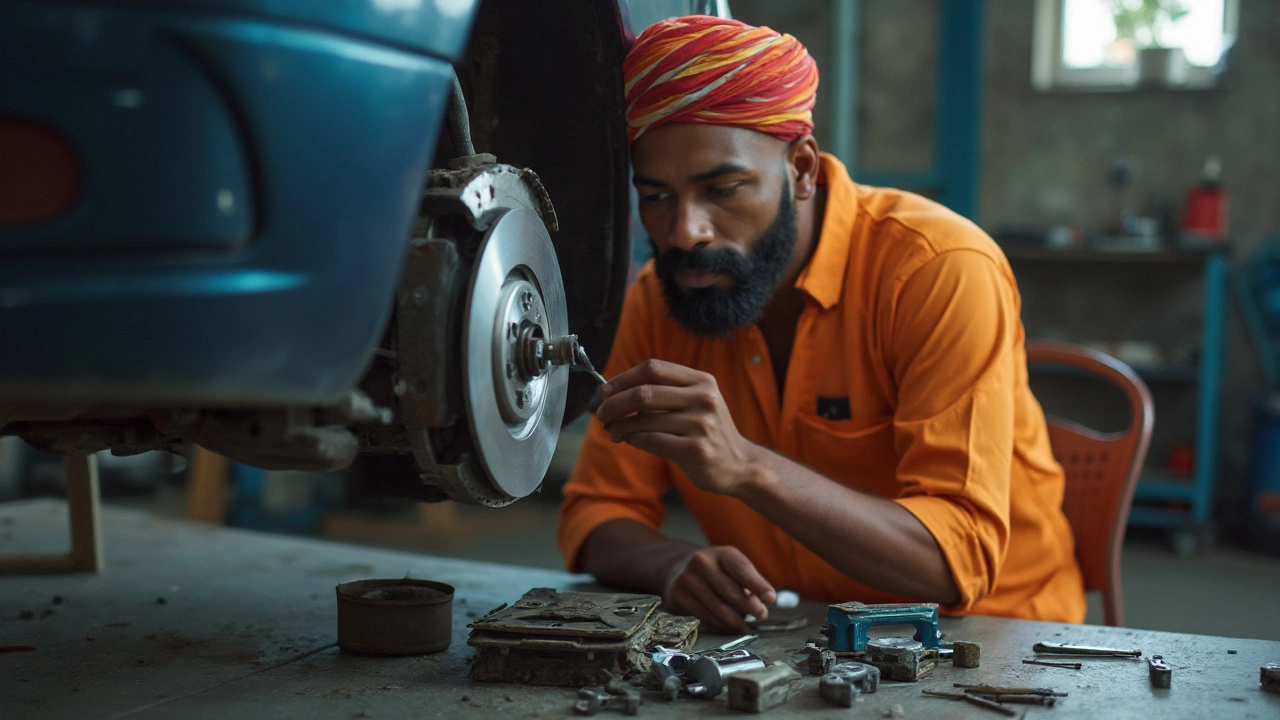
Can I Just Replace Brake Pads and Not Rotors?
Wondering if you can just swap out the brake pads without touching the rotors? This article explores the do's and don'ts of brake maintenance. Get the lowdown on when it’s okay to skip rotor replacement, what signs to watch for if a rotor change is needed, and how to keep your brakes in top shape. Perfect for car owners who want to make informed decisions about their vehicle's maintenance.