Brakes: What You Need to Know About Brake Pads, Rotors, and Safety
When you press the brake pedal, you're relying on a complex system called brakes, the safety mechanism that slows or stops your vehicle using friction between pads and rotors. Also known as braking system, it’s the one part of your car you can’t afford to ignore. Unlike your stereo or air conditioning, brakes don’t just make driving nicer—they keep you alive. A worn brake pad or warped rotor won’t just make noise; it can turn a quick stop into a dangerous slide.
Most drivers don’t think about their brake pads, the friction material that presses against the rotor to slow the wheel until they hear a screech. But by then, it’s often too late. Brake pads wear down over time—usually between 25,000 and 70,000 miles—depending on how you drive. City driving with constant stops? They’ll wear faster. Highway cruising? They’ll last longer. And if you ignore the warning signs, you’ll start damaging the brake rotors, the metal discs that the pads clamp onto to create stopping power. Warped or grooved rotors cost way more to replace than pads alone.
Your brake system, includes calipers, fluid lines, master cylinder, and sensors that all work together to translate pedal pressure into stopping force is a team effort. A leak in the brake fluid line, a stuck caliper, or a failing sensor can all cause uneven braking or, worse, complete failure. That’s why checking your brakes isn’t just about listening for noise—it’s about knowing what to look for: vibration in the pedal, pulling to one side, longer stopping distances, or the brake warning light turning on.
You don’t need to be a mechanic to spot trouble. If your car takes longer to stop than it used to, or if you hear a metallic grinding sound, don’t wait for a warning light. Those are red flags. And if you’ve ever replaced your own brake pads, you know how simple it can be—with the right tools and a little patience. The guides below cover exactly that: how to check, how to replace, and when to call a pro. Whether you’re driving a daily commuter or a weekend track car, your brakes are the only thing keeping you from hitting something. Don’t gamble with them.
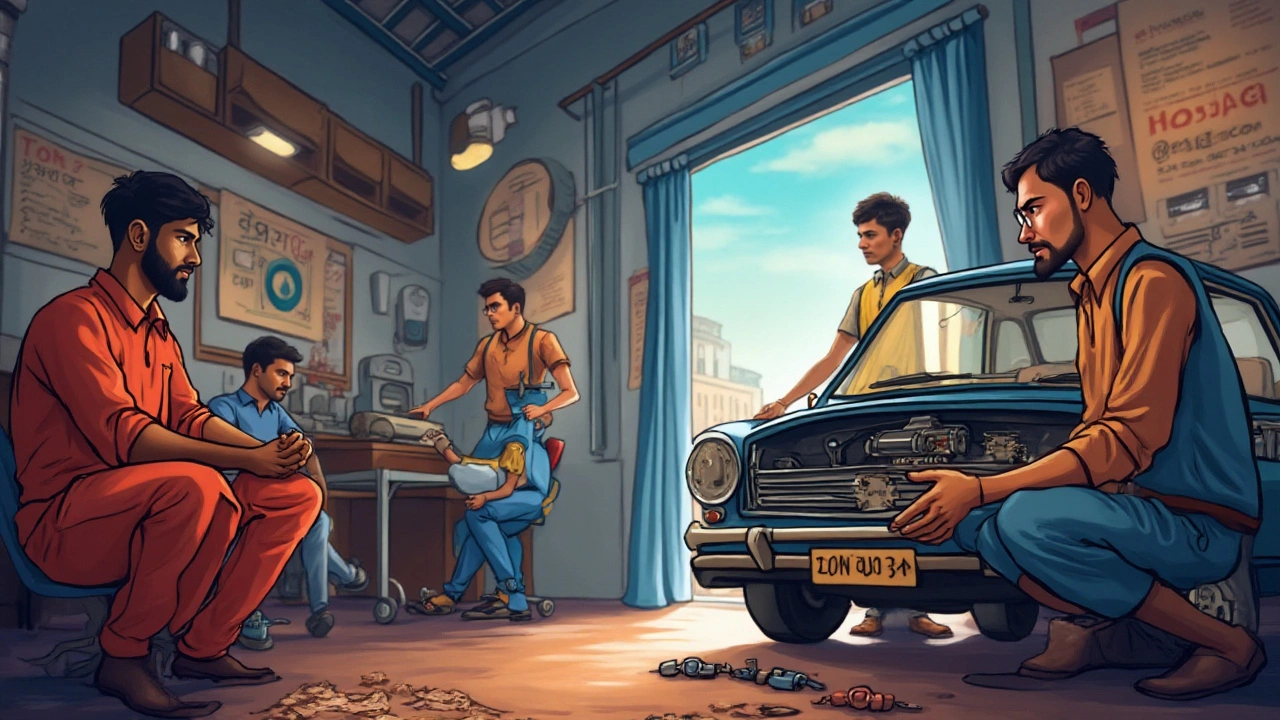
Should You Replace All Four Brake Pads at Once?
Deciding whether to replace all four brake pads simultaneously can impact both the performance and safety of your vehicle. This article explores the considerations involved, from understanding brake pad wear to evaluating cost-effectiveness. We'll provide insights into how your vehicle's braking system functions and what to watch for when it comes to brake maintenance. Dive in to learn practical tips and avoid common pitfalls when it's time for a brake pad replacement.