Braking Safety: What You Need to Know to Stop Faster and Stay Alive
When it comes to your car, nothing matters more than braking safety, the ability of your vehicle to stop reliably under all conditions. Also known as stoppage reliability, it’s not just a feature—it’s your last line of defense against accidents. A brake system that fails at 60 mph doesn’t just slow you down—it ends your day. And it’s not always loud or obvious. Often, the warning signs are quiet: a spongy pedal, a slight vibration, or a strange squeal you’ve learned to ignore.
Braking safety depends on a few key parts working together: brake pads, the friction material that presses against the rotors to create stopping power, brake rotors, the metal discs that slow down when the pads clamp down, and brake fluid, the hydraulic fluid that transfers force from your foot to the brakes. If any one of these fails, your stopping distance increases—and so does your risk. Most people don’t check their brake pads until they hear grinding. By then, the rotors are already damaged. Replacing pads early saves hundreds. Waiting means replacing the whole system.
Brake failure doesn’t always come with a bang. Sometimes it’s a slow leak in the brake lines, or fluid that’s absorbed too much moisture over time and lost its effectiveness. A brake system that’s been neglected can turn a simple stop into a collision. That’s why regular inspection matters more than mileage. Two drivers with the same car, same age, same miles—one checks brakes every 15,000 miles, the other waits for the warning light. One walks away from a near-miss. The other doesn’t.
What you’ll find below are real, tested guides on how to spot brake problems before they become emergencies. From DIY brake pad replacement to understanding why your pedal feels soft, these posts cut through the noise. No fluff. No upsells. Just what you need to know to keep your brakes working when it counts.
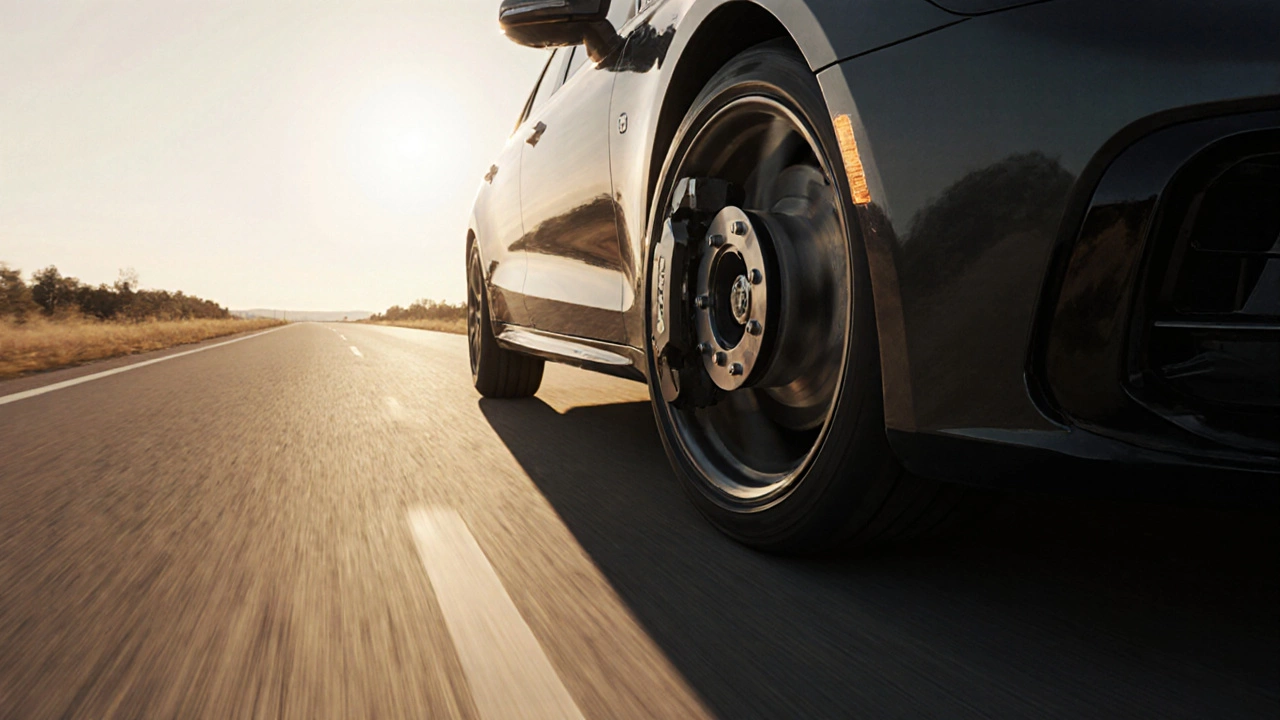
Front vs Rear Brakes: Which Do the Heavy Lifting?
Learn why front brakes usually do most of the stopping work, when rear brakes matter, and how to keep both axles in top shape for safety and performance.