Brand New Clutch Slip: What It Means and When to Replace It
When you hear the term brand new clutch slip, a condition where the clutch fails to fully engage, causing the engine to rev without transferring power to the wheels. Also known as clutch slippage, it’s one of the most common signs your clutch is dying—even if the part itself looks fresh. This isn’t about a defective part coming off the shelf. It’s about a clutch that’s worn out, glazed, or contaminated and can’t hold torque anymore. You might think, "But it’s new," but if your car’s clutch is slipping after just a few thousand miles, something’s wrong—either the installation was bad, the wrong parts were used, or your driving habits are killing it.
A clutch kit, the complete set of components including the pressure plate, disc, and release bearing that work together to connect the engine to the transmission doesn’t last forever. Most last between 50,000 and 150,000 miles, but if you ride the clutch, start in high gear, or drive in heavy traffic with your foot on the pedal, it can wear out in half that time. A slipping clutch often shows up as engine RPM rising without speed increase, a burning smell, or difficulty accelerating uphill. It’s not just annoying—it’s dangerous. If the clutch fails completely, you lose power to the wheels and can’t drive.
The clutch wear, the gradual thinning of the friction material on the clutch disc due to heat and friction happens slowly, which is why drivers often ignore it until it’s too late. You might notice it only in stop-and-go traffic or when towing. But once it slips under load—like climbing a hill or merging onto a highway—it’s no longer a "maybe" problem. It’s a "fix now" problem. A bad clutch can also damage the flywheel or transmission, turning a $400 repair into a $1,500 one.
What you’ll find here are real-world stories and guides from people who’ve been there: how to test for clutch slip without a mechanic, what to look for when buying a replacement clutch kit, why some "premium" clutches fail faster than cheap ones, and how driving style affects lifespan. You’ll see what causes clutch slip in daily drivers versus race cars, how to spot contamination from oil leaks, and why replacing just the disc without the pressure plate is a mistake. No fluff. No theory. Just what works—and what costs more in the long run.
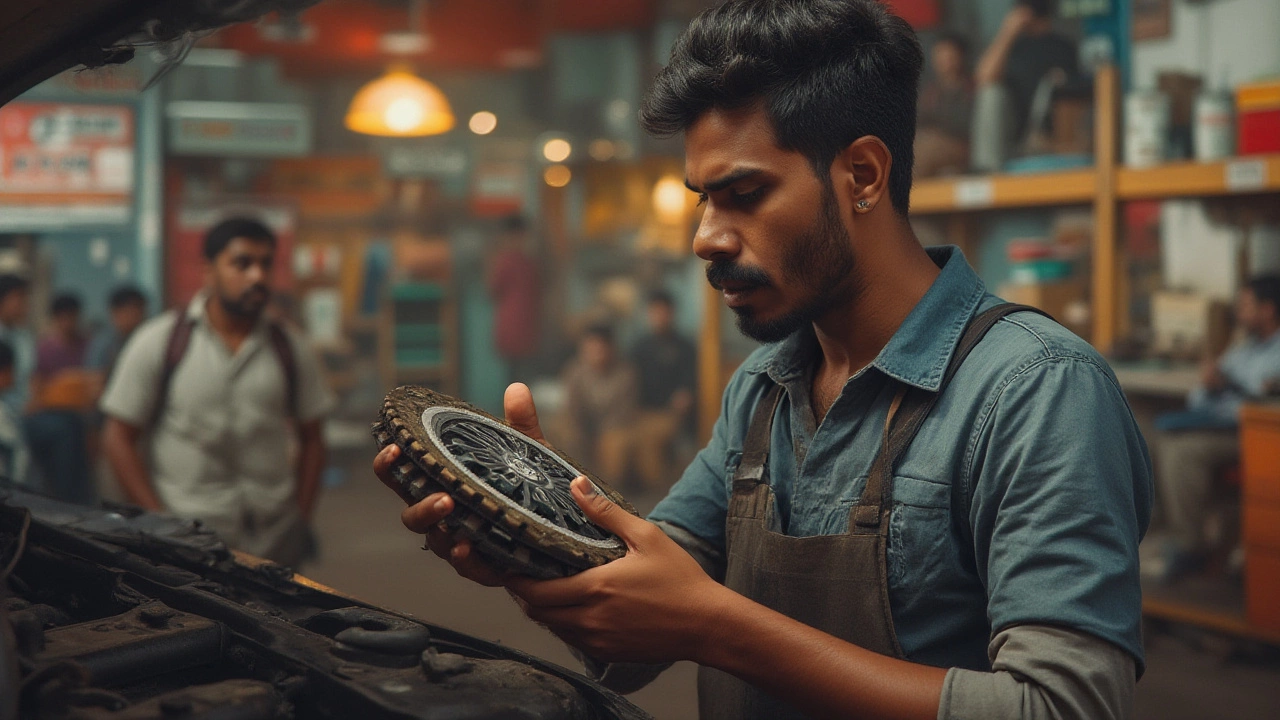
Brand New Clutch Slipping: Causes, Fixes, and Prevention for Drivers
Your clutch is new, but it’s still slipping? Discover why this happens, key warning signs, real-world causes, and practical fixes you can trust.