Car Handling: What It Really Means and How to Improve It
When we talk about car handling, how a vehicle responds to steering, braking, and road conditions. Also known as vehicle dynamics, it's what keeps you in control during a sudden turn or on a wet highway. It’s not about how fast your car goes—it’s about how well it listens to you. A car with great handling doesn’t slide, wobble, or feel disconnected from the road. It plants itself where you point it, and that’s not magic—it’s the result of working parts working together.
Good suspension, the system that connects your wheels to the chassis and absorbs bumps is the backbone of handling. If your shocks are worn out, your car bounces instead of staying planted. You might not notice it until you hit a corner too fast and feel the back end sway. That’s not just uncomfortable—it’s dangerous. The same goes for brake pads, the friction material that stops your wheels when you press the pedal. Thin or glazed pads don’t grip well, which means longer stopping distances and less confidence when you need to slow down fast. And then there’s tire pressure, how much air is in your tires, measured in PSI. Too low? Your tires flex too much, heating up and wearing unevenly. Too high? You lose grip and ride harshly. Most people check oil and gas—but forget to check tire pressure until their car feels weird.
These aren’t separate issues—they’re linked. A bad suspension makes your tires wear unevenly. Worn brake pads force you to brake harder, which puts more stress on the suspension. Poor tire pressure makes everything else work harder. Fix one, and the others get easier. That’s why the posts below cover real fixes: how to tell if your shocks are done, what noises mean your suspension is failing, how to replace brake pads yourself, and why tire prices in 2025 matter more than you think. You don’t need a race car to care about handling. You just need to care about staying safe and in control. Whether you drive on city streets, highways, or rough roads, the right setup makes every drive better. Below, you’ll find clear, no-fluff guides that show you exactly what to look for, what to replace, and when to act—before you’re left guessing on the side of the road.
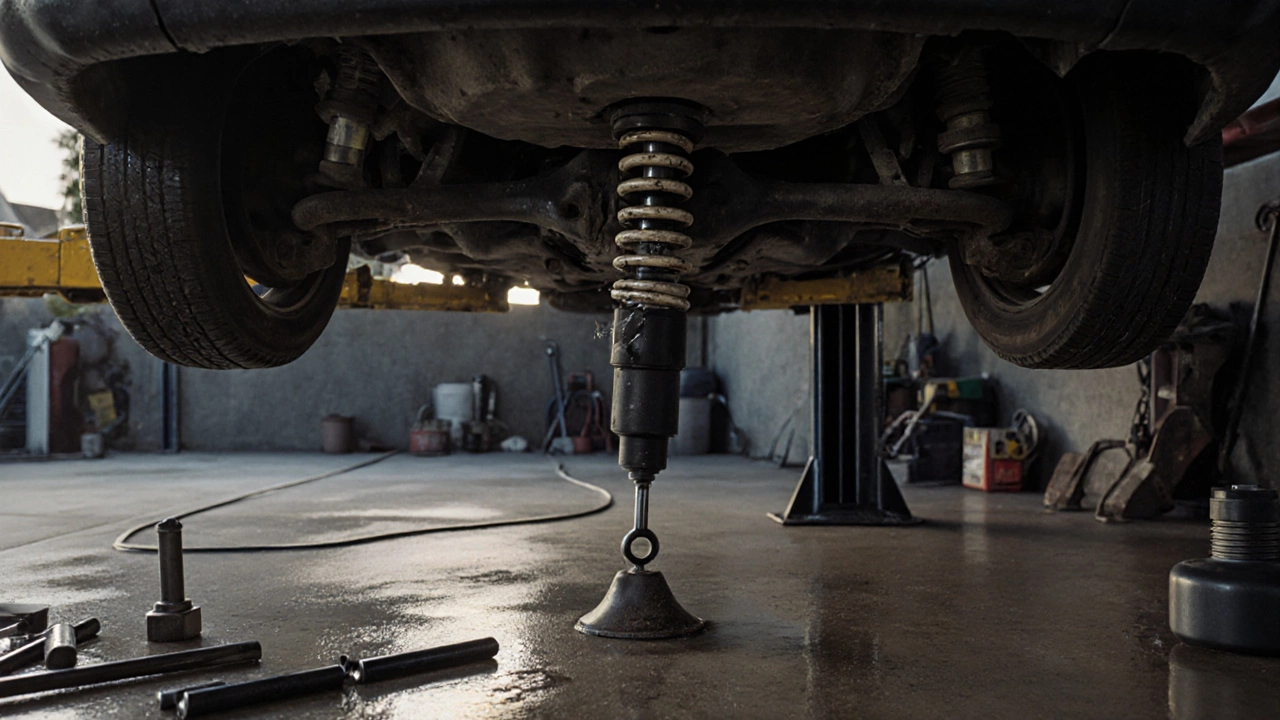
How to Fix a Bad Suspension: Diagnose and Repair Common Issues
Learn how to diagnose and fix a bad suspension with step-by-step guidance on shocks, struts, bushings, and ball joints. Save money and stay safe by addressing wear before it turns dangerous.