Cat-Back vs Axle-Back Exhaust: What’s the Real Difference?
When you’re upgrading your car’s exhaust, you’ll hear two terms over and over: cat-back exhaust, a full exhaust system replacement from the catalytic converter back to the tailpipe. Also known as full exhaust system, it replaces everything after the catalytic converter, including pipes, mufflers, and tips. Then there’s the axle-back exhaust, a simpler upgrade that only swaps the section from the rear axle to the tailpipe. Often called rear exhaust, it leaves the mid-pipe and resonator untouched. These aren’t just marketing terms—they change how your car sounds, performs, and costs.
The cat-back system gives you the most control over your exhaust note and flow. It’s the go-to for people who want deeper tone, better throttle response, and a slight power boost—usually 5 to 15 horsepower, depending on your engine. It’s also the only option if your stock mid-pipe is clogged or restrictive. But it’s pricier, heavier on labor, and sometimes requires tuning. On the flip side, the axle-back is the budget-friendly upgrade. It’s easier to install, often fits in a weekend with basic tools, and gives you a noticeable sound change without touching the factory mid-pipe. You won’t get big power gains, but you’ll get a meaner growl without the hassle.
Here’s what most people miss: exhaust backpressure, the resistance exhaust gases face as they exit the engine isn’t always bad. Too little can hurt low-end torque. Too much kills power. A good cat-back system, designed with the right pipe diameter and muffler type balances flow and backpressure. An axle-back, on the other hand, barely touches backpressure—it’s mostly about style and sound. If you drive daily and want a subtle upgrade, axle-back makes sense. If you’re tuning your car for track days or want real performance gains, go cat-back.
And don’t forget muffler design, the part that actually controls how loud or quiet your exhaust sounds. Some cat-back kits use glasspacks for a throaty rumble. Others use chambered mufflers for a refined tone. Axle-backs often use the same muffler types—but since they’re only replacing the last section, the sound is more limited. Your choice here affects everything from highway drone to how often your neighbors knock on your door.
Real talk: most people upgrade for sound, not speed. But if you’re paying for a cat-back, you should expect more than just noise. Look for systems made from stainless steel, not aluminized steel—they last longer and don’t rust through in two years. Check if the kit includes hardware and gaskets. Avoid ones that promise "20+ HP" without dyno proof. And if your car’s factory exhaust is already free-flowing, an axle-back might be all you need.
Below, you’ll find real-world guides on exhaust noise, fuel efficiency, and DIY replacement tips—everything you need to pick the right system without getting ripped off. Whether you’re after a quiet cruise or a full-throttle roar, the right exhaust isn’t about brand names. It’s about what actually works for your car, your driving, and your wallet.
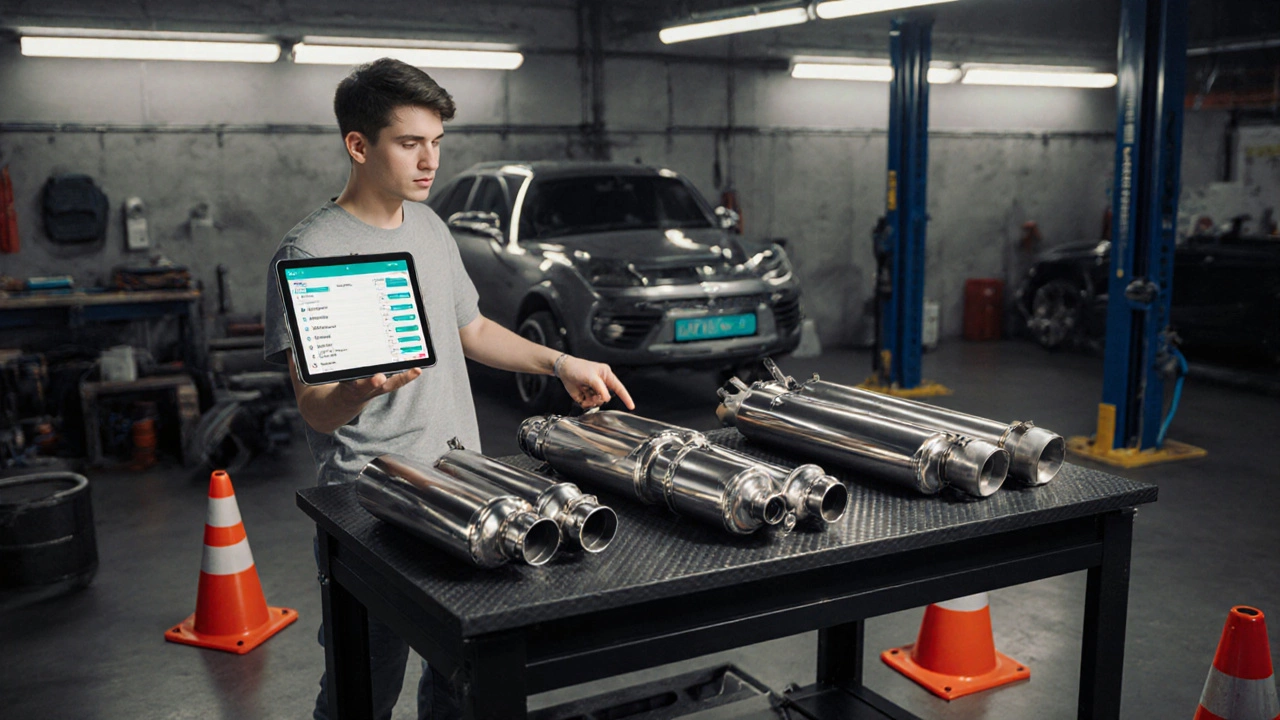
How to Choose the Right Exhaust System for Your Car
Learn how to pick the right exhaust system by defining performance goals, choosing the right architecture, material, and budget, plus installation tips and a real‑world example.