Check Car Battery: Signs, Costs, and How to Avoid Being Stranded
When your car won’t start, the first thing to check car battery is often the right move. A dead battery is one of the most common reasons drivers get stuck—especially in cold weather. It’s not just about age; it’s about voltage, corrosion, and how well it holds a charge. Car battery, a lead-acid device that powers your engine’s starter and electrical systems. Also known as an automotive battery, it’s the silent hero that keeps your car running until it suddenly doesn’t. Most last 3 to 5 years, but driving habits, temperature swings, and electrical drains can kill one much sooner.
When you check car battery, you’re really testing its ability to deliver enough power to turn over the engine. Look for physical signs: swollen sides, cracked casing, or white crusty buildup around the terminals. Those are red flags. Listen for slow cranking when you turn the key—that’s not your starter failing, it’s your battery gasping. A fully charged battery should read 12.6 volts or higher. Anything under 12.4 means it’s weak. Under 12.0? It’s about to quit. You don’t need a fancy multimeter to spot trouble—many auto parts stores test batteries for free when you buy a new one.
Car battery price, ranges from $70 to $200 depending on size, cold cranking amps, and brand. But price isn’t everything. A cheap battery might die in a year. A good one lasts longer and handles cold starts better. Don’t just grab the lowest price—check the warranty, reserve capacity, and whether it matches your car’s specs. And if you’re replacing it, make sure the terminals fit. A mismatched battery won’t work, no matter how good it is.
Some people think leaving lights on is the only way to kill a battery. That’s not true. Short trips, infrequent use, and old alternators can drain it slowly. Even a faulty door switch or aftermarket alarm can eat power overnight. If your battery dies more than once, it’s not the battery—it’s something else draining it. That’s why checking the whole charging system matters.
There’s no magic number for when to replace it. But if you’ve had the same battery for over four years and you live where winters get cold, it’s time to start paying attention. Don’t wait for it to die on the highway. Test it before the first frost. Keep terminals clean. Turn off everything when you park. These small habits add up.
Below, you’ll find real stories from people who’ve dealt with dead batteries—how they spotted the problem, what they paid, and what they wish they’d known sooner. Some tried jumping it. Others replaced it themselves. A few got lucky. Most didn’t. You’ll see what actually works, what’s a waste of money, and how to avoid the same mistakes.
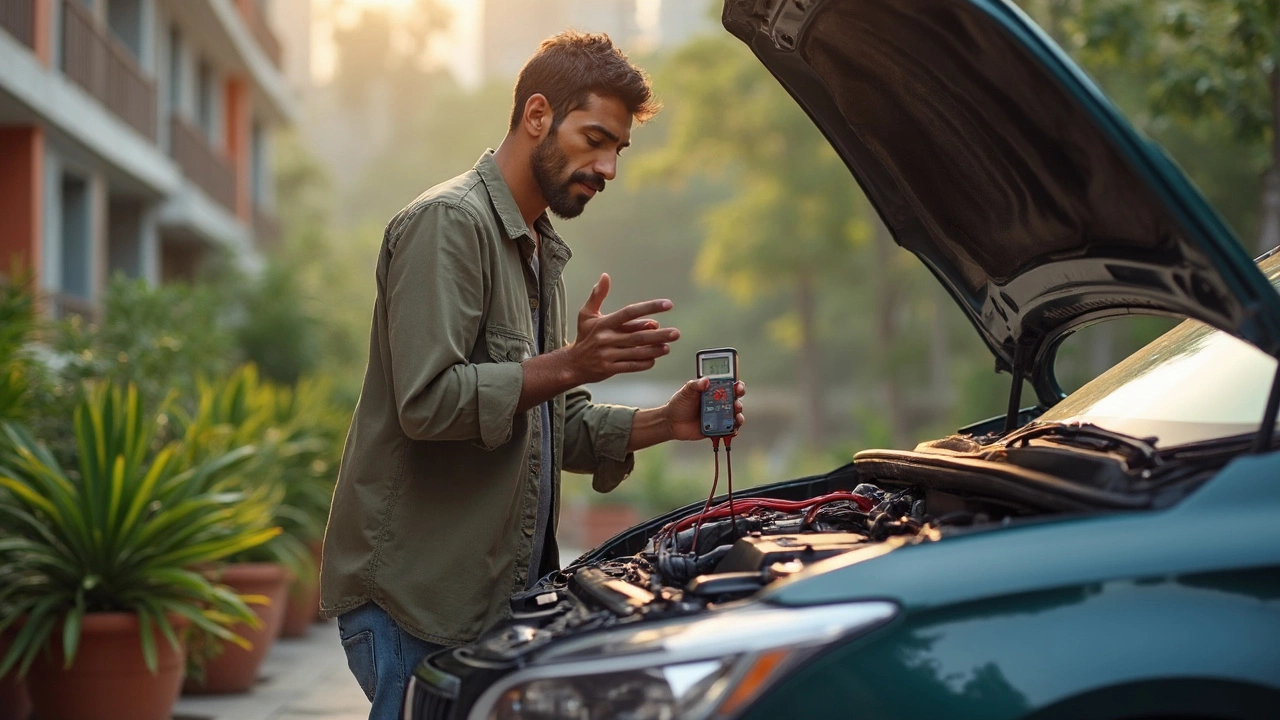
Car Battery Health: How to Check It Yourself
Want to know if your car battery is in good shape? This article breaks down practical, hands-on ways to check battery health at home. Get tips on spotting early signs of trouble, using simple tools, and understanding battery readings so you’re not caught off guard. Discover what really matters when it comes to battery maintenance and learn when it’s time to replace your old battery. Stay confident that your car will start every time.