Clutch Failure Signs: How to Spot Trouble Before You're Stranded
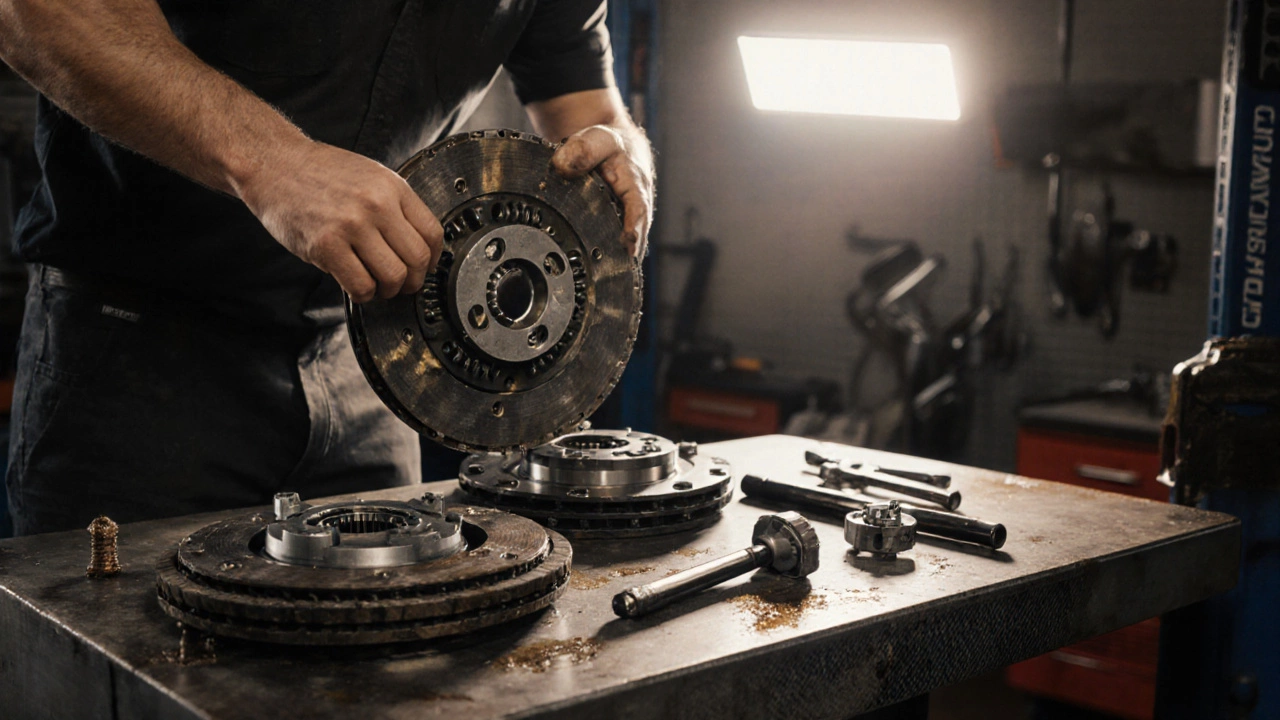
When your clutch, the component that connects your engine to the transmission and lets you shift gears smoothly. Also known as friction disc, it's one of the most abused parts in a manual car. Starts to fail, it doesn’t always scream for help—it just slowly stops working. You might notice your car doesn’t respond when you press the gas, or gears grind when you try to shift. That’s not normal. A healthy clutch engages cleanly; a failing one slips, hesitates, or makes noise when it shouldn’t.
Clutch failure rarely happens overnight. It’s usually the result of wear from stop-and-go driving, riding the pedal, or just age. Most clutches last between 50,000 and 150,000 miles, but if you’re hauling heavy loads or frequently driving in traffic, it can go much sooner. The key is catching the early signs before you’re stuck with a broken clutch and a tow bill. Look for slipping, when the engine revs up but the car doesn’t accelerate—that’s the most common red flag. Then there’s the burning smell, like overheated brakes or old rubber, which means the clutch disc is grinding itself to dust. You might also hear a grinding noise, especially when shifting, or feel the pedal getting softer or higher than usual. These aren’t just inconveniences—they’re warnings your clutch is running on borrowed time.
It’s not just about the clutch itself. A failing clutch often drags other parts down with it. If the flywheel is warped or the pressure plate is worn, replacing just the clutch won’t fix the problem long-term. That’s why mechanics always check the whole system when one part fails. You don’t want to spend money twice. The good news? Most of these signs are easy to spot if you know what to listen for and feel for. You don’t need a garage to notice your car acting weird. If your shift feels off, your gas pedal doesn’t match your speed, or you smell something burning after a short drive, don’t ignore it. Fixing a clutch early saves you hundreds—and keeps you moving.
Below, you’ll find real-world guides that break down exactly what each clutch failure sign means, how to test it yourself, and when it’s time to replace the whole kit. Whether you’re trying to stretch your clutch life or you’re already dealing with a slipping pedal, these posts give you the straight facts—not guesses, not hype, just what works.
How Many Miles Does a Clutch Last? Real-World Expectations and Signs It’s Failing
A clutch typically lasts between 80,000 and 120,000 miles, but driving habits can cut that in half-or double it. Learn what really wears out a clutch, how to spot early signs of failure, and how to make yours last longer.