Clutch Installation Tips: How to Do It Right the First Time
When you're replacing a clutch, the component that connects your engine to the transmission and lets you shift gears smoothly. Also known as a clutch assembly, it's one of the most critical parts in a manual transmission car. A worn clutch doesn’t just slip—it can leave you stranded, damage your flywheel, or even wreck your transmission if installed wrong. Most people think clutch installation is just about swapping out a worn part. But it’s really about preparing the whole system.
That’s why flywheel, the heavy metal disc that the clutch presses against to transfer power. It’s a key partner in the clutch system needs inspection every time you replace the clutch. A warped, cracked, or glazed flywheel will ruin a brand-new clutch in weeks. Same goes for the release bearing, the part that pushes the clutch fingers to disengage the gear. If it’s noisy or stiff, replace it. Don’t save $20 on a bearing only to pay $800 for a new clutch later. And don’t forget the transmission, the gear system that sends power to your wheels. Misalignment during reinstallation is a silent killer—it causes grinding, uneven wear, and premature failure. You need to use a proper alignment tool. No, your screwdriver and gut feeling won’t cut it.
Clutch installation isn’t just about parts. It’s about process. Torque specs matter. Over-tighten the pressure plate bolts and you’ll crack the housing. Under-tighten and the clutch will vibrate or slip. Always follow the manufacturer’s sequence—usually in a star pattern. And if your car uses a hydraulic clutch, you must bleed the system after installation. Air in the lines means a spongy pedal, and a spongy pedal means you can’t shift properly.
Driving habits play a role too. If you ride the clutch, pop the gearshift, or don’t fully release the pedal, even a perfect installation won’t last. But if you get it right, your clutch can easily hit 100,000 miles or more. The posts below show real-world fixes, common mistakes, and what actually works when you’re under the car. You’ll find guides on diagnosing clutch noise, checking flywheel wear, and avoiding the traps that turn a simple job into a costly disaster. No fluff. Just what you need to get it done right.
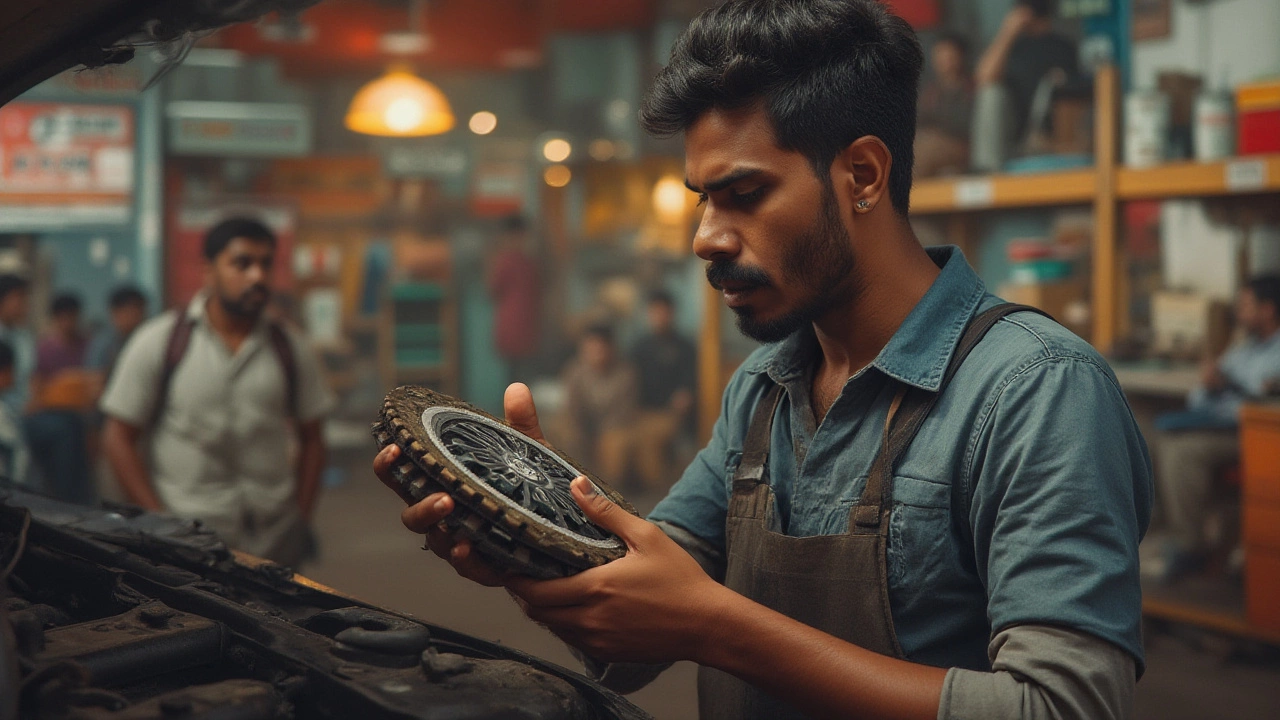
Brand New Clutch Slipping: Causes, Fixes, and Prevention for Drivers
Your clutch is new, but it’s still slipping? Discover why this happens, key warning signs, real-world causes, and practical fixes you can trust.