Clutch Mileage: How Long Does a Clutch Last and What Kills It?
When you press the clutch pedal, you’re engaging a critical part of your car’s clutch, a mechanical component that connects and disconnects the engine from the transmission to allow smooth gear changes. Also known as a friction disc assembly, it’s one of those parts you don’t think about—until it fails. Most clutches last between 80,000 and 120,000 miles, but that number can drop to 40,000 or climb past 150,000 depending on how you drive. It’s not magic—it’s physics. Every time you ride the clutch, creep in traffic, or stall on a hill, you’re wearing down the friction material. That’s not a myth. That’s a fact backed by mechanics who see hundreds of failed clutches every year.
The real killer isn’t age—it’s driving habits, the way you use the clutch pedal and shift gears that directly impacts its lifespan. If you’re the type who holds the clutch halfway down at stoplights, you’re grinding the pressure plate and release bearing. If you launch hard from a stop or shift too fast without matching revs, you’re overheating the disc. Even something as simple as driving in hilly areas with a heavy load can cut clutch life in half. And if your car has a manual transmission and you’re using it for towing or off-roading, you’re asking for trouble unless you’ve upgraded to a heavy-duty kit. The clutch kit, the complete set of components including the disc, pressure plate, and release bearing isn’t a one-size-fits-all part. Your car’s engine torque, weight, and usage pattern determine what kind of clutch it actually needs.
There’s no dashboard light for a dying clutch. You have to listen and feel it. A slipping clutch—where the engine revs but the car doesn’t accelerate—is the #1 sign. So is a spongy or overly stiff pedal, unusual grinding noises when shifting, or the car lurching when you let the clutch out. These aren’t vague warnings—they’re red flags. And if you ignore them, you risk damaging the flywheel, the transmission input shaft, or even the entire gearbox. That’s not a $500 repair anymore. That’s a $2,000+ nightmare.
The posts below cover everything you need to know about clutch mileage—from what really wears it out, to how to spot early signs of failure, to what parts you actually need when it’s time to replace it. You’ll find real-world advice from people who’ve been there—not theory, not marketing fluff. Just straight talk on how to make your clutch last longer, how to diagnose trouble before it strands you, and how to avoid getting ripped off on a replacement job.
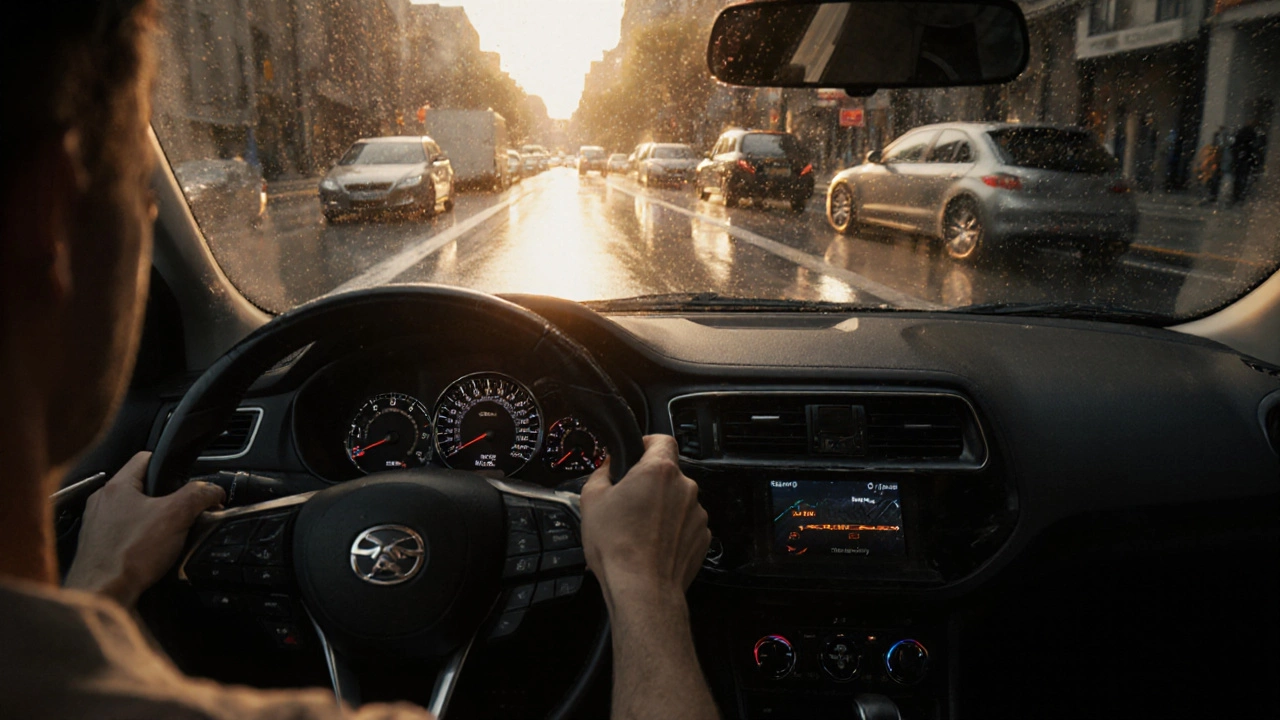
How Many Miles Should a Clutch Last? Real-World Expectations and Signs of Wear
Most clutches last between 50,000 and 150,000 miles, but driving style and vehicle type make a big difference. Learn the signs of wear, how to extend clutch life, and when to replace it before it leaves you stranded.